Picture this: I’m in my tiny downtown kitchen, the kind of place where the countertops are practically a circus tightrope, and I’ve just burned the last batch of store‑bought chicken salad I ever dared to trust. The smoke alarm shrieked like a disappointed audience, and I swore I’d never touch a pre‑made salad again. Then, in a moment of reckless inspiration (or maybe desperation), I grabbed a half‑ripe watermelon, a bottle of balsamic vinegar that had been gathering dust, and a couple of chicken breasts that were about to become the most talked‑about leftovers of the season. I tossed them together, and the result was a flavor explosion that made the burnt chicken debacle feel like a distant memory.
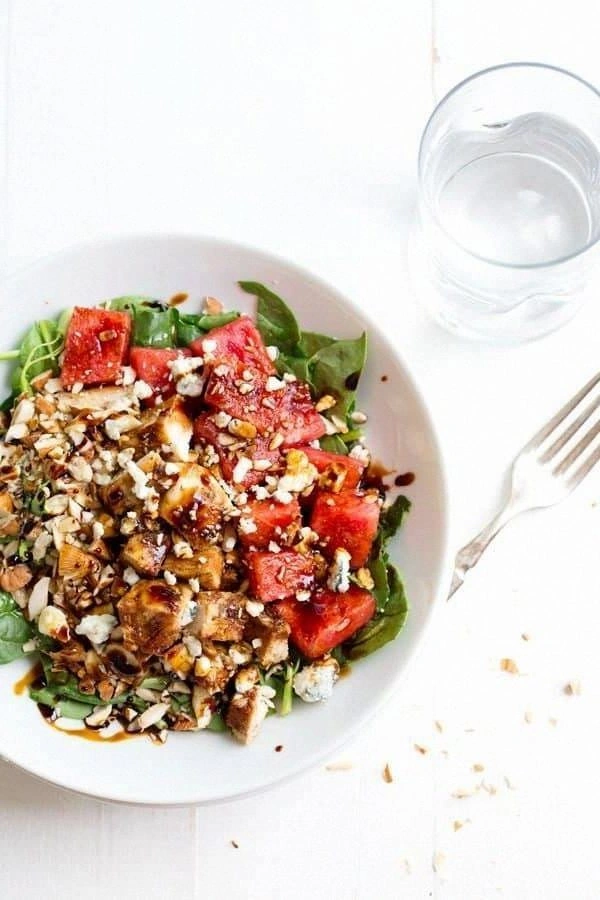
The first thing that hits you is the visual—vivid ruby cubes of watermelon nestled among golden‑brown strips of seared chicken, all glistening under a glossy balsamic glaze that catches the light like a summer sunset. The aroma? A sweet‑tangy perfume that whisks you straight to a Mediterranean patio, where the air is warm and the cicadas are humming a lazy tune. As you bite, the juicy watermelon bursts with a crisp snap, the chicken offers a smoky, caramelized bite, and the balsamic reduction ties it together with a silky, slightly acidic kiss that makes your taste buds do a little happy dance. The texture orchestra—soft fruit, tender meat, crunchy arugula, and a crumble of feta—creates a mouthfeel that’s as satisfying as a perfectly timed drum solo.
What truly separates this version from the rest is the secret weapon: a quick‑made balsamic‑honey reduction that’s reduced to a syrupy glaze just before the chicken hits the pan. Most recipes either drown the salad in a watery vinaigrette or skip the glaze entirely, leaving the dish flat. Here, the glaze not only adds depth but also creates a caramelized crust on the chicken that locks in juices, making each bite juicy yet crisp at the edges. And let’s not forget the surprise element of a few fresh mint leaves that cut through the richness with a bright, herbaceous pop—something you’ll never see in a generic store version.
Okay, ready for the game‑changer? I’m about to walk you through every single step—down to the exact temperature of the pan, the timing of the reduction, and the moment you fold in the arugula so it stays vibrant and not wilted. By the end, you’ll wonder how you ever settled for any other chicken salad, and I dare you to taste this and not go back for seconds.
What Makes This Version Stand Out
- Flavor Fusion: The sweet‑tart balsamic reduction marries the fruit’s natural sugars with a subtle acidity, creating a flavor profile that’s both refreshing and indulgent.
- Texture Symphony: A perfect balance of juicy watermelon, crisp arugula, tender chicken, and crumbly feta delivers a multi‑layered bite that keeps you interested from first forkful to last.
- Simplicity Meets Sophistication: Despite the gourmet vibe, the recipe uses pantry staples and a handful of fresh ingredients—no fancy equipment required.
- Unique Ingredient Star: Fresh mint isn’t just garnish; it’s a flavor‑lifting hero that adds a cool, aromatic punch you won’t find in typical chicken salads.
- Crowd‑Pleaser Factor: Whether you’re feeding a family dinner or impressing guests at a summer soirée, this dish consistently earns rave reviews and empty plates.
- Ingredient Quality Matters: Using ripe, seedless watermelon and free‑range chicken elevates the dish from “good” to “wow‑worthy” in seconds.
- Cooking Method Magic: Searing the chicken before tossing it in the glaze locks in moisture and adds a caramelized edge that’s impossible to achieve with boiling or baking alone.
- Make‑Ahead Potential: The glaze can be prepared ahead of time, and the salad holds up beautifully for a few hours, making it perfect for picnics or potlucks.
Inside the Ingredient List
The Flavor Base
Watermelon (4 cups, cubed): The star of the show, watermelon contributes a juicy sweetness and a refreshing crunch. Choose a seedless, ripe variety for the best texture; if you pick a less sweet melon, the balsamic will dominate. Skipping it turns the dish into a plain chicken salad, losing the signature contrast.
Balsamic Vinegar (¼ cup): Provides the deep, tangy backbone that ties the fruit and chicken together. Opt for a high‑quality aged balsamic for richer notes. If you substitute with regular red wine vinegar, you’ll miss the subtle sweetness.
Honey (2 tbsp): Balances the acidity of the balsamic and adds a glossy sheen. Use raw honey for a more complex flavor; agave works in a pinch but lacks depth.
The Texture Crew
Chicken Breasts (2 large, about 1½ lbs): Serves as the protein anchor, offering a meaty bite that contrasts the fruit’s softness. Free‑range or organic chicken yields juicier results. If you use thighs, the flavor intensifies but the texture shifts to a richer, fattier feel.
Arugula (2 cups, loosely packed): Adds peppery bite and a bright green color that lifts the plate. Baby spinach is a milder alternative, but you’ll lose that signature pepper kick.
Feta Cheese (½ cup, crumbled): Brings salty creaminess that counters the sweetness of the watermelon. If you’re dairy‑free, substitute with toasted pine nuts for crunch and a hint of earthiness.
The Unexpected Star
Fresh Mint Leaves (¼ cup, chopped): Provides a cooling, aromatic lift that brightens the entire salad. A handful of basil can work, yet mint’s citrus‑like freshness is irreplaceable in this context.
Red Onion (¼ cup, thinly sliced): Offers a sharp, slightly sweet bite that layers depth. Soaking the slices in cold water for 5 minutes mellows the bite without sacrificing crunch.
The Final Flourish
Olive Oil (2 tbsp): Serves as the cooking medium for searing the chicken and helps emulsify the glaze. A light‑taste oil keeps the flavors balanced; extra‑virgin adds a fruity note.
Sea Salt & Freshly Ground Black Pepper (to taste): Essential for seasoning the chicken and the final salad. Don’t skimp—proper seasoning amplifies every other flavor.
Everything's prepped? Good. Let's get into the real action...
The Method — Step by Step
Start by patting the chicken breasts dry with paper towels; moisture is the enemy of a good sear. Season both sides generously with sea salt and freshly ground black pepper. Heat the olive oil in a wide, heavy skillet over medium‑high heat until it shimmers—this should be about 375°F (190°C). When the oil is hot enough, lay the chicken in the pan and listen for that satisfying sizzle that signals a perfect start.
Kitchen Hack: Press a small piece of parchment paper against the chicken while it sears; it helps distribute heat evenly and prevents sticking without adding extra oil.Cook the chicken for 5‑6 minutes per side, or until the exterior is golden‑brown and the internal temperature reaches 165°F (74°C). Resist the urge to move it around; letting it sit creates those coveted caramelized edges that pull away from the pan—those are the flavor fireworks.
While the chicken rests, whisk together the balsamic vinegar, honey, and a pinch of sea salt in a small saucepan. Bring the mixture to a gentle boil, then reduce the heat to a simmer. Let it reduce for 4‑5 minutes, stirring occasionally, until it coats the back of a spoon with a glossy, syrupy consistency. This is the moment of truth: the glaze should smell sweet, slightly fruity, and have a faint hint of caramel.
Watch Out: If you let the reduction boil too vigorously, it can burn and become bitter. Keep the heat moderate and watch the color closely.Slice the rested chicken against the grain into bite‑size strips. This technique keeps the meat tender and ensures every piece is coated evenly by the glaze. Toss the strips back into the pan with the reduced balsamic, turning quickly so each piece gets a glossy, caramelized coat. The glaze should cling like a thin veil, not pool at the bottom.
In a large mixing bowl, combine the cubed watermelon, thinly sliced red onion, and chopped mint. Drizzle a splash of the remaining glaze (if any) over the fruit and give it a gentle toss. The mint will release its aromatic oils, and the onion will soften just enough to lose its raw edge without becoming mushy.
Add the arugula and crumbled feta to the bowl, then fold in the glazed chicken strips. The arugula should remain bright and crisp; over‑mixing will wilt it and mute its peppery bite. A quick toss is all you need to bring everything together.
Finish with a final drizzle of extra balsamic glaze—just enough to give the salad a subtle sheen without drowning the fresh flavors. Taste and adjust seasoning with a pinch more salt or a grind of black pepper if needed. The salad should taste balanced: sweet, tangy, salty, and herbaceous all at once.
Serve immediately on a large platter or divide into individual bowls. If you’re planning to serve later, keep the glaze separate and toss it in right before plating to maintain texture. Picture yourself pulling this out of the kitchen, the whole room smelling incredible, and watch the smiles appear.
That's it — you did it. But hold on, I've got a few more tricks that'll take this to another level...
Insider Tricks for Flawless Results
The Temperature Rule Nobody Follows
Never sear chicken on a cold pan. Starting at the right temperature (around 375°F) ensures a crust forms before the interior cooks, locking in moisture. I once tried a “low‑and‑slow” sear and ended up with a rubbery surface that felt like chewing on a shoe sole. Trust the heat, and you’ll get that caramelized edge every single time.
Why Your Nose Knows Best
The aroma of the balsamic reduction is your best indicator of doneness. When the scent shifts from sharp vinegar to a sweet, caramel‑like perfume, you know the glaze is ready. If you rely solely on a timer, you might miss the perfect window, resulting in a glaze that’s either too thin or overly bitter.
The 5‑Minute Rest That Changes Everything
Allow the chicken to rest for exactly five minutes after searing. This short pause lets the juices redistribute, preventing them from spilling out when you slice. I once sliced straight away and watched a river of juices flood the pan, leaving the meat dry and the salad soggy.
Mint Timing Mastery
Chop mint just before you add it to the salad. The volatile oils that give mint its bright flavor evaporate quickly, so a delayed chop preserves its punch. If you pre‑chop and sit it for hours, you’ll notice a muted, almost wilted taste.
Salt Layering for Depth
Season at three stages: on the raw chicken, in the glaze, and finally on the assembled salad. Each layer builds depth, preventing a flat taste. Skipping any step leaves the dish tasting one‑dimensional, like a movie without a soundtrack.
Creative Twists and Variations
This recipe is a playground. Here are some of my favorite ways to switch things up:
Grilled Peach & Burrata Version
Swap watermelon for ripe grilled peach slices and replace feta with creamy burrata. The smoky peach adds a caramel note that pairs beautifully with the balsamic, while burrata’s luscious interior creates a decadent mouthfeel. Perfect for a romantic dinner.
Spicy Sriracha Kick
Stir a teaspoon of sriracha into the balsamic reduction for a subtle heat that lifts the sweet fruit without overpowering it. Add a few sliced jalapeños to the salad for an extra punch. Ideal for those who love a little fire.
Herbaceous Basil & Sun‑Dried Tomato Mix
Replace mint with fresh basil and toss in chopped sun‑dried tomatoes. The basil adds an Italian flair, while the tomatoes bring a chewy texture and umami depth. Great for a Mediterranean-themed brunch.
Vegan Delight
Swap chicken for grilled tofu cubes marinated in soy sauce and smoked paprika. Use coconut‑sugar‑based glaze instead of honey, and keep the feta replacement as toasted pine nuts. This version retains the sweet‑tangy profile while being completely plant‑based.
Crunchy Nutty Finish
Toast a handful of sliced almonds or pistachios and sprinkle over the finished salad. The nuts add a buttery crunch that contrasts the juicy fruit and silky chicken, taking the texture game to a new level.
Storing and Bringing It Back to Life
Fridge Storage
Place the salad in an airtight container, keeping the glaze in a separate small jar. It will stay fresh for up to 3 days. When ready to serve, pour the glaze over the salad and give a gentle toss. The arugula may wilt slightly, but a quick drizzle of olive oil revives its vibrancy.
Freezer Friendly
Freeze the chicken strips and glaze separately from the fresh fruit and greens. Store each component in zip‑top bags, removing as much air as possible. They’ll keep for up to 2 months. To reassemble, thaw in the refrigerator overnight, then combine with fresh watermelon and arugula.
Best Reheating Method
When reheating the chicken, use a skillet over medium heat for 2‑3 minutes, just until warmed through. Add a tiny splash of water (about a tablespoon) before reheating; the steam helps the chicken stay moist and the glaze re‑emulsifies without becoming sticky.