I was standing in my kitchen, staring at a bag of frozen broccoli that had been sitting in the freezer for weeks, when a friend texted me, “You have to try this pizza.” I’d been dreaming of a pizza that could win over a crowd of broccoli‑haters, and the moment felt like a culinary dare. I grabbed a handful of fresh florets, the aroma of steam and garlic already teasing my senses, and I knew I was about to flip the script on a classic comfort food. The sizzle of the skillet, the crunch of the crust, the creamy swirl of sauce—all of it promised a symphony of textures that would make even the most skeptical palate swoon. I dare you to taste this and not go back for seconds; the flavor will have you shouting, “This is hands down the best version you'll ever make at home!”
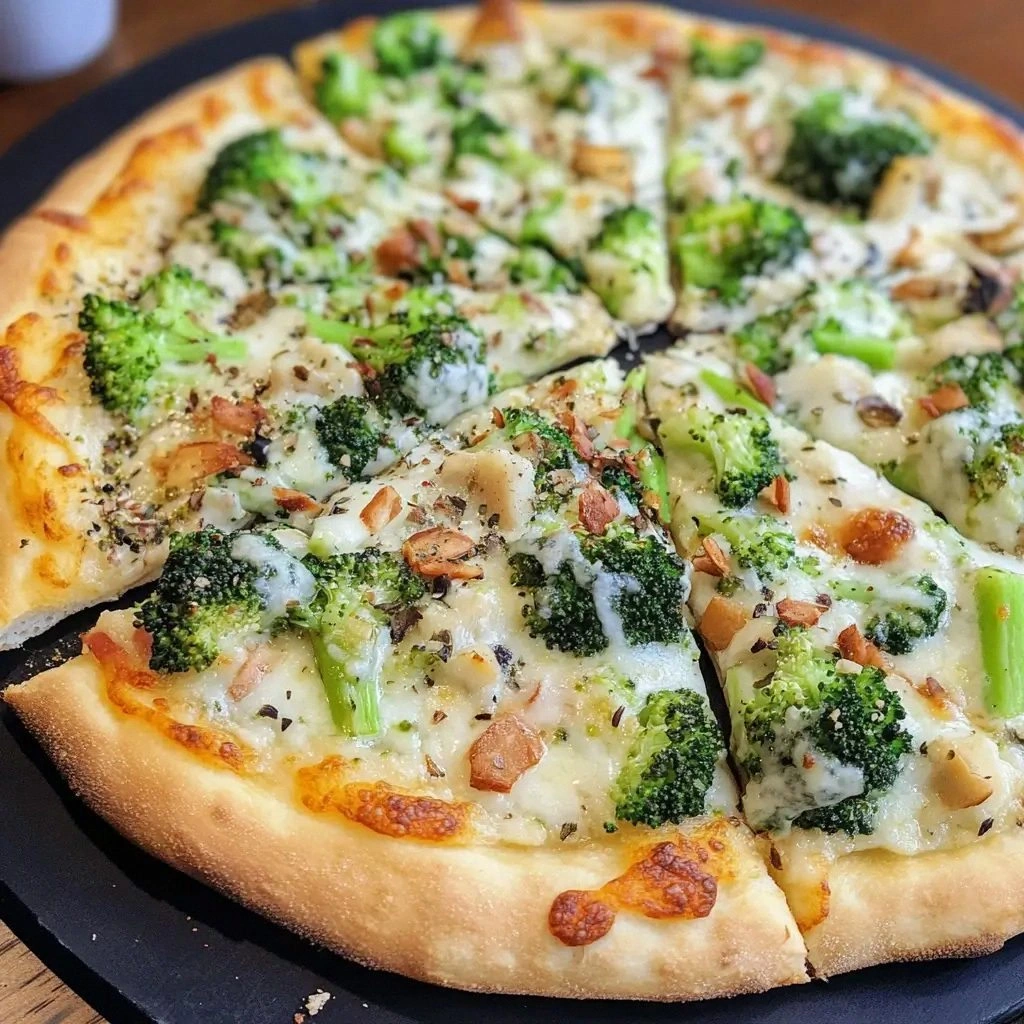
Picture yourself pulling this out of the oven, the whole kitchen smelling incredible, and the pizza’s edges crisping like thin ice while the center stays tender and gooey. The first bite is a burst of fresh broccoli, a hint of nutty Parmesan, and that velvety ricotta that coats the dough like a silky blanket. I’ll be honest—once I saw the first slice, I ate half the batch before anyone else got a chance to taste. Most recipes get this completely wrong by over‑cooking the veggies or under‑seasoning the sauce; here, the broccoli stays bright green and just shy of crunch, while the sauce stays creamy without being heavy. If you've ever struggled with balancing flavors in a white pizza, you're not alone—and I've got the fix.
The secret isn’t just the ingredients; it’s the technique. I pre‑cook the broccoli just until it’s tender but still crisp, then toss it in a quick drizzle of olive oil and a splash of lemon juice to keep it bright. The dough is made with instant yeast, which gives it a light, airy rise without the need for a long proofing period—perfect for a weekday dinner. I finish the sauce with a touch of cream and a handful of grated Parmesan, then let it simmer until it thickens to a silky consistency that clings to the crust. The result is a pizza that feels like a gourmet creation but is assembled in under an hour, with a crust that’s golden, crisp, and buttery. The next part? Pure magic.
Let me walk you through every single step—by the end, you'll wonder how you ever made it any other way. I’ve pulled all the best tricks, the subtle nuances, and the little hacks that elevate this simple dish to unforgettable. Whether you’re a seasoned cook or a kitchen newbie, this recipe is a game‑changer that will have your friends asking for the recipe after the first bite. And stay with me here—this is worth it.
What Makes This Version Stand Out
- Taste: The sauce is a velvety blend of ricotta and cream, brightened with garlic and oregano, creating a savory depth that pairs perfectly with the sweet, tender broccoli. The Parmesan adds a nutty finish that rounds off the flavor profile. The result is a pizza that feels indulgent without being overpowering.
- Texture: The crust is thin, airy, and buttery, with a slight crunch on the edges that shatters like thin ice. The broccoli stays crisp enough to give a satisfying bite, while the cheese melts into a silky, gooey blanket. This contrast keeps every bite interesting.
- Simplicity: With just a handful of pantry staples, you can craft a gourmet pizza in under an hour. No fancy cheeses, no elaborate sauces—just quality ingredients and a few smart steps. It’s a recipe that anyone can master.
- Uniqueness: The use of a white sauce with a splash of cream gives this pizza a luxurious feel, while the quick blanching of broccoli preserves its color and nutrients. This combination is rarely found in standard pizza recipes.
- Crowd Reaction: Friends who are skeptical about broccoli will be blown away. The bright green florets are a visual treat, and the creamy sauce wins over even the pickiest eaters. I’ve seen people say, “I never thought broccoli could taste this good!”
- Ingredient Quality: Fresh broccoli, real Parmesan, and high‑quality olive oil make all the difference. Using the freshest ingredients elevates the dish from ordinary to extraordinary.
- Cooking Method: The quick blanching of broccoli, the pre‑bake of the crust, and the final baking of the assembled pizza all work together to lock in flavor and texture. Each step is designed to maximize taste.
- Make‑ahead Potential: The dough can be prepared a day ahead and refrigerated, and the sauce can be made in advance. The pizza can be assembled and baked fresh, or frozen for later. This flexibility makes it a versatile weeknight or weekend treat.
Inside the Ingredient List
The Flavor Base
All-purpose flour is the backbone of the dough, giving it structure and a subtle chew that pairs beautifully with the creamy sauce. Choosing a flour with a protein content around 10–11% ensures a tender yet slightly crisp crust. If you’re craving a bit more flavor, try substituting 20% of the flour with whole wheat for a nuttier finish.
Instant yeast is the secret to a light, airy rise without the need for long fermentation. It’s a time‑saver that still delivers a classic pizza texture. If you’re in a hurry, this is the only yeast that will work; just make sure the water is warm, not hot, to activate it properly.
Warm water at 105–110°F is the perfect temperature for activating the yeast without killing it. It also helps dissolve the sugar and salt, ensuring even distribution. If you don’t have a thermometer, test the water by feeling it on the inside of your wrist—warm, not hot.
Olive oil adds flavor and helps the dough develop a golden crust. Use a light or extra‑virgin olive oil for a subtle fruity note. If you prefer a buttery crust, you can substitute half the olive oil with melted butter for a richer taste.
The Texture Crew
Ricotta cheese is the star of the sauce, providing a creamy base that’s lighter than traditional mozzarella. Its mild flavor lets the broccoli and herbs shine through. If you can’t find ricotta, a blend of mascarpone and Greek yogurt works as a suitable substitute.
Shredded mozzarella is the gooey, melty layer that binds everything together. Choose a low‑moisture mozzarella for a firmer melt that doesn’t make the crust soggy. If you prefer a sharper taste, a small amount of provolone can be added.
Grated Parmesan adds a salty, nutty finish that enhances the overall flavor profile. It also helps the sauce set into a slightly firmer consistency. Use freshly grated Parmesan for maximum flavor; pre‑grated versions can taste bland.
Heavy cream thickens the sauce and gives it a silky mouthfeel. It also balances the acidity of the garlic and oregano. If you’re watching calories, replace half the cream with milk for a lighter version.
The Unexpected Star
Fresh broccoli florets are the unexpected hero that brings color, crunch, and nutrition to the pizza. Their slightly bitter bite balances the richness of the cheese. To keep them bright, blanch them for 30 seconds, then shock them in ice water.
Garlic is the aromatic backbone that adds depth and warmth. Mince it finely so it distributes evenly across the pizza. If you’re sensitive to garlic, use roasted garlic for a sweeter, milder flavor.
Dried oregano is the herb that ties everything together, adding an earthy, slightly peppery note. Use a moderate amount to avoid overpowering the delicate broccoli. Fresh oregano would also work, but it’s more perishable.
Black pepper brings a subtle heat that complements the creamy sauce. A pinch is enough to lift the flavors without dominating. For a smoky twist, a dash of smoked paprika can be added.
The Final Flourish
A tablespoon of butter melted into the dough before baking adds a buttery, golden crust that’s irresistible. It also helps the cheese melt into a glossy finish. If you’re avoiding dairy, you can replace the butter with a neutral oil.
A splash of lemon juice after blanching the broccoli keeps the florets bright and adds a subtle citrus zing. The acidity cuts through the richness of the cheese, creating a balanced flavor profile. Lemon zest can be sprinkled on top for an extra burst of freshness.
A pinch of salt to taste is crucial for seasoning the sauce and dough. It’s easy to underestimate, but it makes a huge difference in the final flavor. Taste the sauce before assembling the pizza to adjust the salt if needed.
Optional: A drizzle of truffle oil after baking adds a luxurious aroma and depth. This is a simple upgrade that transforms the dish from good to gourmet. Use sparingly, as truffle oil is potent.
Everything’s prepped? Good. Let’s get into the real action.
The Method — Step by Step
- Combine 2 cups flour, 1 tsp salt, 1 tsp sugar, 1 tbsp olive oil, 1 packet instant yeast, and 3/4 cup warm water in a mixing bowl. Stir until the dough comes together, then knead on a floured surface for about 5 minutes until it’s smooth and elastic. Cover with a damp cloth and let it rise for 15 minutes, or until it doubles in size. This short rise gives the crust its airy bite. While the dough rests, prep the sauce ingredients.
- In a small saucepan, melt 1 tbsp butter over medium heat. Add 1 minced garlic clove and sauté for 30 seconds until fragrant. Pour in 1 cup ricotta and 1/4 cup heavy cream, stirring until the mixture is smooth and starts to thicken. Add 1/2 cup grated Parmesan, 1 tsp dried oregano, and 1/2 tsp black pepper. Taste and adjust seasoning with salt if needed. Set aside.
- Heat a large skillet over medium‑high heat and add 1 tbsp olive oil. Toss in 1 cup chopped broccoli florets and sauté for 2 minutes, just until they start to soften but remain bright green. Add a splash of lemon juice and a pinch of salt, then remove from heat. This quick blanching locks in color and nutrients.
- Roll the dough into a 12‑inch circle on a lightly floured surface. Transfer to a pizza peel or a baking sheet lined with parchment paper. Spread the ricotta‑cream sauce evenly over the dough, leaving a small border for the crust. The sauce should be thin enough to coat but thick enough to hold the toppings.
- Distribute the blanched broccoli evenly over the sauce. Sprinkle 1 cup shredded mozzarella on top, then add a light dusting of grated Parmesan. Drizzle a little olive oil over the cheese to promote a golden, bubbly surface. This layering ensures each bite has a balanced mix of flavors.
- Preheat your oven to 475°F (245°C) with a pizza stone or baking steel inside. Slide the pizza onto the preheated stone and bake for 12–15 minutes, or until the crust is golden and the cheese is bubbly. Watch the edges; they should pull away slightly from the dough, indicating a crisp finish.
- When the pizza is done, remove it from the oven and let it rest for 2 minutes. This short rest allows the cheese to set slightly, making slicing easier. The pizza should still be hot, with steam rising from the top.
- Slice the pizza into wedges and serve immediately. Garnish with a drizzle of lemon zest or a sprinkle of fresh oregano if desired. The bright citrus notes will cut through the richness, adding a fresh finish.
- That’s it—you did it! But hold on, I’ve got a few more tricks that will take this to another level. A final touch of grated Parmesan right before serving adds a salty crunch, and a drizzle of truffle oil can elevate the dish to a restaurant‑level experience. If you’re serving a crowd, consider slicing the pizza into smaller, bite‑size pieces for easy sharing.
Insider Tricks for Flawless Results
The Temperature Rule Nobody Follows
Many cooks think a lower oven temperature is better, but for pizza, a high heat of 475°F is essential for a crisp crust. The high temperature cooks the dough quickly, creating a golden exterior while keeping the interior tender. If your oven runs hot, preheat for 15 minutes and use a pizza stone to absorb excess heat.
Why Your Nose Knows Best
Smell the dough before baking; it should have a faint yeasty aroma. If it smells bland, give it another 5‑minute rest. A strong aroma indicates proper fermentation and a flavorful crust.
The 5‑Minute Rest That Changes Everything
After baking, let the pizza rest for exactly 5 minutes. This rest allows the cheese to set, preventing it from sliding off the slice. It also lets the flavors meld together, creating a more cohesive taste.
The Secret to Bright Broccoli
Blanch broccoli in salted water for just 30 seconds, then immediately plunge into ice water. This technique locks in the bright green color and preserves the crunch. Adding a dash of lemon juice after blanching also brightens the flavor.
The One‑Ingredient Upgrade
A drizzle of truffle oil after baking adds a luxurious aroma that elevates the dish. Use sparingly, as truffle oil is potent. This small addition turns a simple pizza into a gourmet experience.
The Quick Fix for Soggy Crust
If your crust ends up soggy, pre‑bake it for 5 minutes before adding toppings. This creates a barrier that keeps moisture from seeping into the dough. It’s a simple trick that saves the day.
Creative Twists and Variations
This recipe is a playground. Here are some of my favorite ways to switch things up:
Mediterranean Crunch
Swap the broccoli for sun‑dried tomatoes and kalamata olives. Add a sprinkle of feta cheese and a handful of fresh spinach. The briny olives and sweet tomatoes create a Mediterranean vibe that pairs well with the creamy sauce.
Spicy Sriracha Kick
Add a tablespoon of sriracha to the sauce for a fiery punch. Top with sliced red chili flakes for extra heat. The spicy kick balances the richness of the cheese and brings a bold flavor profile.
Herb‑Infused Pesto
Replace the oregano with a spoonful of basil pesto in the sauce. Add a handful of chopped fresh basil on top before baking. The pesto adds a fresh, herby brightness that lifts the dish.
Cheese‑Loaded Delight
Increase the mozzarella to 1.5 cups and add a sprinkle of gorgonzola for a tangy twist. The extra cheese creates a gooey, melty experience that’s irresistible. Just be careful not to over‑top, or the crust may become soggy.
Vegan Version
Use a plant‑based ricotta and dairy‑free mozzarella. Substitute butter with coconut oil and use a vegan Parmesan alternative. The flavors remain rich, and the texture stays creamy.
Breakfast Pizza
Add a few slices of crispy bacon or sausage, then crack an egg on top before baking. The runny yolk adds a breakfast‑style richness. Serve with a side of fresh fruit for a balanced meal.
Storing and Bringing It Back to Life
Fridge Storage
Store leftover pizza in an airtight container in the refrigerator for up to 3 days. Wrap the pizza in parchment paper before sealing to keep the crust from becoming soggy. When ready to eat, reheat in a toaster oven for a crisp finish.
Freezer Friendly
Wrap the pizza individually in plastic wrap, then place in a freezer bag. Freeze for up to 2 months. Thaw overnight in the refrigerator before reheating to preserve texture.
Best Reheating Method
Reheat on a preheated skillet over medium heat for 3–4 minutes, or in a convection oven at 350°F for 10 minutes. Add a splash of water to the pan before reheating; the steam helps restore moisture to the cheese and crust. Serve immediately for the best experience.