Picture this: a rainy Tuesday night, the fridge is a barren wasteland, and your stomach is growling louder than a subway train. I was standing in front of the empty shelves, scrolling through recipes on my phone, when a friend texted me, “Dare you try the fish with cream sauce that’s supposedly the best you’ll ever taste?” I laughed, but curiosity won. That moment sparked a culinary experiment that ended with a dish so silky, so bright, that I still feel a little guilty for not sharing it sooner.
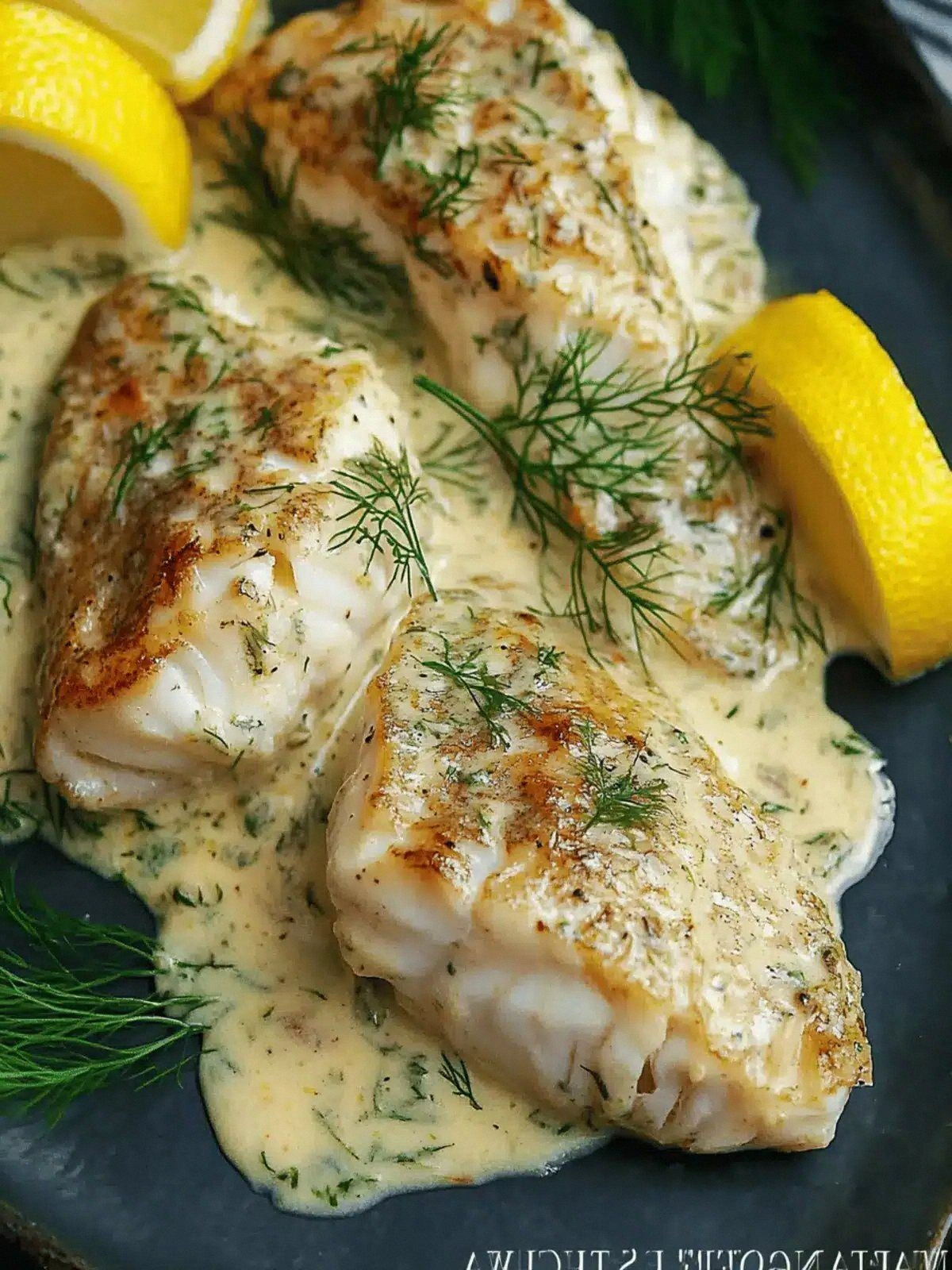
The first bite was an orchestra of flavors: the gentle sweetness of cod, the sharp tang of lemon, and the lush, buttery coat of the cream sauce that clung to every flaky flake like a velvet scarf. The aroma wafting from the pan was a comforting blend of garlic and dill, a scent that made the kitchen feel like a cozy, sunlit harbor. The texture was a revelation—crispy edges that crackle with each bite, while the interior stayed moist and tender, refusing to dry out. It was a revelation that turned a simple dinner into an unforgettable experience.
What makes this version stand out? It’s not just the ingredients; it’s the technique, the balance, and the small, intentional choices that elevate it from ordinary to extraordinary. I’ve spent years dissecting recipes, and this one is a textbook of how to layer flavors without overwhelming the palate. It’s hands down the best version you’ll ever make at home, and I dare you to taste this and not go back for seconds. The sauce’s silky consistency is achieved through a delicate reduction, while the fish is seared to a perfect golden crust that locks in moisture.
I’ll be honest—after the first plate, I ate half the batch before anyone else even had a chance. But that’s the point: the dish is so addictive that you’ll find yourself reaching for seconds. The secret? A combination of fresh dill, a splash of lemon zest, and a careful balance of cream and broth. By the end of this guide, you’ll have all the tools to recreate that moment in your own kitchen, and you’ll wonder how you ever cooked fish any other way.
What Makes This Version Stand Out
- Flavor: The sauce is a marriage of creamy richness and bright citrus, creating a harmonious dance on the tongue that is both comforting and exhilarating.
- Texture: The cod is seared to a crisp golden edge while remaining moist inside, and the sauce coats the fish like a silky blanket.
- Simplicity: With only a handful of pantry staples, you can achieve a restaurant-quality dish in under 30 minutes.
- Ingredient Quality: Fresh cod, real butter, and garden-fresh dill make a difference that can’t be replicated with canned or frozen alternatives.
- Crowd Reaction: This dish turns a regular dinner into a gathering point—guests will ask for the recipe, and you’ll be the hero.
- Make‑Ahead Potential: The sauce can be prepared in advance and reheated without losing its velvety texture.
Inside the Ingredient List
The Flavor Base
Olive oil and butter are the backbone of the sauce’s richness. Olive oil adds a fruity, slightly peppery note that elevates the dish, while butter introduces depth and a silky mouthfeel. If you’re looking to cut calories, you can reduce the butter by a tablespoon, but the trade‑off is a thinner, less luscious sauce. For a dairy‑free version, substitute the butter with a plant‑based butter that melts at a low temperature.
The Texture Crew
The cod fillets are the star, and their texture is paramount. Choose fillets that are firm and have a bright, milky color, not dull or discolored. A quick pinch of salt and pepper before searing helps to lock in moisture and build a savory crust. If you prefer a thicker sauce, whisk in a tablespoon of flour or cornstarch during the reduction phase; it will give the sauce a silkier consistency.
The Unexpected Star
Fresh dill is the unexpected star that gives this dish its signature aroma and a touch of herbal brightness. Dill’s subtle piney flavor complements the fish and cuts through the richness of the cream. If dill is out of season, parsley or chives can be a suitable substitute, but the flavor profile will shift slightly. Remember to use the stems; they’re tender and add extra green color.
The Final Flourish
Lemon juice and zest are the final flourish that lifts the dish. The acidity balances the cream’s heaviness and adds a bright, citrusy note that keeps the palate refreshed. The lemon wedges on the side add a pop of color and an extra squeeze of freshness for each bite. If you’re not a fan of citrus, a splash of white wine can replace the lemon juice for a slightly different but still delightful twist.
Everything's prepped? Good. Let's get into the real action.
The Method — Step by Step
- Start by patting the cod fillets dry with paper towels; a dry surface is crucial for a crisp sear. Sprinkle both sides with 0.25 teaspoon salt and 0.25 teaspoon freshly ground black pepper. The seasoning should coat the fillets lightly, not drown them. This is the moment of truth—if you skip the seasoning, the fish will taste flat.
- Heat a large skillet over medium‑high heat and add 1 tablespoon olive oil. Once the oil shimmers, slide the fillets in skin‑side down. Let them cook undisturbed for 3–4 minutes until a golden crust forms. Flip carefully with a spatula; the second side should cook for 2–3 minutes. The sizzle you hear is the promise of a perfect finish.
- Remove the fillets and set aside on a plate. In the same skillet, reduce the heat to medium and add 1 tablespoon unsalted butter. Once melted, toss in 2 minced garlic cloves; sauté for 30 seconds until fragrant but not browned. Garlic’s aroma will fill the kitchen, making the anticipation almost unbearable.
- Pour in 0.33 cup low sodium vegetable broth and 0.5 cup whipping cream. Bring to a gentle simmer, scraping the browned bits from the bottom of the pan. These fond bits carry flavor; ignoring them would be a culinary sin. Stir occasionally, watching the sauce thicken to a silky consistency.
- Add 2 tablespoons fresh dill, 1 tablespoon lemon juice, and 1 teaspoon lemon zest. Stir until the dill is fully incorporated and the sauce smells bright and citrusy. If the sauce becomes too thick, add a splash more broth or a touch of water to reach the desired consistency.
- Return the cod fillets to the skillet, nestling them into the sauce. Spoon the sauce over the fish, ensuring each fillet is coated. Reduce the heat to low, cover, and let it simmer for 3–4 minutes until the fish is opaque and flakes easily. This gentle simmer locks in moisture without overcooking.
- Remove the skillet from the heat and let the fish rest for 1 minute. This pause allows the flavors to settle and the sauce to thicken slightly. While resting, slice a lemon into wedges; the wedges will add a pop of color and an extra squeeze of citrus for serving.
- Plate the fish, spoon the remaining sauce over the top, and garnish with extra dill or a lemon wedge. Serve immediately, preferably with a side of sautéed spinach or a simple risotto that can soak up the luscious sauce. The dish is now ready to dazzle.
That’s it— you did it. But hold on, I've got a few more tricks that'll take this to another level. Let’s dive into the insider tricks that will elevate your fish game even further.
Insider Tricks for Flawless Results
The Temperature Rule Nobody Follows
Many chefs swear by a high‑heat sear, but the truth is that medium‑high heat is enough to develop a crust without burning. I’ve found that a skillet that’s just shy of smoking is ideal. The fish’s surface should brown in 3–4 minutes, but if it starts to blacken, lower the heat immediately. This small adjustment keeps the interior moist and the exterior golden.
Why Your Nose Knows Best
Before you taste the sauce, pause and inhale. The aroma of garlic, dill, and lemon should be a bright, almost citrusy scent that signals the sauce is ready. If it smells too buttery or flat, let it simmer a bit longer. Your nose is a reliable indicator of flavor development.
The 5‑Minute Rest That Changes Everything
After searing, let the fillets rest on a plate for 60 seconds before adding them back to the sauce. This pause allows the heat to redistribute evenly, preventing the fish from steaming in the sauce. The result is a flaky interior that contrasts beautifully with the silky sauce.
The Secret of Fresh Dill
If you can’t find fresh dill, frozen dill will work, but use it sparingly; it can be bitter if overused. The key is to add it towards the end of the sauce’s simmer to preserve its bright flavor. A pinch of dried dill can be used as a last resort, but the fresh version is irreplaceable.
The Lemon Trick
Instead of using fresh lemon juice, you can use bottled lemon juice for consistency, but always add a splash of lemon zest. The zest contains essential oils that give the sauce a bright, aromatic punch. Remember, the zest should be fresh; pre‑ground lemon zest is often bitter.
Creative Twists and Variations
This recipe is a playground. Here are some of my favorite ways to switch things up:
Spicy Cajun Cod
Add a pinch of cayenne pepper and a dash of smoked paprika to the sauce. The smoky heat pairs beautifully with the buttery base, creating a bold, spicy profile that’s perfect for a Friday night.
Herb‑Infused Cream Sauce
Swap dill for a mix of basil, thyme, and oregano. The herbs lend an earthy depth that complements the cod’s mild flavor. This version works wonderfully with a side of roasted vegetables.
Coconut‑Cream Cod
Replace whipping cream with coconut milk for a tropical twist. Add a pinch of curry powder and a squeeze of lime. The coconut’s sweetness balances the citrus, creating an exotic, comforting dish.
Miso‑Glazed Cod
Brush the fillets with a mixture of white miso paste, honey, and a splash of soy sauce before searing. The miso adds umami depth, while honey brings caramelized notes. Finish with a sprinkle of sesame seeds for crunch.
Vegetarian Cream Sauce
Omit the fish entirely and serve the sauce over sautéed spinach or steamed broccoli. Add a handful of cooked lentils for protein, and you have a hearty, plant‑based meal that still feels indulgent.
Pesto Cream Cod
Stir a spoonful of basil pesto into the sauce at the end. The pesto’s nutty, garlicky flavor layers with the lemon, creating a complex, aromatic experience that will wow even the most discerning palates.
Storing and Bringing It Back to Life
Fridge Storage
Cool the dish completely before placing it in an airtight container. Store in the refrigerator for up to 2 days. The sauce may thicken slightly; a splash of milk or cream can restore its silky texture.
Freezer Friendly
To freeze, separate the fish from the sauce. Freeze the fish in a freezer bag and the sauce in a separate container. When ready to reheat, thaw the fish overnight in the fridge and gently warm the sauce on low heat, adding a splash of water to loosen it.
Best Reheating Method
Reheat the sauce in a saucepan over low heat, stirring constantly. Add a tiny splash of water or broth to maintain moisture and prevent the sauce from drying out. The fish should be warmed just enough to be tender; over‑reheating can make it rubbery.