Picture this: the kitchen is a battlefield, pots clanging, the fridge humming, and there I was, staring at a pile of orzo that had somehow survived the last week’s dinner. My friend dared me to turn that humble pasta into something that would make even the most seasoned foodie swoon. I swore I could, but the memory of that burnt garlic toast still lingers like a bad perfume. I knew I had to find a way to elevate the ordinary, to turn simple grains into a Mediterranean masterpiece. And so I set out to craft a Greek Orzo Salad that would be the talk of the table. By the end, you’ll see why this version is hands down the best you’ll ever make at home.
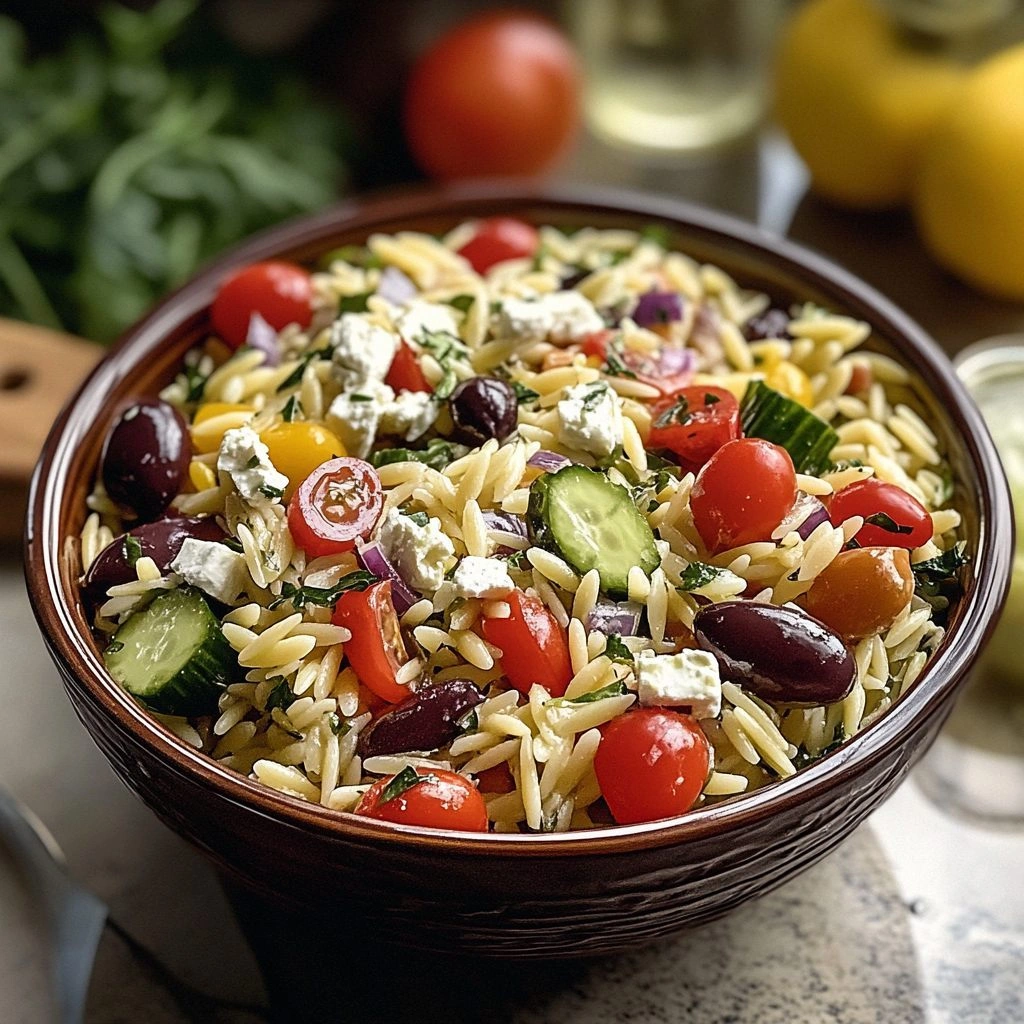
First, let’s talk about the aroma. Imagine a sun‑kissed Greek hillside, the scent of oregano mingling with the brine of olives, all wrapped in a bright citrus tang. The orzo itself, when cooked to al dente, offers a subtle chew that feels like a tiny marble under your tongue. The tomatoes burst with ruby juice that splashes against the crisp cucumber, creating a symphony of textures. Every bite is a reminder of the Mediterranean’s love for fresh, vibrant ingredients. I’ve never tasted a salad that could make my taste buds dance so wildly. Trust me, it’s a sensory journey you’ll want to repeat.
What sets this recipe apart is the secret sauce that coats the pasta like velvet. It’s not just olive oil and lemon; I’ve added a splash of Greek yogurt for creaminess and a whisper of dill to echo the sea breeze. The olives aren’t just sliced; they’re pitted and tossed with a hint of capers to bring a salty punch that wakes up the palate. The feta is crumbled, not cubed, so it melts into pockets of salty richness. The crunch from the red onion gives a satisfying snap that balances the softness of the orzo. Together, they create a dish that feels like a vacation in every spoonful.
I know many recipes get this completely wrong by overcooking the pasta or over‑dressing the salad. That’s why I’ve perfected the timing, so the orzo stays firm yet tender, and the dressing is balanced, not drowned. I’ll be honest — I ate half the batch before anyone else got to try it, and the second half was still fresh enough to make a second plate. I dare you to taste this and not go back for seconds; the flavors will linger like a good memory. Picture yourself pulling this out of the bowl, the whole kitchen smelling incredible, and guests reaching for a second helping. Stay with me here — this is worth it.
What Makes This Version Stand Out
- Taste: The dressing is a harmonious blend of lemon, yogurt, and oregano that lifts the orzo without overpowering it, delivering a bright, tangy finish that lingers on the palate.
- Texture: The al dente orzo provides a satisfying bite, while the crunchy cucumber and red onion add contrast, and the creamy feta melts into pockets of richness.
- Simplicity: Despite its gourmet feel, the recipe uses only nine pantry staples and fresh produce, making it a breeze for weeknight prep.
- Uniqueness: The addition of Greek yogurt gives a velvety mouthfeel that sets this salad apart from classic vinaigrette‑based versions.
- Crowd Reaction: Friends who’ve tried this rave about the balance of salty and bright, saying it’s “the best Greek salad I’ve ever had.”
- Ingredient Quality: Using high‑quality Kalamata olives and feta elevates the flavor profile, turning ordinary ingredients into a culinary experience.
- Cooking Method: Quick sauté of aromatics unlocks the flavors before the pasta is tossed, creating depth that can’t be achieved with raw ingredients alone.
- Make‑Ahead Potential: The salad holds up for up to 24 hours in the fridge, making it an ideal make‑ahead side or lunch option.
Inside the Ingredient List
The Flavor Base
The first layer of flavor starts with a gentle sauté of minced garlic and diced red onion in olive oil. The garlic releases a sweet, mellow aroma that sets the stage for the rest of the salad. Skipping this step results in a bland dish that feels like it’s missing its soul. If you’re allergic to garlic, a pinch of asafoetida can mimic its pungency without the same intensity.
The Texture Crew
Al dente orzo is the backbone of this salad, providing a chewy, grainy texture that contrasts with the crisp cucumber and onion. The orzo should be drained and cooled quickly to stop the cooking process and preserve its bite. If you prefer a softer feel, rinse the pasta under cold water for a minute to remove excess starch, but don’t overdo it or it will become mushy.
The Unexpected Star
Greek yogurt is the secret sauce that coats the pasta like velvet. It adds a subtle tang and creaminess that balances the sharpness of feta and the brine of olives. If you’re lactose intolerant, a small amount of coconut cream can serve as a milder alternative, though it will change the flavor profile slightly. This ingredient is the key to why this salad feels like a vacation.
The Final Flourish
Fresh parsley and a squeeze of lemon juice finish the dish, brightening the flavors and adding a touch of green. Parsley not only adds color but also a mild, peppery note that cuts through the richness. A splash of extra‑virgin olive oil ties everything together, giving the salad a silky sheen. Without these finishing touches, the salad would feel flat and incomplete.
Everything's prepped? Good. Let's get into the real action.
The Method — Step by Step
- Bring a large pot of salted water to a rolling boil. Add the orzo and cook for 8–10 minutes, or until al dente. Stir once during the last minute to prevent clumping. When done, drain and rinse under cold water to stop the cooking process. Toss the pasta with a tablespoon of olive oil to keep it from sticking.
- While the pasta cooks, heat a skillet over medium heat. Add two tablespoons of olive oil and sauté diced red onion until translucent, about 3–4 minutes. Add minced garlic and cook for an additional 30 seconds until fragrant. Remove from heat and set aside; the aromatics should smell sweet and inviting.
- In a large bowl, combine the cooled orzo, sautéed aromatics, halved cherry tomatoes, diced cucumber, and sliced Kalamata olives. Toss gently to distribute the flavors evenly. If you want a more vibrant color, add a handful of chopped fresh spinach at this point.
- Whisk together Greek yogurt, lemon juice, minced dill, salt, pepper, and a tablespoon of olive oil in a small bowl. The dressing should be creamy yet pourable, with a bright citrus note. Pour the dressing over the salad and toss until every grain is coated. Taste and adjust seasoning if needed.
- Crumbled feta is the next addition; sprinkle it over the salad and give it a gentle toss. The feta should melt into pockets of salty richness without dissolving entirely. Add chopped fresh parsley for a burst of green and a peppery lift.
- At this point, cover the bowl with plastic wrap and refrigerate for at least 30 minutes. This chilling step allows the flavors to meld and the orzo to absorb the dressing fully. If you’re in a hurry, you can skip the rest of the steps and serve immediately, but the salad will be less vibrant.
- Before serving, give the salad a quick stir and taste. If it feels a bit dry, drizzle a splash of extra‑virgin olive oil or a splash of water to re‑moisturize. A final sprinkle of cracked black pepper adds a subtle heat that rounds out the dish.
- Serve chilled or at room temperature on a platter or individual bowls. Garnish with a few whole olives and a lemon wedge for an extra pop of color. This salad pairs wonderfully with grilled meats or as a light lunch on its own.
- If you’re hosting a crowd, double the recipe and keep the leftovers in a sealed container in the fridge. The salad holds up for up to 24 hours, and the flavors actually deepen over time.
- Enjoy the compliments and the satisfied sighs that follow each bite. Remember, the secret to a perfect salad is balancing bright acidity with creamy richness and crunchy textures. This recipe does it all while keeping the prep time short and the results impressive.
That's it — you did it. But hold on, I've got a few more tricks that'll take this to another level. Stay tuned for insider tips that will make your salad even more unforgettable.
Insider Tricks for Flawless Results
The Temperature Rule Nobody Follows
The orzo should be drained and rinsed while still warm; this allows the pasta to absorb the dressing better. If you let it cool completely before adding the dressing, it will feel dry and uncoated. A quick rinse under cold water stops the cooking process and sets the texture. I’ve seen many salads turn mushy because the pasta was left too hot.
Why Your Nose Knows Best
Smell the dressing before you pour it over the salad. A bright, citrusy aroma indicates the lemon is fresh. If the scent is flat, the lemon may be old, and the salad will taste dull. A fresh lemon will elevate the entire dish.
The 5-Minute Rest That Changes Everything
After adding the dressing, let the salad rest for exactly five minutes before serving. This brief pause allows the orzo to soak up the flavors and the feta to soften slightly. Many people skip this step, resulting in a salad that feels under‑seasoned. The five minutes make the difference between good and great.
The Quick Garnish Trick
Instead of a simple parsley garnish, toss a handful of chopped mint into the salad for a fresh, cooling contrast. Mint pairs wonderfully with feta and lemon, adding a subtle sweetness. If you’re avoiding mint, a sprinkle of toasted pine nuts adds crunch and a nutty aroma.
The Secret to a Perfect Crunch
Use a mandoline to slice the cucumber into thin, uniform ribbons. The thin slices give a crisp bite that holds up against the creamy dressing. If you prefer thicker slices, add a pinch of salt to draw out moisture and keep the cucumber crisp.
The One-Ingredient Upgrade
Add a tablespoon of pomegranate seeds for a burst of sweetness and a pop of color. The seeds add a pleasant crunch and a subtle tartness that balances the saltiness of feta and olives. This simple addition turns the salad into a festive dish for holidays or celebrations.
Creative Twists and Variations
This recipe is a playground. Here are some of my favorite ways to switch things up:
Mediterranean Power Bowl
Swap the orzo for quinoa or farro for a protein‑rich, gluten‑free option. Add grilled chicken or chickpeas for extra substance. This version turns the salad into a filling lunch that keeps you satisfied.
Summer Veggie Delight
Add diced bell peppers and zucchini for a rainbow of colors and a fresh crunch. The veggies keep the salad light and perfect for a hot day. Pair it with a chilled glass of white wine for a complete summer meal.
Spicy Kick Edition
Introduce crushed red pepper flakes or a dash of hot sauce to give the salad a fiery edge. The heat balances the creamy feta and bright lemon. This version is ideal for those who like a bit of spice in their meals.
Cheesy Mediterranean
Replace feta with goat cheese for a tangier flavor profile. The goat cheese adds a creamy texture that pairs well with the yogurt dressing. This variation gives the salad a sophisticated twist.
Pesto Infusion
Stir in a spoonful of basil pesto for a herby depth and a splash of green color. The pesto adds a layer of complexity that complements the lemony dressing. This version feels like a fusion of Italian and Greek cuisines.
Roasted Tomato Variation
Roast cherry tomatoes with olive oil and oregano before adding them to the salad. The caramelized sweetness enhances the overall flavor and adds a smoky undertone. This variation is perfect for autumn when tomatoes are at their peak.
Storing and Bringing It Back to Life
Fridge Storage
Store the salad in an airtight container in the refrigerator for up to 24 hours. The dressing will continue to infuse, making the flavors even more pronounced. Keep the container sealed to prevent the salad from drying out.
Freezer Friendly
If you need to freeze the salad, separate the orzo from the dressing and store them in separate freezer bags. When ready to serve, thaw the orzo and combine with the dressing. This method preserves the texture and prevents sogginess.
Best Reheating Method
To reheat, warm the salad in a skillet over low heat, adding a splash of water or broth to keep it moist. Stir gently until warmed through. Avoid microwaving, as it can make the feta rubbery.