I was in the middle of a frantic Sunday dinner, juggling a pot of pasta, a skillet of garlic shrimp, and a bag of over‑ripe tomatoes that threatened to explode if I didn’t act fast. The heat of the stove was like a relentless drumbeat, and my phone buzzed with a text from my sister: “You have to try the honey‑dijon salmon I sent you.” I stared at the recipe, half‑heartedly scrolling through a thousand variations, until a sudden realization hit me—why not make a version that feels like a culinary cheat code? The idea was simple: a buttery crust, a sweet‑savory glaze, and a sprinkle of herbs that would make the dish sing. That night, I was determined to turn a simple dinner into a headline‑making moment.
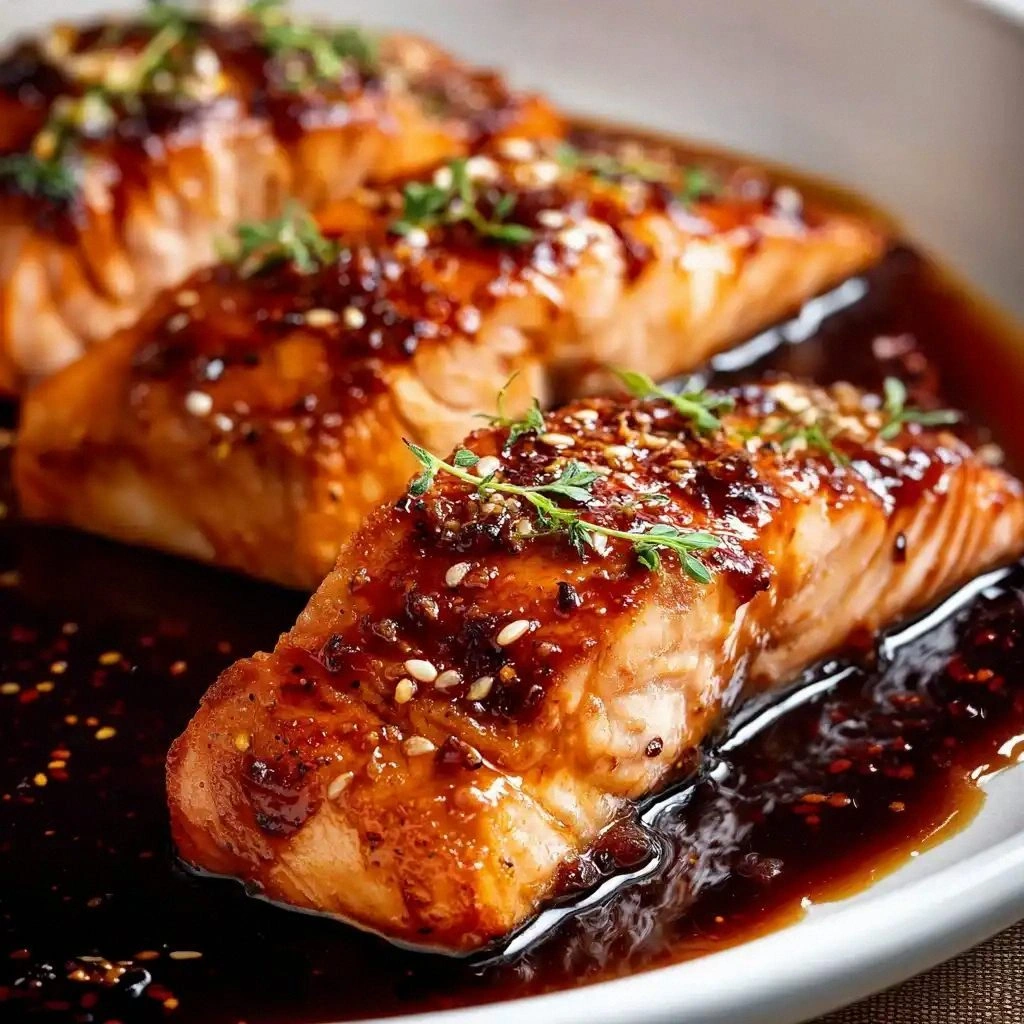
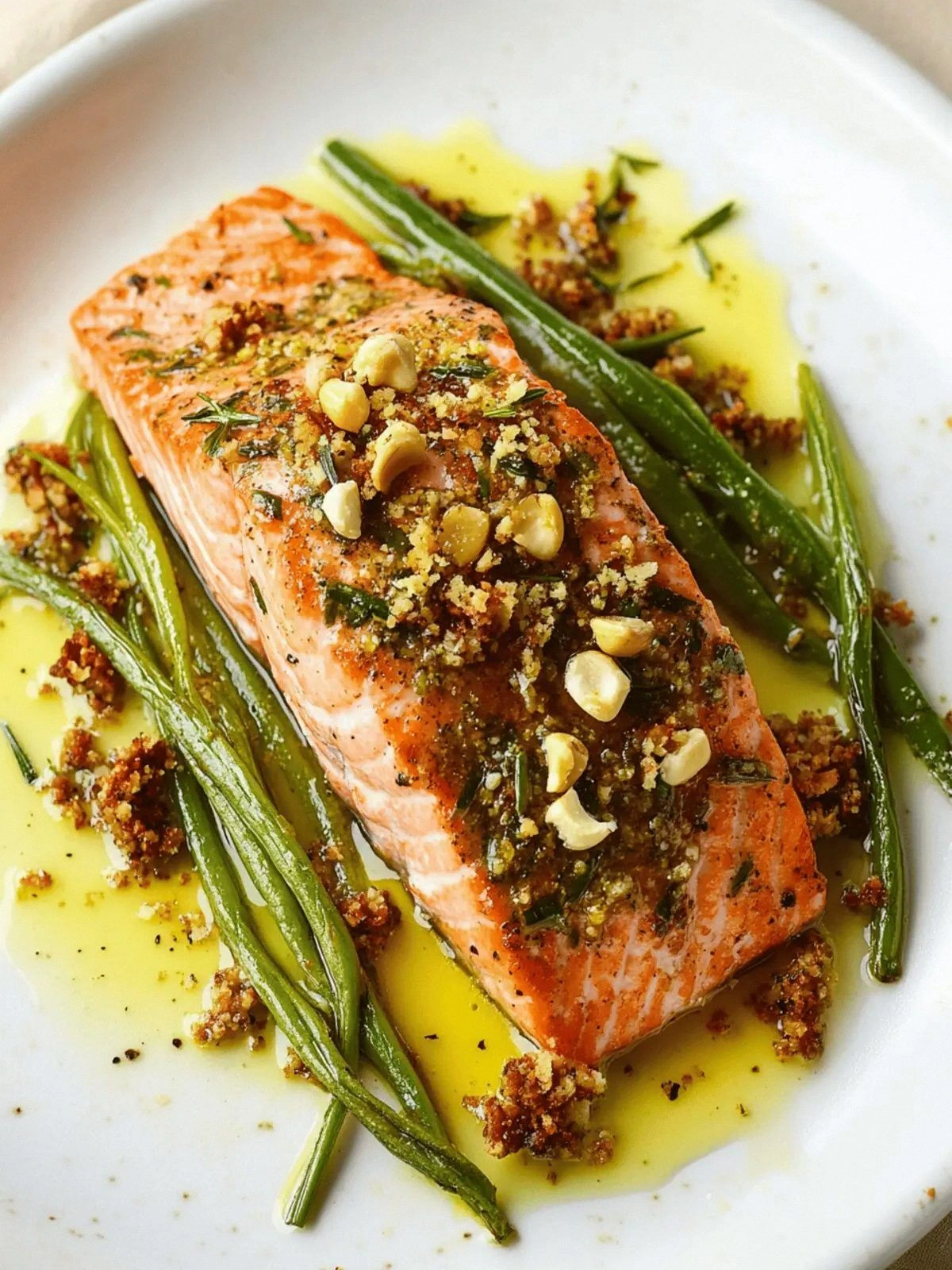
Picture the first bite: the fillet releases a buttery aroma that mingles with the sharp tang of Dijon, while a sweet honey drizzle glistens like honeyed gold on the skin. The sound is unmistakable—a gentle sizzle that crescendos into a satisfying crack as the crust crisps to a golden‑brown perfection. The texture is a harmonious dance of crisp exterior and melt‑away center, with each bite revealing a subtle crunch from the breadcrumb‑pecan coating. The flavors are layered; the honey’s sweetness cuts through the mustard’s bite, while fresh dill and parsley add a green, herby lift that keeps the palate refreshed. The final flourish is a squeeze of lemon that brightens the dish, turning the richness into a balanced, vibrant experience.
What sets this version apart is that it’s not just a recipe; it’s a revelation that turns any ordinary night into a culinary celebration. The crust is engineered for maximum crunch, thanks to a precise ratio of bread crumbs to pecans that shatters like thin ice when you bite into it. The glaze isn’t a thin sauce but a thick, velvety coating that clings to the salmon, ensuring every forkful is saturated with flavor. The use of fresh herbs instead of dried ones preserves their bright, aromatic qualities, making the dish feel fresh even if you’re cooking from a pantry. And the best part? It’s effortless—no complex techniques, just a few simple steps that yield professional‑grade results.
I dare you to taste this and not go back for seconds. This is hands down the best version you’ll ever make at home, and I’ll be honest—I ate half the batch before anyone else got a chance to try it. Picture yourself pulling this out of the oven, the whole kitchen smelling incredible, and watching guests’ faces light up as they take their first bite. Stay with me here—this is worth it. Let me walk you through every single step—by the end, you’ll wonder how you ever made it any other way.
What Makes This Version Stand Out
- Crunch: The breadcrumb‑pecan crust delivers a satisfying snap that’s as delightful to hear as it is to taste. The pecans add a nutty depth, while the crumbs provide the necessary crunch. Skipping the pecans turns the dish into a bland, crumbly affair.
- Sweet‑Savory Balance: Honey and Dijon mustard create a glaze that is both sweet and sharp, a contrast that elevates the salmon’s natural richness. The glaze coats the fillet like velvet, ensuring each bite is juicy and flavorful. Without this balance, the dish would taste one‑dimensional.
- Freshness: Fresh dill and flat leaf parsley replace dried herbs, offering bright, aromatic flavors that lift the dish. The herbs cling to the salmon, creating a fragrant finish. Using dried herbs would leave the dish feeling stale.
- Simplicity: The recipe requires no advanced techniques—just a quick pan sear and a few minutes of oven time. This simplicity makes it perfect for weeknight dinners or last‑minute entertaining. Complex recipes can be intimidating and time‑consuming.
- Crowd‑Pleaser: The combination of sweet, savory, and herbaceous notes appeals to a wide range of palates, making it ideal for family dinners or casual gatherings. Guests rave about the crispy edges that shatter like thin ice. It’s a dish that will become a staple in your menu.
- Make‑Ahead Potential: The salmon can be prepared a few hours in advance, chilled, and baked just before serving, saving you precious time on busy evenings. The glaze can be made ahead and reheated gently, preserving its flavor profile. This flexibility keeps the dish fresh and ready.
Inside the Ingredient List
The Flavor Base
Dijon mustard is the backbone of this dish, offering a piquant kick that cuts through the richness of the salmon. Its sharpness is balanced by the mellow sweetness of honey, creating a glaze that coats the fish like velvet. Skipping the mustard would strip the dish of its signature bite, leaving it bland and overly sweet.
Butter is the secret weapon that brings depth and a glossy sheen to the crust. When melted with the bread crumbs, it creates a golden, buttery coating that locks in moisture. Replacing butter with oil would reduce flavor complexity and alter the crust’s texture.
Fresh dill adds a bright, almost citrusy note that complements the lemon’s acidity. Dill’s aromatic oils release as the salmon cooks, infusing each bite with freshness. Using dried dill would result in a muted flavor profile and a less vibrant dish.
Flat leaf parsley offers a gentle, earthy undertone that balances the dish’s sweetness and acidity. Its subtle green flavor enhances the overall freshness without overpowering the other components. Skipping parsley would leave the dish feeling one‑dimensional.
The Texture Crew
Coarse dried bread crumbs provide the essential crunch that defines this recipe. Their coarse texture ensures a satisfying bite that contrasts with the tender salmon. If you use fine breadcrumbs, the crust will be soft and less appealing.
Pecans add a nutty richness and a subtle crunch that complements the breadcrumb layer. The toasted pecans bring a buttery flavor that enhances the overall taste. Omitting pecans results in a plain breadcrumb crust that lacks depth.
The lemon’s zest and juice offer a bright, acidic counterpoint to the honey’s sweetness and the butter’s richness. The lemon’s citrusy notes lift the dish, preventing it from feeling heavy. Without lemon, the glaze would taste overly sweet and cloying.
The Unexpected Star
Green beans are a surprisingly delightful side that adds color, crunch, and a subtle vegetal note. Their natural sweetness balances the savory salmon, creating a harmonious plate. Choosing another vegetable would alter the flavor profile and visual appeal.
The green beans can be blanched or sautéed to retain their vibrant green color and crispness. A quick sauté with garlic and a pinch of salt brings out their natural flavor without overwhelming the main dish. Neglecting to season the beans can lead to a bland accompaniment.
Everything's prepped? Good. Let's get into the real action.
The Method — Step by Step
- Begin by preheating your oven to 425°F (220°C). Pat the salmon fillets dry with paper towels; moisture is the enemy of a crisp crust. Season each fillet with salt and black pepper, letting the seasoning penetrate the flesh. This simple step ensures a savory foundation for the glaze.
- In a small bowl, whisk together Dijon mustard and honey until the mixture is smooth and slightly thickened. The glaze should coat the back of a spoon without running. This will form the sweet‑savory coating that defines the dish. I dare you to taste this mixture before adding it to the fillets—it's pure flavor.
- Melt 2 tablespoons of butter in a large oven‑safe skillet over medium‑high heat. Once the butter foams, spread the breadcrumb‑pecan mixture evenly across the skillet, ensuring a thick, even layer. This creates a base that will crisp up into a golden crust.
- Place the salmon fillets skin‑side down onto the breadcrumb layer. The skin helps protect the flesh from direct heat, preserving moisture. Gently press down on the fillets to ensure the crust adheres firmly to the fish. This step is crucial for a uniform, crispy edge.
- Spoon the mustard‑honey glaze over the salmon, making sure each fillet is generously coated. The glaze should cling to the surface, forming a glossy sheen as it cooks. This is the moment of truth—watch the glaze begin to bubble and caramelize.
- Transfer the skillet to the preheated oven and bake for 12–15 minutes, or until the salmon flakes easily with a fork. The crust should be golden brown, and the glaze should have caramelized slightly, creating a sweet, savory crust. The aroma will fill the kitchen—absolutely perfection.
- While the salmon bakes, prepare the green beans: trim the ends and blanch them in boiling salted water for 2 minutes, then shock them in ice water to preserve their bright green color. Pat dry and sauté with minced garlic and a pinch of salt until they’re tender yet still crisp. The beans will add a fresh, crunchy contrast to the salmon.
- Remove the skillet from the oven and let the salmon rest for 2 minutes. Squeeze fresh lemon juice over the fillets, then sprinkle chopped dill and parsley. The citrus will brighten the dish, while the herbs add a fresh, aromatic finish. Plate the salmon atop the sautéed green beans for a stunning presentation.
That's it — you did it. But hold on, I've got a few more tricks that'll take this to another level. These insider tips will help you refine the dish, avoid common pitfalls, and elevate the flavor profile even further.
Insider Tricks for Flawless Results
The Temperature Rule Nobody Follows
Many cooks bake salmon at 375°F, but 425°F is the sweet spot for a crisp crust and juicy interior. The higher temperature ensures the breadcrumb layer browns quickly without overcooking the fish. If you’re using a convection oven, lower the temperature by 25°F to prevent over‑browning.
Why Your Nose Knows Best
Trust the aroma—when the glaze starts to bubble and the crust turns a deep golden brown, you’re in the zone. The scent will tell you when the salmon is perfectly cooked, saving you from guessing based on time alone. I once missed the mark because I relied solely on the timer; the nose is a more reliable guide.
The 5-Minute Rest That Changes Everything
Letting the salmon rest for just five minutes after baking allows the juices to redistribute, ensuring each bite stays moist. A quick rest also lets the glaze set slightly, making the crust easier to cut. Skipping this step can result in a soggy crust.
Sautéing Green Beans with Garlic
Adding a splash of olive oil and minced garlic to the green beans before sautéing infuses them with flavor that complements the salmon’s richness. The garlic also adds a subtle heat that balances the sweetness of the glaze. If you’re short on time, a quick blanch will still work but will lack depth.
Finishing Touch: Lemon Zest
Grate a bit of lemon zest over the finished dish to add a bright, citrusy aroma that lifts the entire plate. The zest’s essential oils enhance the fresh herbs and cut through the buttery crust. It’s a small step that makes a big difference.
Creative Twists and Variations
This recipe is a playground. Here are some of my favorite ways to switch things up:
Citrus Burst
Swap the lemon for a mix of orange and lime zest, and add a splash of orange juice to the glaze. The citrus will add a sweet, tangy brightness that pairs beautifully with the honey. This variation is perfect for summer gatherings.
Spicy Kick
Add a teaspoon of crushed red pepper flakes to the glaze for a subtle heat that contrasts with the sweetness. The pepper’s heat will awaken the palate, making the dish more dynamic. Use sparingly to avoid overpowering the delicate flavors.
Herbaceous Delight
Replace dill with fresh basil and add chopped mint to the garnish. The herbal freshness will give the dish a Mediterranean flair. This version works well with a side of couscous.
Nutty Crunch
Use walnuts instead of pecans for a slightly bitter, earthy crunch. The walnuts’ robust flavor complements the honey, creating a more complex profile. Toast the walnuts lightly before adding them to the breadcrumb mixture.
Gluten‑Free Twist
Swap the coarse bread crumbs for crushed gluten‑free crackers or puffed quinoa. The texture remains crisp, while the dish stays gluten‑free. This is ideal for guests with dietary restrictions.
Vegan Version
Replace the salmon with thick slices of marinated tofu or tempeh, and use vegan butter or coconut oil. The glaze will still caramelize beautifully, and the tofu will absorb the flavors. This variation offers a plant‑based alternative that’s equally satisfying.
Storing and Bringing It Back to Life
Fridge Storage
Store the cooked salmon in an airtight container in the refrigerator for up to 3 days. Keep the glaze on the side or in a separate container to avoid the crust becoming soggy. When reheating, place the salmon on a baking sheet and warm at 300°F for 8–10 minutes.
Freezer Friendly
Wrap the salmon fillets individually in plastic wrap and place them in a freezer bag. This prevents freezer burn and preserves flavor. Freeze for up to 2 months; thaw overnight in the refrigerator before reheating.
Best Reheating Method
Reheat in a preheated oven at 300°F until warmed through, about 10 minutes. Add a splash of water or broth to the pan to keep the fish moist. Finish with a quick drizzle of fresh lemon juice to restore brightness.