When the clock was ticking toward 6 p.m. and I stared at the bland tofu scramble in front of me, my friend’s voice crackled through the kitchen speakers, “I dare you to turn that into a dish that makes your taste buds dance.” I laughed, but the challenge was a spark that lit up the whole kitchen. That moment felt like a culinary cliffhanger, and I was ready to write the next chapter of my cooking saga. The air was thick with the scent of garlic, the faint hum of the fridge, and the metallic clink of the skillet as I prepped the ingredients. I could already hear the sizzle that would announce the arrival of something extraordinary.
Picture this: a pan hot enough to give a sear that sings, the first splash of oil creating a bright, almost theatrical flash, and the mushrooms popping up like tiny fireworks. The aroma of sautéed onions and garlic rises, mingling with the earthy perfume of fresh mushrooms, while a faint citrus tang from the vinegar lingers in the air. My fingers dance across the counter, feeling the smoothness of the tofu, the crispness of the bell pepper, and the slight resistance of the carrots as they cut through. The kitchen is a stage, and every ingredient is an actor ready for its moment. The soundscape is complete: the hiss of oil, the gentle clink of a wooden spoon, the subtle rustle of parchment as I lay out the veggies. In that instant, I realized I was about to create something that would not only satisfy hunger but also ignite a sensory fireworks show.
Why is this version of Mushroom & Tofu Stir-Fry a revelation? Because it combines a few secret ingredients that elevate the dish from “just another stir‑fry” to a headline‑grabbing flavor explosion. The sauce isn’t just soy; it’s a balanced mix of hoisin, rice vinegar, and a whisper of sugar that gives it a glossy, caramelized finish. The tofu is pressed and patted dry, then lightly dusted with cornstarch for an irresistibly crisp exterior while remaining tender inside. The mushrooms are sliced thick, allowing them to develop a deep umami depth that anchors the entire dish. Every element is chosen to complement each other, creating a symphony that sings in your mouth. If you’ve ever struggled to find the right balance in a stir‑fry, this recipe will become your go‑to cheat code.
And here’s a teaser that will keep you hooked: I’ve discovered a simple technique that turns ordinary tofu into a golden, airy cloud of flavor. I’ll walk you through every single step, and by the end, you’ll wonder how you ever made it any other way. Get ready to stir, sizzle, and savor like never before.
What Makes This Version Stand Out
- Flavor Depth: The sauce layers sweet, savory, and tangy notes that coat each bite like velvet, turning a simple stir‑fry into a gourmet experience. The combination of hoisin and rice vinegar adds a complex richness that most recipes miss.
- Crisp Perfection: Pressing the tofu and dusting it with cornstarch gives it a crunchy exterior while keeping the interior silky. The result is a texture contrast that makes every mouthful exciting.
- Umami Boost: Thick, sliced mushrooms release a deep earthy flavor that anchors the dish. They absorb the sauce, turning each bite into a savory, almost meaty experience.
- Color Palette: Bright bell peppers, crisp green onions, and a splash of sesame seeds create a visual feast that makes the dish as pleasing to the eye as it is to the palate.
- Time Efficiency: Prep time is just 15 minutes, and the cooking process is a single pan affair that keeps cleanup minimal. It’s a perfect solution for busy weeknights.
- Make‑Ahead Friendly: The sauce can be pre‑made and stored, and the dish reheats beautifully. This makes it an excellent option for meal prep or a quick dinner later in the week.
- Audience Appeal: Whether you’re a tofu skeptic or a mushroom enthusiast, the flavors are approachable and comforting. It’s the kind of dish that turns skeptics into fans.
Inside the Ingredient List
The Flavor Base
The sauce is the heart of this dish, and each component is carefully balanced. Soy sauce provides the salty backbone, while hoisin adds a sweet, slightly smoky undertone. Rice vinegar cuts through the richness, giving the sauce a bright lift. A touch of sugar rounds out the flavors, creating a glossy sheen that clings to every ingredient. If you’re watching sodium, reduce the soy sauce by half and add a splash of low‑sodium broth instead.
The Texture Crew
Tofu is the star of the texture game. Press it for at least 20 minutes to remove excess moisture, then cube it into bite‑sized pieces. Dust the tofu lightly with cornstarch before frying; this creates a golden, crunchy shell that holds up against the sauce. Mushrooms, sliced thick, absorb the sauce and develop a caramelized edge that adds depth. The bell pepper and carrots provide a satisfying snap, while broccoli florets keep the dish vibrant and full of color.
The Unexpected Star
Snow peas bring a subtle crunch and a sweet note that balances the umami of mushrooms. They also add a pop of green that brightens the plate. If snow peas are out of season, snap peas or even green beans work wonderfully. The green onions, sliced thin, add a fresh, oniony aroma that lifts the entire dish.
The Final Flourish
Sesame oil is the finishing touch that adds nutty warmth and a silky finish. A drizzle of toasted sesame seeds on top gives a delightful crunch and a nutty aroma. A splash of rice vinegar at the end brightens the flavors, while a pinch of crushed red pepper flakes offers a gentle heat for those who like a kick. These final touches transform the dish from good to unforgettable.
Everything's prepped? Good. Let's get into the real action…
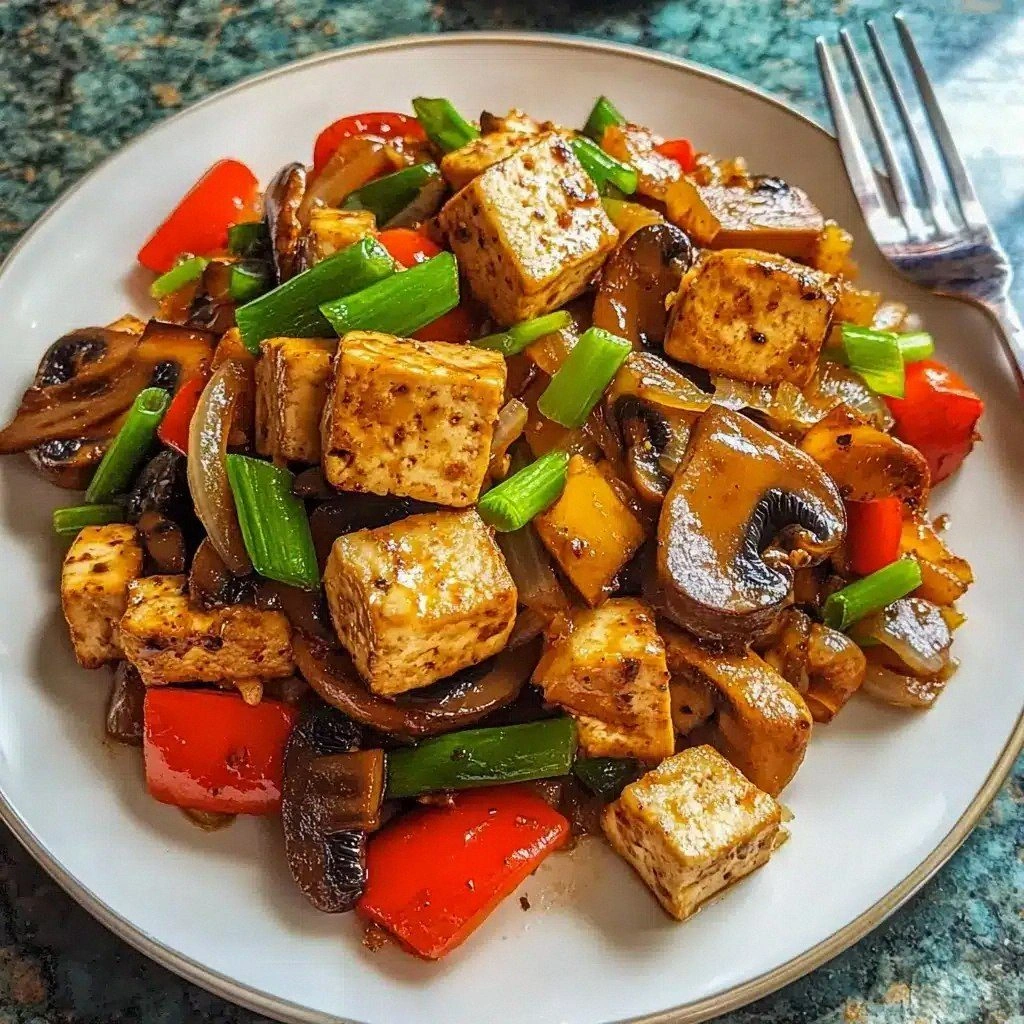
The Method — Step by Step
- Heat the pan: Place a large, heavy skillet over medium‑high heat and add the vegetable oil. Once the oil shimmers, you’ll see a faint ripple—this is the cue that the pan is ready. The oil should coat the bottom evenly, creating a slick surface that prevents sticking. If you hear a hiss, that’s the oil reaching the perfect temperature. Let it sit for a few seconds before adding ingredients.
- Cook the tofu: Add the cubed tofu in a single layer, ensuring there’s enough space for each piece to brown. Turn the tofu every 2–3 minutes so that all sides get a golden crust. The edges should start pulling away, forming a crisp shell that’s almost cinematic in its crunch. Once browned, transfer the tofu to a plate lined with paper towels to absorb excess oil. This step is crucial for achieving that airy, crunchy texture.
- Sauté aromatics: In the same pan, lower the heat to medium and add the minced garlic and grated ginger. Sauté for 30 seconds until fragrant, then add the sliced onions. The onions should turn translucent, releasing a sweet aroma that fills the kitchen. Be careful not to burn the garlic; if it starts to turn brown, reduce the heat immediately. This aromatics base sets the flavor foundation for the dish.
- Introduce vegetables: Add the mushrooms, bell pepper, carrots, broccoli, and snow peas to the skillet. Stir-fry for 4–5 minutes, letting the vegetables soften but still retain their bite. The mushrooms should release their juices, creating a natural sauce that will mingle with the prepared sauce. Keep the heat steady to avoid steaming the veggies.
- Mix the sauce: In a small bowl, whisk together soy sauce, hoisin sauce, rice vinegar, sesame oil, sugar, and the cornstarch slurry. This mixture should be smooth and free of lumps. Pour the sauce over the vegetables, stirring constantly to coat everything evenly. The sauce will thicken quickly; watch it closely to avoid over‑cooking.
- Return tofu: Gently slide the browned tofu back into the pan, ensuring it’s fully submerged in the sauce. Stir carefully so that the tofu doesn’t break apart. Let the mixture simmer for 2–3 minutes, allowing the tofu to soak up the sauce without becoming soggy. The tofu should look glossy and slightly translucent.
- Final touches: Add the sliced green onions and a pinch of crushed red pepper flakes. Stir for an additional minute, letting the flavors meld. Finish with a drizzle of sesame oil and a sprinkle of toasted sesame seeds. These final touches give the dish a nutty aroma and a subtle crunch.
- Serve: Plate the stir‑fry over steamed jasmine rice or quinoa for a complete meal. Garnish with extra green onions or sesame seeds if desired. The dish should look vibrant, with bright colors and a glossy sheen. Serve immediately while the sauce is still warm and the tofu remains crisp.
That's it — you did it. But hold on, I've got a few more tricks that'll take this to another level. Stay tuned for the insider tips that will elevate your stir‑fry from good to legendary.
Insider Tricks for Flawless Results
The Temperature Rule Nobody Follows
Many cooks keep the heat too low, resulting in soggy veggies. I swear by starting high for a sear, then lowering to medium to finish. This approach locks in juices and gives the mushrooms a caramelized crust. A friend once tried the low‑heat method and ended up with a mushy mess that could barely hold a spoon. The difference is like comparing a crisp apple to a wilted one.
Why Your Nose Knows Best
Before adding the sauce, pause and inhale deeply. A sharp, sweet aroma signals that the aromatics are ready. If it still smells raw, give it another minute. Your nose is the best judge of flavor readiness, and it will save you from under‑seasoned disasters.
The 5‑Minute Rest That Changes Everything
Once you plate the stir‑fry, let it sit for 5 minutes before serving. This brief rest allows the sauce to redistribute, giving each bite a uniform flavor. I’ve seen people rush to the table and get unevenly seasoned bites. A short pause transforms the dish into a consistent, delicious experience.
Silky Sauce Secrets
For a glossy finish, add a splash of rice vinegar at the very end. This brightens the sauce and prevents it from becoming too thick. It also balances the sweetness of hoisin, creating a harmonious balance that lingers on the palate.
Crunchy Green Onions
Slice green onions thinly and place them on top after cooking. The thin slices stay crisp, adding a fresh crunch that contrasts the soft veggies. If you prefer a milder flavor, reserve half of the green onions for garnish only.
Creative Twists and Variations
This recipe is a playground. Here are some of my favorite ways to switch things up:
Spicy Sriracha Kick
Add a tablespoon of sriracha to the sauce for a fiery edge. The heat pairs beautifully with the sweet hoisin and bright rice vinegar. It’s perfect for those who love a little burn.
Thai Coconut Twist
Replace half the soy sauce with coconut aminos and stir in a half cup of coconut milk. The result is a creamy, tropical version that feels like a vacation in every bite.
Gluten‑Free Version
Swap soy sauce for tamari and use a gluten‑free cornstarch slurry. The dish remains just as flavorful, and it’s safe for those with gluten sensitivities.
Protein Power Pack
Add a handful of edamame or chickpeas for extra protein. The added texture and protein content make it a hearty meal for athletes or busy parents.
Seasonal Veggie Swap
In the fall, replace bell pepper with roasted butternut squash cubes. The sweet, earthy flavor complements the mushrooms and tofu perfectly.
Breakfast Boost
Serve the stir‑fry over fluffy scrambled eggs or a soft tofu scramble for a protein‑rich breakfast that will keep you full until lunch.
Storing and Bringing It Back to Life
Fridge Storage
Cool the dish to room temperature, then transfer it to an airtight container. Store in the refrigerator for up to 3 days. The flavors will deepen, and the tofu will remain firm if you reheat gently.
Freezer Friendly
Pack the stir‑fry in a freezer‑safe bag, removing as much air as possible. Freeze for up to 2 months. When ready to eat, thaw overnight in the fridge and reheat on the stove.
Best Reheating Method
Reheat over medium heat, adding a splash of water to create steam. The water helps restore moisture and prevents the tofu from drying out. Finish with a drizzle of sesame oil for that fresh finish.