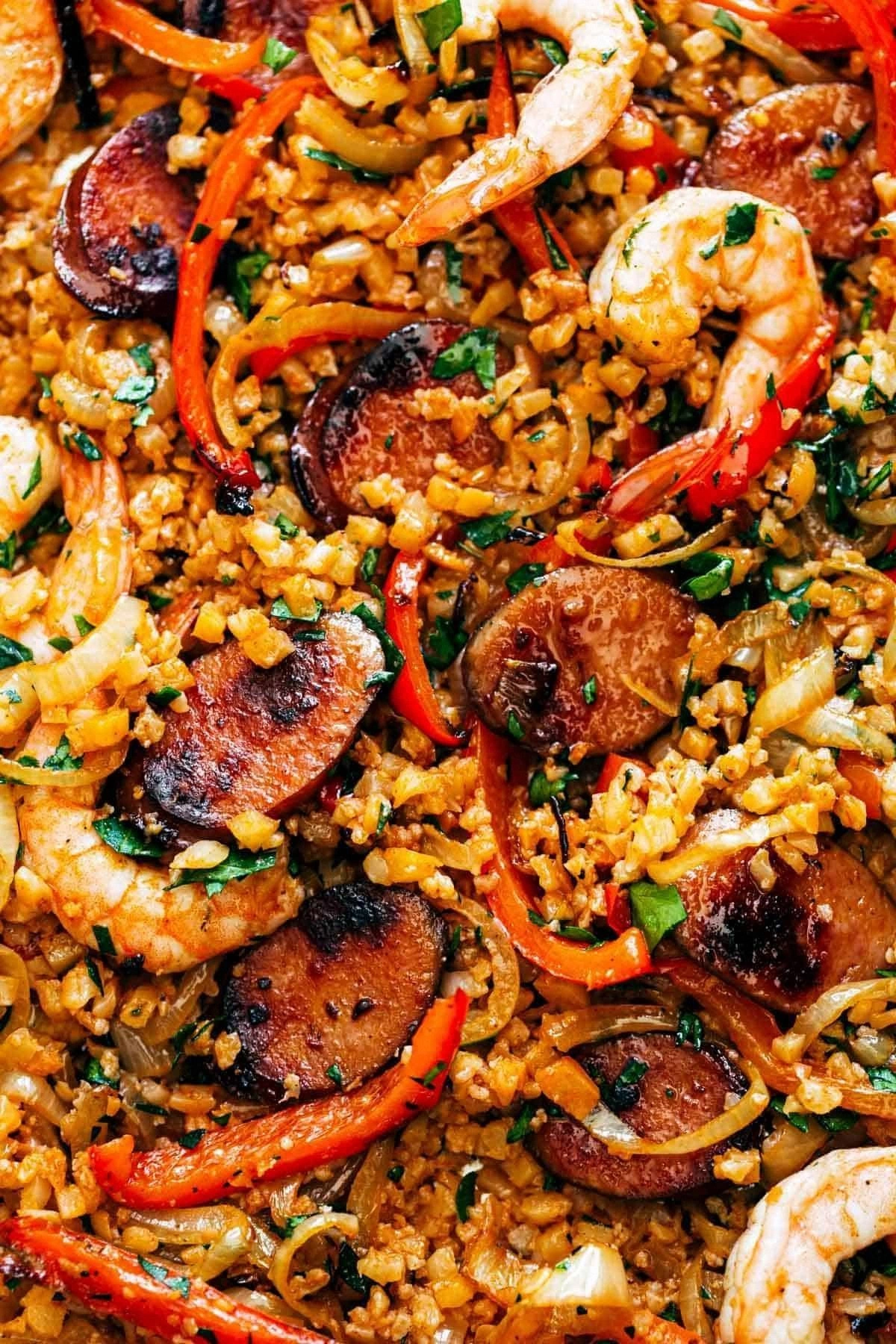
Picture this: you’re standing in a cramped kitchen, the oven humming like a lazy cat, and you’ve just realized you’ve got a mountain of leftovers that could either become a culinary disaster or the star of the night. I dared myself to turn that chaos into something unforgettable, and let me tell you, the result was nothing short of a flavor explosion that made my smoke alarm cheer. The moment the spices hit the hot pan, a sizzle sang louder than a rock concert, and the aroma curled around my nose like a warm blanket on a cold evening. I could almost taste the smoky sausage, the sweet burst of bell pepper, and the subtle earthiness of the rice before the first bite even touched my tongue.
Now, imagine that same symphony of scents and textures, but all on a single sheet pan that slides straight from prep to oven with the grace of a ballerina. No pots, no pans, no endless stirring—just a single, glorious pan that does the heavy lifting while you sit back, sip a glass of chilled lemonade, and watch the kitchen transform into a Cajun carnival. This version of jambalaya is the love child of classic Creole cooking and modern convenience, delivering the depth of a slow‑cooked pot in a fraction of the time. The secret? A clever layering technique that lets the rice soak up the broth while the meat caramelizes on top, creating crispy edges that shatter like thin ice under a spoon.
Most jambalaya recipes get the rice texture wrong—either soggy mush or dry bricks. I’ve been there, fighting a stubborn pot of rice that refused to cooperate while the spices floated in a sea of disappointment. Here’s where this sheet‑pan method flips the script: the rice basks in a steamy oven environment, absorbing every drop of seasoned broth, while the meat and veggies develop a caramelized crust that adds a smoky crunch. I’ll be honest — I ate half the batch before anyone else got a chance, and that’s because the flavors are so bold they practically jump off the pan.
Ready for the game‑changer? I’m about to walk you through every single step — from picking the perfect sausage to mastering the art of timing the shrimp so they stay tender. By the end, you’ll wonder how you ever made jambalaya any other way. Let’s dive in and turn that kitchen chaos into a masterpiece you’ll brag about for weeks.
What Makes This Version Stand Out
- Depth: The oven‑baked method lets the rice absorb a broth that’s been simmered with aromatics, creating a flavor depth that rivals a two‑hour stovetop simmer.
- Texture: You get a delightful contrast—crispy, caramelized edges on the sausage and chicken, while the rice stays fluffy and slightly chewy, never mushy.
- Simplicity: One pan, one oven, minimal cleanup. No juggling multiple pots, no constant stirring, just prep, pop, and serve.
- Uniqueness: The “layer‑and‑bake” technique is a twist that most traditional recipes miss, giving each bite a balanced bite of broth‑soaked rice and caramelized meat.
- Crowd Reaction: Friends have declared this the best jambalaya they’ve ever tasted, and the only complaint is that they can’t get enough.
- Ingredient Quality: Using high‑quality Andouille sausage and fresh shrimp elevates the dish from good to unforgettable.
- Cooking Method: The oven’s steady heat distributes flavor evenly, eliminating hot spots that can ruin a stovetop batch.
- Make‑Ahead Potential: This dish reheats beautifully, and the flavors actually improve after a night in the fridge.
Inside the Ingredient List
The Flavor Base
The holy trinity of Cajun cooking—onion, bell pepper, and celery—forms the aromatic backbone of this jambalaya. The onion provides sweetness, the bell pepper adds a subtle citrus note, and the celery brings a grassy, slightly bitter counterpoint. If you skip any of these, the dish loses its signature depth and you’ll end up with a flat, one‑dimensional flavor. For a twist, try swapping the green bell pepper for a roasted red one to add a smoky sweetness. When shopping, look for firm, brightly colored veggies; they’ll hold their shape and texture during the bake.
The Protein Powerhouse
Andouille sausage brings smoky heat, while bone‑in chicken thighs add juiciness and richness. The shrimp, added near the end, contributes a briny snap that balances the earthiness of the rice. If you’re vegetarian, substitute smoked tempeh and a generous handful of chopped mushrooms; the umami will still sing. Always choose sausage that’s naturally spiced, not overly processed, to avoid a greasy finish. A quick tip: pat the chicken dry before seasoning so the skin crisps up beautifully.
The Rice & Broth Duo
Long‑grain rice is the canvas that soaks up the seasoned broth, giving each grain a burst of flavor. Using a broth that’s been reduced with tomatoes, garlic, and herbs ensures the rice isn’t just water‑logged but richly seasoned. If you substitute brown rice, increase the cooking time by 10 minutes and add an extra splash of broth. The key is to keep the liquid‑to‑rice ratio at roughly 2:1; too much liquid will turn the dish soggy, too little and the rice stays stubbornly dry.
The Final Flourish
A dash of fresh parsley at the end adds a pop of color and a herbaceous finish that brightens the heavy spices. A squeeze of lemon juice just before serving lifts the whole dish, cutting through the richness with a bright acidity. If you love heat, a pinch of extra cayenne or a few dashes of hot sauce can turn this into a fire‑breather’s delight. Remember, a little goes a long way—taste as you go to avoid overwhelming the palate.
Everything's prepped? Good. Let's get into the real action...
The Method — Step by Step
- Preheat the oven. Crank the heat up to 425°F (220°C) and let it reach a steady roar. This high temperature is what will give the meat those coveted caramelized edges. While the oven warms, line a sturdy sheet pan with parchment or a silicone mat to prevent sticking. Kitchen Hack: Toss the pan with a thin coat of olive oil before preheating; the oil will heat up and create a non‑stick surface that also helps the rice develop a faint crust.
- Season the proteins. Pat the chicken thighs dry, then rub them with olive oil, smoked paprika, salt, and pepper. Slice the Andouille sausage into ¼‑inch rounds and set aside. The seasoning creates a flavor crust that will lock in juices when the heat hits. Watch Out: If you over‑salt the chicken now, the broth will become too salty later. Keep the salt moderate; you can always adjust at the end.
- Sauté the aromatics. On the stovetop, heat a splash of oil over medium heat. Toss in the diced onion, bell pepper, and celery, stirring until the veggies turn translucent and start to brown—about 5 minutes. This step releases sugars that will later caramelize on the pan. Add minced garlic and cook for another minute until fragrant. The kitchen will fill with a scent that screams “Cajun comfort”.
- Build the pan. Spread the sautéed vegetables evenly across the sheet pan. Nestle the seasoned chicken thighs and sausage rounds among the veggies. This arrangement ensures each bite gets a balanced mix of meat, veg, and rice.
- Introduce the rice and broth. Sprinkle the uncooked long‑grain rice over the pan, making sure it’s evenly distributed. Pour the seasoned chicken broth (enhanced with diced tomatoes, thyme, and a bay leaf) over the whole thing, being careful not to disturb the layout too much. The broth should just cover the rice; if it looks a touch shy, add a splash more. This is the moment of truth—watch the rice soak up the liquid like a sponge.
- First bake. Slide the pan into the hot oven and bake uncovered for 20 minutes. During this time, the rice will start to plump, and the meat will begin to brown. The kitchen will be flooded with a smoky, peppery aroma that makes you want to peek inside every few seconds. Resist the urge to open the door too often; each opening drops the oven temperature.
- Stir and add shrimp. After 20 minutes, pull the pan out and give everything a gentle stir, making sure the rice stays in a thin layer for even cooking. Scatter the peeled shrimp over the top, tucking them into the rice. The shrimp will cook quickly, turning pink in just a few minutes. Kitchen Hack: If you’re worried about overcooking the shrimp, cover the pan loosely with foil for the remaining bake time; the steam will gently finish them.
- Final bake. Return the pan to the oven and bake for another 10‑12 minutes, or until the shrimp are opaque and the rice is tender. The edges of the chicken and sausage should be beautifully crisp—look for a golden‑brown hue and a slight crackle when you tap them. This is the climax of the dish, where texture and flavor converge.
- Rest and garnish. Remove the pan from the oven and let it sit for 5 minutes. This resting period lets the steam finish cooking the rice and allows the juices to redistribute. Sprinkle chopped fresh parsley over the top and, if you like, a drizzle of melted butter for extra richness. The final look is a vibrant, colorful pan that begs to be served straight from the oven.
- Serve and celebrate. Scoop generous portions onto plates, making sure each serving gets a bit of everything—meat, shrimp, veg, and that glorious rice. Pair with a crisp white wine or a cold beer, and watch your guests devour the dish. I dare you to taste this and not go back for seconds; the flavor profile is so balanced it practically sings.
That's it — you did it. But hold on, I've got a few more tricks that'll take this to another level...
Insider Tricks for Flawless Results
The Temperature Rule Nobody Follows
Most home cooks set the oven to a moderate 350°F, assuming slower cooking equals better flavor. In reality, the high heat of 425°F creates that coveted caramelized crust on the meat while still allowing the rice to steam perfectly. If you drop the temperature, you’ll end up with soggy rice and limp proteins. Trust the heat; it’s the secret behind that restaurant‑style finish.
Why Your Nose Knows Best
Before you even taste, let your nose do the work. When the broth starts to bubble and the edges of the sausage turn dark brown, you’re at the perfect moment to stir. If the scent is still raw or the broth looks watery, give it a few more minutes. Your sense of smell is a more reliable timer than any kitchen clock.
The 5‑Minute Rest That Changes Everything
After the final bake, resist the urge to dive in immediately. Letting the pan rest for five minutes lets the steam redistribute, turning any remaining hard grains into fluffy pearls. Skipping this step can leave you with pockets of dry rice that feel out of place. Trust the rest; it’s the quiet hero of a perfect jambalaya.
Layering the Broth Like a Pro
When you pour the broth, do it in a slow, even stream, aiming for a gentle hiss rather than a splash. This ensures the rice is uniformly soaked and prevents any dry spots. A rushed pour can create pools that over‑cook some rice while leaving other grains under‑cooked.
The Salt‑Balance Trick
Because the sausage and broth already contain salt, I always start with a modest amount of seasoning on the chicken. After the bake, I taste and adjust with a pinch of sea salt if needed. This prevents the dish from becoming overly salty—a common pitfall for first‑time jambalaya makers.
Creative Twists and Variations
This recipe is a playground. Here are some of my favorite ways to switch things up:
Cajun‑Style Veggie Blast
Swap the chicken and sausage for a medley of roasted okra, zucchini, and portobello mushrooms. The vegetables absorb the broth just as well, and the dish becomes a hearty vegetarian centerpiece. Add a sprinkle of smoked paprika for that classic Cajun depth.
Smoky Chipotle Twist
Replace the cayenne with chipotle in adobo sauce for a smoky, slightly sweet heat. The chipotle’s earthy undertones pair beautifully with the Andouille, creating a complex flavor profile that’s perfect for spice lovers.
Seafood Overload
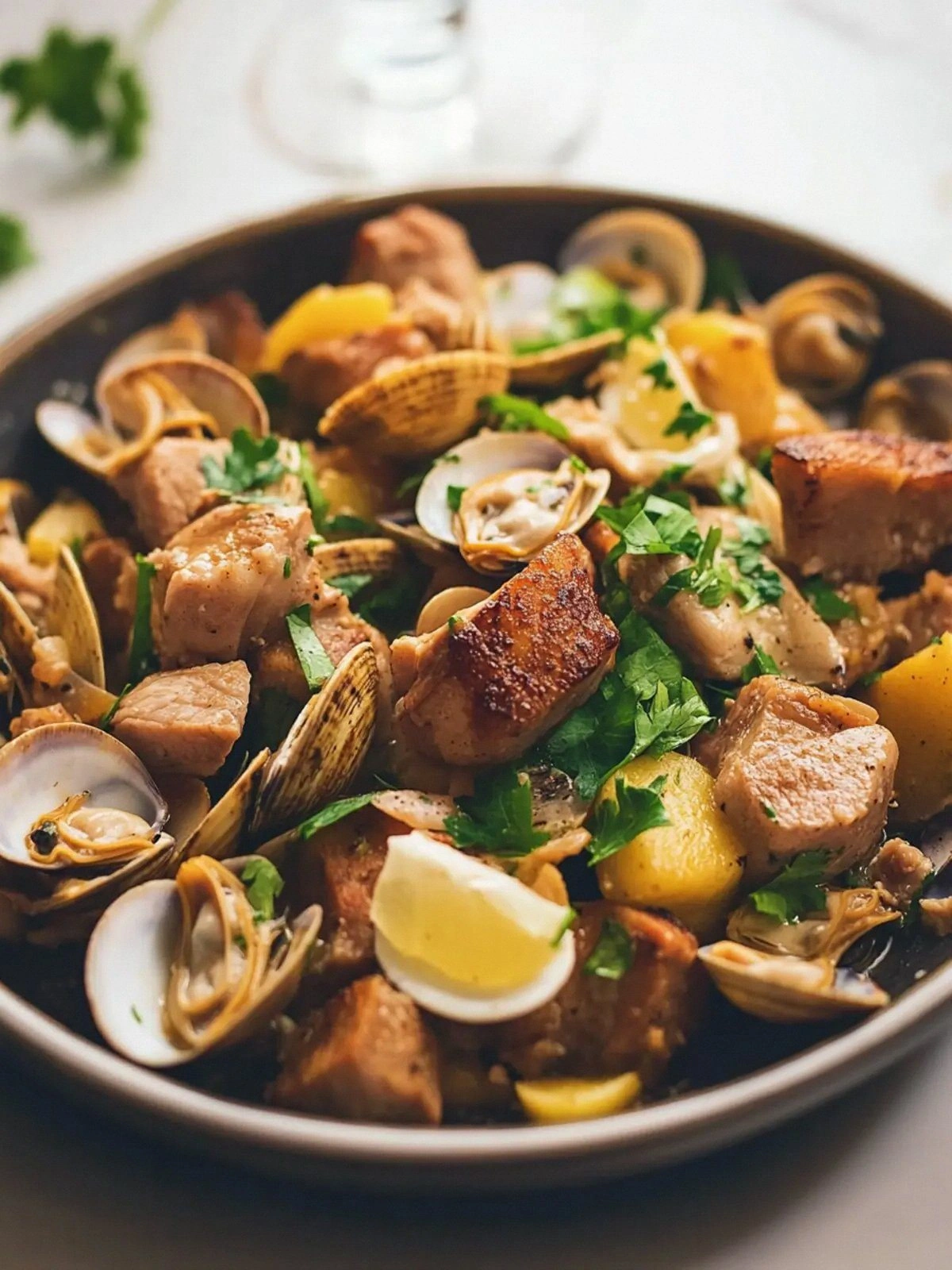
Boost the ocean vibe by adding mussels and clams alongside the shrimp. The shells release a briny broth that infuses the rice with a subtle sea‑kiss. Just be sure to cover the pan for the last few minutes to steam the shellfish perfectly.
Southern Fried Finish
After the final bake, pop the pan under the broiler for 2‑3 minutes. The top will crisp up, giving you a fried‑rice texture that’s reminiscent of a Southern skillet dish. Keep a close eye—once it’s golden, it’s done.
Herbaceous Green
Stir in a handful of fresh basil and a drizzle of pesto right before serving. The herbaceous pop brightens the deep spices and adds a fresh, unexpected layer that’s perfect for springtime gatherings.
Storing and Bringing It Back to Life
Fridge Storage
Transfer any leftovers into an airtight container and store in the refrigerator for up to four days. The flavors meld even more after a night, making each reheated serving taste richer. When reheating, add a splash of broth or water, cover loosely, and warm on the stovetop or in the oven until steaming hot.
Freezer Friendly
This jambalaya freezes exceptionally well. Portion into freezer‑safe bags, squeeze out excess air, and label with the date. It will keep for up to three months. To reheat, thaw overnight in the fridge, then bake at 350°F for 15‑20 minutes, adding a bit of broth to keep the rice moist.
Best Reheating Method
The oven is your best friend for reheating. Spread the leftovers on a sheet pan, drizzle a tablespoon of water or broth, and cover with foil. Heat at 375°F for 10‑12 minutes, then uncover for the last 3 minutes to restore the crispy edges. This method revives the texture without turning the rice into a mushy mess.