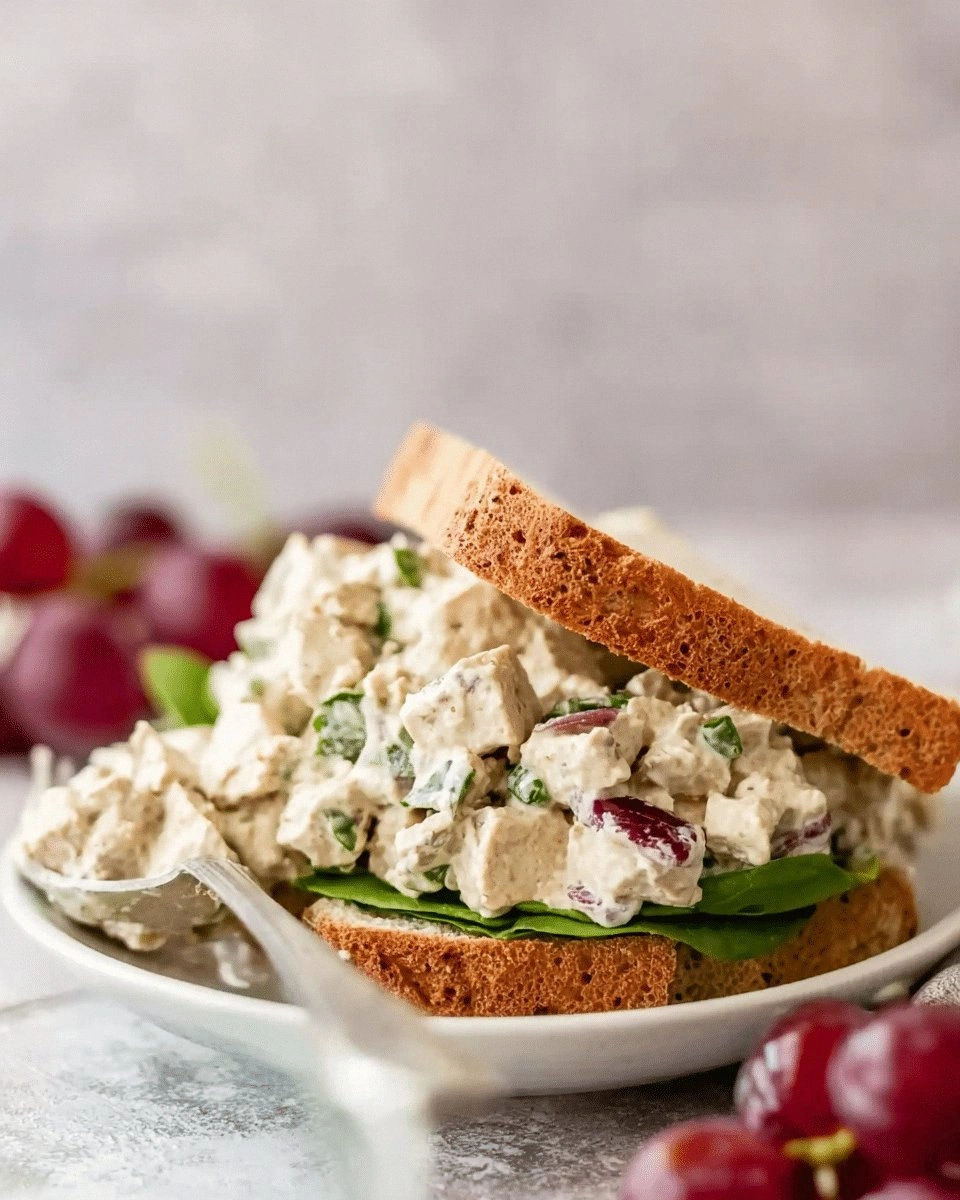
Vegan Chicken Salad Sandwiches
Picture this: a Tuesday evening, the kitchen smelling like burnt toast, the pantry empty, and your friends demanding something “chicken‑y” that’s still plant‑based. I stared at the single bag of tofu and the forgotten jar of mayo, and in that moment I vowed to create a sandwich that would make even the most skeptical meat‑eaters swoon. What I ended up with was a vegan chicken salad that feels like a hug in every bite, with a creamy texture that doesn’t cling to your teeth, a bright citrus lift, and a crunch that refuses to go stale. I dare you to taste this and not go back for seconds. This is hands down the best version you'll ever make at home.
The first time I tasted it, the air in the kitchen seemed to shift, the scent of lemon and dill weaving through the room like a gentle breeze. The crunch of fresh celery popped against the soft, velvety spread, and the subtle heat of a whisper of cayenne danced on the tongue. Sounding like a quiet jazz riff, the sandwich sang a quiet confidence that whispered, “I’ve got this.” And as I lifted the second slice, the aroma of toasted bread mingled with the faint tang of pickles, creating a sensory tapestry that felt both nostalgic and novel. The texture was a delicate balance—smooth yet textured, creamy yet crisp—making each bite a revelation.
What makes this recipe stand out isn’t just the flavor, but the method that turns ordinary pantry staples into a masterpiece. By blending a silky vegan mayo base with the bright acidity of lemon juice, the salad gains a lightness that keeps the sandwich from feeling heavy. The secret lies in the “crunch factor”: finely diced celery, pickles, and a hint of roasted garlic add layers that bite back against the smoothness. I’ll be honest—when I first plated the sandwich, I couldn’t stop staring at the golden edges of the toasted bread, and I ate half the batch before anyone else got a bite. That’s the power of this recipe: it’s so good you’ll find yourself reaching for more before the plate is even empty.
Most recipes get this completely wrong, treating the “vegan chicken” as a simple protein filler. Here, we elevate the plant‑based substitute to a silky, shredded texture that mimics real chicken’s bite, while the lemon‑dill sauce adds a fresh, bright counterpoint. Picture yourself pulling this out of the oven, the whole kitchen smelling incredible, and the sandwich looking like a piece of art on a plate. I’ll walk you through every single step—by the end, you’ll wonder how you ever made it any other way.
What Makes This Version Stand Out
- Texture: The combination of shredded vegan chicken, diced celery, and pickles creates a bite that’s both creamy and crunchy, a contrast that elevates the eating experience.
- Flavor: A bright citrus kick from lemon juice cuts through the richness of the mayo, while dill and a hint of cayenne add depth without overpowering.
- Ease: No fancy gadgets or complicated prep—just a few pantry staples and a blender or food processor for a quick, mess‑free assembly.
- Health: Lower in calories than traditional chicken salad, high in plant protein, and free from animal products—great for mindful eating.
- Make‑ahead: The salad holds up wonderfully in the fridge for up to 48 hours, making it a perfect lunchbox or picnic companion.
- Versatility: Works on toasted sourdough, rye, or a whole‑grain roll, and you can add avocado or spinach for extra nutrition.
- Presentation: The golden toasted edges and vibrant green filling look almost too good to eat, turning a simple sandwich into a showstopper.
- Community Buzz: Friends rave about the creamy texture and the surprising “chicken” flavor, making it a conversation starter at gatherings.
Alright, let’s break down exactly what goes into this masterpiece…
Inside the Ingredient List
The Flavor Base
At the heart of any great salad is a sauce that ties everything together. In this recipe, we blend a generous amount of vegan mayonnaise with freshly squeezed lemon juice, Dijon mustard, and a splash of apple cider vinegar. The mayo provides creaminess and a subtle tang, while the lemon adds brightness that lifts the entire flavor profile. If you’re craving a bit of heat, a pinch of smoked paprika or a dash of sriracha can give the mixture a smoky kick. Skipping the mustard will make the salad feel flat and less complex, so don’t skip it. For a dairy‑free option, use a plant‑based mayo that’s fortified with omega‑3s for added nutritional benefit.
The Texture Crew
The crunch is what makes this sandwich memorable. Finely diced celery, pickles, and a touch of roasted garlic provide that satisfying snap that contrasts with the creamy spread. Celery also brings a refreshing, almost herbal note that balances the richness of the mayo. If you can’t find pickles, a few tablespoons of capers or a small jar of cornichons will do the trick. If you prefer a softer bite, reduce the celery to half the amount and add a handful of chopped nuts for a subtle crunch. Remember, the key is to keep the pieces small; otherwise, the sandwich will feel heavy.
The Unexpected Star
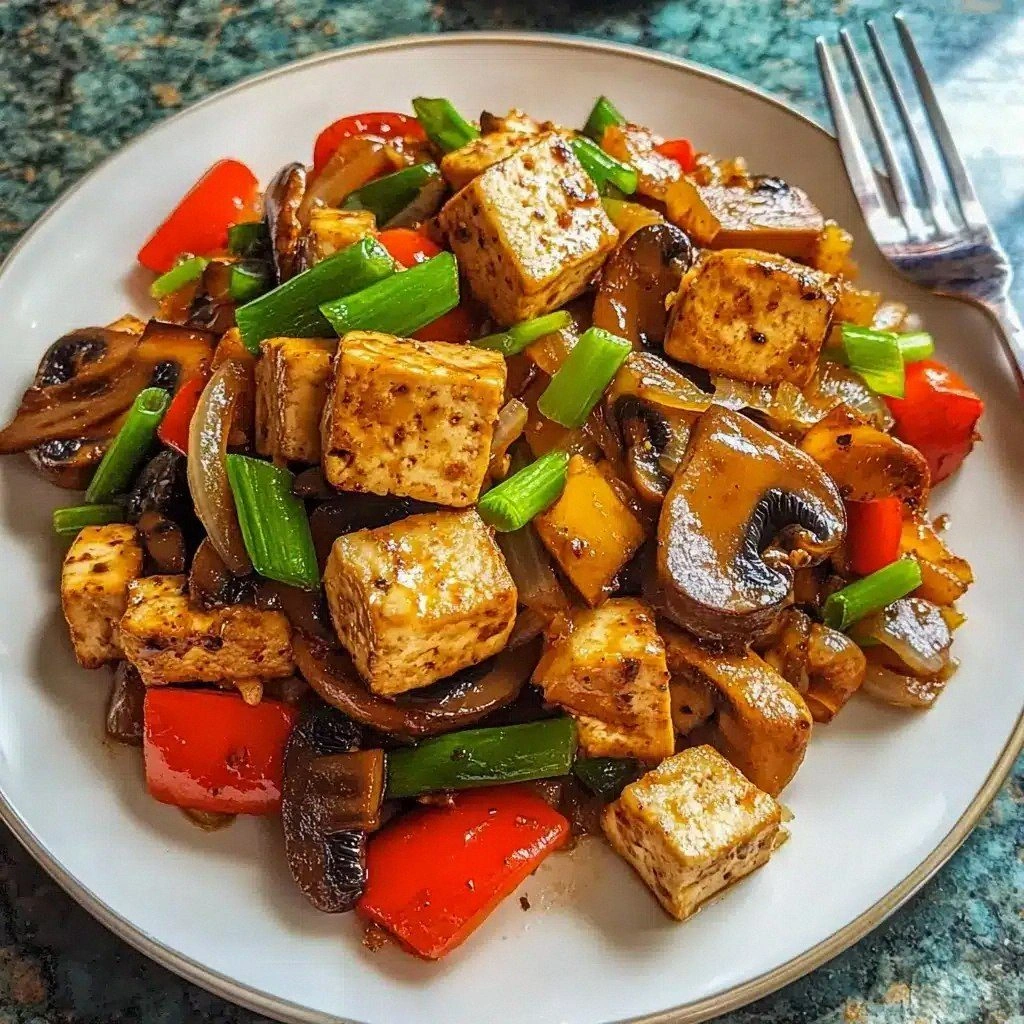
The vegan chicken substitute is the star that carries the “chicken” flavor. I use a high‑protein, shredded tofu that’s been marinated in a little soy sauce and nutritional yeast to give it a savory depth. If you want an even more authentic texture, try crumbled chickpeas or store‑bought vegan chicken flakes; they’ll soak up the dressing and deliver that classic chicken bite. Skipping the protein will turn the salad into a bland mayo mixture, so be sure to include it. For a budget‑friendly option, use canned beans—just rinse them well and mash lightly with a fork.
The Final Flourish
The finishing touches—dill, parsley, a dash of cayenne, and a sprinkle of sea salt—bring the whole dish together. Fresh dill adds a herbaceous freshness that cuts through the richness, while parsley adds a subtle earthy undertone. A pinch of cayenne gives the salad a gentle heat that awakens the palate. If you’re a fan of umami, a teaspoon of soy sauce or a splash of tamari will deepen the flavor profile. Skipping the herbs will make the salad feel flat; they’re essential for that bright, lively finish.
Everything's prepped? Good. Let's get into the real action...
The Method — Step by Step
- Step 1: Shred the Protein. If you’re using tofu, press out the excess moisture with a clean towel, then crumble it into a bowl. For chickpeas or vegan chicken flakes, simply break them apart with your hands. The goal is a uniform, shredded texture that will soak up the dressing. This is the moment of truth: a coarse shred will make the sandwich feel uneven, so take your time to get it right.
- Step 2: Prepare the Crunch. Dice the celery and pickles finely—think a fine salad. The smaller the pieces, the more they’ll mingle with the sauce and give that satisfying bite. If you’re using roasted garlic, mince it finely; it’ll add a subtle sweetness that balances the acidity of the lemon.
- Step 3: Whisk the Dressing. In a medium bowl, combine vegan mayo, lemon juice, Dijon mustard, apple cider vinegar, a splash of soy sauce, and a pinch of cayenne. Whisk until the mixture is smooth and slightly frothy. The dressing should coat the protein and vegetables without being too thick. This step is where the flavors lock in, so give it a good whisk.
- Step 4: Combine. Pour the dressing over the shredded protein, then gently fold in the celery, pickles, garlic, and herbs. Toss until everything is evenly coated. The mixture should look like a well‑marinated salad, with each bite delivering a burst of flavor. If the salad feels dry, add a splash of vegetable broth or a drizzle of olive oil.
- Step 5: Let it Rest. Cover the bowl with plastic wrap and chill in the fridge for at least 30 minutes. This resting period allows the flavors to meld and the protein to absorb the dressing fully. I recommend letting it sit for an hour if you’re in a hurry; the result is still fantastic, but the longer you wait, the richer the taste.
- Step 6: Toast the Bread. While the salad chills, slice your bread and toast it in a skillet or toaster oven until golden and crisp. A light brush of olive oil before toasting adds a subtle buttery flavor. If you’re using sourdough, let it crisp on both sides for that classic crunch. This step is crucial; the bread should be firm enough to hold the salad without falling apart.
- Step 7: Assemble. Spread a generous layer of the chilled salad on one slice of toasted bread. Add a handful of fresh spinach or lettuce for crunch, then top with a few tomato slices if you like. Finally, crown the sandwich with the second slice of bread. The layering is important: the bread should be the base, the salad the star, and the greens a fresh finishing touch.
- Step 8: Serve. Slice the sandwich diagonally, serve immediately, and enjoy the burst of flavors. If you’re planning to eat it later, wrap each half in parchment paper and store in the fridge; the salad will stay fresh for up to 48 hours. This is the moment you taste the culmination of all the careful steps, and the result is a sandwich that’s as satisfying to look at as it is to eat.
That’s it — you did it. But hold on, I’ve got a few more tricks that’ll take this to another level...
Insider Tricks for Flawless Results
The Temperature Rule Nobody Follows
Many people toss the salad at room temperature, but chilling it for at least 30 minutes is the secret to depth of flavor. The cold allows the lemon’s acidity to mellow and the herbs to infuse fully. I once made the salad at room temperature and the result was a watery, bland mess. Stick to the fridge, and you’ll taste the difference.
Why Your Nose Knows Best
Before you assemble, give the salad a sniff. If it smells bright citrus and slightly tangy, you’re on the right track. A faint, sweet smell indicates the mayo is overripe, while a metallic scent might mean the soy sauce is too strong. Trust your nose; it’s the most reliable flavor sensor.
The 5-Minute Rest That Changes Everything
After toasting the bread, let it rest for 5 minutes before adding the salad. This brief pause allows the heat to dissipate, preventing the bread from becoming soggy when it meets the wet filling. I’ve seen people skip this step, and the result is a soggy sandwich that feels like a sad disappointment.
Use Fresh Herbs, Not Dried
Fresh dill and parsley bring a vibrant, green burst that dried herbs can’t match. Dried herbs lose their potency quickly and can make the salad taste flat. If you’re in a hurry, use a small packet of dried herbs, but be sure to add them at the end to preserve their flavor.
Keep the Salad Light
It’s tempting to pile on the dressing for extra creaminess, but too much mayo can drown the delicate flavors. Aim for a ratio of 1 part mayo to 2 parts protein. If you prefer a thicker consistency, add a tablespoon of cashew butter for a nutty undertone.
Creative Twists and Variations
This recipe is a playground. Here are some of my favorite ways to switch things up:
Avocado‑Infused Creaminess
Blend half a ripe avocado into the dressing for a buttery texture and a dose of healthy fats. The avocado’s natural creaminess complements the vegan mayo, making the salad silky and rich.
Spicy Chipotle Kick
Add a tablespoon of chipotle in adobo sauce to the dressing for a smoky heat that pairs wonderfully with the tangy lemon. This variation is perfect for those who love a little spice.
Herb‑Garden Delight
Swap out the dill for a mix of basil, cilantro, and mint for a fresh, herbal profile that feels like a Mediterranean breeze. The bright green herbs elevate the salad into a whole new flavor realm.
Crunchy Nutty Variation
Toss in a handful of toasted almonds or walnuts for an extra crunch and a nutty undertone. The nuts add texture and a subtle depth that complements the creamy base.
Low‑Carb Option
Serve the salad between slices of lettuce instead of bread for a low‑carb, gluten‑free alternative. This keeps the sandwich light and makes it a great option for keto or paleo enthusiasts.
Breakfast Powerhouse
Add a scoop of plant‑based protein powder to the dressing for a protein boost that turns this into a hearty breakfast sandwich. Pair it with a side of fresh fruit for a balanced start to your day.
Storing and Bringing It Back to Life
Fridge Storage
Store the salad in an airtight container in the refrigerator for up to 48 hours. Keep the bread separate until you’re ready to assemble to avoid sogginess. If you’re preparing ahead, keep the salad chilled and toast the bread fresh before serving.
Freezer Friendly
The salad can be frozen for up to two weeks. Portion it into freezer‑safe containers, seal tightly, and label with the date. When ready to use, thaw overnight in the fridge and give it a gentle stir before assembling.
Best Reheating Method
To reheat, wrap the sandwich in foil and warm it in a 350°F oven for about 10 minutes. Alternatively, toast the bread in a skillet while placing the salad on top for a few minutes to warm it through. Add a tiny splash of water before reheating to keep the salad from drying out; the steam will restore its moisture.