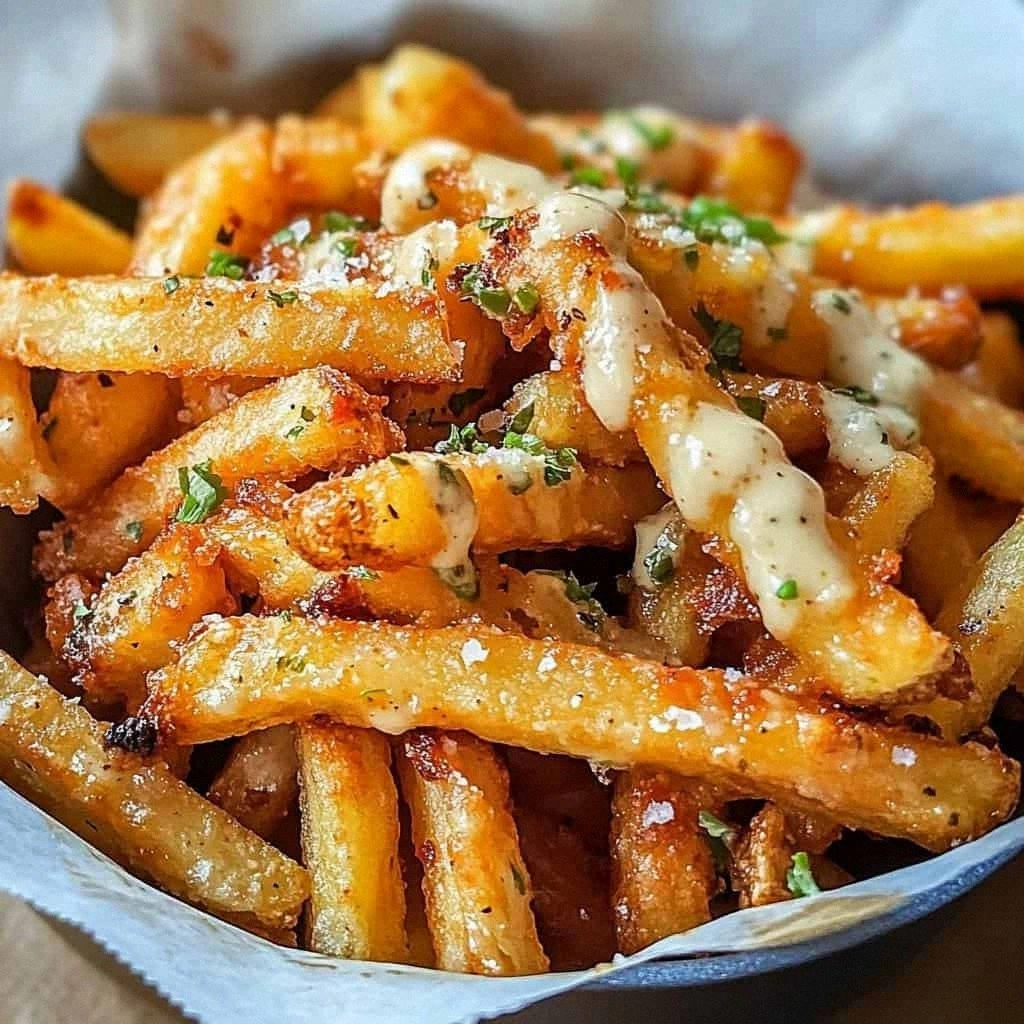
I still remember the first time I encountered voodoo fries—the kind that hijacks your senses and refuses to let go. It was late, the kitchen looked like a crime scene after an ambitious gumbo experiment, and I was ravenous. A friend had dared me to "make something better than bar food" with the random leftovers in my fridge: crawfish tails, a half-empty bottle of Creole mustard, and potatoes that had seen better days. I accepted the challenge mostly out of pride, but also because I have zero self-control when someone questions my culinary creativity. Thirty minutes later, I was standing over a sheet pan piled high with blistered fries, spicy crawfish, and a mahogany-hued remoulade that smelled like Louisiana bottled lightning. I took one bite and legitimately whispered "voodoo" under my breath, because whatever spell I accidentally cast, it worked.
If you've ever been lucky enough to wander the French Quarter after midnight, you've probably felt that electric tug from neon-lit bars promising icy beer and baskets of something dangerously addictive. These fries deliver that same rush without the overpriced tourist trap or the sticky floors. They are messy, bold, and unapologetically loud—think brass-band blaring while hot oil pops in cast iron. The sauce clings to each fry like velvet, the crawfish tails sing with cayenne heat, and the cheddar melts into stretchy webs that somehow survive the journey from plate to mouth. Picture yourself pulling this out of the oven, the whole kitchen smelling incredible—garlic, paprika, and butter colliding in a smoky haze. Your neighbors will knock. Your dog will beg. You will eat half the tray before you remember you meant to share.
Most recipes get this completely wrong. They throw cheese sauce on plain fries and call it "voodoo" because it sounds cool. Nope. Real bayou voodoo fries layer flavors like a Mardi Gras costume: every bite should reveal something new—first the crunch, then the creamy heat, then the sweet pop of crawfish, and finally that lingering whisper of cayenne that keeps you reaching back for more. I dare you to taste this and not go back for seconds. I'll be honest—I ate half the batch before anyone else got to try it, and I have zero regrets. Let me walk you through every single step—by the end, you'll wonder how you ever made it any other way.
What Makes This Version Stand Out
Flavor Bomb: The sauce isn't just spicy—it's a complex orchestra of Creole mustard, horseradish, and Worcestershire that blooms on your tongue like a slow jazz solo. Most home cooks shy away from mixing that many condiments, but trust me, this is what separates carnival food from culinary magic.
Texture Play: We double-fry the potatoes for maximum crunch, then toss them straight into the hot skillet with butter-bathed crawfish so the edges stay crispy while the centers stay fluffy. It's the textural equivalent of biting through thin ice into a warm beignet.
Weeknight Friendly: From zero to voodoo in forty-five minutes, with pantry staples you probably already own. If you keep a bag of frozen crawfish tails in your freezer (and you should), this becomes an emergency comfort meal on par with mac and cheese.
Unexpected Ingredient: A tablespoon of lemon juice in the remoulade brightens all that richness and keeps you coming back bite after bite. People can't put their finger on it, but they'll definitely notice if you leave it out.
Crowd Reaction: I've served these at game nights, baby showers, and once at a very confused brunch. Every single time, someone asks for the recipe before the plate is empty. Be prepared to become "the voodoo fry person" among your friends.
Make-Ahead Potential: You can prep the sauce and chop the veggies a day ahead; just keep them separate in the fridge. When hunger strikes, all that's left is frying potatoes and tossing everything together like a spicy salad of dreams.
Alright, let's break down exactly what goes into this masterpiece...
Inside the Ingredient List
The Flavor Base
Russet potatoes are the undisputed king of fries because their high starch content translates into fluffy interiors and shatter-crisp exteriors. Skip waxy varieties like red or Yukon Gold—they'll turn limp and sad the moment you sauce them. Peel them if you want restaurant-level purity; leave the skins on if you enjoy the earthy snap. Either way, cut them into half-inch sticks so they cook evenly and grab maximum sauce in every ridge. If you absolutely must substitute, sweet potatoes will work, but they'll bring candy-sweet notes that fight the spicy crawfish.
Vegetable oil does the heavy lifting for deep frying, but pay attention to smoke point—peanut oil is even better if you have it. You need enough to submerge the fries completely, so don't be stingy; a shallow fry leads to sad, streaky potatoes. Reusing oil is fine for two or three rounds, but strain out any crispy bits or they'll burn and turn bitter. Pro tip: add a teaspoon of bacon fat to the oil for smoky undertones that whisper "bayou" without announcing "breakfast."
The Texture Crew
Crawfish tails bring sweet, lobster-like meat that balances the heat, but only if you buy them peeled and deveined. Frozen bags are perfectly acceptable—just thaw under cold water for five minutes and pat dry or they'll steam instead of sear. If crawfish feels elusive, chopped shrimp or even lump crab will play the same role, though each brings its own personality. Whatever you choose, sauté in butter until the edges caramelize; that browned butter clings to the seafood and seasons the whole skillet.
Butter might seem redundant when you're already deep-frying, but it's essential for tossing the crawfish and veggies. Oil can't replicate the nutty richness butter develops when it hits the hot pan. Use unsalted so you control seasoning; salted butter varies wildly between brands and could hijack your perfectly balanced spice mix.
The Unexpected Star
Creole mustard looks innocent, but it's the zesty backbone of the remoulade. Its coarse grind pops between teeth like culinary caviar, releasing bright heat that plain yellow mustard could never deliver. If your grocery store stocks only Dijon, stir in an extra pinch of cayenne and pretend you're in New Orleans. The mustard's acidity also stabilizes the mayo, preventing the dreaded sauce separation that plagues lesser recipes.
Horseradish sauce adds a sinus-clearing zing that blooms seconds after you swallow. Don't confuse it with creamy "horseradish spread," which is mostly mayo; you want the pure stuff that makes your eyes water just opening the jar. A little goes a long way, but leave it out and the sauce tastes flat, like a party with no music.
The Final Flourish
Smoked paprika is the cheat code for campfire depth without lighting an actual fire. Hungarian sweet paprika will give color but none of that smoky mystique. If you're feeling fancy, swap in pimentón de la Vera for Spanish flair, though the flavor drifts slightly away from Louisiana. Whatever you do, add it off-heat; high temps turn paprika bitter faster than you can say "roux."
Cheddar cheese isn't traditional in bayou cooking, but melted on top it acts like a salty blanket that keeps the fries warm and irresistible. Use a mild variety so it doesn't bully the crawfish; sharp cheddar hijacks the palate. Pre-shredded works, but anti-caking agents can make it grainy—shred your own if you want that glossy melt that stretches like taffy.
Everything's prepped? Good. Let's get into the real action...
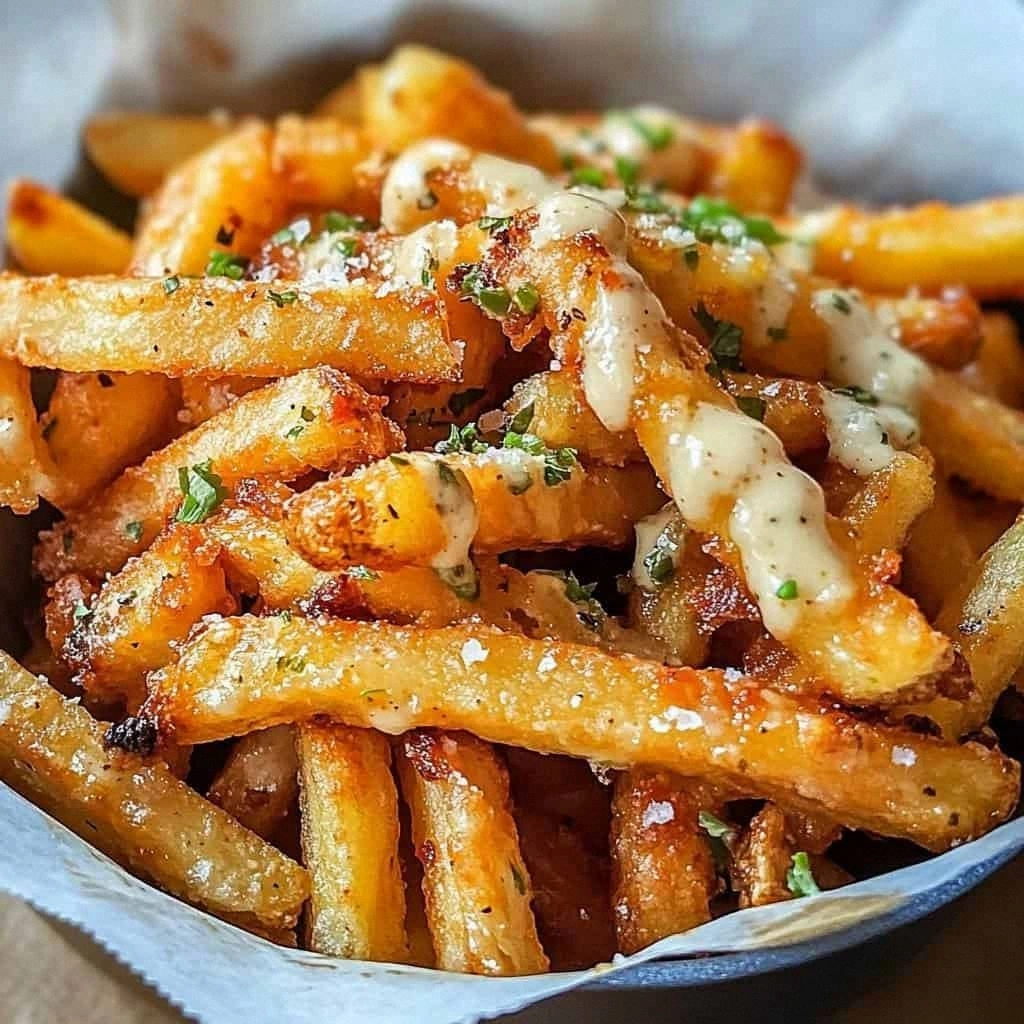
The Method — Step by Step
- Start by filling a large bowl with cold water and submerge your cut potatoes for at least 15 minutes. This rinses off excess starch so the fries don't glue together in the oil. Swirl them around with your hand; the water will turn cloudy like Louisiana bayou runoff—that's exactly what you want. Drain, then lay the potatoes on a kitchen towel and blot until bone dry. Any lingering moisture will splatter like fireworks the second it hits hot oil, so channel your inner perfectionist here.
- While the potatoes soak, whisk together mayonnaise, ketchup, Creole mustard, horseradish, Worcestershire, garlic powder, onion powder, smoked paprika, cayenne, and lemon juice in a medium bowl. Taste and adjust salt, pepper, or more heat; remember the sauce should taste a touch too bold on its own—it mellows once it meets the potatoes. Cover and park it in the fridge so flavors meld into one cohesive flavor bomb. This next part? Pure magic.
- Heat three inches of vegetable oil in a heavy pot or Dutch oven to 325°F. I clip a candy thermometer to the side like a culinary seatbelt; guessing temperatures is how you end up with greasy limp noodles instead of golden fries. Fry the potatoes in small batches for four minutes—they'll look pale and underdone, which is perfect. Lift them out onto a paper-towel-lined tray and let them cool completely while you crank the oil up to 375°F.
- Drop the par-cooked fries back into the hotter oil and fry until they drift to the surface and turn golden brown, about three more minutes. Listen for that sizzle when they hit the pan—absolute perfection. Transfer to fresh paper towels, then immediately shower them with salt so it sticks to the hot surface. Let them rest; they'll crisp further as steam escapes.
- Meanwhile, melt butter in a skillet over medium-high heat. Toss in onion, bell pepper, and celery—the holy trinity of Cajun cooking—and sauté until the edges brown and your kitchen smells like New Orleans on a Saturday night. Add crawfish tails, garlic, cayenne, paprika, oregano, thyme, salt, and pepper. Stir just until the crawfish heats through and starts to caramelize; overcooking makes them rubbery like pencil erasers. And now the fun part.
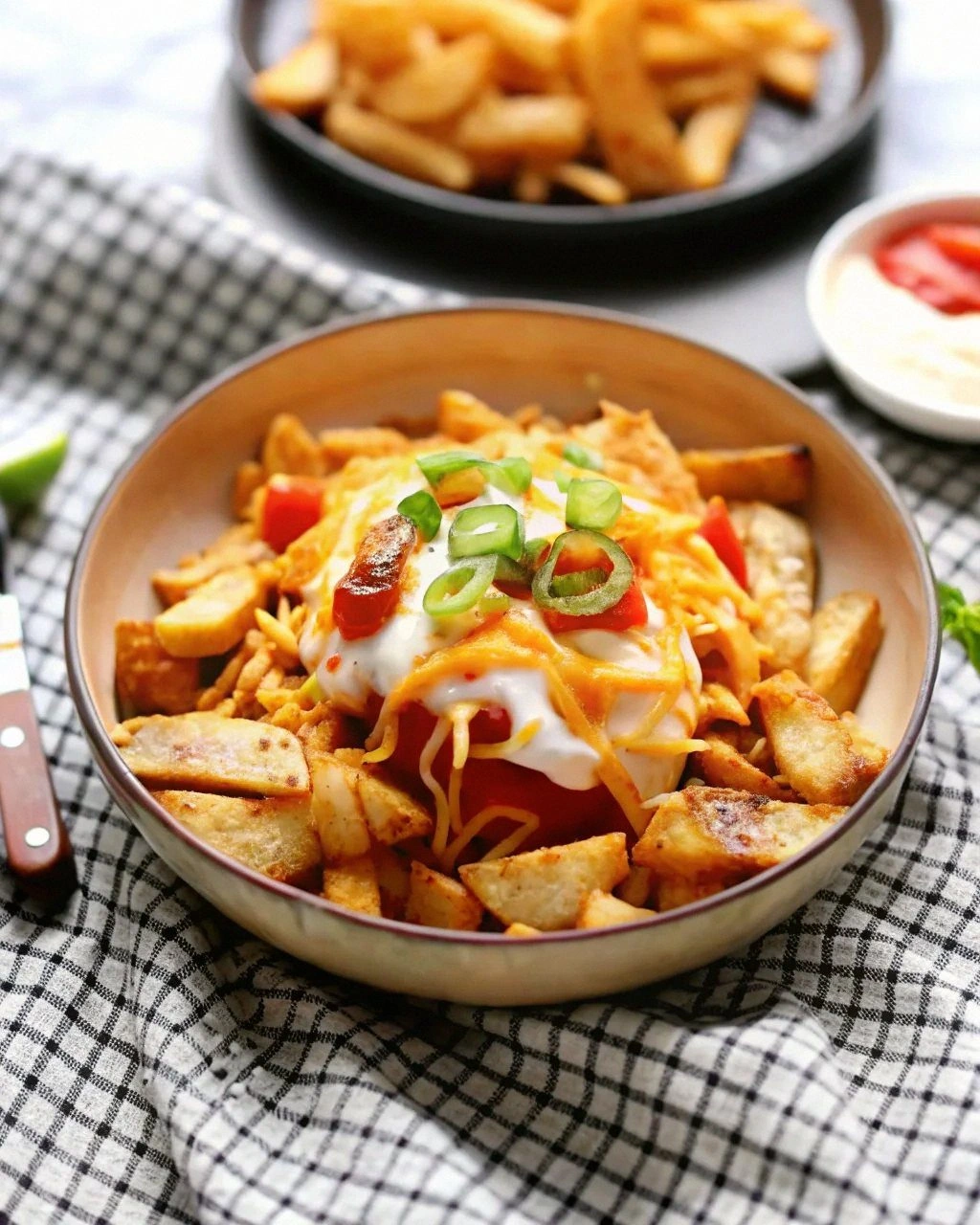
- Heap the hot fries onto a serving platter, drizzle generously with the chilled remoulade, then spoon the sizzling crawfish mixture on top. Shower with cheddar and watch it melt into gooey lava flows. Scatter green onions and jalapeños over the cheese, finish with a zigzag of hot sauce, and serve immediately while the textures play their crunchy-creamy-spicy symphony.
- Call everyone to the table, but be warned: these fries vanish faster than free beads at Mardi Gras. Serve with ice-cold beer or a tart lemonade to tame the heat, and keep napkins stacked like Jenga blocks because fingers will get messy. If you've ever struggled with soggy loaded fries, you're not alone—and I've got the fix right here.
- Leftovers? Ha, good luck. But if you somehow possess supernatural restraint, store components separately and reheat fries in a 450°F oven for five minutes to bring back the crunch. The crawfish mixture keeps three days refrigerated and makes killer omelet filling the next morning. Stay with me here—this is worth it.
That's it—you did it. But hold on, I've got a few more tricks that'll take this to another level...
Insider Tricks for Flawless Results
The Temperature Rule Nobody Follows
If your oil drops below 300°F after adding potatoes, the fries absorb oil like a sponge and emerge limp and greasy. Use a thermometer and never crowd the pot; patience is cheaper than extra paper towels. Between batches, let the oil climb back to target temp or you'll sabotage your own crunch. A friend tried skipping this step once—let's just say it didn't end well, and we still call them "Soggy Sam."
Why Your Nose Knows Best
When the holy trinity hits the butter, close your eyes and inhale. The moment garlic smells sweet instead of raw, it's time for the crawfish; waiting longer invites bitterness. Think of your nose as a built-in kitchen timer—no batteries required, just trust and sniff.
The 5-Minute Rest That Changes Everything
After the second fry, let the potatoes rest on a wire rack instead of paper towels. Airflow underneath keeps condensation from forming, preserving that glass-shatter crunch longer. Five short minutes feels like an eternity when you're hungry, but you'll be rewarded with fries that refuse to wilt under sauce.
Creative Twists and Variations
This recipe is a playground. Here are some of my favorite ways to switch things up:
Blackened Shrimp Voodoo
Swap crawfish for shrimp dusted in blackening spice and seared in a cast-iron pan until the exterior forms a dark, spicy crust. The smoky seasoning plays beautifully against the cool remoulade, giving you surf-worthy flavor without a fishing license.
Smoky Andouille Edition
Add coins of andouille sausage to the skillet with the vegetables; the rendered fat seasons everything and adds porky depth. Carnivores will high-five you, cardiologists will schedule follow-ups—balance, right?
Green Goddess Remix
Replace the remoulade with a herby green goddess dressing packed with tarragon and anchovy. It's lighter, tangier, and turns the dish into a springtime appetizer that even salad lovers devour.
Breakfast Voodoo Bowl
Top the finished fries with a runny fried egg and a drizzle of hot sauce spiked with maple syrup. The yolk becomes an extra sauce, and the sweet heat screams brunch goals.
Vegan Bayou
Use oyster mushrooms instead of crawfish, vegan mayo for the sauce, and plant-based butter for sautéing. A sprinkle of nutritional yeast mimics cheddar funk without the dairy.
Low-Country Boil Fusion
Add roasted corn kernels and tiny cubes of potato (par-boiled then seared) to mimic a coastal crab boil. Old Bay seasoning stands in for some of the Cajun spices, transporting you straight to a Charleston backyard.
Storing and Bringing It Back to Life
Fridge Storage
Keep fries, crawfish mixture, and sauce in separate airtight containers. Fries last three days but honestly will get eaten before then. The crawfish mixture stays fresh up to four days; the remoulade keeps a week. Stack containers in order of use so you're not playing Jenga at midnight.
Freezer Friendly
Fries freeze surprisingly well: spread cooled fries on a baking sheet, freeze until solid, then transfer to a zip bag. Reheat from frozen at 475°F for about ten minutes, shaking halfway. The crawfish mixture freezes for two months; thaw overnight in the fridge before reheating gently in a skillet. Sauce doesn't freeze well—mayo breaks and turns grainy—so make it fresh in under two minutes.
Best Reheating Method
Skip the microwave unless you enjoy rubber seafood. Spread fries on a sheet pan, add a tiny splash of water, cover with foil, and bake at 450°F for five minutes; the steam revives interiors while the dry heat restores crunch. Remove foil for the last two minutes to recrisp. For the crawfish, reheat in a dry skillet over medium heat just until warm—overcooking tightens proteins and turns them bouncy.