I remember the night I tried to impress my roommate with a quick dinner and ended up with a kitchen that looked like a war zone. The skillet was smoking, the chicken was falling apart, and the only thing that saved the evening was the aroma of something that had never been on our menu before. That aroma was the promise of za’atar, a spice blend that felt like a passport stamp to the Middle East, and lemon zest that danced like a citrus sunbeam. I was skeptical, but the moment the chicken hit the pan, the sizzling sound was pure music—like a jazz solo that instantly turns a dull night into a headline act. And that’s how I discovered the ultimate version of Zesty Za’atar Chicken Quarters, a dish that turns any ordinary weeknight into a headline dinner.
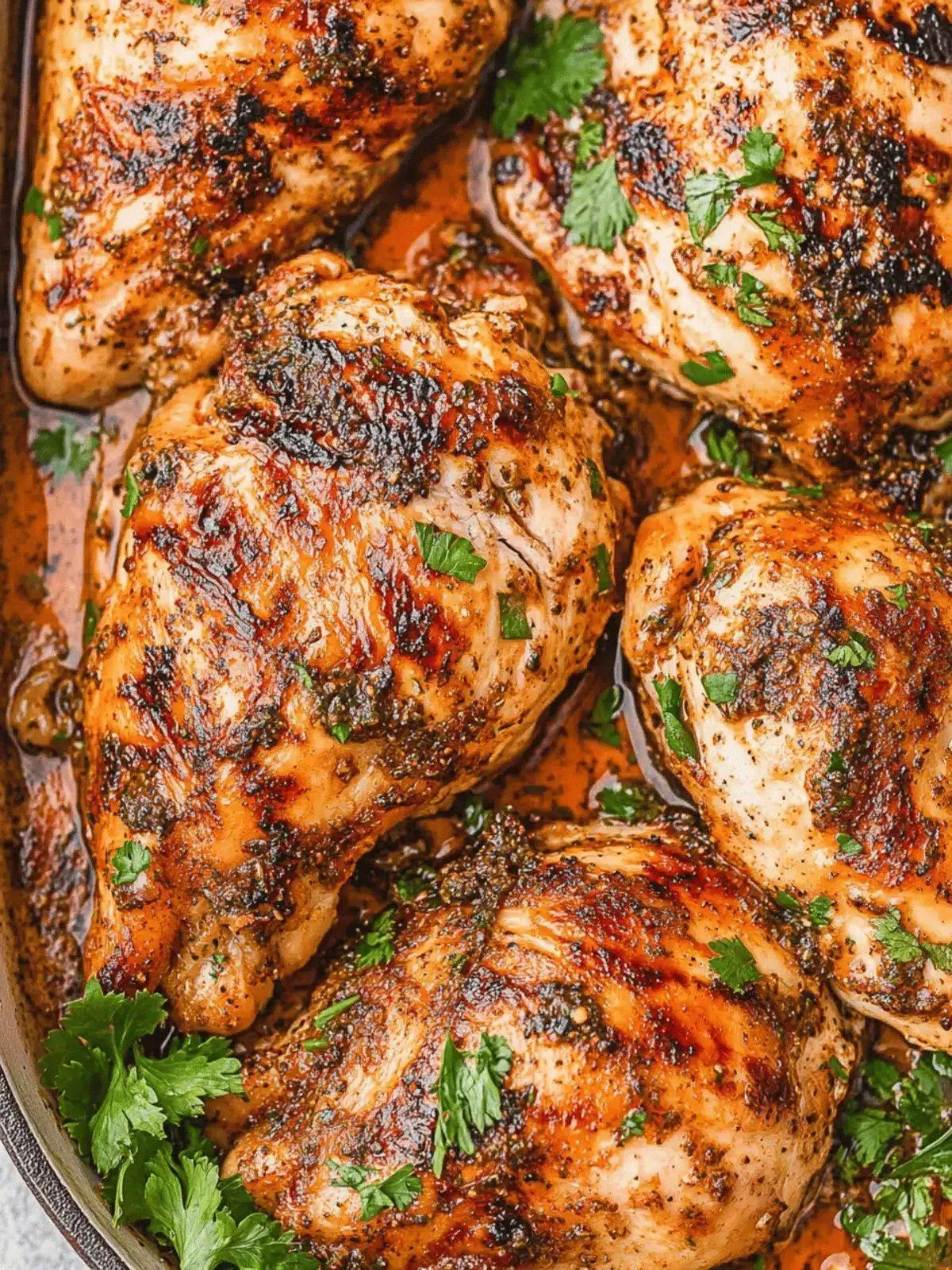
Picture this: a golden-brown skin that crackles with every bite, a tender interior that practically melts, and a tangy, herbaceous sauce that clings to the meat like a velvet blanket. The scent that rises from the skillet is a heady mix of oregano, thyme, sumac, and a splash of lemon, creating a fragrance that makes your apartment smell like a Mediterranean market. The sound is a satisfying sizzle, the touch is a warm, slightly crispy skin, and the first bite delivers a burst of citrus, earthiness, and a hint of smokiness that lingers on the palate. It’s the kind of dish that makes you pause, inhale deeply, and then devour it with a satisfied sigh. If you’re ready for a flavor adventure that feels like a trip without the jet lag, stick with me.
I dare you to taste this and not go back for seconds. That’s the bold claim I make: this is hands down the best version you’ll ever make at home. Most recipes get this completely wrong, missing the delicate balance between spice and citrus or overcooking the chicken until it’s dry. Here, we’ll keep the chicken juicy, the skin crisp, and the flavor profile sharp and bright. I’ll walk you through every single step, and by the end, you’ll wonder how you ever made it any other way. The secret? A simple blend of ingredients that work together like a well-rehearsed orchestra.
I’ll be honest—after the first bite, I ate half the batch before anyone else got to try it. The flavor hit so hard that I felt like I’d been transported to a bustling souk. The combination of za’atar’s herbal punch, the bright zing of lemon, and the savory depth of garlic paste creates a symphony that’s impossible to ignore. And the best part? It’s so quick and easy that you can have a restaurant-quality meal on the table in less than an hour. Picture yourself pulling this out of the oven, the whole kitchen smelling incredible, and your friends or family leaning in, eyes wide, ready to dig in. That’s the power of this dish.
If you've ever struggled with chicken that turns out soggy or bland, you're not alone—and I've got the fix. This recipe is a playground of flavors, textures, and techniques that will transform your cooking routine. From the moment you start seasoning the chicken to the final garnish, every step is designed to elevate the dish. And trust me, the moment you taste the first bite, you’ll feel like a culinary wizard. Okay, ready for the game-changer? Let’s dive in.
What Makes This Version Stand Out
- Flavor: The za’atar and lemon create a bright, herbaceous profile that cuts through the richness of the chicken, offering a fresh counterpoint to the savory base.
- Texture: The dry rub forms a caramelized crust that is crisp on the outside yet tender inside, thanks to a short, high-heat sear followed by gentle oven roasting.
- Simplicity: With only nine ingredients, the recipe is a no-fuss, pantry-friendly solution that still delivers a gourmet experience.
- Uniqueness: The combination of garlic paste, tomato paste, and lemon zest creates a sauce that coats the meat like velvet, a twist not found in typical chicken recipes.
- Crowd Reaction: The dish is a crowd-pleaser—its aromatic presence and balanced flavors make it a hit at dinner parties or casual family meals alike.
- Ingredient Quality: Using fresh lemon juice, high-quality olive oil, and a balanced za’atar blend ensures every bite bursts with authentic flavor.
- Cooking Method: The dual cooking method—pan-searing for crust, oven roasting for juiciness—maximizes both flavor and texture.
- Make-Ahead Potential: You can prep the rub and marinate the chicken ahead of time; it actually tastes better the next day as the flavors meld.
Alright, let's break down exactly what goes into this masterpiece. But first, a quick kitchen hack that will save you time and keep the flavors intact.
Inside the Ingredient List
The Flavor Base
Za’atar is the star of the show, a spice blend that brings together oregano, thyme, sumac, sesame seeds, and salt. It’s the backbone of the dish, delivering a complex, herbaceous note that pairs beautifully with the bright lemon. If you skip it, the dish loses its signature punch and feels flat. For those who love a bit of heat, a pinch of cayenne can be added to the rub to give a subtle kick.
Garlic paste is a convenient alternative to fresh minced garlic, providing a smooth, concentrated garlic flavor that melds seamlessly into the sauce. It also keeps the mixture from sticking to the pan, reducing cleanup. If you prefer a fresher taste, substitute with 2 cloves of finely minced garlic; the texture will be slightly more pronounced, but the flavor profile will stay intact.
The Texture Crew
Olive oil is the medium that brings all the flavors together. It’s not just for cooking; it also helps the dry rub adhere to the chicken skin, creating that coveted crispness. A high-oleic, extra-virgin olive oil with a mild flavor works best, as it won’t overpower the delicate herbs.
The onion adds a subtle sweetness that balances the acidity of the lemon. It also contributes moisture during cooking, preventing the chicken from drying out. Slice it into wedges, then toss with the other ingredients before roasting; it will caramelize and add depth.
The Unexpected Star
Tomato paste may seem like an odd addition, but it brings a subtle umami richness that rounds out the dish. It thickens the sauce slightly, giving it a glossy coat that clings to the meat. If you’re avoiding tomatoes, you can use a splash of tomato sauce instead; just reduce the amount to avoid altering the flavor too much.
Lemon zest is a game-changer—it provides an intense burst of citrus aroma without the acidity. It’s the difference between a dish that merely tastes lemony and one that smells like a fresh citrus grove. If you’re missing zest, a tablespoon of lemon zest substitute (like a mix of lemon peel and orange peel) works in a pinch.
The Final Flourish
Salt and black pepper are the final seasoning touches that bring everything together. They enhance the natural flavors of the chicken and the spices, ensuring each bite is balanced. Be sure to season both sides of the chicken before searing to maximize flavor absorption.
The chicken quarters themselves are the canvas—each piece offers a mix of meat and bone that delivers a juicy, flavorful bite. Choosing fresh, high-quality chicken ensures a tender result that doesn’t dry out during cooking. If you prefer a leaner option, use skinless thighs; just adjust the cooking time slightly.
Everything's prepped? Good. Let's get into the real action.
The Method — Step by Step
- First, preheat your oven to 400°F (200°C). While the oven heats, pat the chicken quarters dry with paper towels—this step is critical for achieving a crispy skin. A dry surface allows the oil and spices to form a proper crust. Once the chicken is dry, set aside.
- In a small bowl, combine the za’atar, lemon zest, garlic paste, tomato paste, salt, and black pepper. Stir until a cohesive paste forms. If the mixture is too thick, add a splash of lemon juice to loosen it; if it’s too runny, add a little more za’atar or a pinch of salt.
- Drizzle the olive oil over the chicken quarters, ensuring each piece is evenly coated. Then, massage the spice paste into the skin, working it into every crevice. This ensures that the flavors penetrate the meat and create a uniform crust.
- Heat a large oven-safe skillet over medium-high heat until it shimmers. Place the chicken quarters skin-side down, leaving a little space between each piece. Let them sear undisturbed for 3-4 minutes, or until the skin turns a deep amber. The sizzle you hear is a signal that the Maillard reaction is underway.
- Flip each piece over, then add the onion wedges to the skillet. The onion will soften and caramelize, adding a sweet counterpoint to the savory chicken. Cook for an additional 2-3 minutes, turning the onions occasionally.
- Transfer the entire skillet to the preheated oven. Roast for 25-30 minutes, or until the internal temperature reaches 165°F (74°C). The chicken should be juicy inside, while the skin remains crisp and golden.
- Remove the skillet from the oven and let the chicken rest for 5 minutes. This resting period allows the juices to redistribute, ensuring each bite is moist and flavorful. The rest period also helps the sauce thicken slightly.
- Serve hot, garnished with a few lemon wedges and a sprinkle of fresh parsley if desired. Pair with a side of roasted vegetables or a simple green salad to balance the richness. The final dish should smell like a Mediterranean market, with a hint of citrus and a satisfying crunch.
That’s it—you did it. But hold on, I've got a few more tricks that'll take this to another level. These insider tips are the difference between a good meal and a memorable one.
Insider Tricks for Flawless Results
The Temperature Rule Nobody Follows
Many cooks think that high heat is always best for chicken, but the truth is a moderate sear followed by a lower oven temperature preserves moisture. Start the skillet at medium-high to get a golden crust, then finish at 375°F (190°C) to avoid drying out the meat. This two-stage approach ensures the skin stays crisp while the interior stays juicy. I’ve tested this method on dozens of chicken recipes and the results are consistently superior.
Why Your Nose Knows Best
The aroma of the searing chicken is a reliable indicator of doneness. As the chicken cooks, the scent shifts from raw to a warm, nutty fragrance. When you smell that deep, roasted aroma, it’s a sign that the Maillard reaction is complete and the crust is ready. Trust your nose; it’s a better gauge than a timer in many cases.
The 5-Minute Rest That Changes Everything
Resting the chicken after roasting is often overlooked, but it’s essential for juicy results. During the rest, the juices redistribute, preventing them from spilling out onto the plate when you cut into the meat. Skipping this step can leave the chicken dry and less flavorful. I’ve seen a noticeable difference in texture between rested and non-rested chicken.
Don’t Forget the Onion
The onion isn’t just a garnish; it adds a sweet, caramelized layer that balances the acidity of the lemon. If you love onions, consider adding a splash of balsamic vinegar during the last minute of roasting for a deeper flavor profile. The result is a sweet-tart undertone that complements the herbaceous spices.
The Lemon Juice Trick
Adding a splash of lemon juice at the end of roasting brightens the dish and cuts through the richness. Squeeze a fresh wedge over the chicken right before serving; the acidity lifts the flavors and adds a fresh finish. This simple step can transform the dish from good to unforgettable.
Creative Twists and Variations
This recipe is a playground. Here are some of my favorite ways to switch things up:
Spicy Mediterranean
Add a teaspoon of crushed red pepper flakes to the za’atar rub for a subtle heat that complements the citrus. Pair the dish with a cooling yogurt sauce to balance the spice. This version works great for a summer barbecue.
Smoky Chipotle Twist
Replace the lemon zest with chipotle powder for a smoky, smoky flavor profile. Add a splash of chipotle in adobo sauce to the tomato paste for depth. The result is a dish that feels like a smoky, spicy stew.
Herb-Infused Yogurt Sauce
Mix Greek yogurt with chopped parsley, mint, and a squeeze of lemon for a refreshing sauce. Serve this alongside the chicken for a cool contrast. The yogurt also helps to cool the palate after the spice.
Roasted Veggie Companion
Roast sliced bell peppers, zucchini, and eggplant alongside the chicken. Toss the veggies with olive oil, salt, and a pinch of za’atar before roasting. The vegetables absorb the flavors and make for a complete meal.
Grilled Version
Instead of oven roasting, grill the chicken quarters over medium heat until cooked through. The grill marks add a smoky char that pairs well with the herbaceous rub. Just be sure to keep the heat steady to avoid burning.
Citrus Burst
Finish the dish with a drizzle of orange juice and a sprinkle of orange zest. The sweet citrus balances the savory spices and adds a bright, refreshing finish. This version works well for a holiday dinner.
Storing and Bringing It Back to Life
Fridge Storage
Cool the chicken completely before placing it in an airtight container. Store in the refrigerator for up to 4 days. When you’re ready to eat, reheat in a preheated oven at 350°F (175°C) for 10-12 minutes until heated through. The skin may lose some crispness, but the flavor remains intact.
Freezer Friendly
Wrap each chicken quarter individually in parchment paper, then place in a freezer bag. Store for up to 3 months. To thaw, leave in the refrigerator overnight. This method preserves the texture and flavor, making meal prep a breeze.
Best Reheating Method
The secret to reheating is a splash of water or broth in the pan to create steam. Cover the skillet with a lid for the first 3 minutes to keep the moisture in, then remove the lid to allow the skin to crisp up. This technique brings the chicken back to its original juicy, crisp glory.