I still remember the morning I accidentally created the most dangerous breakfast known to mankind. There I was, standing in my kitchen at 7 AM, hungrier than a bear after hibernation, staring at a half-eaten cinnamon roll and some sad, stale bread. My roommate had devoured the rest of the cinnamon rolls like a raccoon in a dumpster, leaving me with breakfast heartbreak. In my caffeine-deprived state, I had what I thought was a brilliant idea: what if I combined the gooey, spicy magic of cinnamon rolls with the custardy perfection of French toast? What happened next changed my weekend mornings forever.
The first bite was like discovering a secret portal where breakfast dreams come true. The cinnamon swirl bread soaked up the vanilla-scented custard like a sponge, creating these incredible layers of flavor that made my taste buds do a happy dance. The edges caramelized into these crispy, almost crème brûlée-like shards while the inside stayed pillowy and tender. That sizzle when it hits the pan? Absolute perfection. I ate the entire first batch standing at the stove, burning my tongue because I couldn't wait for it to cool, and I have zero regrets about it.
Here's the thing about this recipe — it takes everything you love about cinnamon rolls (the warm spices, the sweet aroma, the comfort-food factor) and everything you adore about French toast (the custardy interior, the crispy edges, the way maple syrup mingles with butter) and marries them in a way that makes you wonder why these two breakfast legends haven't been combined since the dawn of time. Most recipes get this completely wrong by using regular bread and adding cinnamon to the custard, but that creates a sad, one-dimensional breakfast that tastes like someone was trying too hard. We're going to use cinnamon swirl bread as our base, which means every single bite has built-in flavor bombs that'll make you want to write poetry about breakfast.
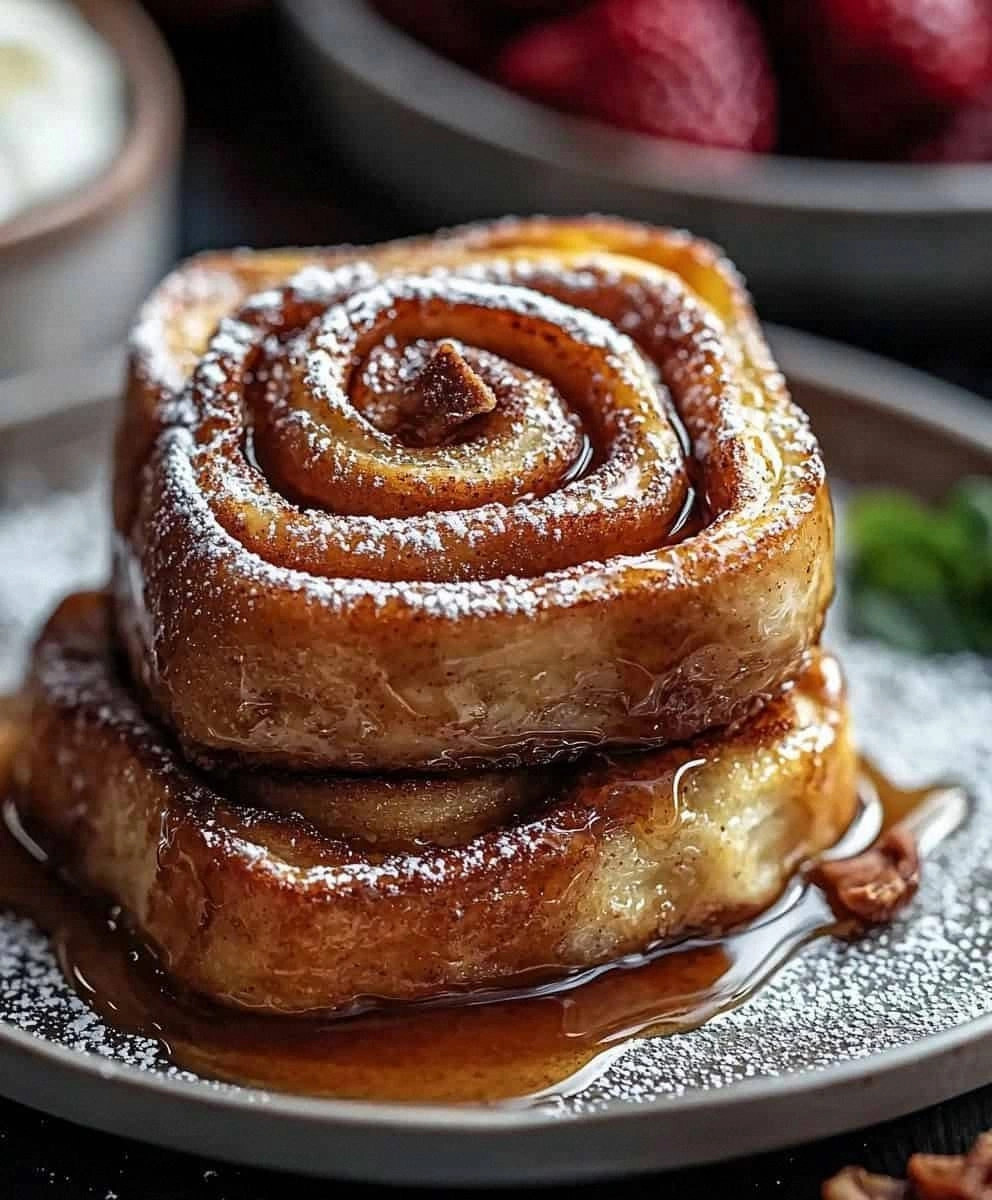
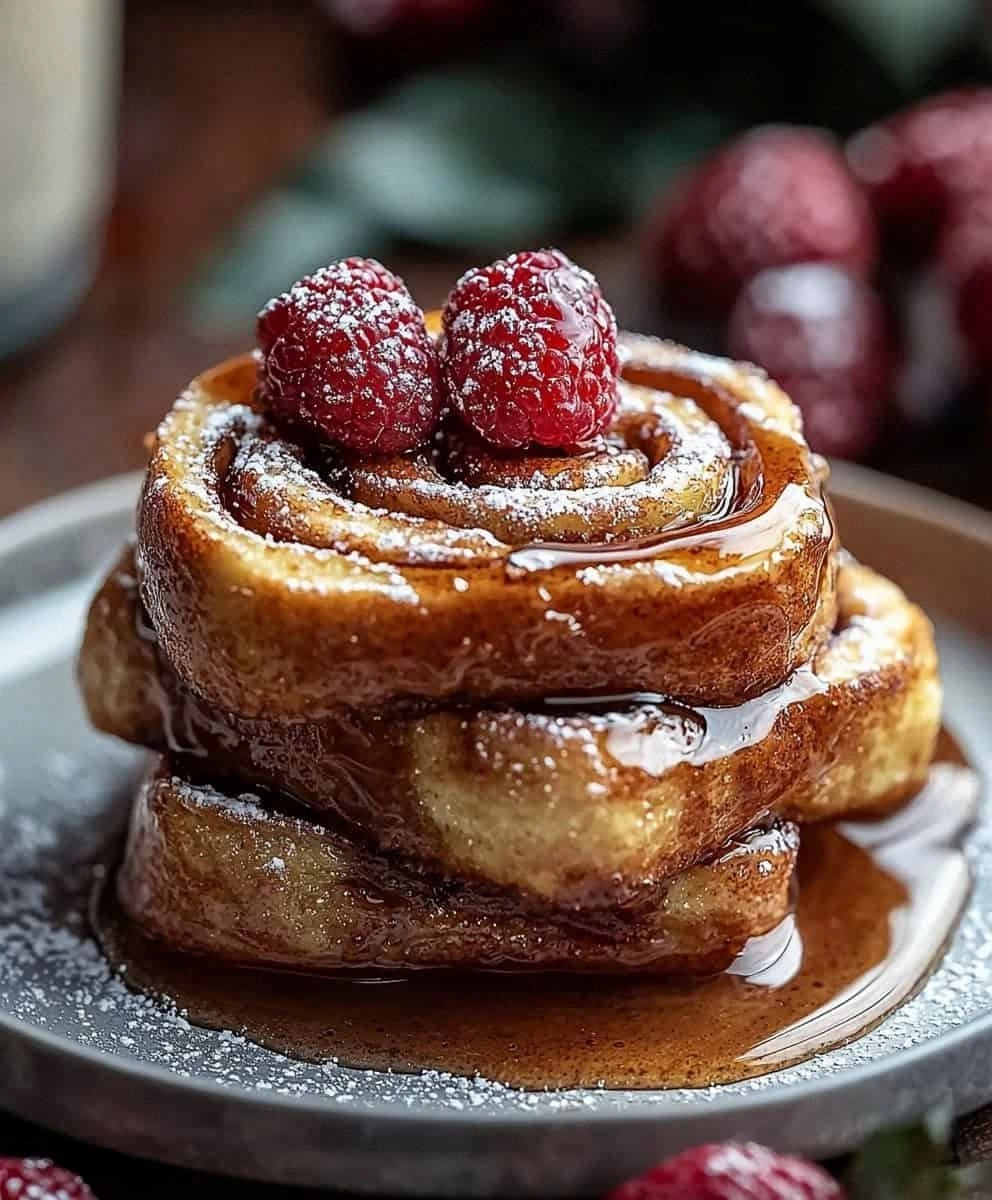
Picture yourself pulling this out of the pan, the whole kitchen smelling like a cinnamon-scented hug. The bread is golden and slightly puffed, with those gorgeous caramelized spots where the cinnamon sugar met the heat. Maple syrup pools in the crevices of the toast, creating these little pockets of liquid gold. If you've ever struggled with French toast that's soggy in the middle or cinnamon rolls that are dry and bready, you're not alone — and I've got the fix that'll make you the breakfast hero of your household. Let me walk you through every single step — by the end, you'll wonder how you ever made it any other way.
What Makes This Version Stand Out
Cinnamon Infusion: Unlike regular French toast where cinnamon is just an afterthought in the custard, every bite of this version has cinnamon baked right into the bread itself. The swirl creates these beautiful ribbons of spice that distribute flavor perfectly throughout each slice.
Texture Perfection: The combination of the soft, eggy interior with the slightly crispy, caramelized exterior creates a textural contrast that'll make you close your eyes in appreciation. The cinnamon sugar in the bread caramelizes at the edges, creating these candy-like bits that shatter like thin ice.
Weekend Simplicity: This isn't some fussy, all-day project. From start to finish, you're looking at about 20 minutes of actual work. The hardest part is waiting for the bread to soak up all that vanilla-scented custard magic.
Unexpected Depth: A touch of nutmeg in the custard adds this warm, mysterious note that makes people ask "what's that amazing flavor?" It's like adding a secret ingredient that nobody can quite identify but everyone loves.
Crowd-Wowing Factor: I've served this to everyone from picky toddlers to food-snobby friends, and the reaction is always the same: eyes go wide, forks move faster, and someone inevitably asks for the recipe before they've even finished chewing.
Quality Ingredients Matter: Using real vanilla extract instead of the imitation stuff makes a difference you can taste. Splurge on the good stuff — your taste buds will thank you with every bite.
Make-Ahead Magic: You can prep the custard mixture the night before, making your morning routine as simple as dipping and griddling. This is dangerous knowledge to have when you're craving breakfast at midnight.
Alright, let's break down exactly what goes into this masterpiece...
Inside the Ingredient List
The Flavor Base
Cinnamon swirl bread is the absolute star here, and not just any loaf will do. You want a bread that's generous with the cinnamon swirl — those beautiful brown ribbons that weave through each slice like edible artwork. The bread should feel slightly dense when you squeeze it; too airy and it'll become mushy mush after soaking. If your grocery store bakery makes their own, that's usually your best bet because it's fresher and tends to have more generous swirls than the mass-produced stuff.
Whole milk creates the silkiest, richest custard base. I've tried this with everything from skim milk to heavy cream, and whole milk hits that sweet spot of richness without making the toast feel heavy. The fat content helps the custard cling to the bread evenly, creating that luxurious texture that makes French toast so crave-worthy. If you're in a pinch, you can mix half-and-half with water, but trust me — spring for the whole milk.
The Texture Crew
Four large eggs might seem like overkill, but they're what give this French toast its structure and that beautiful golden color. The proteins in the egg create a delicate network that sets as it cooks, holding everything together while staying tender. I always use large eggs because they're the standard in most recipes, and using extra-large or jumbo can throw off the custard ratio, leaving you with eggy-tasting toast.
Real vanilla extract is non-negotiable here. That floral, almost boozy aroma transforms plain custard into something magical. The imitation stuff tastes like disappointment and chemicals — spend the extra couple dollars on real extract. Your future self, biting into perfectly fragrant French toast, will thank you. Store your vanilla in a cool, dark place and it'll last for years, making this investment totally worth it.
The Unexpected Star
Nutmeg is my secret weapon in this recipe. Just a quarter teaspoon adds this warm, nutty complexity that makes people ask what makes your French toast taste so incredible. Freshly grated nutmeg is a game-changer if you can find whole nutmegs — the flavor is brighter and more aromatic than the pre-ground stuff that's been sitting in your spice cabinet since the Clinton administration.
Granulated sugar in the custard might seem redundant when you're using cinnamon swirl bread, but it serves two purposes. First, it helps the exterior caramelize and develop those gorgeous golden edges. Second, it balances the flavors, ensuring the toast isn't one-note sweet but has depth and complexity.
The Final Flourish
Unsalted butter for the pan gives you control over the salt level and lets the sweet flavors shine. Butter adds richness and helps create those crispy, lacy edges that make French toast so texturally interesting. I prefer unsalted because cinnamon swirl bread can vary in sweetness, and this lets you control the final flavor profile.
Maple syrup for serving should be the real deal, not the corn syrup imposters. Real maple syrup has this incredible complexity — you can taste woodsy, almost smoky notes that complement the cinnamon perfectly. Warm it slightly before serving so it flows over the toast like liquid amber, seeping into every nook and cranny.
Everything's prepped? Good. Let's get into the real action...
The Method — Step by Step
- Start by setting up your dipping station like a pro. Grab two pie plates or shallow dishes — one for your custard mixture and one to hold the soaked bread temporarily. In your first dish, whisk together the eggs, milk, vanilla, cinnamon, sugar, and nutmeg until everything is completely combined. You want the mixture to be smooth and slightly frothy, with no streaks of egg white or clumps of cinnamon. This is the moment of truth where you create the liquid gold that'll transform ordinary bread into breakfast nirvana.
- Lay out your cinnamon swirl bread slices on a cutting board or clean counter. If your bread is super fresh and soft, let it sit out for about 10 minutes — this helps it firm up slightly so it doesn't fall apart during soaking. Arrange them in a single layer so you can see all those beautiful cinnamon swirls. This visual check lets you pick the best slices for maximum swirl coverage, because those cinnamon ribbons are where the magic happens.
- Heat your largest skillet or griddle over medium heat. You want it hot enough that a drop of water sizzles when it hits the surface, but not so hot that the butter burns immediately. Add the butter and swirl it around — it should melt and foam but not brown right away. Getting the temperature right is crucial here; too hot and the outside burns before the inside cooks, too cool and you get soggy, greasy toast.
- Now comes the fun part. Dip your first slice of bread into the custard mixture, letting it soak for about 15-20 seconds per side. You want it saturated but not falling apart — think of it like a sponge that's absorbed just enough liquid to be pliable without disintegrating. The cinnamon swirl bread will soak up more custard than regular bread, which is exactly what we want for that custardy interior.
- Carefully transfer the soaked slice to your hot, buttered pan. It should sizzle gently when it hits the surface — that's the sound of breakfast perfection in progress. Don't crowd the pan; leave enough space between slices so they can brown properly. Depending on your pan size, you'll probably cook 2-3 slices at a time, which is perfect because it gives you time to dip the next batch while the first ones cook.
- Cook for about 3-4 minutes on the first side, until the bottom is golden brown and slightly crisp around the edges. The cinnamon sugar in the bread will start to caramelize, creating these gorgeous dark spots that taste like candy. Don't be tempted to flip too early — let it develop that beautiful crust. You can peek underneath with a spatula, and when it's ready, it should release easily from the pan.
- Flip carefully using a thin spatula, supporting the slice as you turn it to prevent tearing. The second side will cook faster, usually about 2-3 minutes. Watch closely here because the caramelized cinnamon can go from perfectly golden to burnt in a heartbeat. The toast is done when both sides are golden and the center feels set but still has a slight spring when you press it gently.
- Transfer your finished French toast to a warm plate and tent loosely with foil while you cook the remaining slices. This keeps them warm without steaming them soft. If you're making a big batch, you can keep them warm in a 200°F oven on a wire rack set over a baking sheet — this lets air circulate so they stay crispy.
- Repeat with the remaining bread slices, adding more butter to the pan as needed. Each new slice should sizzle when it hits the pan — if it doesn't, your pan has cooled down too much and needs to heat back up. Don't rush this process; good French toast is worth the patience.
That's it — you did it. But hold on, I've got a few more tricks that'll take this to another level...
Insider Tricks for Flawless Results
The Temperature Rule Nobody Follows
Here's the thing that separates French toast champions from the soggy disappointments: your custard mixture should be cold, but your pan should be properly heated. Cold custard soaks into the bread more evenly, preventing that weird outer layer that sometimes forms when warm custard hits bread. I keep my egg mixture in the fridge until I'm ready to start dipping, and it makes a noticeable difference in the final texture. Your pan needs to be at that sweet spot where butter foams but doesn't brown immediately — test it by dropping a tiny piece of bread in, and it should sizzle gently, not furiously.
Why Your Nose Knows Best
Pay attention to the aroma while cooking — it's your best indicator of doneness. When the French toast first hits the pan, you'll smell butter and maybe a hint of vanilla. As it cooks, the cinnamon will start to bloom and fill your kitchen with that warm, spicy scent. When it's nearly done, you'll catch whiffs of caramel and toasted sugar. If you start to smell anything sharp or burnt, you've gone too far. A friend tried skipping this sensory check once — let's just say it didn't end well for her smoke detector.
The 5-Minute Rest That Changes Everything
After cooking, let your French toast rest on a wire rack for 5 minutes before serving. I know, I know — when breakfast smells this good, waiting feels like torture. But this rest time allows the custard to set completely, so when you cut into it with your fork, you get clean slices instead of custard oozing everywhere. The steam escapes instead of getting trapped, which means your crispy edges stay crisp instead of turning soggy under a layer of condensation. These five minutes are perfect for warming your maple syrup or making coffee.
The Flip Technique That Prevents Disaster
Use two spatulas for flipping if you're nervous about breakage. Slide one thin spatula under the toast, then use another spatula or your fingers (carefully!) to help guide it over. This gives you complete control and prevents the heartbreaking moment when your beautiful slice folds in half or tears. The cinnamon swirl bread is more delicate than regular bread when soaked, so treating it gently pays off in presentation. Plus, you'll look like a total pro in front of anyone lucky enough to share your breakfast table.
The Storage Trick for Busy Mornings
You can freeze these beauties for up to 2 months! Let them cool completely, then layer between sheets of parchment paper in an airtight container. To reheat, pop them straight from the freezer into a toaster or 350°F oven for about 8-10 minutes. They'll taste almost as good as fresh — perfect for those mornings when you want something special but can't be bothered to cook. I dare you to taste the reheated version and not go back for seconds — it's that good.
Creative Twists and Variations
This recipe is a playground. Here are some of my favorite ways to switch things up:
The Apple Pie Version
Add a layer of thinly sliced apples between two slices of the soaked bread before cooking, creating a French toast sandwich. Sprinkle the apples with a little brown sugar and cinnamon, then cook as usual. The apples soften and caramelize, creating this amazing pie-like filling that makes your kitchen smell like autumn regardless of the season. Top with a dollop of whipped cream and you've got dessert for breakfast, which is how every day should start.
The Chocolate Lover's Dream
Spread a thin layer of Nutella on the bread before dipping in custard — just a whisper of chocolate hazelnut goodness that melts and mingles with the cinnamon. Don't go overboard here; you want it to complement, not overwhelm, the cinnamon flavor. Serve with sliced strawberries and a dusting of cocoa powder for a breakfast that tastes like you're cheating on your diet, but really it's just eggs and bread.
The Savory-Sweet Hybrid
Add a pinch of cayenne to the custard — just enough to warm the back of your throat without making it spicy. The gentle heat plays beautifully with the cinnamon, creating this sweet-heat combo that's totally addictive. Top with maple candied bacon for the ultimate sweet-salty-spicy breakfast experience. Your taste buds won't know what hit them, but they'll definitely want more.
The Tropical Escape
Replace half the milk with coconut milk and add some lime zest to the custard. The coconut adds this rich, tropical note that makes the cinnamon taste brighter and more complex. Serve with fresh mango slices and a drizzle of coconut syrup if you're feeling fancy. Close your eyes while eating and you can almost hear waves crashing — it's like a vacation on a plate.
The Weekend Brunch Upgrade
Transform this into an overnight casserole by layering the soaked bread in a buttered baking dish, pouring extra custard over top, and refrigerating overnight. In the morning, sprinkle with a crumble topping (flour, butter, brown sugar, more cinnamon) and bake at 350°F for about 45 minutes. This feeds a crowd and makes your house smell like a cinnamon roll factory in the best possible way.
The Protein Powerhouse
Add a scoop of vanilla protein powder to the custard mixture — you'll need to thin it with a little extra milk, but it adds staying power that keeps you full until lunch. This is my go-to for busy days when I need breakfast to work overtime. The protein powder doesn't affect the flavor much, but it does make the French toast slightly more filling and substantial.
Storing and Bringing It Back to Life
Fridge Storage
Cooked French toast keeps beautifully in the refrigerator for up to 4 days when stored properly. Let the slices cool completely, then layer them between sheets of parchment paper in an airtight container. The parchment prevents them from sticking together and absorbing moisture, which would make them soggy. Store them in a single layer if possible, but if you must stack, the parchment is your best friend. They'll taste best within the first 2 days, but day 4 French toast is still miles ahead of most breakfast options.
Freezer Friendly
These freeze like champions for up to 2 months — perfect for meal prep or those mornings when you need breakfast magic but have negative motivation. Cool completely, then flash-freeze on a baking sheet for about an hour before transferring to a freezer bag with parchment between layers. This prevents them from freezing into one solid block, so you can grab individual slices as needed. Squeeze out as much air as possible from the bag to prevent freezer burn, which can dull the cinnamon flavor.
Best Reheating Method
The oven is your friend here — reheat at 350°F for about 8-10 minutes if thawed, 12-15 minutes from frozen. This crisps up the exterior while warming the interior without making it rubbery. Add a tiny splash of water on the baking sheet before reheating — it creates steam that helps the French toast heat evenly without drying out. The toaster works in a pinch for 1-2 slices, but watch closely as the cinnamon sugar can burn quickly. Never microwave unless you enjoy sad, soggy breakfast disappointment.