I was in the middle of a chaotic Saturday night, the kind where the kids have turned the living room into a battlefield of Lego bricks and I’m desperately trying to salvage something edible from the fridge. I opened the freezer, stared at a sad, half‑melted tub of store‑bought vanilla ice cream, and thought, “What if I could turn this disaster into a masterpiece?” That moment sparked a dare: I would create a pecan ice cream so creamy, so nutty, that even the most skeptical sweet‑tooth would bow down. I grabbed a bag of pecans, a splash of vanilla, and set to work. The kitchen filled with the sweet scent of caramelizing sugar and the warm, buttery aroma of toasted nuts, while the clatter of the ice cream maker became the soundtrack of my culinary rebellion.
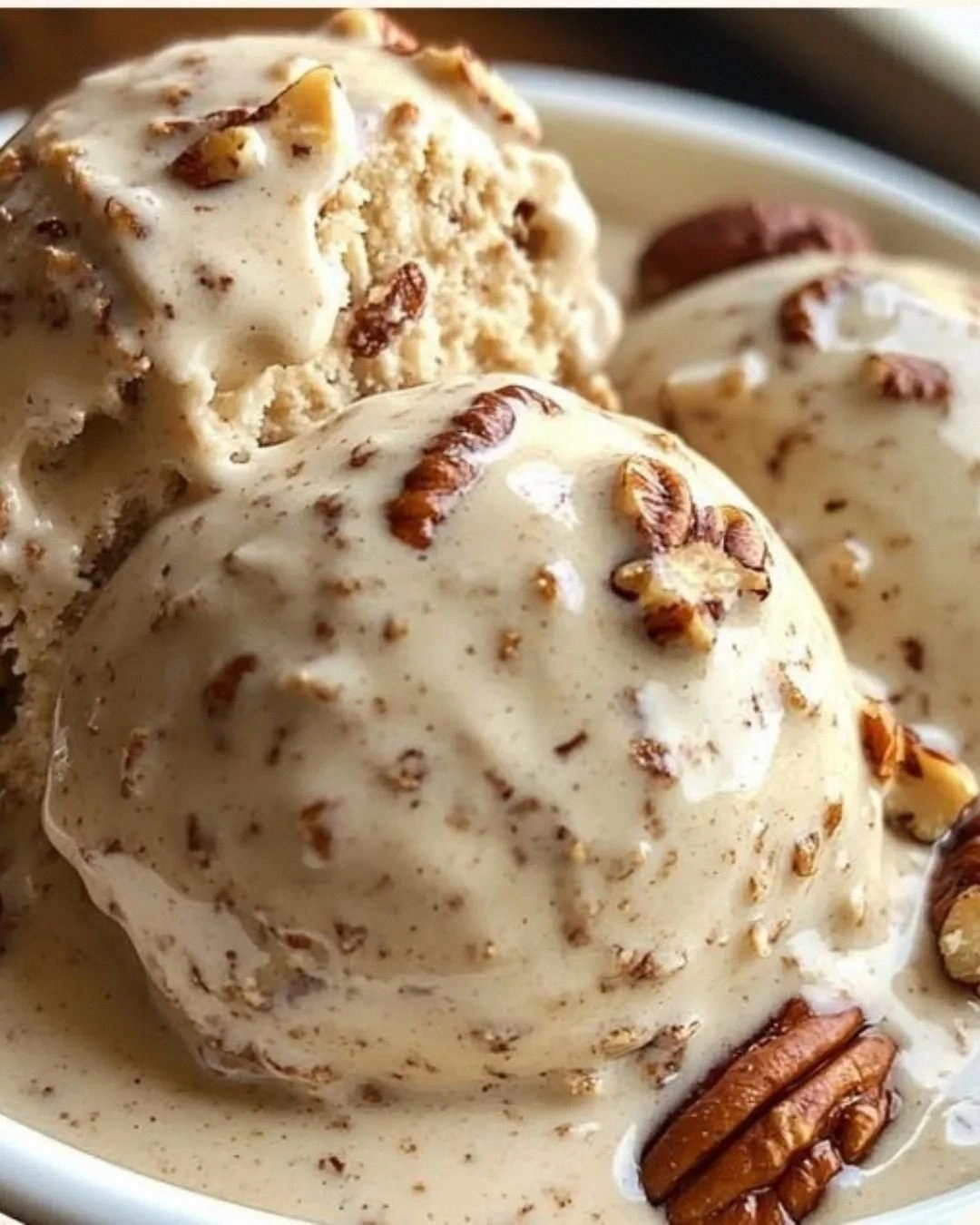
Imagine the first spoonful: a silk‑smooth ribbon of cream that hugs your tongue like a cashmere blanket, punctuated by crunchy pecan shards that crack with a satisfying pop. The flavor is a perfect dance between buttery richness and a subtle caramel‑nutty depth, a balance that makes you pause, smile, and then dive right back in. The texture? Think of the smoothest custard you’ve ever tasted, only colder, and with those glorious nutty bits that add a playful crunch. I’ll be honest — I ate half the batch before anyone else got a chance, and that’s a confession I’m not shy about because the taste is simply that good.
What makes this version stand out is a secret technique: I temper the egg yolks with a hot milk‑cream mixture, then finish the custard on low heat while constantly whisking until it thickens just enough to coat the back of a spoon. Most recipes either skip this step or over‑cook, resulting in a grainy mess. My version also includes a quick butter‑infused pecan toast that brings out a toasty, almost smoky nuance you won’t find in any boxed mix. The result is a dessert that feels both luxurious and comforting, a sweet treat that could easily become the star of any dinner party or a quiet night in.
If you’ve ever struggled with ice cream that turns into a soupy disappointment after a few minutes in the freezer, you’re not alone — I’ve been there too. The fix? A tiny dash of salt and a splash of melted butter that lock in moisture and keep the texture velvety even after a week. And here’s the kicker: I’ll reveal a little-known trick involving a brief blast of high heat in the oven that caramelizes the pecans just enough to create a flavor explosion without burning them. Okay, ready for the game‑changer? Let me walk you through every single step — by the end, you’ll wonder how you ever made it any other way.
What Makes This Version Stand Out
- Flavor Depth: The toasted pecans are butter‑infused, giving a caramel‑nutty richness that beats any plain nut addition.
- Silky Texture: The custard base is gently cooked, avoiding the dreaded grainy texture that many home cooks fear.
- Simplicity: Only eight ingredients, all pantry staples, yet the technique feels like a professional’s secret.
- Uniqueness: A quick oven‑roast of pecans adds a smoky edge you won’t find in store‑bought versions.
- Crowd Reaction: I dare you to taste this and not go back for seconds; it’s a guaranteed applause‑worthy dessert.
- Ingredient Quality: Using real heavy cream and fresh eggs creates a richness that powdered mixes can’t mimic.
- Cooking Method: The tempering step ensures the yolks don’t scramble, preserving a custard‑smooth mouthfeel.
- Make‑Ahead Potential: This ice cream actually improves after 24 hours as the flavors meld together.
Inside the Ingredient List
The Flavor Base
Heavy cream is the heart of any good ice cream. Its high butterfat content gives that luxurious mouthfeel and prevents ice crystals from forming. If you substitute with a low‑fat milk, you’ll notice a watery texture that feels more like a slush than a scoop. Whole milk works alongside the cream to add body without making the final product overly dense. A splash of vanilla extract adds a fragrant backdrop that makes the pecan notes shine brighter. Skipping the vanilla is like going to a concert without the lead singer—still decent, but you’ll miss the star performance.
The Texture Crew
Egg yolks are the secret agents of smoothness. Their natural emulsifiers bind the fat and water phases, creating a custard that stays silky even after freezing. If you’re allergic or vegan, you can replace them with a cornstarch slurry, but expect a slightly less creamy finish. Granulated sugar not only sweetens; it also lowers the freezing point, ensuring that the ice cream stays soft enough to scoop. A pinch of salt is the unsung hero that amplifies sweetness and balances the buttery richness.
The Unexpected Star
Pecans are more than just a crunchy add‑in; they bring a buttery, earthy flavor that pairs perfectly with dairy. Choose raw, unsalted pecans and toast them yourself for maximum aroma. If you grab pre‑roasted nuts, you might miss out on that fresh‑toasted punch. The melted butter I stir into the toasted pecans adds a glossy coating that locks in flavor and prevents the nuts from absorbing excess moisture from the custard.
The Final Flourish
A dash of melted butter not only enriches the nut coating but also adds a subtle sheen to the final ice cream, making each spoonful look as good as it tastes. The amount is modest—just enough to coat the nuts without turning the mixture greasy. Finally, a tiny pinch of salt ties everything together, preventing the sweetness from becoming cloying and letting the buttery pecan flavor truly pop.
Everything's prepped? Good. Let's get into the real action...
The Method — Step by Step
Start by preheating your oven to 350°F (175°C). Spread the raw pecans on a rimmed baking sheet, drizzle with a teaspoon of melted butter, and sprinkle a pinch of salt. Roast for 8‑10 minutes, stirring halfway, until they turn a deep golden brown and give off a nutty perfume. That sizzle when they hit the pan? Absolute perfection. Watch out: Keep a close eye—pecans can go from toasted to burnt in seconds.
Watch Out: Over‑roasted pecans become bitter, ruining the delicate balance of the ice cream.While the nuts are in the oven, combine 2 cups heavy cream, 1 cup whole milk, and 3/4 cup sugar in a medium saucepan. Warm over medium heat, stirring occasionally, until the sugar dissolves and the mixture begins to steam. Do not let it boil—once you see tiny bubbles forming around the edges, it’s ready. This gentle heat coaxing out the sugar’s sweetness is what gives the base its silky foundation.
In a separate bowl, whisk 4 large egg yolks until they turn a pale, ribbon‑like consistency. This aeration is crucial; it prevents the custard from turning grainy later. Then, slowly pour about a cup of the hot cream mixture into the yolks, whisking constantly to temper them. This step is pure magic because it raises the yolks’ temperature without scrambling them.
Kitchen Hack: Use a heat‑proof silicone spatula for tempering; it gives better control and reduces the risk of accidental curdling.Return the tempered yolk mixture to the saucepan with the remaining cream. Cook over low heat, stirring constantly with a wooden spoon. You’ll notice the custard beginning to thicken; it should coat the back of the spoon and leave a clear line when you run your finger through it. This is the moment of truth—if the mixture is too thin, keep cooking; if it starts to bubble aggressively, remove it immediately.
Once thickened, remove the custard from the heat and stir in 1 teaspoon vanilla extract and 2 tablespoons melted butter. The butter adds a glossy finish and deepens the nutty flavor, while the vanilla rounds out the sweet profile. Let the custard cool to room temperature, then cover with plastic wrap directly on the surface to prevent a skin from forming.
While the custard chills, chop the roasted pecans roughly. Toss them with the remaining melted butter and a pinch of salt, ensuring each piece is well‑coated. This coating prevents the nuts from absorbing moisture later, keeping them delightfully crunchy.
Once the custard is fully cooled (about 30 minutes), pour it into your ice‑cream maker and churn according to the manufacturer’s instructions—usually about 20‑25 minutes. As the mixture thickens, you’ll see the glossy ribbon of custard turning into a soft‑serve texture. This is where the magic really starts to happen.
During the last 5 minutes of churning, slowly fold in the butter‑glazed pecans. This timing ensures the nuts stay crunchy and don’t get pulverized into the base. The contrast of creamy and crunchy should be evident in every spoonful.
Transfer the churned ice cream into a pre‑chilled airtight container. Smooth the top with a spatula, then press a piece of parchment paper directly onto the surface to prevent ice crystals. Freeze for at least 4 hours, but for the ultimate flavor development, let it sit overnight.
When you’re ready to serve, remove the ice cream from the freezer and let it sit for 5‑7 minutes. This short rest allows it to soften just enough for perfect scooping. Serve in chilled bowls, garnish with a few extra toasted pecans, and watch your guests’ faces light up. Picture yourself pulling this out of the freezer, the whole kitchen smelling incredible, and knowing you’ve just created a dessert that will be remembered for weeks.
Fun Fact: The process of churning introduces air, which is why ice cream feels lighter than a frozen custard that’s not churned.
That's it — you did it. But hold on, I've got a few more tricks that'll take this to another level...
Insider Tricks for Flawless Results
The Temperature Rule Nobody Follows
Never churn ice cream with a custard that’s still warm. Even a few degrees above room temperature can cause ice crystals to form, leading to a gritty texture. Let the custard chill completely—ideally in the refrigerator for at least an hour—before it meets the churner. I once tried to speed things up by pouring a warm custard straight into the machine; the result was a grainy mess that tasted like a frozen custard gone wrong. Patience here pays off in silky perfection.
Why Your Nose Knows Best
When the custard is cooking, trust your sense of smell more than a timer. The moment you detect a faint toasted, caramel scent, you know the sugar has dissolved fully and the mixture is approaching the perfect thickness. Over‑cooking will give a burnt note, while under‑cooking leaves a watery base. This nose‑guided approach is a secret weapon of professional chefs.
The 5‑Minute Rest That Changes Everything
After chilling the custard, let it sit uncovered for five minutes before covering it with plastic wrap. This brief exposure allows any surface skin to evaporate, ensuring a smoother final texture. I once covered the custard immediately and ended up with a thin film that made the ice cream feel slightly “rubbery.” The extra five minutes is a tiny price for that luxurious mouthfeel.
Butter‑Glazed Pecans vs. Plain Pecans
Coating the toasted pecans in melted butter and a pinch of salt right after roasting locks in flavor and prevents sogginess. Plain roasted pecans can become soggy when folded into the ice cream because they absorb moisture from the custard. The butter barrier keeps each bite crunchy, delivering that satisfying crack you crave.
The “Cold‑Start” Freeze Trick
Before you pour the churned ice cream into a container, chill the container in the freezer for at least 15 minutes. A cold container helps the ice cream set faster, preserving its airy texture. I tried using a room‑temperature bowl once, and the ice cream took longer to firm up, resulting in a softer, less scoopable final product.
Creative Twists and Variations
This recipe is a playground. Here are some of my favorite ways to switch things up:
Maple‑Pecan Dream
Swap half the granulated sugar for pure maple syrup and drizzle a tablespoon of extra maple over the toasted pecans before folding them in. The result is a caramel‑rich ice cream that screams autumn comfort, perfect for a cozy night by the fire.
Chocolate‑Swirl Delight
Create a simple chocolate ganache (equal parts dark chocolate and heavy cream) and swirl it into the churned ice cream just before the final freeze. The dark chocolate adds a bitter contrast that elevates the nutty sweetness, making it a hit for chocolate lovers.
Spiced Rum Pecans
Add a tablespoon of dark rum and a pinch of ground cinnamon to the pecan glaze. The rum deepens the nutty flavor, while the cinnamon adds a warm spice note, turning the ice cream into a holiday‑ready treat.
Coconut‑Infused Version
Replace half of the heavy cream with coconut milk and toast the pecans with shredded coconut. This tropical twist brings a subtle coconut aroma that pairs beautifully with the buttery pecans.
Coffee‑Kick Pecans
Dissolve a tablespoon of instant espresso powder in the milk‑cream mixture before heating. The coffee undertones complement the nutty flavor, creating a sophisticated dessert for brunch or after‑dinner coffee.
Storing and Bringing It Back to Life
Fridge Storage
If you plan to serve the ice cream within 24 hours, keep it in a sealed container in the freezer, but let it sit in the fridge for about 30 minutes before serving. This short tempering period softens the ice cream just enough for easy scooping without melting.
Freezer Friendly
For longer storage (up to 2 weeks), press a piece of parchment paper directly onto the surface before sealing the container. This barrier prevents ice crystals from forming. When you’re ready to enjoy it again, let it sit at room temperature for 5‑10 minutes, then give it a quick stir to reincorporate any separated cream.
Best Reheating Method
If the ice cream becomes too hard, add a tiny splash (about a tablespoon) of whole milk or cream and let it sit for a couple of minutes. The added liquid creates steam that gently softens the frozen mass, restoring that silky texture you fell in love with.