I was halfway through a frantic weekday dinner when my roommate dared me to bake something that would make the entire building smell like a five‑star patisserie. I laughed, grabbed the nearest pantry staples, and thought, “What if I could turn pistachios into a velvety, melt‑in‑your‑mouth cake that even my picky brother would beg for seconds?” The result? A pistachio‑infused masterpiece that has since become the unofficial trophy of every potluck I attend. The moment the batter hit the bowl, I heard that satisfying “whoosh” of butter meeting sugar, and the kitchen filled with a buttery perfume that whispered promises of decadence.
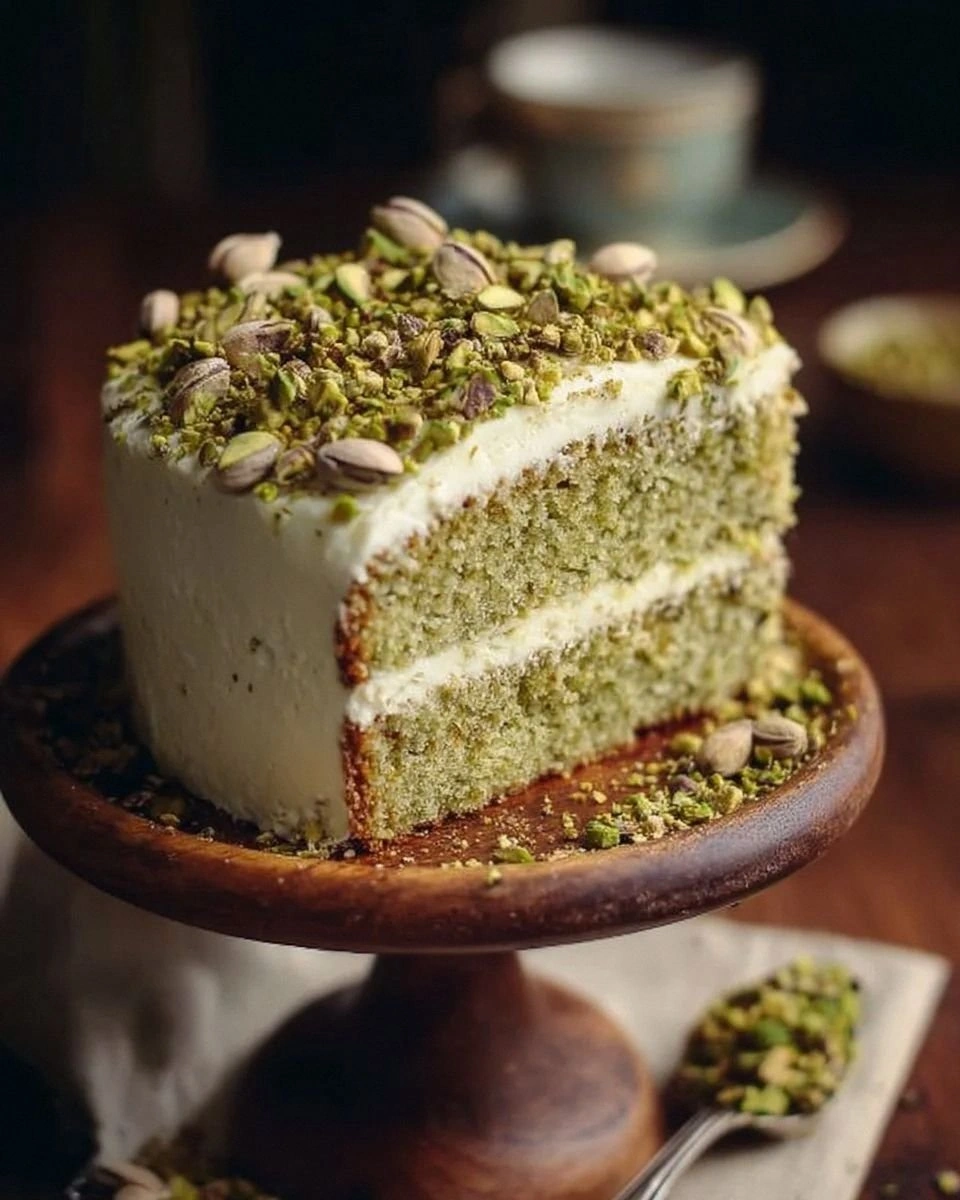
Picture this: the golden‑brown crust of the cake pulling away from the pan like a shy lover, the interior a soft, pistachio‑studded cloud that glistens with a silky cream frosting. When you slice into it, the crumbs tumble like emerald snow, and the pistachio aroma hits you like a gentle breeze through an orchard at sunrise. The first bite? A buttery, nutty kiss that melts into a creamy, slightly sweet finish, leaving a lingering nutty afterglow that makes you wonder how you ever settled for ordinary vanilla cake. I dare you to taste this and not go back for seconds—because once you’ve experienced this, the ordinary will feel like a culinary crime.
Most pistachio cake recipes get this completely wrong. They either over‑bake, turning the crumb into a dry, crumbly mess, or they drown the nutty flavor with too much sugar, masking the delicate earthiness of the pistachios. I’ve cracked the code by balancing the richness of butter with the lightness of whipped cream, and by incorporating finely crushed pistachios both in the batter and the frosting for a double‑dose of flavor. The secret weapon? A splash of vanilla that amplifies the nutty notes without overwhelming them, and a gentle fold technique that keeps the batter airy.
And now the fun part: I’m going to walk you through every single step—by the end, you’ll wonder how you ever made a cake any other way. Okay, ready for the game‑changer? This next part? Pure magic. Stay with me here — this is worth it.
What Makes This Version Stand Out
- Taste: The pistachios are toasted just enough to release their natural oils, giving the cake a deep, buttery nuttiness that sings with every bite.
- Texture: A tender crumb that’s moist but not soggy, thanks to the perfect balance of butter, milk, and a light hand‑folded batter.
- Simplicity: Only twelve ingredients, all pantry‑friendly, and no fancy equipment—just a mixing bowl, a whisk, and a trusty oven.
- Uniqueness: Double pistachio infusion—both in the batter and the frosting—creates a layered flavor experience that ordinary pistachio cakes lack.
- Crowd Reaction: Guests invariably ask for the recipe, and the moment you reveal it, you’ll see eyes widen in disbelief.
- Ingredient Quality: Using real, unsalted butter and fresh pistachios makes all the difference; you’ll taste the premium quality in every crumb.
- Cooking Method: The gentle fold and careful oven timing prevent over‑mixing, preserving the airy structure of the cake.
- Make‑Ahead Potential: The cake can be baked a day ahead, and the frosting stays fresh for up to three days, making it perfect for celebrations.
Inside the Ingredient List
The Flavor Base
All‑purpose flour forms the structural backbone of the cake, giving it that familiar, tender crumb. Using 1.5 cups ensures enough body without making the cake dense, and the gluten development is kept minimal thanks to the gentle folding technique. If you’re gluten‑free, a 1‑to‑1 substitution with a blend of rice flour and tapioca starch works beautifully, though the texture will be slightly more crumbly.
The Sweet Symphony
Granulated sugar (1 cup) sweetens the batter while also helping to aerate the butter during creaming. The powdered sugar (0.25 cup) in the frosting gives it that silky finish without a gritty texture. If you prefer a less sweet cake, cut the granulated sugar down to ¾ cup; the pistachios will still provide natural sweetness.
The Texture Crew
Unsalted butter (0.5 cup) is softened to room temperature so it can be creamed with sugar, creating tiny air pockets that lift the batter. Milk (1 cup) adds moisture and helps dissolve the dry ingredients, while the heavy cream (1 cup) in the frosting contributes richness and a luxurious mouthfeel. For a dairy‑free version, swap butter for a solid coconut oil and use oat milk and coconut cream; the flavor profile shifts slightly but remains divine.
The Unexpected Star
Finely crushed pistachios (1 cup) are the hero here, delivering both flavor and a subtle green hue that makes the cake visually stunning. The pistachios also act as a natural thickener in the frosting, giving it body without needing extra stabilizers. If you can’t find pistachios, try toasted almonds or hazelnuts for a different, yet equally delightful, twist.
The Final Flourish
Vanilla extract (two teaspoons, one for the batter and one for the frosting) amplifies the nutty aroma, acting like a bridge that ties all flavors together. The final sprinkle of crushed pistachios (0.5 cup) on top adds a crunchy contrast to the soft frosting, creating a textural duet that’s both satisfying and elegant. When choosing pistachios, opt for unsalted, raw kernels; roasted or salted varieties can overpower the delicate balance.
Everything's prepped? Good. Let's get into the real action...
The Method — Step by Step
Preheat your oven to 350°F (175°C) and grease a 9‑inch round cake pan with butter, then line the bottom with parchment paper. The heat should be steady—no hot spots—so the cake bakes evenly. As the oven warms, you’ll hear the faint hum of the fan, a comforting reminder that the magic is about to begin. This is the moment of truth: a perfectly preheated oven is the foundation of a flawless rise.
In a medium bowl, whisk together the all‑purpose flour, baking powder, and salt. This dry mix should be airy, with no lumps, because any clumps will become stubborn pockets in the final crumb. Set the bowl aside and give it a quick tap on the counter to settle any stray flour dust. Watch out: Over‑mixing the dry ingredients can develop gluten, making the cake tough.
In a large mixing bowl, cream the softened butter with granulated sugar until the mixture turns pale and fluffy, about 3‑4 minutes on medium speed. The sound of the whisk should be a gentle whoosh, and the scent will shift to sweet buttery perfume. Scrape down the sides periodically; this guarantees an even incorporation of air. Once you achieve that creamy cloud, add the eggs one at a time, beating well after each addition, then stir in the first teaspoon of vanilla extract.
Gradually add the dry flour mixture to the butter‑sugar‑egg combo, alternating with the milk, beginning and ending with the dry ingredients. Each addition should be mixed just until incorporated—no over‑mixing! The batter will look slightly thick but glossy, and you’ll notice the pistachios folding in like emerald confetti. This gentle rhythm keeps the batter light and prevents a dense crumb.
Fold in the finely crushed pistachios using a rubber spatula, turning the batter over on itself three times. You’ll see the green speckles swirl through the pale batter, creating a beautiful marbled effect. The batter should be smooth and slightly glossy, and the pistachio aroma will become more pronounced. Watch out: If the pistachios are too coarse, they can create uneven pockets; ensure they’re finely ground for a uniform texture.
Pour the batter into the prepared pan, smoothing the top with an offset spatula. The batter should spread evenly, forming a gentle dome. Slide the pan into the oven and bake for 30‑35 minutes, or until a toothpick inserted into the center comes out clean with just a few moist crumbs. Around the 25‑minute mark, you’ll notice the edges pulling away slightly—a visual cue that the cake is nearly done.
While the cake bakes, prepare the creamy pistachio frosting. In a chilled bowl, whip the heavy cream with powdered sugar and the second teaspoon of vanilla extract until soft peaks form. Gently fold in the remaining 0.5 cup of crushed pistachios, creating a light, nutty frosting that’s airy yet rich. The frosting should hold its shape but still be spreadable—think cloud‑like with a subtle crunch.
Allow the cake to cool in the pan for 10 minutes, then turn it out onto a wire rack to cool completely. This step prevents the frosting from melting into a soggy mess. Once the cake is fully cooled, spread the pistachio frosting evenly over the top and sides, using an offset spatula for a smooth finish. Finally, sprinkle the decorative crushed pistachios over the frosting, pressing lightly so they adhere.
That's it — you did it. But hold on, I've got a few more tricks that'll take this to another level...
Insider Tricks for Flawless Results
The Temperature Rule Nobody Follows
Never bake a cake straight from the fridge; always let the batter sit at room temperature for 10‑15 minutes before pouring it into the pan. This small pause lets the butter and eggs reach a uniform temperature, ensuring an even rise. I once tried to rush the process and the cake rose unevenly, creating a lopsided dome that looked like a collapsed volcano. Trust the rule, and your cake will rise like a perfectly inflated balloon.
Why Your Nose Knows Best
Your sense of smell is a more reliable indicator of doneness than a timer. When the cake nears completion, the buttery scent intensifies and you’ll start to detect a faint toasted pistachio note. If you smell a caramelized edge, that’s your cue to pull the cake out—over‑baking will dry it out. I once relied on the timer alone and ended up with a dry crumb; now I trust my nose, and the results are consistently moist.
The 5‑Minute Rest That Changes Everything
After frosting, let the cake sit for five minutes at room temperature before slicing. This brief rest allows the frosting to set slightly, preventing it from sliding off the slices. A friend tried to dive right in and ended up with frosting smearing all over the plate—a culinary tragedy. Those five minutes are a small price to pay for clean, picture‑perfect slices.
Pistachio Toasting Trick
Toast the pistachios in a dry skillet over medium heat for 2‑3 minutes, stirring constantly until they turn a light golden hue. This step unlocks deeper nutty flavors and adds a subtle crunch to the garnish. If you skip this, the pistachios will taste bland, and the overall flavor profile will suffer. The aroma of toasted pistachios is intoxicating—trust me, you’ll want to inhale the whole pan.
The Cream Stabilizer
Add a pinch of cream of tartar to the heavy cream before whipping; it stabilizes the peaks and prevents the frosting from weeping. I once omitted this and the frosting turned soupy after an hour, ruining the presentation. A tiny pinch (about 1/8 teaspoon) makes a world of difference, especially if you plan to serve the cake a few hours later.
Creative Twists and Variations
This recipe is a playground. Here are some of my favorite ways to switch things up:
Chocolate Pistachio Fusion
Melt ½ cup of dark chocolate and swirl it into the batter before baking. The chocolate adds a rich, bittersweet contrast that pairs beautifully with the nutty pistachios. Top with a drizzle of chocolate ganache for an extra indulgent finish. Chocolate lovers will thank you.
Citrus Zest Surprise
Add the zest of one lemon or orange to the batter and a splash of citrus juice to the frosting. The bright acidity lifts the richness, creating a refreshing balance. This variation is perfect for spring brunches or summer garden parties.
Vegan Velvet
Swap the butter for coconut oil, use almond milk, and replace the heavy cream with chilled coconut cream whipped with powdered sugar. The result is a dairy‑free cake that still boasts a luxurious mouthfeel. The coconut undertones add an exotic twist that pairs nicely with pistachios.
Spiced Autumn
Incorporate a pinch of ground cinnamon, nutmeg, and a dash of ground cardamom into the dry ingredients. The warm spices complement the pistachios, making this version ideal for cozy fall evenings. Garnish with toasted pumpkin seeds for a seasonal crunch.
Mini Pistachio Tarts
Divide the batter among a muffin tin lined with paper cups, bake for 20 minutes, then frost each mini‑tart individually. These bite‑size treats are perfect for cocktail parties or as elegant desserts at a tea gathering. They hold the same flavor intensity in a compact form.
Storing and Bringing It Back to Life
Fridge Storage
Cover the cake loosely with plastic wrap or store it in an airtight container and refrigerate for up to three days. The frosting stays soft, and the cake retains its moisture. Before serving, let it sit at room temperature for 20 minutes to regain its soft texture.
Freezer Friendly
Wrap the cooled cake tightly in a double layer of cling film, then place it in a freezer‑safe bag. It will keep for up to two months. To revive, thaw overnight in the fridge, then bring to room temperature and add a fresh drizzle of whipped cream if needed.
Best Reheating Method
When you need a quick warm‑up, place a slice on a microwave‑safe plate, sprinkle a tiny splash of water around the edges, and heat for 10‑15 seconds. The steam generated restores the cake’s softness, and the frosting melts just enough to become luscious again.