Remember that summer picnic when your potato salad turned into a soggy, bland disaster? I was there, watching my friends bite into a dish that tasted like cardboard. That moment was the spark that pushed me to reinvent the classic. I dug into the pantry, pulled out dill pickles, and decided to give potatoes a new lease on life. The result? A dish so vibrant, it made the whole table feel like a backyard festival. If you’ve ever felt the sting of a failed salad, buckle up—this is your rescue plan.
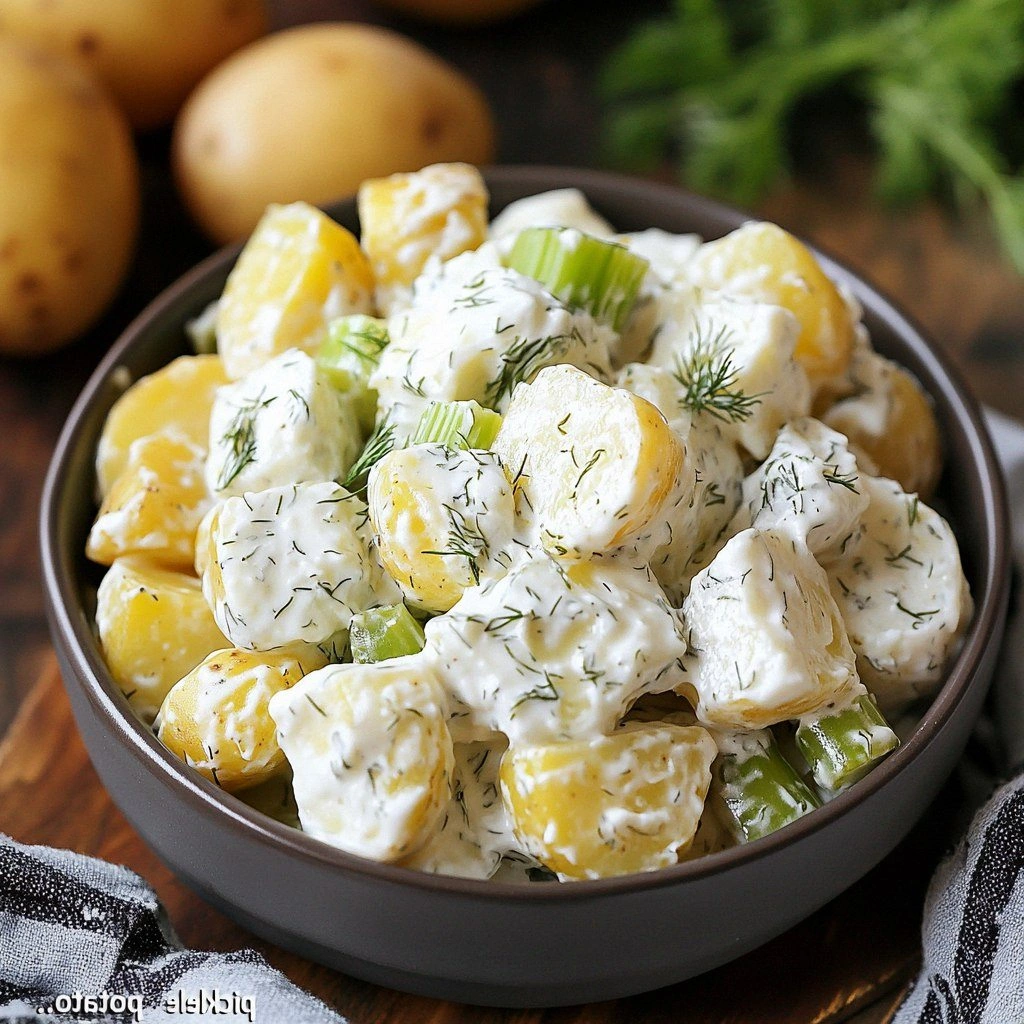
Imagine the golden hue of freshly boiled potatoes, the crisp snap of dill pickles, the sharp tang of vinegar dancing in the air. The aroma of toasted mustard mingles with the earthy scent of potatoes, while a faint citrus note lingers. When you bite, the creamy mayo coats each bite like velvet, then the pickles burst with a satisfying crunch. The dill sprigs add a green pop that feels almost like a fresh breeze. The whole experience is a sensory rollercoaster that makes you forget you’re eating a side dish.
What sets this version apart is the balance of flavors that feels both familiar and daring. The pickles are not just a garnish; they’re the star that cuts through the richness of mayo. The mustard adds depth, while a splash of apple cider vinegar keeps the dish bright. The potatoes are boiled just right—tender yet firm—so they hold up against the crunchy pickles. And the dill, fresh and fragrant, ties everything together with a herbaceous whisper. This isn’t just another potato salad; it’s a flavor revelation.
But the secret doesn’t end at the ingredients. There’s a technique that elevates the texture, a trick that keeps the salad from turning soggy overnight. I’ll show you how to season the potatoes in a way that locks in moisture and flavor. I also have a quick method for slicing pickles that maximizes their crunch. These little hacks might seem trivial, but they’re the difference between a forgettable side and a crowd‑pleaser.
And if you think this is just a recipe, think again. The next few pages are a playbook for mastering a dish that will become a staple at every gathering. From the first stir to the final garnish, I’ll walk you through each step with a side‑by‑side feel. I’ll point out the moments that matter and the ones that can be saved for later. By the end, you’ll wonder how you ever made it any other way.
So grab your skillet, your favorite pickles, and let’s dive into the ultimate dill pickle potato salad. I promise you, the first bite will make you say, “I dare you to taste this and not go back for seconds.” The journey starts now.
What Makes This Version Stand Out
- Taste: The flavor profile is a harmonious blend of creamy, tangy, and herbaceous notes. The dill pickles deliver a bright, briny punch that cuts through the richness of mayo. The subtle sweetness from sugar balances the acidity for a rounded finish.
- Texture: Each bite offers a satisfying contrast between smooth potatoes, crunchy pickles, and crisp celery. The potatoes hold their shape, preventing a mushy salad. The finish is light, not heavy, thanks to the airy mayo mixture.
- Ingredient Quality: Using fresh, high‑quality pickles and dill makes all the difference. A good pickles’ crispness can’t be replaced by jarred ones. Fresh herbs add aroma that lingers long after the meal.
- Make‑Ahead Potential: This salad keeps its integrity for up to 48 hours when refrigerated properly. The dressing’s acidity helps preserve the crunch of the pickles. It’s perfect for potlucks and picnic lunches.
- Simplicity: Only a handful of ingredients, no fancy equipment, and a single pot of boiling water. The recipe is so straightforward that even novice cooks can master it. Yet the result feels gourmet.
- Crowd Reaction: Friends and family rave about the crunch and the bright dill flavor. It’s the kind of dish that becomes the talk of the table. Even the most discerning palates can’t resist the first bite.
- Unique Twist: The use of apple cider vinegar instead of plain vinegar adds a subtle fruitiness. This small change elevates the overall taste profile. It’s a subtle, yet game‑changing detail.
- Time Efficiency: From prep to plate, the entire process takes under 45 minutes. The quick pickling technique saves you from waiting hours. It’s the perfect balance of speed and flavor.
Alright, let's break down exactly what goes into this masterpiece...
Inside the Ingredient List
The Flavor Base
The foundation of any great potato salad is the flavor base that coats each potato cube. In this recipe, the base is a creamy, tangy dressing that marries mayo with Dijon mustard, a touch of sugar, and a splash of apple cider vinegar. Each component plays a pivotal role: mayo gives body, mustard adds depth, sugar balances acidity, and vinegar brightens the palate. Skipping any of these would leave the salad feeling flat; for example, omitting the vinegar would make the dish overly sweet and dull. If you’re craving a lighter version, substitute half the mayo with Greek yogurt or silken tofu for a protein boost and a tangier bite. When choosing a mayo, look for a brand with a smooth, neutral flavor—no eggy aftertaste that can overpower the dill pickles.
The Texture Crew
Dill pickles are the crunch factor that gives this salad its signature bite. Fresh, homemade pickles hold their firmness better than store‑bought varieties, but a high‑quality jarred pickle will still work if you cut them into thin, even slices. Celery adds a subtle peppery note and a satisfying snap that contrasts with the softness of the potatoes. Red onion contributes a sharp, sweet edge that brightens each bite; if you’re sensitive to onions, you can use a milder green onion instead. The combination of these crisp elements prevents the salad from becoming a mushy mass and keeps every forkful exciting.
The Unexpected Star
Apple cider vinegar is the unsung hero that injects a bright, fruity tang into the dressing. Its natural sweetness balances the sharpness of the mustard and the saltiness of the pickles. Using apple cider vinegar instead of plain white vinegar adds a subtle depth that elevates the entire dish. If you’re looking for a milder option, try using a splash of lemon juice or a touch of balsamic vinegar for a different twist. This ingredient is the secret that turns an ordinary salad into a memorable side.
The Final Flourish
Fresh dill is the aromatic finale that brings everything together. Its bright, citrusy flavor complements the pickles and lifts the heaviness of the mayo. A generous handful of chopped dill adds a pop of color and a burst of herbaceous freshness. If you don’t have fresh dill on hand, dried dill can work, but it will lack the vibrant aroma. A quick garnish of chopped chives or scallions also adds a gentle oniony note that rounds out the profile.
Everything's prepped? Good. Let's get into the real action...
The Method — Step by Step
- Start by rinsing 2 lbs of small, waxy potatoes under cold water. Peel them if you prefer a smoother texture, then cut into uniform 1/2‑inch cubes to ensure even cooking. Bring a large pot of salted water to a rolling boil, then drop the potatoes in. Cook for 8–10 minutes, or until a fork slides into the largest pieces with minimal resistance. Drain immediately and transfer the hot potatoes to a bowl of ice water to halt the cooking process and lock in firmness. Once cooled, gently pat them dry with a clean towel to remove excess moisture.
- This step is critical for preventing sogginess. The ice bath stops the potatoes from continuing to cook, which would release starch and create a mushy texture. Make sure the water is cold enough to bring the potatoes to near room temperature quickly. If you skip this, the salad will feel heavy and the pickles may lose their crunch. Keep the potatoes in the bowl until you’re ready to mix the dressing.
- While the potatoes cool, dice 1 cup of dill pickles into bite‑sized cubes. Use a sharp knife and cut them evenly so each bite has a consistent crunch. Add 1/4 cup of chopped celery and 1/4 cup of finely diced red onion to the mix. If you prefer a milder onion flavor, substitute the red onion with green onion or scallions. Stir the vegetables together until they’re evenly distributed.
- In a medium bowl, whisk together 1 cup of mayonnaise, 2 tbsp of Dijon mustard, 1 tsp of sugar, 1 tbsp of apple cider vinegar, and 1 tbsp of lemon juice until the mixture is smooth and glossy. Taste the dressing; it should be tangy with a hint of sweetness. Adjust by adding a pinch more sugar or vinegar if needed. The dressing should coat the back of a spoon without being overly runny.
- Add the cooled potatoes, diced pickles, celery, and onion to the dressing. Gently fold the mixture together using a large spoon or tongs, making sure each potato cube is coated. Avoid over‑mixing, as this can break the potatoes and release moisture. The goal is a lightly mixed salad that still showcases individual textures.
- Season the salad with 1 tsp of salt and 1/2 tsp of black pepper. Taste and adjust; the seasoning should enhance, not overpower, the other flavors. Once seasoned, cover the bowl with plastic wrap and refrigerate for at least 30 minutes to let the flavors meld. The chill also firms up the dressing, giving the salad a satisfying bite.
- Before serving, give the salad a gentle stir to redistribute the dressing. Garnish with a handful of fresh dill and a few extra pickle cubes if desired. The final touch is a sprinkle of paprika or a dash of hot sauce for a subtle kick. Plate the salad in a shallow bowl to showcase its vibrant colors. Enjoy the first bite—this is the moment you’ll want to taste again.
- If you plan to serve the salad later, keep it chilled in an airtight container. Re‑stir before serving to ensure the dressing is evenly distributed. A quick splash of cold water or a splash of the original dressing can revive any dryness that develops over time.
That's it — you did it. But hold on, I've got a few more tricks that'll take this to another level...
Insider Tricks for Flawless Results
The Temperature Rule Nobody Follows
Potatoes that are too hot when mixed with dressing release excess moisture, leading to a soggy salad. The trick is to let them cool to room temperature before combining. This simple step ensures the potatoes stay firm and the dressing clings properly. I once served a batch that was still steaming; the result was a watery mess that nobody touched. By letting the potatoes sit, you lock in the creamy texture you’re aiming for.
Why Your Nose Knows Best
Aroma is a powerful flavor indicator. If the salad smells too sharp or vinegary, it’s probably over‑seasoned. Likewise, a faint scent of dill suggests the herb might have been added too early and lost its potency. Trust your nose; it’s a reliable guide to achieving the perfect balance. I once added dill too early, and the salad came out bland—so keep it fresh.
The 5-Minute Rest That Changes Everything
After folding the dressing into the potatoes, let the salad sit for exactly five minutes. This pause allows the potatoes to absorb the dressing and the pickles to release their brine, creating a harmonious flavor profile. Skipping this step results in a salad that tastes like a mash of separate ingredients rather than a unified dish.
The Secret to Crispy Pickles
Pickles lose crunch when exposed to liquid for too long. To maintain their crispness, toss them with a pinch of salt and let them sit for 10 minutes before adding to the salad. The salt draws out moisture and firms up the texture. When you serve, the pickles will still crackle with every bite.
The Magic of Fresh Dill
Fresh dill’s flavor is fleeting; it dissipates quickly once exposed to heat or time. Add it right before serving to preserve its bright, citrusy notes. If you’re prepping ahead, keep the dill in a separate container and mix it in just before plating. This simple move elevates the entire dish.
The One‑Minute Quick Fix for Over‑Soggy Salad
If your salad turns out watery, there’s a quick rescue. Place the salad in the freezer for 10–15 minutes; the cold will firm up the dressing and the potatoes. Afterward, stir vigorously to redistribute the moisture. The result is a crisp, refreshing salad that feels freshly made.
Creative Twists and Variations
Classic Greek Yogurt Version
Swap half of the mayo for plain Greek yogurt to cut calories and add a tangy protein boost. The yogurt’s thickness gives the salad a silky texture, while the dill pickles keep the crunch intact. This version is perfect for a light lunch or a Mediterranean‑inspired gathering.
Smoky Bacon & Cheddar Twist
Crumbled bacon and sharp cheddar cheese transform the salad into a savory, indulgent treat. Cook the bacon until crisp, then crumble it over the finished dish. Sprinkle shredded cheddar on top for a gooey, melty finish that pairs wonderfully with the dill.
Mediterranean Herb Fusion
Add chopped parsley, oregano, and a splash of olive oil to the dressing for a Mediterranean flair. Replace the dill with a mix of herbs for a more complex aroma. The olive oil adds a silky finish and elevates the dish to a gourmet side.
Spicy Sriracha Kick
Stir a teaspoon of sriracha into the dressing for a spicy, smoky heat. The pickles’ brightness balances the heat, creating a dynamic flavor profile. This version is ideal for those who love a little spice in their salads.
Vegan Kale & Avocado Edition
Swap the potatoes for diced roasted sweet potatoes and add a handful of fresh kale. Blend in ripe avocado for creaminess, eliminating dairy altogether. The result is a nutrient‑dense, plant‑based salad that still honors the dill pickle crunch.
Rustic Root Vegetable Mix
Replace some potatoes with diced carrots, parsnips, or turnips for a colorful, earthy mix. Roast the root vegetables lightly before adding to the salad to bring out their natural sweetness. This variation adds depth and makes the dish a hearty side for winter gatherings.
Storing and Bringing It Back to Life
Fridge Storage
Store the salad in an airtight container in the refrigerator for up to 48 hours. Keep the container shallow to maintain the dressing’s consistency and the pickles’ crunch. When you’re ready to serve, give it a quick stir to redistribute the dressing.
Freezer Friendly
While not ideal for texture, you can freeze the salad for up to 2 weeks if you’re in a hurry. Freeze in a freezer‑safe container, then thaw in the refrigerator overnight. After thawing, stir in a splash of fresh dill and a dash of vinegar to revive the flavor.
Best Reheating Method
Reheating is best avoided, but if necessary, gently warm the salad in a saucepan over low heat, stirring constantly. Add a tiny splash of water or a tablespoon of the original dressing to keep the mixture moist. The key is to heat slowly to preserve the crispness of the pickles and the integrity of the potatoes.