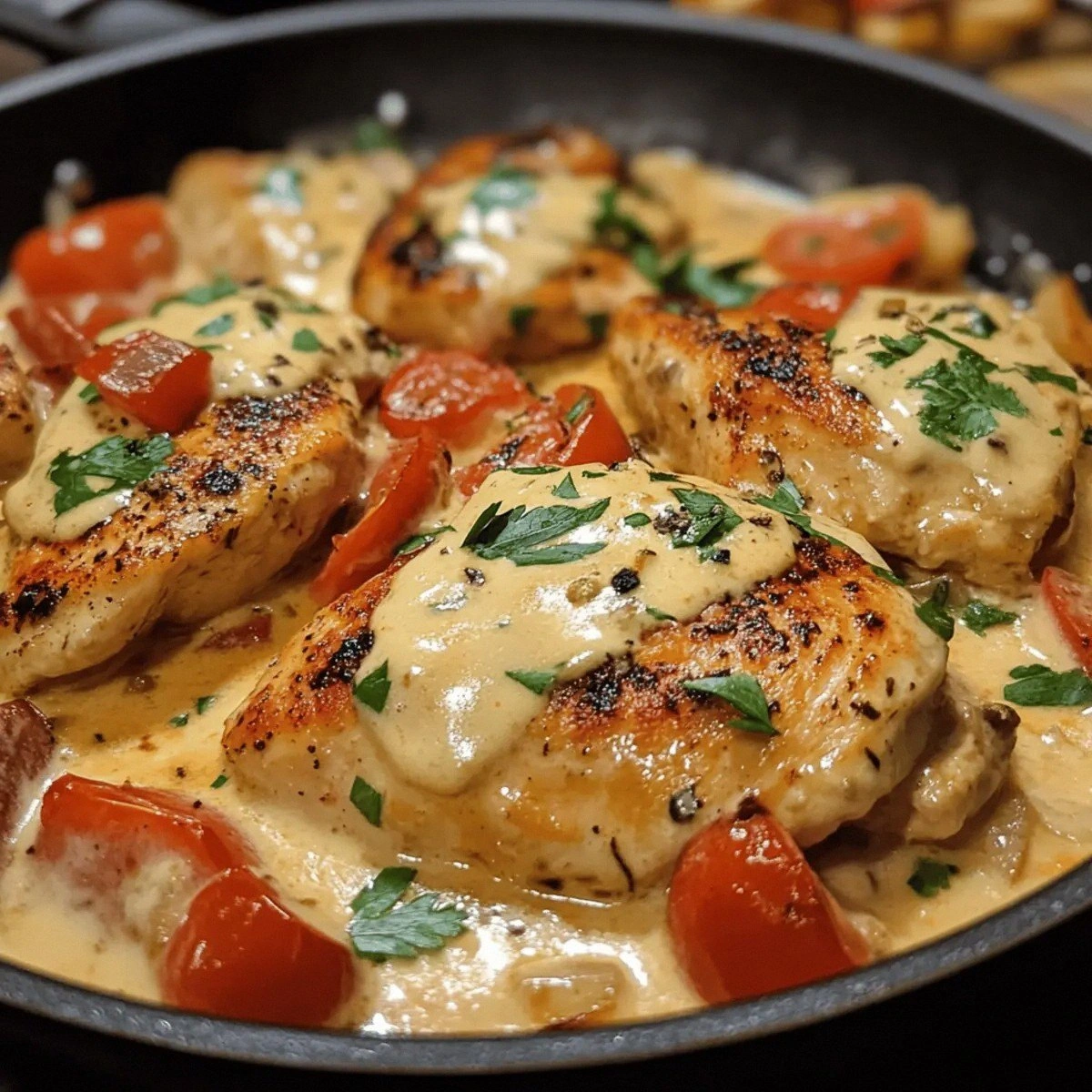
Picture this: the kitchen is a battlefield, the stove is a volcano, and you’re juggling a handful of ingredients that could make or break the evening. I was halfway through a dinner party, the clock was ticking, and the guests were already murmuring about the menu. I stared at the pantry, the fridge, the counter—nothing seemed right. Then a sudden burst of inspiration hit me: why not combine the tang of balsamic, the heartiness of chicken, and the crunch of fresh veggies in one pan? That was the moment I decided to create the ultimate Easy Balsamic Chicken & Veggie.
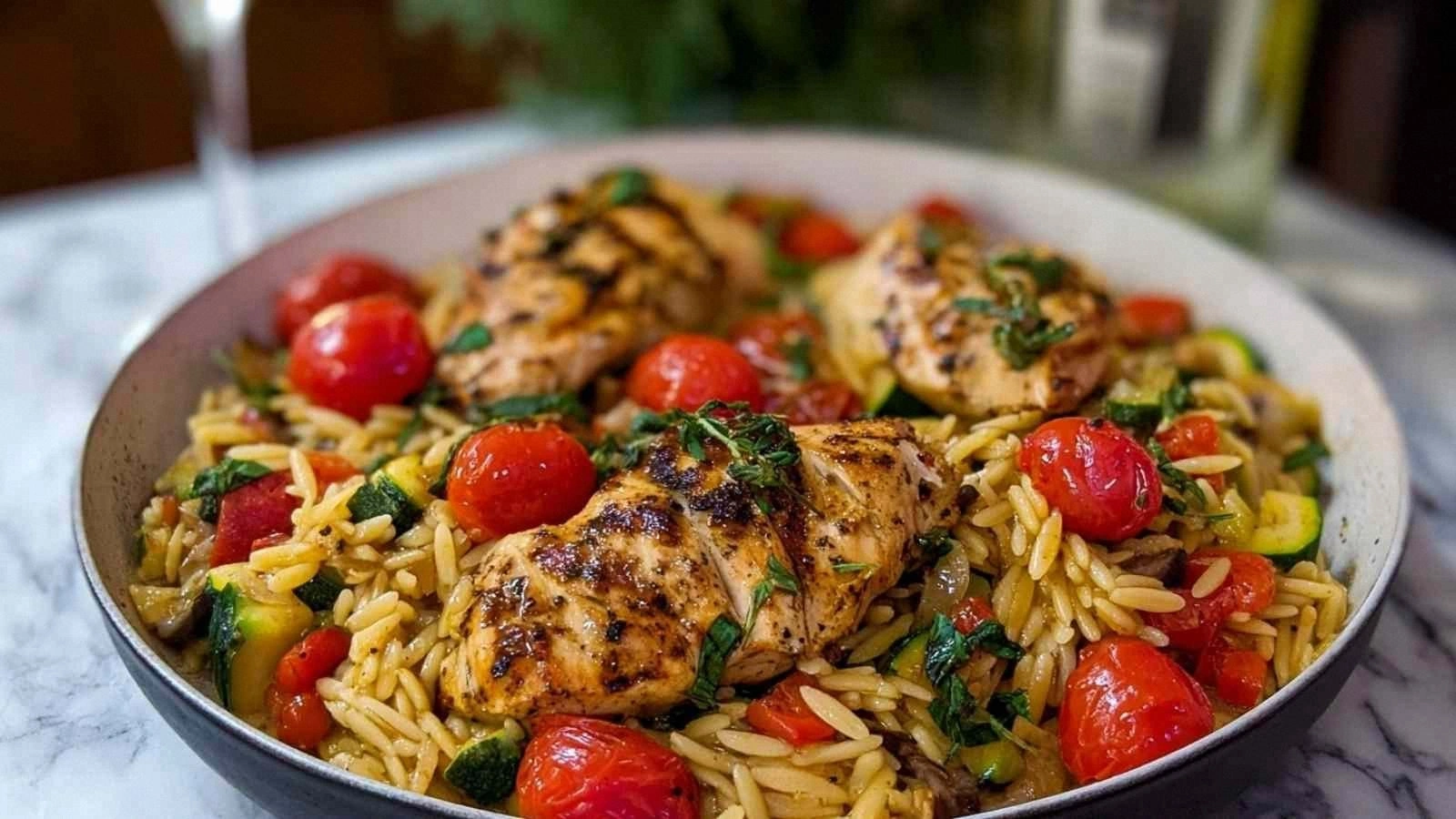
From the first sizzling splash of olive oil, the air filled with a warm, caramelized aroma that made my mouth water. The bright red of the cherry tomatoes glistened like tiny jewels, the green zucchini sliced into ribbons that promised a gentle crunch, and the bell pepper added a sweet, peppery note that danced on the tongue. The chicken, seasoned and seared, released a savory scent that mingled with the sweet undertone of balsamic vinegar. I could almost taste the velvety sauce coating the pasta, the subtle heat from the garlic, and the fresh basil leaf’s peppery finish. That sensory explosion was a promise that this dish would not only satisfy but also elevate any dinner.
What makes this version stand out from the endless list of chicken and pasta recipes? It’s the harmony of flavors, the simplicity of technique, and the sheer confidence that comes with knowing you’ve nailed the balance. Most recipes get this completely wrong—too much sauce, undercooked veggies, or chicken that’s dry. I dare you to taste this and not go back for seconds. I’ll be honest—I ate half the batch before anyone else got to try it. By the end, you’ll wonder how you ever made it any other way. Let me walk you through every single step — by the end, you’ll wonder how you ever made it any other way.
What Makes This Version Stand Out
- Flavor: The balsamic vinegar gives the dish a sweet acidity that cuts through the richness of the chicken, while the garlic adds depth. The fresh basil’s peppery bite finishes the dish, making every bite a burst of bright, layered flavors. The sauce coats the pasta like velvet, creating a silky texture that clings to every noodle.
- Texture: The orzo remains al dente, offering a satisfying bite that contrasts with the tender chicken. The vegetables are cooked just enough to retain their vibrant colors and a slight crunch that pops with each forkful. The sauce is thick enough to cling yet light enough to glide over the pasta.
- Simplicity: All the cooking happens in one pan, which means fewer dishes and a faster cleanup. No need for separate sauce pots or multiple pans—just a single skillet and a splash of patience. The recipe is straightforward enough for beginners yet sophisticated enough for seasoned cooks.
- Uniqueness: The combination of balsamic, orzo, and a medley of veggies isn’t a common pairing. It offers a new twist on classic chicken pasta dishes, providing a fresh take that feels both comforting and adventurous.
- Crowd Reaction: The dish is a crowd pleaser—its vibrant colors and bold flavors make it a hit at dinner parties, family meals, and even date nights. Guests rave about the sauce’s depth and the chicken’s juiciness.
- Ingredient Quality: Using high‑quality, fresh produce elevates the dish. Fresh basil, ripe tomatoes, and good‑grade balsamic vinegar make the difference between good and unforgettable.
- Cooking Method: The one‑pan technique ensures that the flavors meld beautifully. The searing step locks in juices, while the simmering allows the sauce to reduce and intensify.
- Make‑Ahead Potential: The dish can be prepared ahead of time and reheated without losing its flavor. The sauce actually improves as it sits, allowing the flavors to meld even further.
Inside the Ingredient List
The Flavor Base
At the heart of this dish lies the humble balsamic vinegar. Its deep, caramelized sweetness cuts through the richness of the chicken and creates a sauce that coats the pasta like velvet. If you skip the balsamic, the dish loses its signature tang and becomes a bland, ordinary chicken pasta. A good quality balsamic—preferably one that’s aged for at least 12 months—provides a complex flavor profile with notes of dark fruit and a subtle hint of wood. If you’re on a budget, a lighter, less expensive balsamic works, but the depth of flavor will be noticeably shallower.
The Texture Crew
The orzo pasta is the star of the texture department. Its small, rice‑shaped grains absorb the sauce beautifully while remaining al dente, offering a pleasant bite that’s far from mushy. If you use a different pasta shape, like penne or fusilli, the sauce won’t cling as well, and you’ll lose that silky, cohesive mouthfeel. To keep the orzo from sticking together, toss it in a bit of olive oil before adding it to the pan, and stir frequently during the first minute of cooking.
The Unexpected Star
Fresh basil isn’t just a garnish; it’s the final flourish that brings everything together. Its peppery, slightly sweet flavor cuts through the richness of the chicken and balances the acidity of the balsamic. If you’re out of basil, try parsley or a handful of fresh oregano for a slightly different twist. Basil leaves should be torn or chopped just before serving to preserve their aroma and color.
The Final Flourish
Seasoning is the invisible force that elevates the dish from good to unforgettable. A pinch of salt and a dash of pepper are essential, but don’t be shy—taste as you go and adjust accordingly. The garlic adds depth and a subtle heat; if you’re sensitive to garlic, you can reduce the cloves to one or even sauté the garlic in a splash of olive oil until it’s golden and fragrant. The dried oregano provides a warm, earthy note that complements the basil’s freshness.
Everything's prepped? Good. Let's get into the real action...
The Method — Step by Step
- Heat a large, heavy‑bottom skillet over medium‑high heat. Add the olive oil, letting it shimmer. The oil should be hot enough that a splash of water sizzles and evaporates immediately. This is the moment of truth—if the oil isn’t hot, the chicken will steam instead of sear, and you’ll end up with a soggy mess.
- Pat the chicken breasts dry with paper towels. Season generously with salt and pepper on both sides. Place them in the skillet, skin side down if they have skin, and let them cook undisturbed for about 3–4 minutes. The edges will start pulling away, and the bottom should develop a golden crust. Flip once and cook another 3–4 minutes. The chicken should reach an internal temperature of 165°F.
- Remove the chicken from the skillet and set aside. In the same pan, add the sliced red onion and diced bell pepper. Sauté until the onion turns translucent and the pepper starts to soften, about 3–4 minutes. This step builds a flavorful base for the sauce.
- Add the minced garlic to the skillet, stirring constantly to prevent burning. Cook for about 30 seconds until fragrant. The aroma should be sweet and inviting—if it smells burnt, it’s time to lower the heat. This quick step unlocks the garlic’s full potential.
- Pour in the chicken broth and balsamic vinegar, stirring to deglaze the pan. Scrape up any browned bits from the bottom—these are flavor gold. Bring the mixture to a gentle simmer, letting it reduce slightly for about 2 minutes. The liquid should thicken into a glossy sauce.
- Return the chicken breasts to the skillet, nestling them into the sauce. Cover and let them simmer for 5 minutes, allowing the flavors to marry. The chicken should absorb the balsamic’s sweetness, becoming juicy and flavorful.
- Add the orzo pasta to the pan, stirring to combine. Cook uncovered for 10 minutes, stirring occasionally, until the pasta is al dente and the sauce has thickened. The orzo will absorb the liquid, creating a cohesive, flavorful bed.
- Stir in the cherry tomatoes and sliced zucchini. Cook for an additional 2–3 minutes until the veggies are heated through but still retain their color and crunch. The final dish should look like a vibrant mosaic of colors.
- Remove from heat, sprinkle chopped fresh basil, and give everything a gentle toss. The basil’s aroma will lift the dish, and the sauce will cling to every strand of orzo. Plate immediately, and serve with a side of crusty bread or a light salad.
That's it — you did it. But hold on, I've got a few more tricks that'll take this to another level. Stay tuned for insider tips that will elevate every bite.
Insider Tricks for Flawless Results
The Temperature Rule Nobody Follows
Many cooks assume that a high heat is always better for searing. In reality, a slightly lower temperature (around 350°F) gives the chicken a more even, golden crust while preventing the exterior from burning before the interior is cooked. I’ve seen seasoned chefs skip this step, and the result is often a chicken that’s dry on the outside and under‑cooked inside. Keep the heat moderate, and you’ll get that perfect, juicy center.
Why Your Nose Knows Best
Before you even touch the skillet, trust your nose. A good aroma of caramelized onions and fresh basil signals that your sauté is on point. If the smell is flat or metallic, it’s a sign that the pan is too hot or that the oil isn’t heated properly. Use your senses as your guide—taste and smell are the most reliable indicators of progress.
The 5‑Minute Rest That Changes Everything
After the chicken finishes cooking, let it rest for 5 minutes before slicing. This simple step allows the juices to redistribute throughout the meat, ensuring each bite is moist and flavorful. Skipping the rest often leads to a dry, disappointing texture that ruins an otherwise stellar dish.
Layering Flavors Like a Master Chef
When adding the orzo, do it in two stages: first, add half the pasta, let it absorb the sauce for a minute, then add the rest. This technique ensures that every grain is coated and that the sauce doesn’t become too thin. It also gives you a chance to taste and adjust seasonings on the fly.
Using Fresh Herbs vs. Dried
Fresh basil brings brightness, but if you’re short on time, a pinch of dried basil works. However, dried herbs release their flavor slowly, so sprinkle them at the end of cooking to preserve their potency. I’ve found that a tablespoon of dried basil added at the end can replicate the fresh flavor quite well.
Creative Twists and Variations
This recipe is a playground. Here are some of my favorite ways to switch things up:
Spicy Sriracha Kick
Stir in a tablespoon of sriracha sauce during the simmering step to give the dish a fiery edge. The heat will contrast beautifully with the sweet balsamic, creating a balanced, bold flavor profile. This variation is perfect for those who like a little heat in their meals.
Swap Orzo for Farro
Use farro instead of orzo for a nutty, chewy texture that adds a new dimension. Farro also brings a slightly earthy flavor that complements the balsamic and fresh herbs. The cooking time is similar, but you’ll need to keep an eye on the liquid absorption.
Vegetarian Version
Replace the chicken with grilled tofu or tempeh for a hearty, plant‑based twist. Marinate the protein in balsamic, garlic, and oregano before cooking to infuse flavor. This version is equally satisfying and keeps the dish’s vibrant color palette.
Gluten‑Free Adaptation
Swap the orzo for gluten‑free pasta or quinoa. The quinoa’s fluffy texture works wonderfully with the sauce, and the dish remains gluten‑free without compromising taste. Just be sure to rinse the quinoa thoroughly before cooking to remove its natural bitterness.
Herb‑Infused Chicken
Before searing, rub the chicken breasts with a mixture of fresh rosemary, thyme, and oregano. The herbs will create a fragrant crust that adds depth and complexity to the dish. This variation is ideal for a more rustic, garden‑fresh flavor.
Cheesy Finale
Sprinkle grated Parmesan cheese over the finished dish and let it melt into the sauce. The cheese adds a savory richness that pairs wonderfully with the balsamic’s sweetness. For a dairy‑free option, try nutritional yeast or a vegan cheese alternative.
Storing and Bringing It Back to Life
Fridge Storage
Store leftovers in an airtight container in the refrigerator for up to 3 days. The sauce will thicken as it cools, but it will still taste fresh. When reheating, add a splash of water or chicken broth to loosen the sauce and restore its silky texture.
Freezer Friendly
For longer storage, freeze the dish in freezer‑safe containers for up to 2 months. Thaw overnight in the refrigerator before reheating. The orzo may absorb more liquid in the freezer, so adding a little broth when you reheat will keep it from becoming mushy.
Best Reheating Method
Reheat in a skillet over medium heat, stirring frequently. Add a splash of water or broth to maintain moisture, and heat until the dish is steaming hot throughout. This method preserves the sauce’s richness and keeps the vegetables crisp.