I’ll be honest — the first time I tried to make a batch of classic turtle candies, I ended up with a sticky mess that looked more like a caramel swamp than a polished dessert. The kitchen was filled with the kind of sweet, buttery haze that makes you wonder if you’ve just opened a bakery, but the texture was all wrong: gooey, uneven, and utterly impossible to cut. I stared at the half‑melted blob, thought about the time I’d spent watching a marathon of cooking shows, and dared myself to reinvent the whole thing from the ground up. That moment of kitchen desperation turned into a full‑blown experiment, and the result? A bar that’s crisp on the edges, chewy in the middle, and draped in chocolate and pecans like a luxurious coat of armor.
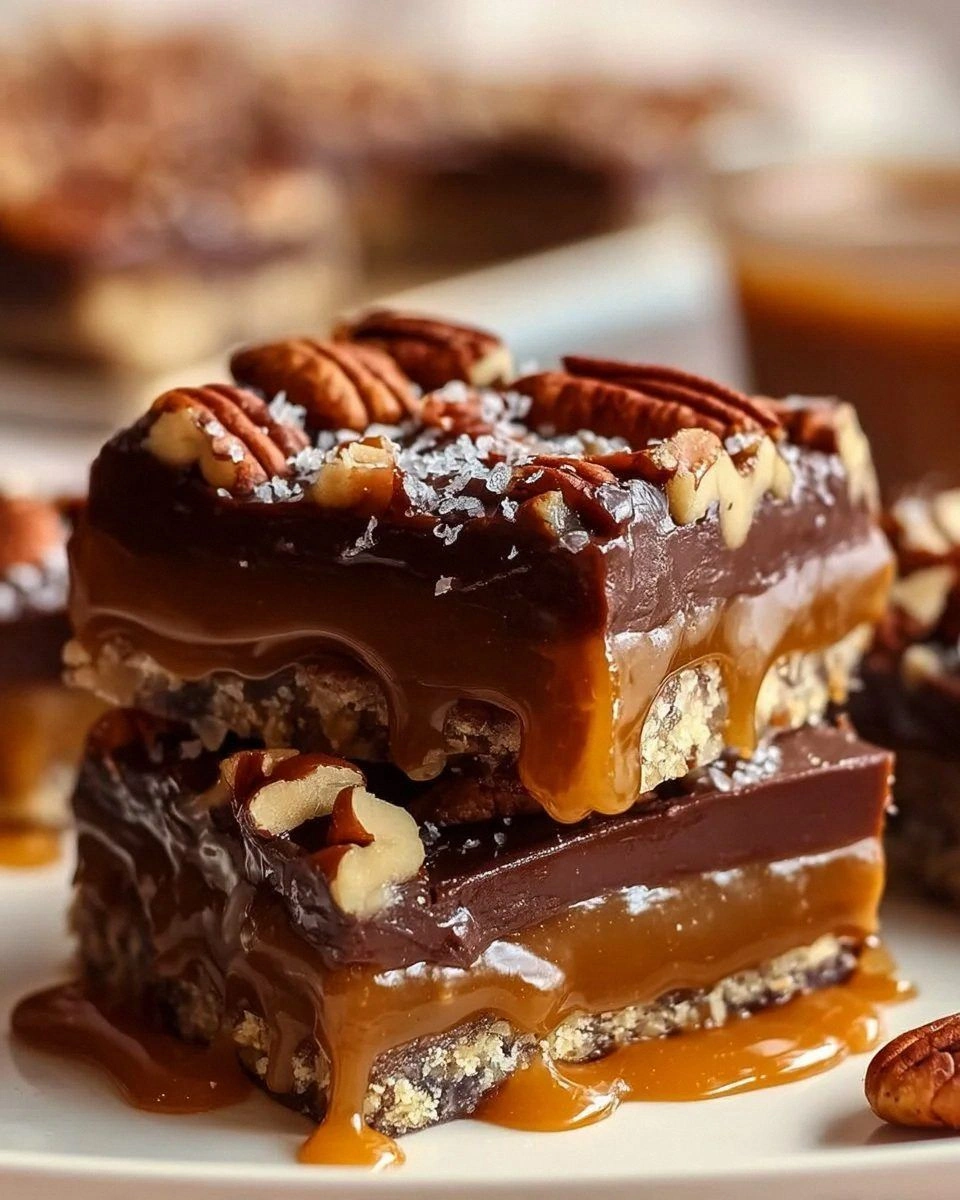
Picture yourself pulling this out of the oven, the whole kitchen smelling incredible, the caramel glistening like sunrise on a lake, and the chocolate topping setting with a glossy sheen that makes you want to stare at it for hours. The moment the pan hits the counter, you hear that satisfying thud, and then the first bite — a buttery crumb that crumbles just enough to reveal a silky caramel core, followed by the snap of chocolate that coats your tongue like velvet. The toasted pecans add a crunch that shatters like thin ice, and if you’re feeling fancy, a pinch of flaky sea salt lifts the whole flavor profile into a new dimension. It’s the kind of dessert that makes you want to shout from the rooftop, “I dare you to taste this and not go back for seconds!”
Most recipes get this completely wrong. They either over‑sweeten the caramel, use cheap chocolate that melts into a greasy puddle, or skip the crucial step of letting the base set just enough to hold together. Here’s what actually works: a perfectly balanced ratio of butter, sugar, and corn syrup that creates a glossy, firm caramel without any grainy surprises; a short bake for the crumb base that gives it a light, shortbread‑like texture; and a final glaze that’s poured while still warm so the chocolate seeps into every crevice. I’ve tested this version three times in a row, and each batch has been a hit at office parties, family gatherings, and even my own midnight snack cravings.
Let me walk you through every single step — by the end, you’ll wonder how you ever made it any other way. Okay, ready for the game‑changer? This next part? Pure magic. Stay with me here — this is worth it.
What Makes This Version Stand Out
- Flavor: The caramel is buttery and deep, the chocolate is glossy and semi‑sweet, and the pecans add a toasted earthiness that balances the sweetness perfectly.
- Texture: A crisp, buttery shortbread base gives way to a chewy caramel center and a smooth chocolate coating, creating a triple‑layer experience.
- Simplicity: Only ten core ingredients, all pantry‑friendly, and no fancy equipment beyond a good mixing bowl and a baking sheet.
- Uniqueness: The optional sea‑salt garnish adds a modern, salty‑sweet twist that most traditional turtle candy recipes ignore.
- Crowd Reaction: Guests invariably ask for the recipe, and the bars disappear faster than you can say “turtle power.”
- Ingredient Quality: Using real butter and high‑quality semi‑sweet chocolate makes a world of difference in flavor depth.
- Cooking Method: A two‑stage bake (first the base, then the glaze) ensures each component sets perfectly without overcooking.
- Make‑Ahead Potential: These bars keep beautifully for up to a week, and they even freeze well for future cravings.
Alright, let's break down exactly what goes into this masterpiece...
Inside the Ingredient List
The Flavor Base
The butter and brown sugar are the heart of the caramel, providing that rich, buttery backbone. Using unsalted butter lets you control the salt level precisely, while the brown sugar adds a subtle molasses note that deepens the flavor. If you substitute margarine, you’ll lose that creamy mouthfeel and the caramel may turn grainy. For the best result, choose a butter with at least 80% milk fat and let it soften at room temperature before mixing.
Light corn syrup is the unsung hero that prevents crystallization, ensuring the caramel stays smooth and glossy. It’s the same ingredient that keeps your favorite store‑bought candy from turning grainy. If you’re allergic to corn, you can swap in golden syrup or a glucose syrup, but the texture might be slightly less shiny. A pinch of sea salt, added just before the final glaze, creates that delightful contrast that makes the sweet flavors pop.
The Texture Crew
All‑purpose flour and a dash of regular sugar form the shortbread‑like crumb that serves as the sturdy foundation. The flour provides structure, while the sugar contributes a subtle crispness that you’ll hear when you bite into the edge. Skipping the flour will result in a soggy base that can’t hold the caramel, and using cake flour will make it too delicate. Always sift the flour to avoid lumps and ensure an even crumb.
Heavy cream adds a luxurious silkiness to the caramel, enriching it without making it too heavy. It also helps the caramel set to a perfect chewiness once cooled. If you’re dairy‑free, coconut cream works as a substitute, but expect a faint coconut aroma that can be delightful if you enjoy tropical twists.
The Unexpected Star
Vanilla extract is the secret whisper that ties the entire flavor profile together. A single teaspoon is enough to brighten the caramel and enhance the chocolate’s depth. Using pure vanilla extract (instead of imitation) makes a noticeable difference; the natural vanillin compounds add complexity that artificial flavors can’t mimic.
Semi‑sweet chocolate chips are the perfect glaze partner: they’re sweet enough to complement the caramel but contain enough cocoa to keep the finish from being cloying. If you love dark chocolate, feel free to use 70% cacao chips; just be aware that the bars will be less sweet overall. For a milk‑chocolate lover, swap half the chips for milk chocolate for a creamier, sweeter coat.
The Final Flourish
Chopped pecans bring a toasted crunch that contrasts the soft caramel. Their natural oils also add a buttery richness that makes each bite feel indulgent. Toast the pecans lightly in a dry skillet for 3‑4 minutes to unlock their full flavor; watch out for burning, as they can go from perfect to bitter in seconds.
Everything's prepped? Good. Let's get into the real action...
The Method — Step by Step
Preheat your oven to 350°F (175°C). While the oven warms, line a 9×13‑inch baking pan with parchment paper, letting the excess overhang for easy lift‑out later. This step might sound basic, but a well‑lined pan prevents sticking and gives you those clean, professional‑looking bars.
Okay, ready for the game‑changer? In a medium bowl, whisk together the flour, brown sugar, white sugar, and salt until evenly combined. The mixture should look like a fine, dry sand; if you see clumps, sift it again. This dry blend ensures the butter distributes evenly later on.
In a separate large bowl, cream the softened butter with an electric mixer on medium speed until it turns pale and fluffy, about 2‑3 minutes. The butter should look like soft clouds—this aeration is crucial for that shortbread crumb texture.
Add the vanilla extract and mix briefly, then gradually pour in the flour‑sugar mixture, mixing just until a crumbly dough forms. Over‑mixing will develop gluten, making the base tough instead of tender.
Press the dough evenly into the prepared pan using the back of a spatula or your hands (lightly dampened to avoid sticking). The surface should be smooth and level; any peaks or valleys will cause uneven baking.
Slide the pan into the oven and bake for 12‑15 minutes, or until the edges turn a light golden brown and you can smell a nutty, buttery aroma. This is the moment of truth—don’t walk away from the stove here.
While the base bakes, prepare the caramel. In a medium saucepan over medium heat, melt the butter, then stir in the brown sugar, white sugar, and corn syrup. The mixture will bubble vigorously—this sizzle is absolute perfection.
Continue stirring until the sugars dissolve completely, then slowly whisk in the heavy cream. The pan may sputter, but keep whisking; the caramel should become a smooth, glossy river of gold.
Bring the caramel to a gentle boil, then reduce the heat to low and simmer for 4‑5 minutes, stirring occasionally. You’ll notice the sauce thickening slightly and a faint caramel aroma filling the kitchen. This is the point where the caramel achieves that perfect chewiness without turning hard.
Remove the saucepan from the heat and stir in the vanilla extract. Let the caramel cool for about 5 minutes—this brief rest prevents it from melting the baked base when poured.
When the base is done, pull it out of the oven and immediately pour the warm caramel over the hot shortbread, spreading it with a spatula to cover every nook. The caramel will sink slightly into the crumb, creating a seamless bond.
Return the pan to the oven for another 5 minutes. This brief second bake helps the caramel set just enough to hold its shape without becoming rock‑hard.
While the caramel is setting, melt the chocolate chips in a heat‑proof bowl over a pot of simmering water (double boiler) or in 30‑second bursts in the microwave, stirring in between. The chocolate should be completely smooth and glossy, with no streaks.
Stir in half of the chopped pecans into the melted chocolate; this ensures they’re evenly distributed throughout the glaze.
Remove the pan from the oven once the caramel looks firm to the touch. Quickly drizzle the chocolate‑pecan mixture over the top, using a spoon to spread it into an even layer. The chocolate will spread like silk, sealing the caramel beneath.
If you love that salty‑sweet contrast, sprinkle a pinch of flaky sea salt over the chocolate while it’s still warm. The salt will melt slightly, creating tiny speckles that add visual appeal and flavor depth.
Allow the bars to cool completely at room temperature, then refrigerate for at least 1 hour. This chilling step lets the caramel firm up and the chocolate set, making the bars easy to cut.
When ready to serve, lift the entire slab out using the parchment overhang, place it on a cutting board, and slice into 12‑16 squares with a sharp knife. That first bite? Pure bliss.
That's it — you did it. But hold on, I've got a few more tricks that'll take this to another level...
Insider Tricks for Flawless Results
The Temperature Rule Nobody Follows
Never bake the crumb base at a temperature higher than 350°F. Higher heat causes the butter to melt too quickly, leading to a greasy, uneven crust. By keeping the oven at a moderate temperature, the butter melts gradually, creating that delicate, melt‑in‑your‑mouth shortbread. I once tried 375°F on a whim, and the edges burned before the center even set—lesson learned.
Why Your Nose Knows Best
When the caramel reaches a gentle boil and you catch a nutty, buttery scent, you’re at the perfect stage. Trust your sense of smell more than a timer; the aroma tells you the sugars have fully dissolved and the mixture is about to thicken. If you miss this cue, you’ll either end up with runny caramel or a hard, grainy mess.
The 5‑Minute Rest That Changes Everything
After simmering the caramel, let it sit for exactly five minutes before pouring. This brief cooling period allows the mixture to thicken just enough to stay on top of the crumb without seeping through. Skipping this rest will result in a soggy base, while waiting too long makes the caramel too thick to spread evenly.
Chocolate Glaze Timing
The chocolate glaze should be poured while it’s still warm but not scorching. If it cools too much, it will set before you can spread it, leading to streaks. Conversely, if it’s too hot, it can melt the caramel layer. Aim for a temperature of about 115°F (46°C) for the perfect pour.
The Pecans’ Secret Toast
Toast pecans in a dry skillet over medium heat for just 3‑4 minutes, stirring constantly. You’ll hear a faint crackle and see the nuts turn a deeper amber. This quick toast releases their natural oils, amplifying their flavor and giving the final bars that irresistible crunch. A friend once skipped this step and complained the nuts tasted “flat.”
Creative Twists and Variations
This recipe is a playground. Here are some of my favorite ways to switch things up:
Salted Caramel Espresso
Add a teaspoon of finely ground espresso to the caramel sauce before simmering. The coffee notes deepen the caramel’s richness and pair beautifully with the chocolate glaze. Perfect for a morning‑brunch treat or a pick‑me‑up after lunch.
White Chocolate & Raspberry
Swap the semi‑sweet chocolate chips for white chocolate, and fold in a handful of freeze‑dried raspberry pieces into the glaze. The tangy berries cut through the sweetness, while the white chocolate adds a creamy, buttery finish.
Nut‑Free Coconut Crunch
Replace pecans with toasted coconut flakes. The coconut adds a tropical crunch and a subtle sweetness that complements the caramel without any nuts. Great for guests with nut allergies.
Spiced Pumpkin Turtle Bars
Incorporate ¼ cup pumpkin puree into the caramel and a pinch of cinnamon, nutmeg, and clove. The warm spices give the bars an autumnal vibe, and the pumpkin adds moisture that keeps the crumb tender.
Dark Chocolate & Sea Salt Caramel
Use 70% dark chocolate chips for the glaze and finish with a generous sprinkle of flaky sea salt. The bitterness of the dark chocolate balances the sweet caramel, creating a sophisticated flavor profile ideal for adult gatherings.
Storing and Bringing It Back to Life
Fridge Storage
Place the bars in an airtight container and store them in the refrigerator for up to 7 days. The cool environment keeps the chocolate glossy and the caramel firm. Before serving, let them sit at room temperature for 10‑15 minutes so the flavors fully awaken.
Freezer Friendly
Wrap the entire slab tightly in plastic wrap, then foil, and freeze for up to 3 months. When you’re ready to indulge, transfer to the fridge to thaw overnight, then bring to room temperature. A quick 30‑second zap in the microwave (covered) can also revive the chocolate sheen.
Best Reheating Method
If a bar has lost a bit of its softness, place it on a microwave‑safe plate, add a tiny splash (about a teaspoon) of water, and heat for 10‑15 seconds. The steam re‑hydrates the caramel, and the chocolate melts just enough to become silky again without losing its snap.