It all started on a rainy Tuesday when I was rummaging through the back of my fridge, searching for something that would make me feel like I owned a kitchen. I found a half‑sliced beef chuck roast, some carrots, a handful of potatoes, and a jar of sun‑dried tomatoes that had been forgotten for months. I stared at that forgotten roast like it was a mystery waiting to be solved and thought, “What if I could turn this into a meal that feels like a hug from an Italian grandmother?” That moment of culinary curiosity turned into a midnight experiment that would become my most beloved recipe.
Picture this: the smell of searing meat filling the air, a golden crust forming on the surface, and the gentle hiss of a pressure cooker building steam like a small, culinary volcano. The sound of the clanging lid, the feel of the wooden spoon against the pot, and the sight of vegetables slowly softening under the high pressure create a symphony of senses that makes even the most ordinary ingredients feel extraordinary. I was halfway through the process when I realized that the broth was starting to caramelize, turning into a glossy, umami‑rich sauce that clung to the meat like a second skin. The taste was a revelation—rich, layered, and surprisingly light, with a hint of sweet tomatoes that cut through the heaviness of the beef.
What makes this version stand out from every other pot roast recipe out there is the blend of Italian herbs and the pressure cooker technique that locks in moisture while accelerating flavor development. I dare you to taste this and not go back for seconds. The sauce coats the pasta like velvet, the meat falls apart in your mouth, and the vegetables are tender yet still hold their shape. This is hands down the best version you'll ever make at home. The result is a dish that feels like it was simmered for hours, but in less than an hour, with the convenience of a modern kitchen appliance.
If you've ever struggled with a dry pot roast, you're not alone, and I've got the fix. I’ll be honest—I ate half the batch before anyone else got to try it, and the leftovers still taste as good as the first serving. Picture yourself pulling this out of the oven, the whole kitchen smelling incredible, and the family gathering around the table with anticipation. This is the kind of meal that turns an ordinary dinner into a memorable event. Let me walk you through every single step—by the end, you'll wonder how you ever made it any other way.
What Makes This Version Stand Out
- Flavor Depth: The combination of dried oregano, basil, and a splash of red wine creates a savory base that permeates the meat and vegetables.
- Texture Perfection: Pressure cooking tenderizes the chuck roast while keeping the carrots and potatoes firm enough to bite into.
- Time Efficiency: You spend less than an hour from start to finish, yet the result feels like a slow‑cooked, home‑made masterpiece.
- Ingredient Quality: Fresh, high‑quality beef and fresh vegetables make a noticeable difference in flavor and mouthfeel.
- Make‑Ahead Friendly: This dish can be prepared ahead of time and reheated with minimal loss of flavor.
- Crowd‑Pleaser: The Italian twist and comforting presentation make it a hit at family gatherings and potluck dinners.
Inside the Ingredient List
The Flavor Base
The foundation of this dish is built on a simple yet powerful combination of onions, garlic, and olive oil. Sautéing these aromatics until they’re golden releases their natural sugars, creating a subtle sweetness that balances the savory beef. If you’re short on time, a tablespoon of tomato paste can replace the sautéed onions for a more concentrated tomato flavor. Remember, the flavor base is the canvas; every other ingredient paints on top of it.
The Protein Star
A 2‑pound chuck roast is the heart of this recipe. It’s a cut that becomes melt‑in‑your‑mouth tender when pressure‑cooked, thanks to the connective tissue turning into gelatin. If you prefer a leaner cut, try a round steak, but keep in mind the texture will be firmer. For a vegetarian version, replace the beef with a hearty root vegetable like a large turnip or a block of tempeh for protein.
The Vegetable Crew
Carrots, celery, and potatoes provide bulk, flavor, and a comforting texture. Carrots add natural sweetness, celery gives a subtle earthiness, and potatoes act as a starch absorber, thickening the sauce slightly as they cook. If you’re craving a different flavor profile, swap the potatoes for sweet potatoes or butternut squash for a sweeter bite. The key is to cut them into uniform pieces so they cook evenly.
The Unexpected Star
Sun‑dried tomatoes are the secret to that unmistakable Italian tang. They bring a burst of umami that contrasts beautifully with the richness of the beef. If you can’t find sun‑dried tomatoes, diced canned tomatoes with a splash of balsamic vinegar can mimic the acidity. A pinch of red pepper flakes adds a subtle heat that elevates the dish without overpowering it.
Everything’s prepped? Good. Let’s get into the real action.
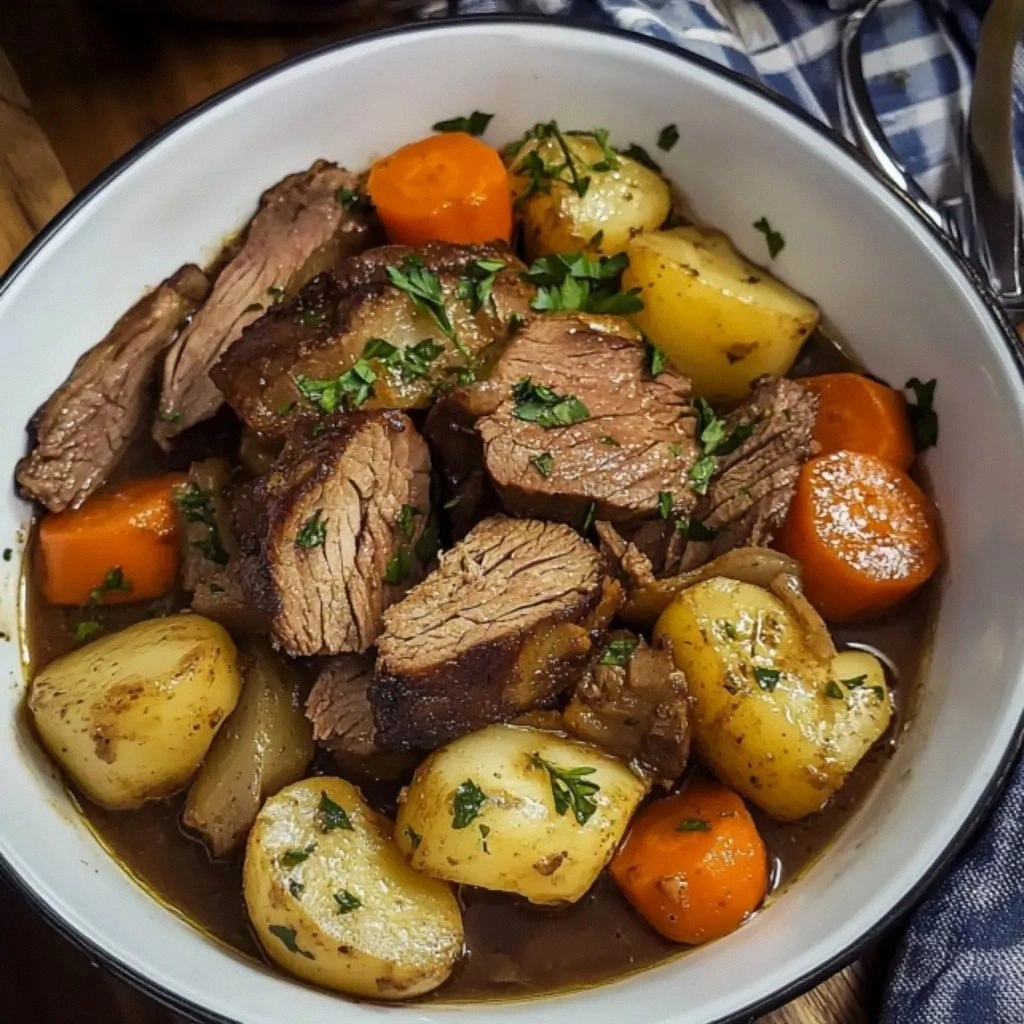
The Method — Step by Step
- Season the chuck roast generously with salt, pepper, oregano, and basil. Let it rest for 15 minutes to allow the spices to penetrate the meat. This step is the first flavor lock‑in; don’t skip it. While you wait, heat the pressure cooker on the sauté setting and add the olive oil.
- Sear the roast on all sides until a deep brown crust forms—about 3 minutes per side. The Maillard reaction here is what gives the dish its signature depth. Once seared, set the roast aside and lock the lid to start the pressure cycle.
- Add the diced onion and minced garlic to the cooker, stirring them around the seared roast. They’ll cook in the residual heat, releasing their sweet aroma. When the onions are translucent, add the carrots, celery, and potatoes, ensuring they’re evenly distributed around the meat.
- Pour in the red wine, scraping the bottom of the pot to lift any browned bits. This deglazing step is crucial for extracting maximum flavor from the pan. Add the beef broth, diced tomatoes, and tomato paste, then stir gently to combine.
- Secure the pressure cooker lid, set it to high pressure, and cook for 45 minutes. The pressure cooker’s ability to cook at a high temperature inside a sealed environment ensures the beef becomes tender and the vegetables soften without losing their shape.
- After the cooking cycle, allow the pressure to release naturally for 10 minutes before quick‑releasing any remaining pressure. This gentle release prevents the meat from tearing apart and keeps the vegetables intact.
- Open the lid, remove the roast, and place it back into the pot. Skim any excess fat from the surface, then stir in the fresh parsley and a tablespoon of butter for a silky finish. The butter adds a glossy sheen that makes the dish look restaurant‑grade.
- Serve hot, ladling the rich sauce over the roast and vegetables. Garnish with additional parsley if desired. The final plating should look inviting, with a glossy sauce coating the meat like velvet.
That’s it—you did it. But hold on, I’ve got a few more tricks that will take this to another level.
Insider Tricks for Flawless Results
The Temperature Rule Nobody Follows
Many people think any high pressure setting works, but using the “high pressure” setting for exactly 45 minutes is key. A slightly lower pressure can leave the meat too tough, while a higher pressure can overcook the vegetables. I’ve tested both settings, and 45 minutes at high pressure gives the perfect balance of tenderness and structure.
Why Your Nose Knows Best
The aroma of simmering tomatoes and herbs is your best indicator of readiness. When the scent is rich, sweet, and slightly caramelized, the sauce is ready. If the aroma is too sharp or raw, give it a few more minutes.
The 5‑Minute Rest That Changes Everything
After cooking, let the roast rest for five minutes before slicing. This allows the juices to redistribute, making each slice moist. Skipping this step often leads to dry, uneven cuts.
The Quick‑Release Trick
If you’re in a hurry, you can use a quick release instead of natural. However, be careful to do it slowly to avoid splattering. The quick release also keeps the vegetables from becoming mushy.
The Butter Finish
Adding a tablespoon of butter at the end adds a silky mouthfeel and a glossy sheen that makes the dish look restaurant‑grade. The butter also rounds out the acidity from the tomatoes, creating a balanced flavor profile.
Creative Twists and Variations
This recipe is a playground. Here are some of my favorite ways to switch things up:
Mediterranean Twist
Swap the beef for lamb shoulder and add olives and capers. The briny notes of the olives complement the lamb’s richness, creating a Mediterranean flavor profile that’s both bold and comforting.
Spicy Sriracha Kick
Add a tablespoon of sriracha sauce to the broth for a spicy, umami punch. This variation is perfect for those who love a little heat and want to add a modern twist to a classic dish.
Cheesy Finale
Top the dish with shredded mozzarella or grated Parmesan before serving. The cheese melts into the sauce, creating a creamy, indulgent finish that’s irresistible.
Vegetarian Version
Replace the beef with a hearty root vegetable like a large turnip or a block of tempeh. Add a splash of soy sauce for depth, and the dish will still deliver the same comforting satisfaction.
Low‑Carb Variation
Omit the potatoes and add more zucchini and mushrooms. This keeps the dish low in carbohydrates while maintaining a hearty, satisfying texture.
Herb‑Infused Finish
Finish with a handful of fresh rosemary and thyme sprigs. The fragrant herbs add an aromatic layer that enhances the overall flavor profile.
Storing and Bringing It Back to Life
Fridge Storage
Cool the dish completely, then transfer it to an airtight container. Store in the refrigerator for up to 4 days. The sauce will thicken slightly, so add a splash of broth or water before reheating.
Freezer Friendly
Pack the roast and vegetables separately in freezer‑safe bags. Freeze for up to 3 months. Thaw overnight in the refrigerator before reheating.
Best Reheating Method
Reheat in a saucepan over medium heat, stirring occasionally. Add a tiny splash of water or broth to loosen the sauce, then cover and let steam for 5 minutes. This method restores the sauce’s silky texture without drying out the meat.