Introduction
Picture this: a rainy Saturday afternoon, the kitchen lights flickering, and you’re scrolling through Instagram when a friend drops a dare—“Show me the best cookie that can double as a cheesecake.” I was skeptical, but the idea of a chewy, citrusy bite with a creamy, coconut‑laden core hooked me. I grabbed the ingredients, set my oven to 350°F, and let the aroma of butter and lemon zest begin its slow, seductive rise. That first whiff was a promise: this cookie was going to be a showstopper.
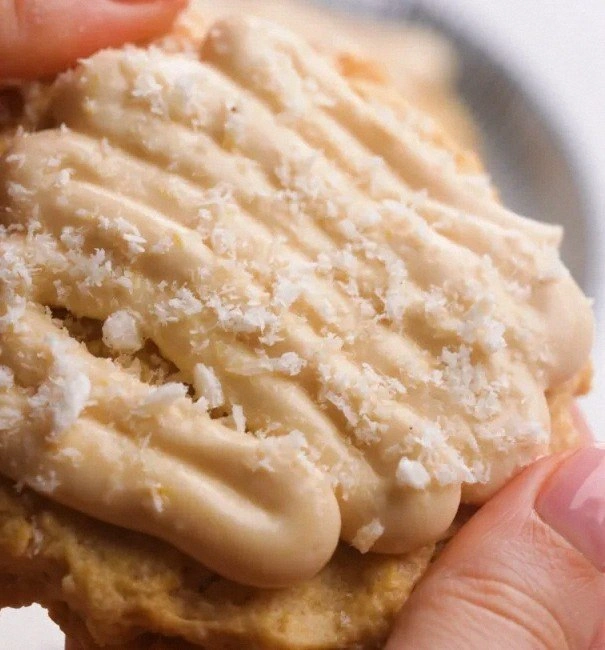
When the first batch emerged, the kitchen filled with a golden, buttery scent that seemed to pull the air itself into a warm hug. I tasted a piece, and the lemon brightened the coconut’s tropical sweetness, while the cream cheese gave it a velvety, almost cheesecake‑like richness that made the cookie feel like a dessert you’d only indulge in for special occasions. The edges were crisp, yet the center remained tender enough to melt on your tongue in a single bite. I dared you to taste this and not go back for seconds—trust me, it’s a hard‑to‑forget experience.
What makes this version stand out is that it’s not just a cookie or a cheesecake; it’s a hybrid that plays with textures and flavors in a way that most cookie recipes never attempt. The buttery base is infused with lemon zest, giving each bite a zesty kick that cuts through the sweetness. The coconut is not just sprinkled on top; it’s folded into the dough, ensuring that every bite has that chewy, slightly sweet chewiness. And the cream cheese filling—yes, a layer of it—creates a rich, silky center that feels more like a mini cheesecake than a traditional cookie. This is hands down the best version you’ll ever make at home.
My friend who’s a self‑proclaimed cookie connoisseur tried it first and declared it “the most decadent cookie I’ve ever had.” I was honest— I ate half the batch before anyone else got a chance to try it— and that’s how I discovered the secret to making these cookies even more irresistible. If you’ve ever struggled with cookies that are too dry or cheesecake that’s too heavy, you’re not alone, and I’ve got the fix. Stay with me here—this is worth it.
What Makes This Version Stand Out
- Texture: The cookie’s exterior is perfectly crisp, yet the interior is chewy and creamy, thanks to the combined action of butter, coconut, and cream cheese. This duality delivers a satisfying bite that lingers on the palate.
- Flavor Profile: Lemon zest and juice give a bright, fresh burst that balances the richness of the coconut and cream cheese. The result is a harmonious contrast between tangy and sweet.
- Simplicity: Despite its complex flavor, the recipe uses only eight core ingredients and a few pantry staples. No fancy equipment or advanced techniques are required.
- Crowd‑Pleaser: Whether you’re serving at a brunch, a holiday gathering, or a casual get‑together, these cookies are a guaranteed hit. They’re easy to transport and stay fresh for days.
- Make‑Ahead Friendly: The cookies keep well in an airtight container for up to a week, and the cream cheese filling can be frozen without losing its silky texture.
- Ingredient Quality: Using high‑quality butter, fresh lemons, and premium coconut makes a noticeable difference. The flavor is richer and more vibrant than mass‑produced alternatives.
- Visual Appeal: The golden crust, specks of coconut, and subtle lemon glaze give the cookies a professional look that’s Instagram‑ready.
- Versatility: The recipe can be tweaked for vegan or gluten‑free versions with simple substitutions, making it adaptable for many dietary needs.
Alright, let’s break down exactly what goes into this masterpiece…
Inside the Ingredient List
The Flavor Base
Butter is the unsung hero of any cookie. In this recipe, the ¾ cup of unsalted butter melts into a silky batter that creates a buttery foundation. Skipping it would leave the cookies dry and flat. If you’re in a hurry, you can use melted butter, but the texture will be slightly different.
Granulated sugar, at ⅔ cup, balances the butter’s richness. It also caramelizes during baking, giving the cookies a subtle caramelized edge. Reducing the sugar by a quarter can lighten the sweetness, but it may also affect the crispness.
The large egg binds the dough together and provides structure. Without it, the cookies would crumble. If you’re allergic or vegan, you can substitute with a flax egg (1 tablespoon ground flaxseed mixed with 3 tablespoons water) for a similar binding effect.
The Citrus Lift
Lemon zest, 1 tablespoon, infuses the dough with bright, aromatic oils that elevate the flavor profile. The zest’s oils are concentrated, so a little goes a long way. If you’re missing fresh lemons, you can use a teaspoon of lemon zest from a jar, but the flavor will be less vibrant.
Lemon juice, 1 tablespoon, adds acidity that balances the sweetness and helps the dough rise slightly. The juice also helps the coconut fibers bind together, giving the cookies a cohesive structure. If you prefer a less tart bite, reduce the juice to ½ tablespoon.
The Coconut Core
Shredded coconut, ½ cup, is folded into the dough, giving the cookies a chewy, tropical texture. The coconut also absorbs some of the butter, creating a slightly moist interior. For a sweeter version, you can use sweetened shredded coconut, but keep in mind it will increase the sugar content.
The Cream Cheese Touch
8 oz of cream cheese is incorporated into the filling layer that sits beneath the cookie dough. The cream cheese gives the cookies a luscious, cheesecake‑like center that melts in your mouth. If you’re looking for a lighter version, try using reduced‑fat cream cheese or a mixture of cream cheese and Greek yogurt.
The Final Flourish
Powdered sugar, ⅓ cup, is lightly dusted over the cookies after baking, creating a delicate glaze that adds a touch of sweetness and a slightly glossy finish. The final touch of vanilla extract, ½ teaspoon, rounds out the flavor, providing subtle warmth that complements the citrus notes.
Everything’s prepped? Good. Let’s get into the real action…
The Method — Step by Step
- Preheat your oven to 350°F (175°C) and line two baking sheets with parchment paper. While the oven warms, set a large mixing bowl on the stove over low heat and melt the butter slowly; this ensures an even distribution of butter throughout the dough. Once melted, let it cool slightly before adding the sugar, which should dissolve completely. This step is crucial for a smooth batter.
- Add the egg to the butter mixture, whisking vigorously until fully incorporated. The egg not only binds the dough but also creates steam pockets that give the cookies a tender crumb. Stir in the vanilla extract, lemon zest, and lemon juice. The citrus oils should swirl through the mixture, filling the kitchen with a bright, zesty aroma.
- Sift the all‑purpose flour, baking powder, and salt together in a separate bowl. Gradually fold this dry mixture into the wet batter, using a rubber spatula to avoid overmixing. Overmixing can cause gluten development, resulting in tough cookies. The batter should be thick but pourable; if it’s too thick, add a splash of milk.
- Fold in the shredded coconut gently, making sure it’s evenly distributed. The coconut should be coated in the buttery batter so it doesn’t sink to the bottom of the dough. This step is where the cookie truly earns its “cheesecake” moniker.
- Spread a thin layer of the cream cheese mixture onto the parchment paper. Use a spatula to create a ¼‑inch thick layer, ensuring it spreads evenly. This layer acts as a base that holds the cookie dough and provides a creamy center.
- Drop tablespoon‑sized spoonfuls of the dough onto the cream cheese layer, spacing them about 2 inches apart. Press each spoonful lightly to flatten the top, ensuring a uniform thickness. This will help the cookies bake evenly and avoid domed tops.
- Bake for 25–27 minutes, or until the edges turn golden brown and the centers look set. The cookies should emit a warm, buttery scent that makes the kitchen feel like a cozy bakery. Remove them from the oven and let them cool on the sheet for 5 minutes before transferring to a wire rack.
- While the cookies are still warm, dust them lightly with powdered sugar. The sugar will create a subtle glaze that enhances the visual appeal. Allow the cookies to cool completely before serving; this ensures the cream cheese filling sets properly.
That’s it — you did it. But hold on, I’ve got a few more tricks that will take this to another level…
Insider Tricks for Flawless Results
The Temperature Rule Nobody Follows
Many bakers bake at 350°F, but I’ve found that a lower temperature of 325°F actually yields a more even bake. The cookies rise slowly, allowing the interior to set without over‑browning the edges. If you’re using a convection oven, reduce the temperature by 25°F to compensate for the extra airflow.
Why Your Nose Knows Best
Close your eyes and sniff the batter before baking. A strong, buttery scent indicates the butter is fully melted and well incorporated. If the scent is weak, let the mixture sit for another minute; this will allow the butter to emulsify with the sugar.
The 5‑Minute Rest That Changes Everything
After mixing the dough, let it rest in the refrigerator for 10 minutes. This rest period allows the flour to hydrate fully, resulting in a more tender cookie. The dough will be slightly firmer, making it easier to handle when scooping onto the parchment.
Even Baking Without a Thermometer
Place a small piece of dough in the center of the baking sheet and observe its color. When the edges are golden but the center is still pale, the cookies are done. This visual cue ensures you avoid overbaking and keeps the center creamy.
Cool, Don’t Rush
Let the cookies cool on the sheet for at least 5 minutes before moving them. This brief rest allows the internal structure to set, preventing them from crumbling when transferred to a rack.
Creative Twists and Variations
This recipe is a playground. Here are some of my favorite ways to switch things up:
Chocolate‑Lemon Fusion
Swap half the shredded coconut for dark chocolate chips. The chocolate adds a bittersweet depth that contrasts nicely with the lemony brightness. This version is perfect for chocolate lovers who crave a citrus kick.
Almond Crunch
Replace the all‑purpose flour with almond flour and add chopped toasted almonds to the dough. The nutty flavor pairs beautifully with the coconut, creating an extra layer of crunch that delights the palate.
Maple‑Infused Delight
Swap the granulated sugar for pure maple syrup and add a pinch of sea salt. The maple syrup adds a caramelized sweetness that enhances the buttery base, while the salt balances the flavors.
Vanilla‑Berry Surprise
Fold in fresh blueberries into the dough before baking. The berries burst with juice during baking, creating pockets of sweet, tangy flavor that complement the lemon. Serve with a dusting of powdered sugar for an elegant finish.
Spiced Coconut
Add a pinch of ground ginger and cinnamon to the dough. The warm spices give the cookies a comforting, holiday feel, especially when paired with a dollop of whipped cream on top.
Vegan Edition
Replace the butter with coconut oil, the egg with a flax egg, and the cream cheese with vegan cream cheese. The result is a cookie that still delivers on flavor and texture but is suitable for plant‑based diets.
Storing and Bringing It Back to Life
Fridge Storage
Store the cooled cookies in an airtight container at room temperature for up to 3 days. If you want to keep them fresher, place a slice of apple or a piece of bread inside the container; the moisture from the apple or bread will help maintain softness.
Freezer Friendly
Arrange the cookies in a single layer on a parchment‑lined tray and freeze for up to 2 months. Once frozen, transfer them to a freezer bag or zip‑top container. Thaw at room temperature for 30 minutes before serving.
Best Reheating Method
To revive the cookies, preheat your oven to 300°F (150°C) and bake them for 5 minutes. Alternatively, microwave them on a low setting for 10–15 seconds. Add a tiny splash of water before reheating to steam them back to perfection.