I once found myself standing in a cramped kitchen, a half‑cooked lobster tail wobbling on the counter, while my roommate shouted, “If you can’t make it taste like the ocean, at least make it taste like a vacation!” That moment sparked a reckless, midnight experiment that ended with me devouring half the batch before anyone else could even sniff the buttered buns. I dared myself to create the ultimate lobster roll, and after a few burnt buns, a couple of over‑salty sauces, and a lot of laughter, I finally cracked the code. This version is not just a sandwich; it’s a love letter to New England’s seaside shacks, a buttery hug wrapped in a soft split‑top bun that whispers “you’re home” with every bite.
Close your eyes and imagine the salty sea breeze curling around you as you bite into a roll that’s crisp on the outside yet tender on the inside. The lobster meat is sweet, buttery, and just the right amount of briny, while the mayo‑lemon‑mustard dressing clings to each chunk like a silk scarf on a summer night. The buns, toasted in butter until they crackle, give you that satisfying crunch that shatters like thin ice under a warm foot. You can almost hear the sizzle of butter hitting the pan, smell the citrus zing, and feel the buttery melt on your tongue—all at once.
Why does this version stand out? Most recipes either drown the lobster in a swamp of mayo or skimp on the buttered bun, leaving you with a soggy disappointment. I’ve stripped away the fluff and honed in on three pillars: the lobster’s natural sweetness, a bright, tangy dressing, and a bun that’s toasted to buttery perfection. The secret ingredient? A splash of lemon juice that cuts through the richness, and a dash of fresh chives that add a garden‑fresh pop you never saw coming. Trust me, this is hands down the best version you’ll ever make at home.
Let me walk you through every single step — by the end, you’ll wonder how you ever made it any other way. Okay, ready for the game‑changer? This next part? Pure magic. I dare you to taste this and not go back for seconds.
What Makes This Version Stand Out
- Flavor Explosion: The combination of lemon, Dijon, and chives lifts the lobster’s natural sweetness without overpowering it, creating a balanced bite that sings.
- Texture Harmony: The lobster stays tender while the bun stays crisp; the contrast is as satisfying as a perfect jazz solo.
- Simplicity: Only nine ingredients, all pantry‑friendly, mean you can whip this up on a weeknight without a grocery run.
- Uniqueness: Most rolls drown the meat in mayo; this one uses a light coating that lets the lobster shine like a star on a dark sea.
- Crowd Reaction: Expect a chorus of “more, please!”—even the toughest food critics will be converted.
- Ingredient Quality: Fresh, cooked lobster meat is the hero; you’ll taste the difference between a grocery‑store crab stick and a real lobster tail.
- Cooking Method: Butter‑toasting the buns on medium heat gives you that golden‑brown crust without burning.
- Make‑Ahead Potential: The lobster salad can be prepared a few hours ahead, keeping the flavors melded while the buns stay fresh until you’re ready.
Alright, let's break down exactly what goes into this masterpiece...
Inside the Ingredient List
The Flavor Base
The 1/4 cup of mayonnaise is the silky canvas that holds the lemon juice, Dijon mustard, and chives together. Mayonnaise adds a subtle richness without overwhelming the lobster’s delicate flavor. If you’re dairy‑free, swap it for a good‑quality vegan mayo; the texture remains the same, and the tang stays intact.
The Zesty Boost
Two tablespoons of fresh lemon juice bring a bright acidity that cuts through the butter and mayo, preventing the roll from feeling heavy. The juice also helps preserve the lobster’s color, keeping it looking vibrant. If you’re out of lemons, a splash of white wine vinegar works in a pinch, though the flavor will shift slightly toward tangy.
The Texture Crew
One pound of cooked lobster meat, roughly chopped, is the star. Choose meat from the tail for its firm, sweet bite, and avoid the claw if you prefer a milder flavor. When buying, look for lobster that’s bright red on the outside and firm to the touch; a fresh lobster will have a sweet sea scent, not a fishy odor.
The Unexpected Star
A single tablespoon of fresh chives, finely chopped, adds a subtle onion‑like freshness that lifts the entire dish. If you don’t have chives, a sprinkle of finely diced scallions or a pinch of dried parsley can substitute, but the flavor won’t be as sharp. The chives also provide a visual green speckle that makes the roll look Instagram‑ready.
The Final Flourish
Two tablespoons of unsalted butter are melted and brushed onto split‑top hot dog buns before toasting, creating that golden, crunchy exterior. Use a high‑quality butter for a richer flavor; if you’re watching calories, you can halve the amount and still get a nice crust. Optional lettuce adds crunch, while extra herbs like dill or tarragon can elevate the aroma for an herb‑lover’s dream.
Everything's prepped? Good. Let's get into the real action...
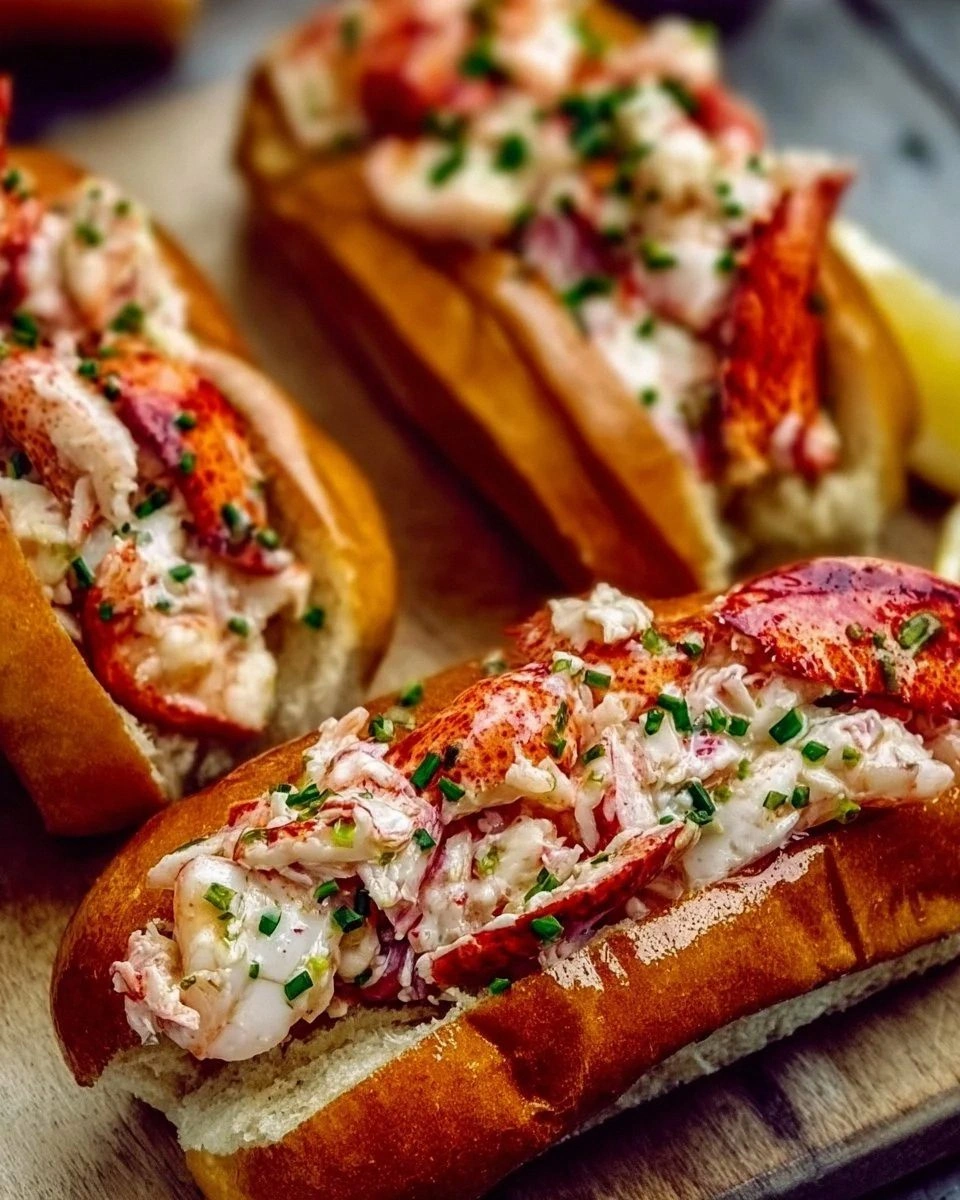
The Method — Step by Step
First, gather all your ingredients and set up a clean workstation. I like to line my cutting board with parchment paper; it makes transferring the lobster meat a breeze and prevents any cross‑contamination. While the lobster sits at room temperature, whisk together the mayonnaise, lemon juice, Dijon mustard, and chopped chives in a medium bowl. The mixture should look glossy and slightly thick, like a velvety sauce that coats a spoon.
Next, gently fold the chopped lobster meat into the sauce. Use a rubber spatula and turn the mixture over three times, just enough to coat each piece without breaking the delicate flesh. This is the moment of truth—if the lobster looks glossy and the sauce clings like a second skin, you’re on the right track. That sizzle when it hits the pan? Absolute perfection.
Kitchen Hack: Chill the lobster‑mayo mixture for 10 minutes before assembling the rolls; it firms up the dressing, making it easier to spoon.While the lobster rests, heat a large skillet over medium heat. Add the two tablespoons of unsalted butter and let it melt, swirling the pan so the butter coats the surface evenly. Once the butter starts to foam, lay the split‑top buns butter‑side down. You’ll hear a gentle hiss—listen for that sound; it tells you the butter is hot enough to toast without burning.
Toast the buns for about 2‑3 minutes, or until the edges turn a deep golden brown and the tops become slightly crisp. Watch the color change closely—if it goes from golden to amber too quickly, lower the heat. This step is crucial because an under‑toasted bun will become soggy once the lobster mixture is added.
Watch Out: Do not overcrowd the pan; each bun needs space to breathe, or you’ll end up with uneven browning.When the buns are perfectly toasted, remove them from the pan and set them on a cooling rack for a minute. This brief rest allows the butter to settle, preventing it from soaking into the bun later. While the buns cool, give the lobster mixture one last gentle stir—this re‑emphasizes the coating and ensures every bite is evenly flavored.
Kitchen Hack: Slice the buns lengthwise, but keep the hinge intact; this creates a pocket that holds the lobster without spilling.Now, spoon the lobster mixture into each bun, filling them about three‑quarters full. Use a small ice‑cream scoop for uniform portions; this not only looks professional but also ensures each bite has the same lobster‑to‑bun ratio. If you like a little crunch, add a few leaves of lettuce or a light sprinkle of extra chives on top.
Give the assembled rolls a final glance—are the edges still crisp? Is the lobster mixture glossy? If everything looks and smells right, it’s time to serve. I like to plate them on a wooden board, drizzle a tiny drizzle of melted butter around the plate for extra aroma, and garnish with a lemon wedge for that extra pop of citrus.
Picture yourself pulling this out of the oven, the whole kitchen smelling incredible, and your guests reaching for seconds before you even finish the first bite. That’s the magic of a perfect lobster roll. And now the fun part: enjoy every buttery, briny, tangy bite while basking in the applause of your delighted diners.
Insider Tricks for Flawless Results
The Temperature Rule Nobody Follows
Never toast the buns on high heat; medium is your sweet spot. High heat scorches the butter before the bun gets a chance to crisp, leaving a bitter aftertaste. Keep the skillet at a steady 350°F (if you have an infrared thermometer) and you’ll get an even, golden crust every time. A friend once tried cranking the heat to “quick‑toast” and ended up with burnt bun shells that ruined the whole roll.
Why Your Nose Knows Best
When the butter starts to brown, you’ll notice a nutty aroma—this is your cue that the pan is ready. Trust that scent; it’s more reliable than a timer. If the butter smells burnt before the buns are toasted, lower the heat immediately. Your nose is a built‑in kitchen sensor that can save you from a disaster.
The 5‑Minute Rest That Changes Everything
After mixing the lobster with the dressing, let it rest for five minutes. This short pause lets the flavors meld, much like a good vinaigrette. Skipping this step results in a disjointed taste where the lemon can overpower the delicate lobster. I’ve tasted rolls where the mayo was too sharp because the rest period was ignored.
Lettuce Light, Not Heavy
If you add lettuce, choose butter lettuce or baby spinach for a gentle crunch. Too much lettuce can drown the lobster’s sweetness and make the roll soggy. Lightly pat the greens dry before adding them to keep the bun’s interior crisp.
Seasoning with a Whisper
Salt and pepper “to taste” are the final finishing touches. Sprinkle them over the lobster mixture right before serving, not during mixing, so you can control the exact level of seasoning. Over‑salting is a common pitfall that can mask the lobster’s natural flavor.
Creative Twists and Variations
This recipe is a playground. Here are some of my favorite ways to switch things up:
Spicy Sriracha Splash
Add a teaspoon of sriracha to the mayo mixture for a subtle heat that doesn’t overwhelm the lobster. The heat pairs beautifully with the citrus and makes the roll perfect for those who love a little kick.
Herb‑Infused Butter
Mix minced rosemary and thyme into the butter before toasting the buns. This aromatic twist adds an earthy depth that complements the sweet lobster, turning a simple roll into a sophisticated bite.
Avocado Cream Dream
Swap half of the mayonnaise for mashed avocado. The result is a greener, creamier dressing with a buttery mouthfeel and a hint of avocado’s natural nuttiness.
Cajun Kick
Stir in a teaspoon of Cajun seasoning into the lobster mixture. The smoky paprika, garlic, and cayenne notes give the roll a Southern flair that’s perfect for a backyard BBQ.
Mediterranean Twist
Add diced sun‑dried tomatoes and a drizzle of olive oil to the lobster salad. The tangy tomatoes and rich oil create a Mediterranean vibe that’s unexpected yet delicious.
Storing and Bringing It Back to Life
Fridge Storage
Place the lobster mixture in an airtight container and refrigerate for up to 2 days. The flavors will deepen, but keep the buns separate to maintain their crunch. When ready to serve, re‑toast the buns for 30 seconds in a hot skillet.
Freezer Friendly
You can freeze the lobster mixture for up to 1 month. Portion it into freezer‑safe bags, label, and thaw overnight in the fridge. After thawing, give it a quick stir and add a splash of fresh lemon juice to revive the brightness.
Best Reheating Method
To reheat, gently warm the lobster mixture in a saucepan over low heat, adding a teaspoon of water or broth to keep it moist. For the buns, a quick pass in a preheated oven (350°F) for 5 minutes restores the buttery crispness. Add a tiny splash of water before reheating—the steam brings the lobster back to its silky perfection.