I still remember the exact moment this recipe was born. It was a Tuesday night that smelled like desperation and takeout menus, my fridge held nothing but a can of albacore tuna, half a wilting cabbage, and the dregs of a soy sauce bottle. My stomach was staging a protest, my wallet was on strike, and the internet had failed me with recipes that either required a culinary degree or a sacrifice to the seafood gods. Thirty minutes later I was standing over a smoking wok, convinced I'd invented the saddest dinner known to mankind. Then the magic happened: the tuna edges caramelized, the garlic hit that perfect golden-brown, and the sauce reduced into this glossy, sticky elixir that made my kitchen smell like a back-alley Tokyo izakaya. One bite and I actually did a little victory dance in my socks, which is saying something because I am not a dancer. I am, however, a person who has since made this stir-fry forty-seven times, eaten it straight from the pan at 2 a.m., and watched friends fight over the last strands of cabbage like it was liquid gold.
Most people treat canned tuna like culinary surrender, the edible equivalent of waving a white flag and accepting defeat. I get it—we have all endured those depressing tuna casseroles that taste like despair and broken dreams. But here is the truth nobody tells you: albacore tuna is the sleeper hit of the pantry, the protein equivalent of that quiet kid in class who turns out to be a rock star. When you treat it with the same respect you'd give a fresh fillet, it rewards you with sweet, meaty flakes that absorb flavors like a sponge, while still keeping that tender, almost buttery texture that makes you close your eyes in appreciation. The secret lies in the sear: we are not just heating it up, we are giving it a fast, fierce char that creates crispy edges that shatter like thin ice, while the centers stay moist and cloud-soft.
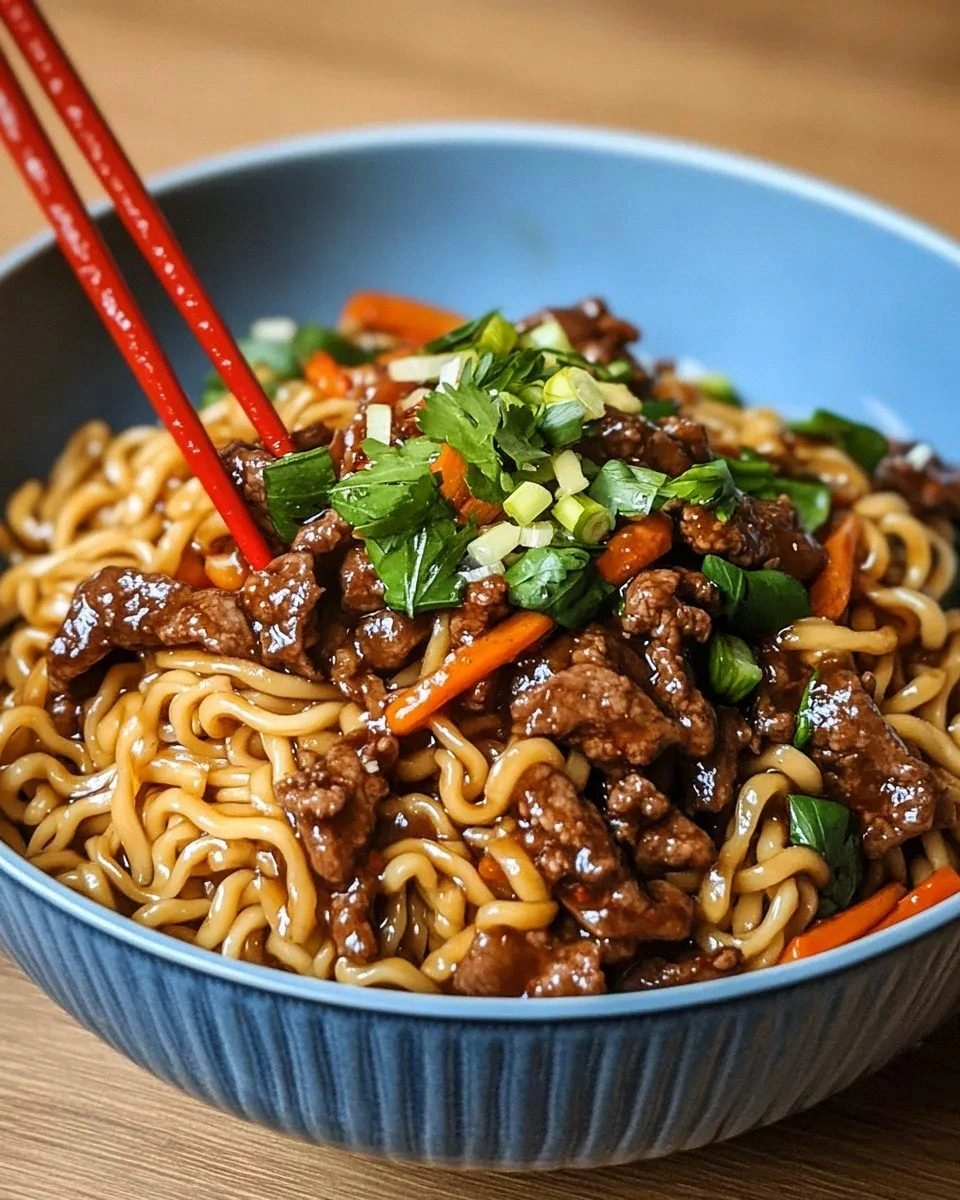
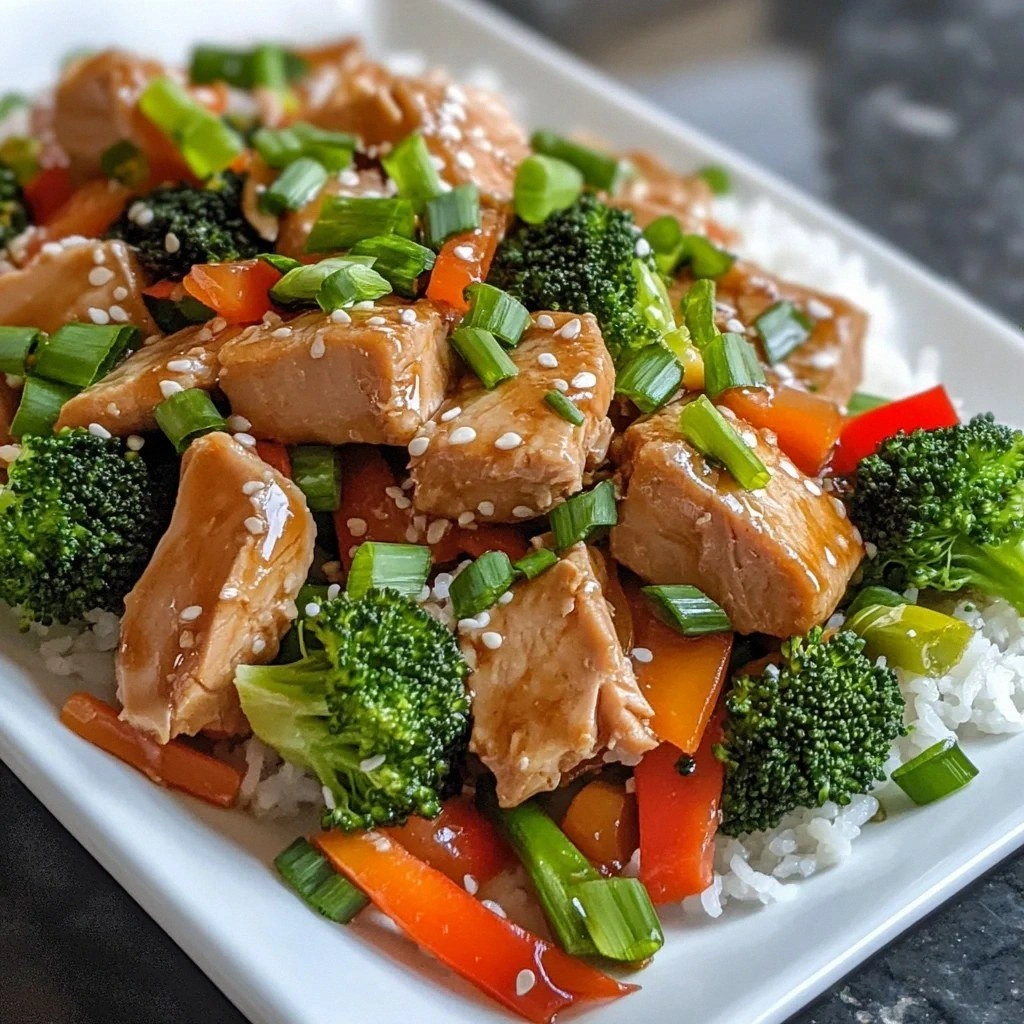
Picture this: you walk in the door after a day that felt like running a marathon through quicksand, your feet ache, your brain is mush, and the idea of cooking feels like climbing Everest in flip-flops. Twenty-five minutes later you are perched on a stool, chopsticks in hand, twirling up a tangle of glossy noodles studded with bronzed tuna, snap-pea pops of green, and ribbons of cabbage that have soaked up a sauce so addictive you will be licking the plate. The first bite hits you with a wave of umami so deep it feels like diving into the ocean, then the ginger and garlic rise up to dance on your tongue, and finally the sesame oil lingers like a whispered promise that tomorrow will be better. I dare you to taste this and not go back for seconds, thirds, and maybe finish the pan while leaning over the sink.
I have tested this recipe on the pickiest eaters I know: the friend who claims to hate fish, the cousin who thinks vegetables are a conspiracy, the roommate who believes soy sauce is exotic. Every single one of them has demanded the recipe, and two have actually apologized for doubting me. The beauty lies in its balance—protein-packed but not heavy, vegetable-loaded but not preachy, fast enough for a weeknight but impressive enough for date night. Okay, ready for the game-changer? We are using the tuna oil from the can. Yes, that stuff you usually dump down the drain is liquid flavor that turns humble vegetables into something bordering on transcendental. Let me walk you through every single step — by the end, you will wonder how you ever made it any other way.
What Makes This Version Stand Out
Flash-Fire Technique: Instead of sad, gray tuna that tastes like cat food, we crank the heat until the wok smokes, creating caramelized edges that taste like the ocean decided to become candy. The high temperature locks in moisture while building a crust that gives you that satisfying chew most stir-fries can only dream of.
Double Umami Bomb: We combine the tuna's natural glutamates with soy sauce, miso paste, and a whisper of fish sauce, creating a flavor so deep and savory it makes your tongue feel like it is wearing a velvet coat. Most recipes stop at soy sauce and call it a day, which is like painting a masterpiece with one color.
Texture Symphony: Crispy tuna, crunchy cabbage, silky noodles, and the pop of sesame seeds create a contrast that keeps every bite interesting. I have had people pause mid-chew just to marvel at how many sensations are happening at once.
One-Pan Wonder: Everything happens in a single wok, which means fewer dishes and more time to actually enjoy the food you just made. The vegetables deglaze the tuna bits, the sauce picks up every caramelized scrap, and your sink stays blessedly empty.
Pantry Paradise: Every ingredient lives in either your cupboard, freezer, or that drawer where vegetables go to hibernate. No specialty store pilgrimages, no twenty-dollar spice you will use once. Just honest staples that transform into something wildly greater than their parts.
Meal-Prep Champion: This stir-fry tastes even better the next day, after the flavors have had a chance to mingle and marry in the fridge. Pack it for lunch and watch your coworkers develop instant menu envy when they smell your reheated glory.
Alright, let's break down exactly what goes into this masterpiece...
Inside the Ingredient List
The Flavor Base
Albacore tuna packed in oil is the star, and please do not even think about reaching for that water-packed stuff unless you enjoy eating disappointment. The oil-packed variety stays moist and luxurious, while the canning oil itself becomes our free flavor bomb for sautéing. Look for brands that list "olive oil" or "soybean oil" on the label, and avoid anything that sounds like a chemistry experiment. When you pop that can, save every drop of oil—it is liquid gold that will make your vegetables taste like they were kissed by mermaids.
Fresh ginger and garlic form the aromatic backbone, but here is the twist: we grate them on a microplane until they become a pulpy paste that melts into the sauce and disappears, leaving only their essence behind. Chopping leaves you with harsh, raw bites, but this technique creates a smooth, integrated flavor that wraps around every ingredient like a warm hug. If you have ever wondered why restaurant stir-fries taste more harmonious than home versions, this is usually why.
Soy sauce provides the salty depth, but we are using a two-step approach: regular soy for seasoning during cooking, and a final splash of dark soy for that gorgeous mahogany color and malty sweetness. Most people dump in soy sauce once and call it seasoned, but layering it gives you a complexity that tastes like you spent hours building a sauce instead of minutes.
The Texture Crew
Napa cabbage brings a sweetness that balances the salty elements, plus it wilts in seconds while keeping a pleasant crunch that prevents the whole dish from turning into baby food. Slice it into ribbons about the width of your finger—too thin and it disappears, too thick and it feels like eating lawn clippings. The white ribs add watery snap, while the green tops contribute a gentle earthiness that ties the whole dish together.
Red bell pepper is not just here for color, though that jewel-tone pop does make the dish look like a party on a plate. When you sear it over high heat, the skin blisters and the flesh becomes almost meaty, providing a sweet counterpoint to the savory elements. Cut it into thin strips that will curl and char at the edges, creating those smoky, caramelized bits that taste like summer barbecues.
Green onions serve double duty: the white parts go in early to build the flavor base, while the green tops are scattered on top for a fresh, sharp finish that cuts through the richness. Do not skip this step—those raw green tops are like a palate cleanser that keeps you coming back for bite after bite without fatigue.
The Unexpected Star
Spaghetti noodles might seem like sacrilege in an Asian-inspired dish, but hear me out: they have the perfect chewy texture that grabs sauce, they are always in your pantry, and nobody wants to make a special trip for rice noodles on a Tuesday night. Cook them until they still have a firm bite, because they will soften further in the wok. If you are feeling fancy, linguine works too, but avoid angel hair—it turns into a mushy tangle faster than you can say delivery.
Sesame oil is the finishing touch that transforms the dish from good to restaurant-quality, but here is the key: add it off the heat so its delicate flavor does not cook away. A teaspoon is enough; too much and your dinner tastes like the inside of a hippie food store. Buy the dark toasted kind, not the pale expeller-pressed variety that tastes like nothing wrapped in disappointment.
The Final Flourish
Rice vinegar provides the acid that makes all the other flavors pop, but we add it at the very end so it stays bright and sharp. Without acid, the dish tastes flat and one-dimensional, like listening to music with the treble turned off. Just a splash wakes everything up and makes your tongue tingle in anticipation.
White pepper adds a gentle heat that blooms slowly, different from the sharp bite of black pepper. It is traditional in Chinese cooking for a reason—it adds warmth without stealing the show. If you do not have it, a pinch of red pepper flakes works, but white pepper gives you that authentic takeout flavor without setting your mouth on fire.
Everything is prepped? Good. Let's get into the real action...
The Method — Step by Step
- Start by bringing a large pot of salted water to a rolling boil—think ocean-level salty, because this is your only chance to season the noodles from the inside out. While you wait, set out all your ingredients like you are on a cooking show, because once that wok heats up, there is no time to hunt for the soy sauce. Pull the tuna from the fridge, crack open the can, and gently drain the oil into a small bowl, keeping those gorgeous pink-white flakes intact. This oil is your secret weapon, so treat it like liquid gold and resist the urge to dump it down the drain like you have done a thousand times before.
- Drop your spaghetti into the now-boiling water and set a timer for two minutes less than the package suggests, because nobody ever regretted slightly undercooking pasta destined for a stir-fry. While it bubbles away, whisk together your sauce: two tablespoons regular soy, one tablespoon dark soy, one teaspoon miso paste, a drizzle of honey, and a splash of fish sauce. The miso might seem clumpy at first, but keep whisking—it will dissolve into a silky, mahogany sauce that smells like you have been fermenting soybeans for months instead of opening jars.
- Place your wok or largest skillet over high heat until it starts to smoke, which should take about two minutes if your pan is properly seasoned. Swirl in two tablespoons of that reserved tuna oil and watch it shimmer like a mirage, coating the surface in a thin, glistening layer that promises good things ahead. The oil should move like water but smell faintly of the sea, a reminder that you are about to perform kitchen alchemy on a can of fish.
- Carefully slide in your tuna chunks in a single layer, resisting the urge to move them around like you are scrambling eggs. Let them sit and sizzle undisturbed for ninety seconds, during which time the bottoms will develop a golden crust that tastes like the best part of grilled fish. When the edges turn amber and slightly crispy, flip each piece gently with a spatula, trying not to break them into sad little flakes that will disappear into the sauce.
- Scoot the tuna to the edges of the wok and add your aromatics in the center: the white parts of green onions, grated ginger, and that garlic paste you made earlier. The heat will hit them like a freight train, releasing a cloud of perfume that makes your neighbors wonder what restaurant opened in your kitchen. Stir-fry for just thirty seconds—you want them fragrant but not browned, because burnt garlic turns bitter faster than you can say "ordering pizza."
- Toss in the bell pepper strips and cabbage ribbons, tossing constantly with a motion that comes from your wrist, not your shoulder, like you are flipping pancakes in slow motion. The vegetables should sizzle and wilt but still hold their shape, creating a rainbow of colors that looks like edible confetti. After two minutes, they should be glossy with oil and slightly charred at the edges, which is exactly where you want them for maximum flavor.
- Drain your pasta, reserving half a cup of that starchy cooking water that looks like weak chicken broth but contains magical pasta-building properties. Add the noodles to the wok, followed by your sauce mixture, and start tossing like your life depends on coating every strand in that glossy, mahogany glaze. The noodles should slide through the vegetables, picking up bits of tuna and aromatics in a tangle that looks like you spent hours on presentation instead of minutes.
- Now comes the moment of truth: add a splash of pasta water, toss, and watch the sauce transform from thick and gloppy into a silky coating that clings lovingly to every noodle. Keep the heat high and the motion constant, letting the liquid reduce until it just barely pools at the bottom of the pan when you tilt it. This should take about ninety seconds, during which time your kitchen will smell like you have been adopted by a Japanese grandmother.
- Pull the wok off the heat, drizzle with sesame oil and rice vinegar, and give it a final toss to distribute those finishing flavors that make the whole dish sing. Scatter the green onion tops over the top like you are garnishing for a magazine shoot, even if you are just going to eat it standing at the counter. Serve immediately, preferably in a shallow bowl that shows off the tangle of noodles and vegetables, with a pair of chopsticks and a napkin because you are about to make a delicious mess.
That is it—you did it. But hold on, I have got a few more tricks that will take this to another level...
Insider Tricks for Flawless Results
The Temperature Rule Nobody Follows
Your pan needs to be ripping hot, like "I could probably forge steel in here" hot, which means you should see wisps of smoke before adding anything. Most home cooks baby their proteins, cooking them over medium heat like they are afraid of a little sizzle, but that is how you end up with rubbery tuna that tastes like cat food. When you add the tuna, it should sound like applause when it hits the oil—that immediate sizzle means you are building flavor instead of steaming sadness. If your smoke alarm goes off, congratulations, you are doing it right; just open a window and keep going, because greatness never apologized for being dramatic.
Why Your Nose Knows Best
Forget timers—your nose is the most sophisticated piece of kitchen equipment you own, and it is free. When the garlic hits the pan, start counting; when it smells like you could spread it on bread and die happy, you have thirty seconds before it turns bitter. The cabbage will smell slightly sweet and grassy when it is perfectly cooked, while overcooked cabbage gives off that sulfurous stench that sends children running from dinner tables. Trust those olfactory clues more than any recipe card, because your kitchen, your pan, and your heat level are unique variables that no blogger can predict.
The 5-Minute Rest That Changes Everything
Here is the counterintuitive part: after you finish cooking, let the stir-fry rest off heat for exactly five minutes before serving. During this time, the sauce thickens slightly as it cools, the noodles absorb the flavors they were just coated in, and the temperature drops to that perfect "I can shovel this into my face without burning my tongue" level. A friend tried skipping this step once—let us just say it ended with her doing the hot-potato dance and cursing my name while her cat judged from the countertop. Patience is a virtue, but it is also the difference between good and legendary.
The Layered Salt Strategy
Season in layers instead of dumping salt in at the end like most recipes suggest. Salt the pasta water aggressively, then add a pinch to the aromatics, taste after adding sauce, and finish with a final seasoning just before serving. Each ingredient absorbs salt differently—noodles need more than you think, while the miso paste is already salty—so building layers creates depth instead of that one-dimensional salt-lick flavor. Your palate will detect the complexity even if your brain cannot articulate why this tastes better than the last stir-fry you attempted.
The Chopstick Advantage
If you do not own a proper wok spatula, a pair of long wooden chopsticks becomes your best friend for stir-frying. They separate noodles without cutting them, flip individual pieces of tuna with surgical precision, and let you taste constantly without burning your tongue on metal. Plus, stirring with chopsticks makes you feel like you know what you are doing, even if your only qualification is watching YouTube videos while eating cereal. Confidence tastes delicious, and chopsticks are basically edible utensils once you finish cooking anyway.
Creative Twists and Variations
This recipe is a playground. Here are some of my favorite ways to switch things up:
Spicy Korean-Inspired Version
Swap the honey for gochujang paste, add a handful of kimchi in with the vegetables, and finish with toasted sesame seeds and a fried egg on top. The fermented heat builds slowly, while the runny yolk creates a sauce that makes the whole dish taste like late-night Seoul street food. My spice-averse friend cried actual tears of joy, then asked for the recipe through sniffles.
Thai Basil Explosion
Replace the cabbage with Thai basil leaves—yes, an entire cup of them—add a splash of fish sauce and lime juice at the end, and toss in some sliced bird's eye chilies for heat. The basil wilts into the noodles, releasing this intoxicating anise-clove perfume that makes your kitchen smell like a Bangkok market. Use regular basil only if you enjoy disappointing your taste buds.
Mediterranean Mash-Up
Omit the ginger, swap soy for lemon juice and olive oil, add olives and capers, and finish with feta cheese and fresh oregano. It sounds insane until you taste the briny, lemony tuna against the salty feta, creating a dish that tastes like summer vacation on the Amalfi coast. Even my Italian grandmother asked for seconds, though she pretended it was her idea.
Breakfast-for-Dinner Edition
Add a handful of spinach, crack two eggs directly into the wok during the last minute of cooking, and let them poach gently in the sauce. The runny yolks create a silky coating that makes the whole dish taste like the best hangover breakfast you have ever had, minus the questionable diner coffee. Serve with hot sauce on the side and pretend you are being responsible by eating vegetables.
Peanut-Satay Remix
Whisk two tablespoons of peanut butter into your sauce, add a squeeze of lime, and toss in some bean sprouts at the very end for crunch. The peanut butter melts into the noodles, creating this creamy, nutty coating that tastes like satay sauce had a beautiful baby with chow mein. Add crushed peanuts on top for texture, and prepare for everyone to ask if you ordered takeout from the fancy Thai place.
Green Goddess Glow-Up
Blend together parsley, cilantro, green onion tops, and a splash of rice vinegar into a bright green sauce, then toss it with the noodles at the very end instead of the soy-based sauce. The result is this shockingly green dish that tastes like springtime and fresh herbs, perfect for when you want comfort food that still feels virtuous. My health-nut neighbor swears it cured her winter blues, though I make no medical claims.
Storing and Bringing It Back to Life
Fridge Storage
Pack leftovers in the shallowest container possible so the noodles cool quickly and do not continue cooking in their own heat. Press plastic wrap directly onto the surface to prevent the noodles from drying out and forming that weird, crunchy top layer that tastes like punishment. Properly stored, this keeps for up to four days, though I have never personally witnessed it surviving past midnight. The flavors actually meld and deepen overnight, making tomorrow's lunch the highlight of your workday.
Freezer Friendly
While I am generally anti-freezing noodles, this dish defies logic by freezing beautifully for up to two months. Portion into individual servings, wrap tightly, and freeze flat so you can stack them like edible playing cards. Thaw overnight in the fridge, then reheat with a splash of water to revive the sauce. It tastes almost identical to fresh, which is more than I can say for most of my ex-boyfriends.
Best Reheating Method
Ditch the microwave unless you enjoy gummy, unevenly heated noodles that taste like despair. Instead, toss everything into a hot skillet with a tablespoon of water, cover for thirty seconds to steam, then uncover and toss until heated through. The steam revives the sauce, the direct heat brings back that fresh-cooked texture, and you will swear you just made a brand new batch. Add a fresh drizzle of sesame oil at the end to wake everything up and pretend you planned this leftover situation all along.