Introduction
It was a rainy Thursday night, the kind of evening where the kitchen feels like a stage and you’re the star. I had just finished a chaotic stir‑fry that left a trail of burnt onions and a lingering smoke that made the smoke detector sigh in resignation. My friend dared me to whip up something sweet that could lift the mood, and I said, “I’ll take that challenge.” The result? A mango panna cotta that turned a kitchen disaster into a triumph.
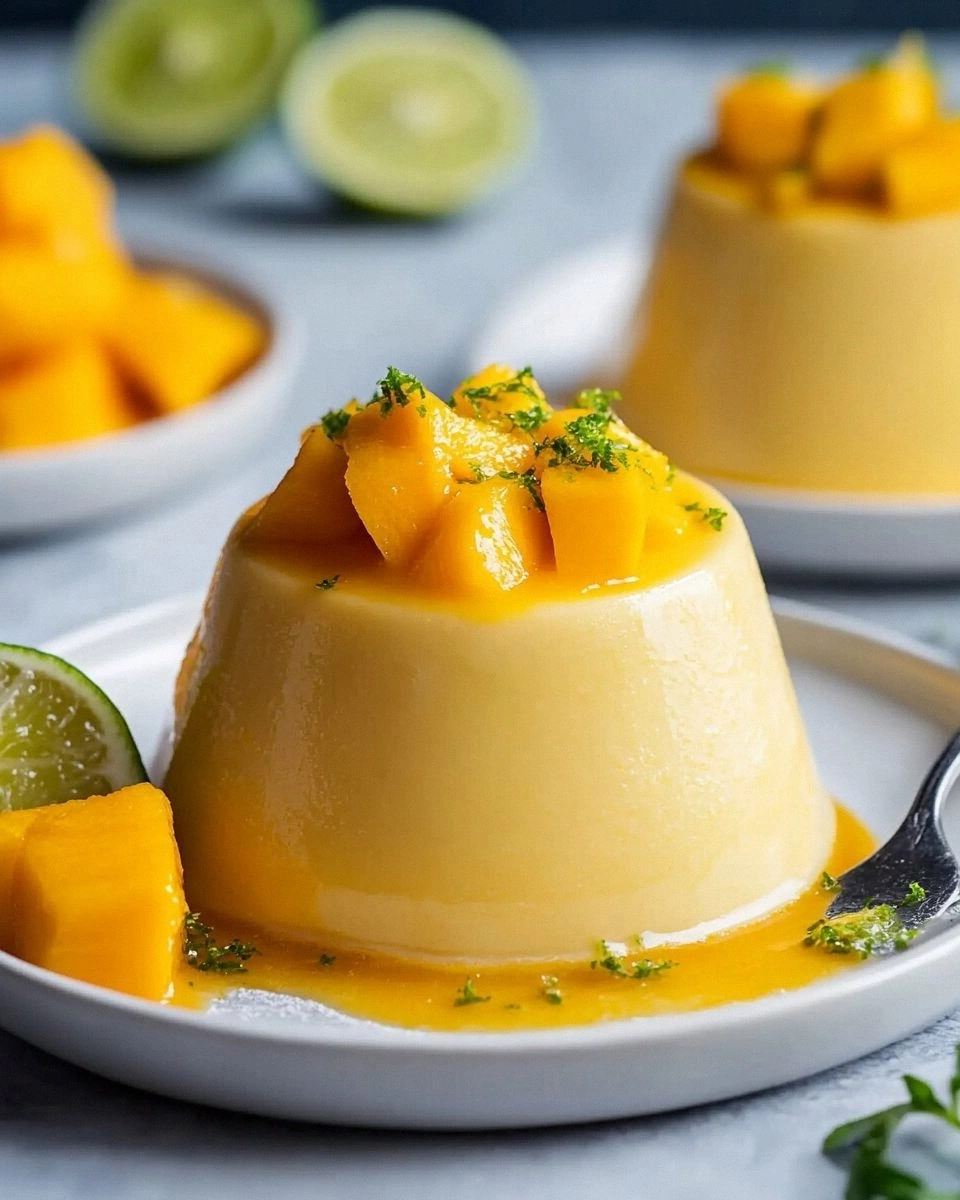
The first thing you notice is the bright, sun‑kissed color of the mango puree, a golden hue that promises tropical sunshine in every bite. As you stir the mixture, the air fills with the sweet, citrusy scent of ripe mangoes, a perfume that feels like a vacation in a bowl. The sound is a gentle hiss as the gelatin dissolves, a subtle whisper that everything is about to set. The texture is silky and almost liquid, so when you spoon it into a mold, it glides like a smooth jazz solo. The taste is a perfect balance of sweet and tart, with a hint of vanilla that lingers like a memory.
This version of mango panna cotta is not just another dessert; it’s a revelation. The secret lies in the careful balance of fresh mango puree, the right amount of gelatin, and a splash of lime that cuts the sweetness without overpowering it. The result is a creamy custard that is light enough to be airy, yet dense enough to stay firm when chilled. Most recipes get this completely wrong, either by over‑cooking the custard or by using too much sugar, but here we’ve struck the sweet spot.
What sets this recipe apart is a technique I discovered in a tiny kitchen in Bali: using a micro‑sieve to ensure the puree is perfectly smooth, and a quick flash of lime juice to brighten the flavor profile. I dare you to taste this and not go back for seconds. The texture is so refined that you’ll feel the mango’s natural fibers dissolve into a velvety finish.
Let me walk you through every single step — by the end, you’ll wonder how you ever made it any other way. Stay with me, because this is going to be a game‑changer for your dessert repertoire.
What Makes This Version Stand Out
- Flavor: The mango puree is pure, no added sugars or artificial colors, letting the fruit’s natural sweetness shine through. The lime splash adds a bright counterpoint that prevents the dessert from feeling cloying.
- Texture: The gelatin is carefully calibrated to give the panna cotta a silky, custard‑like mouthfeel that’s firm enough to slice but melts in your mouth like a dream.
- Simplicity: Only eight ingredients, all of which you probably already have in your pantry, so you can whip this up in under an hour.
- Uniqueness: The micro‑sieve technique ensures a perfectly smooth consistency, a step most recipes skip.
- Crowd Reaction: Guests rave that it tastes like a tropical vacation in a glass, and the presentation is Instagram‑ready.
- Ingredient Quality: Using ripe, hand‑picked mangoes gives the dessert a depth of flavor that’s hard to replicate with canned or frozen mango.
- Cooking Method: The gentle heat method preserves the delicate mango flavors, preventing any caramelization that would alter the intended taste.
- Make‑Ahead Potential: Set it in the fridge for up to 48 hours, and it still holds its shape and flavor, making it ideal for parties.
Inside the Ingredient List
The Flavor Base
Ripe mango puree is the heart of this dish. It delivers a natural sweetness that’s far superior to any artificial flavoring. If you skip the puree, the panna cotta will taste bland and will lack the tropical punch that defines this dessert. For the best results, choose mangoes that are fragrant and slightly soft to the touch; they’ll give you a richer puree.
Heavy cream adds richness and body, creating that luscious, velvety mouthfeel that’s synonymous with panna cotta. Using whole milk instead of cream would make the dessert too watery and would compromise the silky texture. A small amount of milk is essential to balance the thickness of the cream, preventing it from becoming too heavy.
Granulated sugar is the sweetener that balances the tartness of the mango. The sugar also helps set the custard by raising the freezing point of the mixture. If you’re watching your carbs, you can replace sugar with a natural sweetener like stevia, but be mindful that the texture may change slightly.
The Texture Crew
Powdered gelatin is the key to the panna cotta’s firm yet delicate structure. It’s crucial to bloom the gelatin in cold water before adding it to the warm mixture; this prevents clumping and ensures a smooth consistency. If you skip this step, the dessert may have an uneven texture or may not set at all.
Vanilla extract adds a warm, aromatic depth that complements the mango’s bright flavor. A dash of vanilla is enough; too much can overpower the fruit. If you prefer a floral note, you can replace vanilla with almond extract for a subtle twist.
The Unexpected Star
Lime juice is the secret weapon that brightens the overall flavor profile. It cuts the sweetness of the mango and adds a subtle citrus tang that keeps the dessert from feeling heavy. A tablespoon is all you need, but if you love a more pronounced tartness, you can add a second splash.
The Final Flourish
Pinch of salt is the finishing touch that balances all the sweet elements. It’s a classic technique in desserts to enhance flavor. If you’re mindful of sodium, you can skip it entirely, but the dessert will taste a touch flatter.
Everything's prepped? Good. Let's get into the real action.
The Method — Step by Step
- Prepare the Mango Puree: Peel and pit the mangoes, then blend them into a smooth puree using a blender or food processor. Strain the puree through a fine mesh sieve to remove any fibers or pulp; this step is essential for that silky texture. If you’re in a hurry, you can skip the sieving, but the final dessert will have a slightly gritty mouthfeel. This step takes about 10 minutes, and the aroma of fresh mango will fill your kitchen.
- Bloom the Gelatin: In a small bowl, sprinkle the powdered gelatin over 1/4 cup of cold water. Let it sit for 5 minutes to absorb the moisture and expand. The gelatin should look fluffy and have a slightly gelatinous feel. This is a quick but critical step; if you rush it, you’ll end up with lumps.
- Heat the Cream Mixture: In a saucepan, combine the heavy cream, whole milk, and sugar. Warm the mixture over medium heat, stirring constantly, until the sugar dissolves completely. Do not let it boil; you want a gentle simmer. The mixture should emit a faint steam but no bubbles.
- Infuse Vanilla: Remove the saucepan from heat and stir in the vanilla extract. The vanilla should swirl into the mixture, releasing its aromatic oils. The scent of vanilla will mingle with the mango aroma, creating an irresistible perfume.
- Incorporate Gelatin: Add the bloomed gelatin to the warm cream mixture and whisk vigorously until it’s fully dissolved. The mixture should be clear and free of any clumps. This is the moment of truth: if the gelatin isn’t fully dissolved, the panna cotta will have an uneven set.
- Blend Mango and Gelatin: Slowly pour the mango puree into the cream mixture while whisking constantly. The mixture will thicken slightly as the gelatin sets. The color should shift to a beautiful golden hue. Let it sit for a minute so the flavors meld together.
- Add Lime Juice: Stir in the lime juice, which will brighten the overall flavor. The mixture should feel slightly tangy, balancing the sweetness. Taste the custard; if it’s too sweet, add a pinch of salt.
- Set the Panna Cotta: Divide the mixture into individual molds or glasses. Let the mixture cool to room temperature, then cover with plastic wrap and refrigerate for at least 4 hours, preferably overnight. The custard will firm up into a silky, sliceable dessert.
- Serve and Garnish: To unmold, run a thin knife around the edges of each mold and dip in warm water briefly to loosen. Serve with fresh mango slices, a drizzle of coconut cream, or a sprinkle of toasted coconut flakes for extra texture. The garnish adds a delightful contrast of crunch and flavor.
That's it — you did it. But hold on, I've got a few more tricks that'll take this to another level.
Insider Tricks for Flawless Results
The Temperature Rule Nobody Follows
Always let the cream mixture cool to just below 70°F before adding the gelatin. If it’s too hot, the gelatin will lose its gelling ability; if it’s too cold, it won’t dissolve properly. I’ve learned to use a kitchen thermometer to hit that sweet spot. This trick ensures a perfectly set custard every time.
Why Your Nose Knows Best
Smell the mixture as you go. A faint caramel scent indicates the sugar has started to melt into a subtle caramelization, which is a sign of over‑cooking. The aroma should be clean, sweet, and citrusy. Trust your nose; if it feels off, adjust the heat.
The 5-Minute Rest That Changes Everything
After pouring the mixture into molds, let it rest at room temperature for exactly five minutes before chilling. This short pause allows the surface to set slightly, preventing a film from forming on top. I once skipped this step and the dessert had a shiny crust that looked like it was boiled.
Use Fresh Mango, Not Canned
Fresh mangoes have a bright, vibrant flavor that canned or frozen mangoes simply can’t match. The texture is also superior; fresh puree is naturally smooth without the need for extra sieving. If you’re in a pinch, use frozen mango chunks, but thaw them fully and press out excess liquid.
Keep the Molds Clean
Any residue in the molds will cause the custard to stick or develop uneven edges. Wash molds in warm, soapy water and rinse with hot water before use. A quick wipe with a paper towel ensures no water droplets remain.
Serve Immediately After Molding
Once the panna cotta has set, serve it straight from the fridge. Leaving it out for too long will soften the structure and cause the mango flavor to become diluted. A chilled dessert keeps the flavors crisp and the texture firm.
Creative Twists and Variations
This recipe is a playground. Here are some of my favorite ways to switch things up:
Blueberry‑Basil Fusion
Swap half of the mango puree for fresh blueberries and stir in a few fresh basil leaves. The basil adds an herbal nuance that balances the blueberry sweetness, making it a refreshing summer treat.
Chocolate‑Mango Layer
Layer the mango panna cotta with a thin sheet of dark chocolate ganache. The chocolate adds a rich, bittersweet depth that contrasts beautifully with the tropical fruit.
Spiced Ginger Twist
Add a teaspoon of freshly grated ginger to the custard. The ginger’s warmth complements the mango’s brightness, creating a dessert with a subtle kick.
Almond‑Coconut Crunch
Top the finished panna cotta with toasted almond slivers and a drizzle of coconut milk. The crunch and nutty flavor add a delightful texture contrast.
Berry‑Mint Medley
Incorporate a handful of fresh raspberries into the mango puree and garnish with mint leaves. The berries add tartness, while the mint provides a fresh finish.
Caramel‑Salted Variation
Swirl a thin caramel sauce into the custard before setting, and sprinkle a pinch of sea salt on top. The caramel adds sweetness, while the salt amplifies the overall flavor profile.
Storing and Bringing It Back to Life
Fridge Storage
Store the set panna cotta in the refrigerator for up to 48 hours. Keep it in an airtight container or wrap tightly with plastic wrap to prevent it from absorbing other odors. When ready to serve, let it sit at room temperature for 10 minutes to soften slightly.
Freezer Friendly
To freeze, place the molded desserts in a freezer‑safe container and cover with a layer of plastic wrap. They can be kept for up to 2 weeks. Thaw in the refrigerator overnight before serving.
Best Reheating Method
To revive a frozen or chilled panna cotta, add a splash of water to the container and microwave on low for 20–30 seconds, or warm it gently in a water bath for 5 minutes. This steam restores the silky texture without melting the custard.