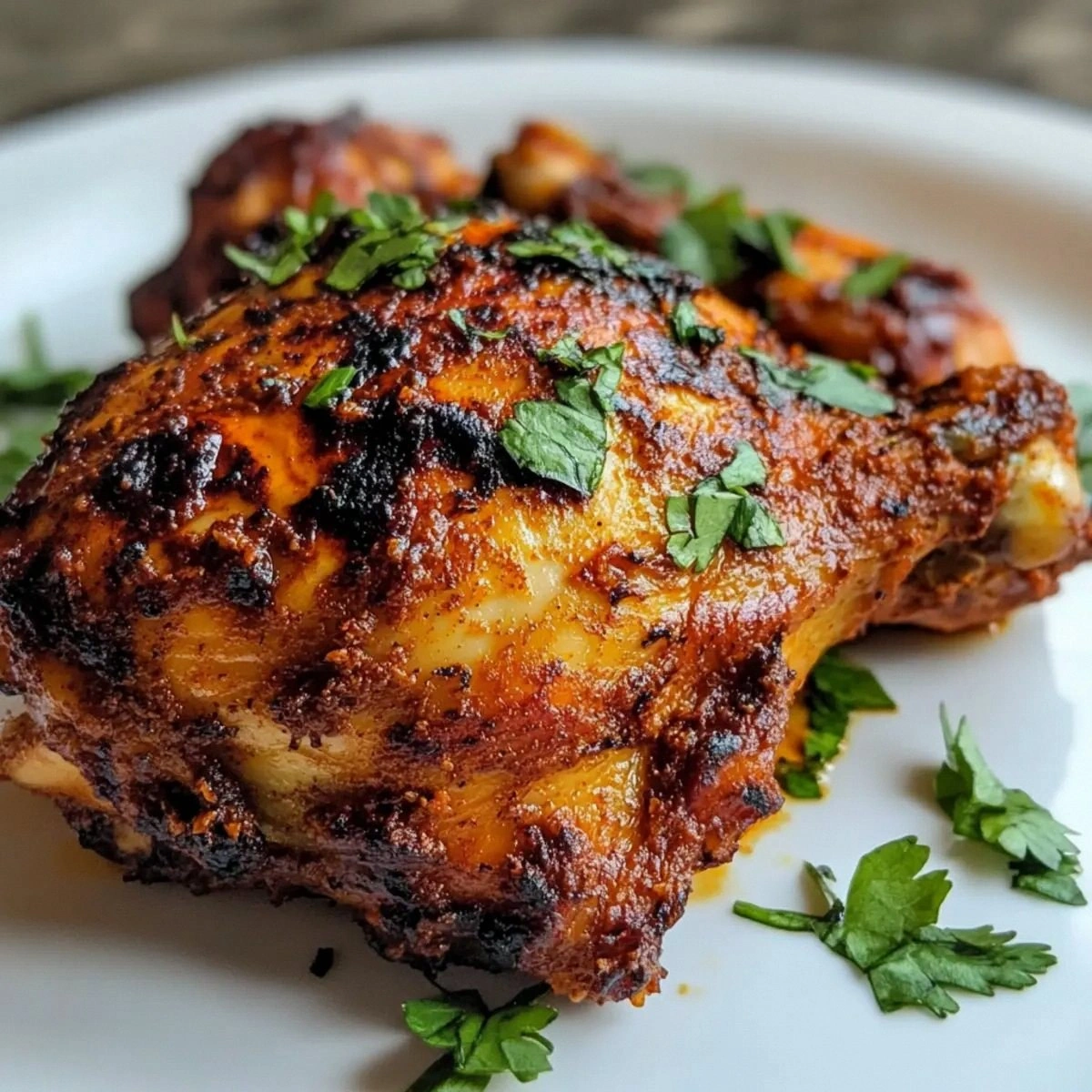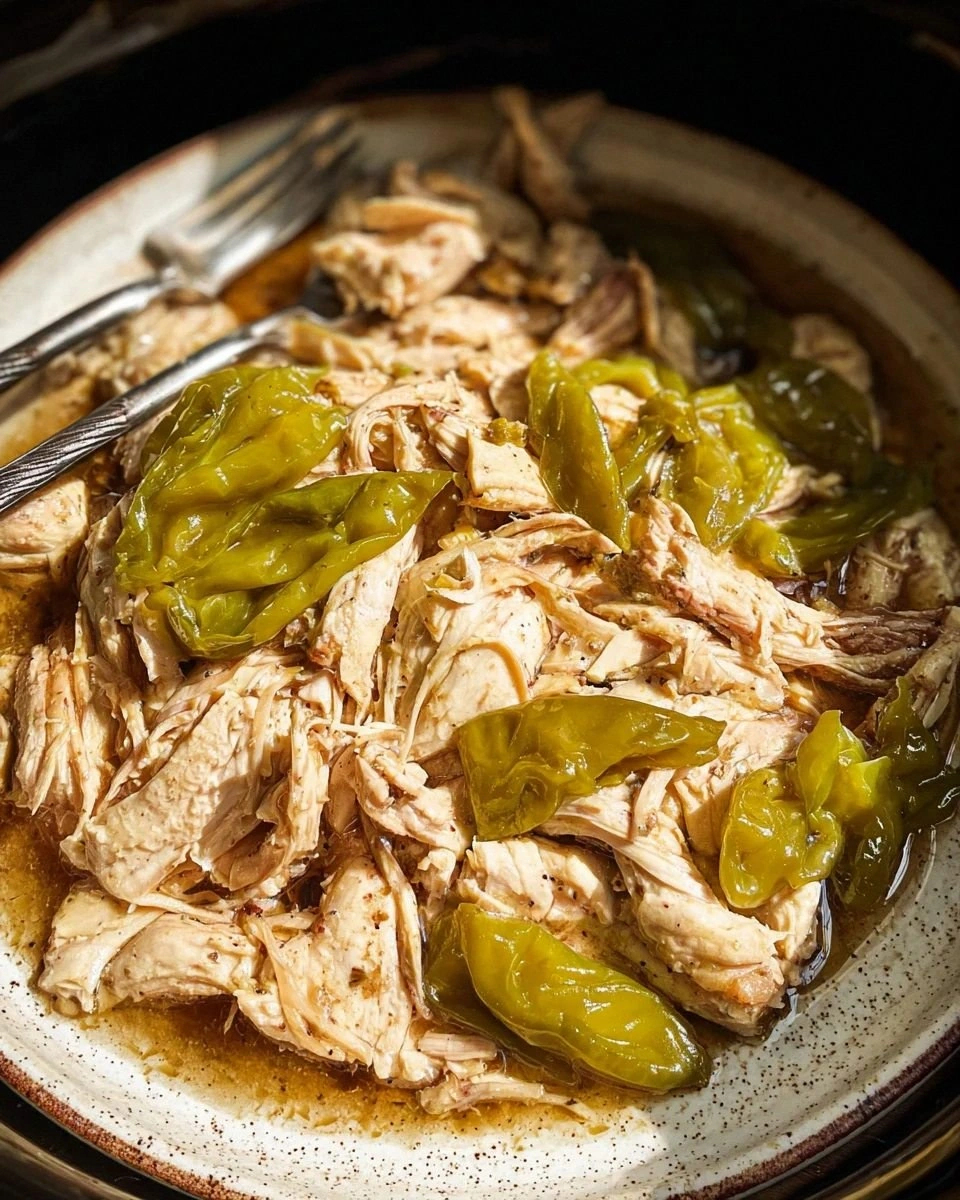
I will never forget the first time I tasted Mississippi Chicken. It was one of those sticky August afternoons when the air conditioner couldn't keep up and the idea of turning on the oven felt like volunteering for torture. My neighbor, a born-and-bred Southern firecracker who swears she could cook a gourmet meal on a hot sidewalk, waltzed over with a foil-covered dish and the audacious claim that this was "the easiest dang thing you'll ever put in your mouth." Ten minutes later I was standing over my kitchen counter, fanning my watering eyes, wondering why no one had ever told me that peppers and butter could perform a flavor tango so wild it should be illegal in seven states. The chicken shredded itself into silky ribbons, each strand carrying a smoky, tangy, slightly spicy cloak of au jus that made me question every roast I'd ever attempted. I ate three sandwiches back-to-back, ignoring the trickle of juice running down my wrist because stopping to grab a napkin felt like an unacceptable interruption. That night I texted her at 11:47 p.m.—a time polite people reserve for emergencies—demanding the recipe in all-caps. She replied with a single line: "Pepperoncini, ranch, butter, and patience." I blinked, laughed, and realized most of the cooking world has been overcomplicating dinner since the dawn of thyme. If you've ever stared into the depths of your fridge at 5 p.m. wondering how to turn a pack of boneless thighs into something your family will actually cheer for, you're about to join the cult of Mississippi Chicken. Picture yourself pulling this out of the oven, the whole kitchen smelling like a honky-tonk meets a five-star steakhouse, while your picky kids hover like vultures. Stay with me here—this is worth it.
Here's the beautiful chaos of Mississippi Chicken: it breaks all the culinary rules and somehow tastes better for it. Most slow-cooker recipes demand searing, deglazing, babysitting. This one says, "Throw it all in, walk away, become a hero." The first time I served it to my book-club friends, one declared—between dramatic swoons—that she'd trade her first-edition Austen for the recipe. Another friend, a serial meal-skipper who treats food as fuel, asked for seconds and then thirds. I dare you to taste this and not go back for seconds. The secret weapon isn't some exotic spice flown in from a Moroccan bazaar; it's a jar of pepperoncini, the underdog of the pickle aisle, delivering a bright, vinegary slap that wakes up every taste bud on duty. The ranch seasoning—yes, the stuff you secretly lick off your finger—marries with the buttery bath to create a sauce that coats the shredded meat like velvet on royalty. I'll be honest: I ate half the batch before anyone else got to try it, standing over the slow cooker with a fork and zero intentions of sharing. Most recipes get this completely wrong by adding water, broth, or—heaven forbid—cream of something soup. Water dilutes the punch; we want every drop concentrated. Trust me, you're ten minutes of prep away from sandwich nirvana, taco Tuesday glory, or baked-potato stuffing that will make you weep happy tears.
Okay, ready for the game-changer? We're going to oven-roast for the last ten minutes. I know, I know—Mississippi purists swear by the slow-cooker alone, but hear me out: a quick blast under high heat caramelizes the edges so they shatter like thin ice, giving you both fork-tender interior and crave-worthy crispy bits. That contrast is the difference between "good" and "I need this every week for the rest of my life." Another twist: I finish with a pat of cold butter whisked into the juices just before serving, a restaurant trick that adds glossy body and makes the sauce cling like gossip in a small town. Future pacing moment: imagine football Sunday, your living room roaring, and you saunter in with a platter of Mississippi Chicken sliders topped with tangy slaw. The room goes quiet except for the sound of happy munching. Let me walk you through every single step—by the end, you'll wonder how you ever made it any other way.
What Makes This Version Stand Out
Velvet-Soft Shreds: The low-and-slow bath breaks down collagen so thoroughly that two forks turn a rock-solid breast into cloud-like ribbons. Most recipes stop there, but we finish with a flash under the broiler so you get those crave-able crispy tips that taste like the edge of a roast done right.
Pepperoncini Power: Other versions fear the tang and cut the peppers in half. We use the whole jar—juice included—because that bright vinegar is the counterpoint to all the richness. If you've ever struggled with bland slow-cooker meals, you're not alone—and I've got the fix.
Butter, Not Water: Standard instructions dilute flavor with broth. We keep it pure: butter, seasoning, peppers. The result is a concentrated elixir you'll want to bottle and sell at the farmers' market.
Make-Ahead Hero: This recipe doubles like a dream and freezes into flavor grenades you can toss into weeknight chaos. Future-you will thank present-you while scarfing down a sandwich in record time.
Crowd Conversion Rate: I've served this to keto cousins, carb-loving teenagers, and spice-phobic grandparents. They all empty their plates and ask for the magic words. Bold claim: this is hands down the best version you'll ever make at home.
One-Pan Cleanup: If you use an oven-safe insert in your slow cooker, the entire journey happens in a single vessel. That sizzle when it hits the pan? Absolute perfection, and so is avoiding a mountain of dishes.
Inside the Ingredient List
The Flavor Base
Chicken thighs are the unsung hero here. Dark meat stays juicy through the marathon cook, whereas breast dries out faster than gossip in a small town. If you absolutely must use breast, swap for bone-in skin-on; the protective armor of skin and bone buys insurance against stringy disaster. Ranch seasoning is next—grab the packet with the fewest fillers or whisk together your own blend of dried buttermilk, dill, and garlic for bragging rights. Butter is non-negotiable; margarine tastes like melted plastic and olive oil turns bitter over the long haul. Use good old salted American butter because we want those milk solids to brown later and gift us nutty complexity.
The Texture Crew
Pepperoncini peppers arrive like the life of the party: neon green, slightly wrinkled, packing a gentle heat that even spice babies tolerate. Their juice is liquid gold—pour every drop in. The vinegar tenderizes the meat while injecting a tangy backbone that balances all that dairy. If you can't find pepperoncini, banana peppers work in a pinch, but you'll lose that subtle fruity note that whispers "I went to an Italian deli and all I got was this lousy awesomeness." Cornstarch is our quiet backstage crew member; a light dust over the chicken at the start encourages the juices to thicken into a luscious gravy without any floury lumps.
The Unexpected Star
Here comes the curveball: a single cube of chicken bouillon. Sounds redundant—it's chicken cooking in chicken—but that concentrated salt-and-umami bomb amplifies the poultry flavor so dramatically that tasters will swear you used heritage birds raised on organic sunshine. Vegetarians have permission to substitute mushroom powder; carnivores, do not skip. A whisper of smoked paprika adds a campfire nuance that makes the final product taste like it hung out in a smoker while you binge-watched reality TV. If you ever wondered why restaurant food tastes deeper than home cooking, this layering trick is why.
The Final Flourish
After roasting, we hit the shredded pile with a squeeze of fresh lemon and a scattering of chopped parsley. Acid brightens the heavy notes the way a sunrise lifts a hangover. Parsley adds a pop of color so the dish doesn't look like beige comfort on a plate. Use flat-leaf; curly is decorative at best and flavorless at worst. If you've got chives or scallion tops, party on. This next part? Pure magic: a pat of cold butter whisked into the hot jus right before serving emulsifies the sauce into glossy gravy that clings like your favorite hoodie.
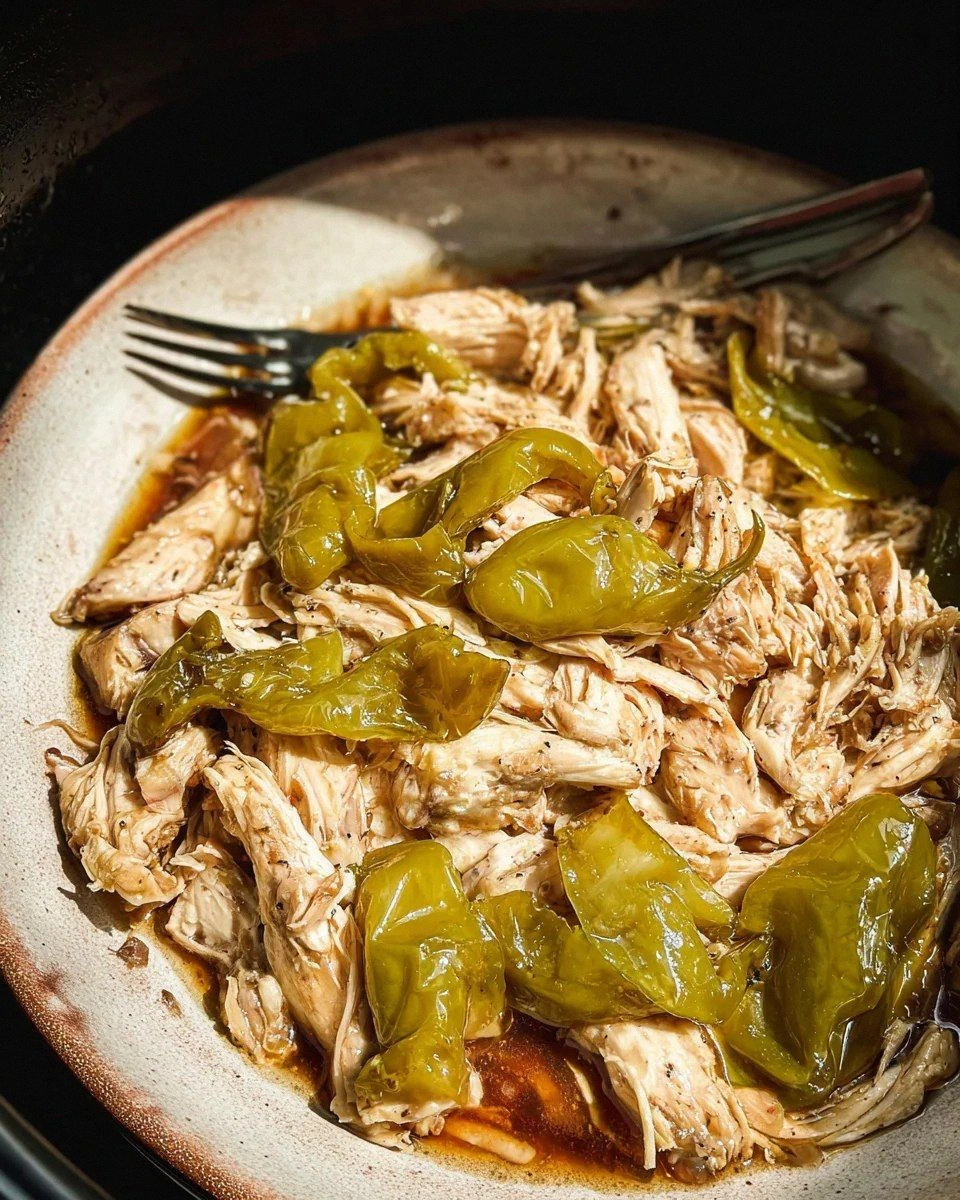
The Method — Step by Step
1. Pat the chicken thighs bone-dry with paper towels—moisture is the enemy of browning. Season generously on both sides with salt, pepper, and a light dusting of smoked paprika. The salt should look like a gentle snowfall, not a blizzard; we're layering flavor, not curing jerky. Arrange the thighs in a single layer in the slow-cooker insert, skin-side up if they have skin, because fat renders downward and self-bastes the meat.
2. Sprinkle the entire packet of ranch seasoning over the chicken like you're dusting donuts with powdered sugar. Try to keep it on the meat, not the bare ceramic, so every speck sticks and dissolves into the juices. If you're making your own blend, use two heaping tablespoons—ranch fanatics will thank you, ranch skeptics will convert. Tap the sides of the insert so the seasoning cascades into every crevice. Okay, now watch this part closely: drizzle a teaspoon of cornstarch across the top; it'll vanish but later work invisible thickening magic.
3. Slice the stems off the pepperoncini and toss the peppers whole into the pot; they collapse during cooking and release their tangy perfume. Pour every last drop of the jar's juice around the chicken, letting it puddle like neon green lava. The acidity starts tenderizing the proteins immediately, so even a short marination while you grab coffee pays dividends. Resist snacking on extra peppers—they're about to become melt-in-your-mouth gems that you'll fight your cousin for.
4. Cube the cold butter and distribute it over the top like you're playing a very decadent game of checkers. Cold butter melts slower, giving the sauce time to emulsify rather than separate into greasy pools. Lay one bouillon cube in the center; it'll dissolve and disappear, but its concentrated savoriness will permeate every shred. Cover with the lid, set the cooker to low, and walk away for six hours. This is the moment of truth where patience beats effort every time.
5. After six hours, lift the lid and inhale—your kitchen should smell like a steakhouse hooked up with a pickle factory in the best possible way. Using tongs, transfer the chicken to a sheet pan; they'll look overcooked and unappetizing, but trust the process. Increase oven temperature to 425°F (220°C) and position a rack close to the broiler. Meanwhile, ladle a cup of the cooking liquid over the meat to keep it moist while we blast it with heat. Don't walk away from the stove here; broil for 4–6 minutes until the edges char like campfire marshmallows.
6. Return the shredded, char-kissed chicken to the slow cooker and bathe it in the waiting juices. Stir so every strand is lacquered in tangy, buttery gravy. Switch the cooker to warm; hold here until guests arrive or your willpower collapses. The meat will continue drinking up flavor, so an extra 30 minutes of patience translates to deeper taste. If the sauce looks thin, leave the lid ajar so steam escapes and natural reduction works its alchemy.
7. Just before serving, whisk in the final tablespoon of cold butter off the heat. This mounts the sauce, transforming it from brothy to silk-tie glossy. Squeeze half a lemon over the top and shower with fresh parsley for color and lift. The acid brightens the heavy notes the way dawn rescues night. Give it one gentle fold; over-mixing breaks the meat into baby-food mush.
8. Heap the chicken onto toasted brioche buns, baked potatoes, or a mountain of nachos—there are no wrong answers, only joy. Ladle extra gravy on the side because someone will ask for a dunking pool. Serve hot, ideally with cold beer and a side of crunchy slaw to cut the richness. And now the fun part: sit back and watch eyes roll backward in bliss.
9. Store leftovers (if you have any) in the braising liquid to keep the meat succulent. The flavors meld overnight into an even more harmonious chorus, so tomorrow's lunch might outshine tonight's dinner. That's it—you did it. But hold on, I've got a few more tricks that'll take this to another level...
Insider Tricks for Flawless Results
The Temperature Rule Nobody Follows
Start on low, never high. High heat boils the meat, squeezing moisture out like an overworked sponge and leaving you with cotton-dry strands. Low and slow melts collagen into gelatin, creating that lip-sticking unctuous texture. If you're racing the clock, microwave the butter for 20 seconds just to soften, then still opt for low—time is the non-negotiable ingredient here.
Why Your Nose Knows Best
When the scent shifts from buttery ranch to something deeper with caramel notes, you're 30 minutes away from perfection. That aroma change signals the Maillard party starting on the surface. A friend tried skipping this olfactory checkpoint once; let's just say it didn't end well and her dog got a very expensive meal.
The 5-Minute Rest That Changes Everything
After the final butter mount, let the pot stand uncovered for five minutes. This pause allows the fat to settle, flavors to marry, and temperature to drop just enough that you won't scorch your tongue on the first bite. Patience equals maximum payoff.
The Crisp Factor
For sandwich nirvana, toast buns in the rendered chicken fat. Spoon a teaspoon of the golden schmaltz onto a hot skillet, press the cut sides of buns until they bronze and crisp. The edges shatter, the interior stays pillowy, and the flavor echo is next-level.
The Pepperoncini Payoff
Reserve a few peppers, slice them into thin rings, and quick-pickle in apple-cider vinegar with a pinch of sugar. Pile these neon circles on top just before serving for a bright pop that cuts through the richness like a squeeze of citrus on oysters.
Creative Twists and Variations
This recipe is a playground. Here are some of my favorite ways to switch things up:
Buffalo Blaze
Swap half the butter for melted cayenne-pepper hot sauce and add a tablespoon of brown sugar to balance the heat. The result tastes like Buffalo wings married pot roast and honeymooned in flavor town. Serve on slider buns with blue-cheese slaw for maximum tavern vibes.
Smoky Maple
Replace the bouillon with a tablespoon of maple syrup and add a teaspoon of liquid smoke. The sweetness caramelizes under the broiler, creating sticky edges reminiscent of campfire chicken wings. Great wrapped in warm tortillas with crunchy apple slaw.
Green Chile Cowboy
Add a drained can of Hatch chiles and a dash of ground cumin. The Southwestern perfume will have neighbors knocking. Use as filling for enchiladas, blanket with Monterey Jack, and bake until bubbly.
Mediterranean Escape
Trade ranch seasoning for a mix of dried oregano, basil, and garlic powder. Swap pepperoncini for sliced Kalamata olives and a splash of red-wine vinegar. Serve over orzo with crumbled feta and prepare for sun-soaked daydreams.
Korean Fire
Stir a spoonful of gochujang into the juices before the final butter mount. The fermented chile paste adds umami depth and a slow burn that creeps like K-pop into your consciousness. Pile onto steamed rice with kimchi and a fried egg for a cultural mash-up that works unreasonably well.
Breakfast Champion
Reheat leftovers in a skillet, create wells, and crack eggs into them. Cover for five minutes and serve with toast soldiers for dipping into yolk mingled with gravy. Morning game-changer status unlocked.
Storing and Bringing It Back to Life
Fridge Storage
Transfer cooled meat and plenty of gravy into an airtight glass container; plastic absorbs the piquant pepper smell and will haunt tomorrow's pudding. Refrigerate up to four days. The sauce will gel thanks to natural collagen—rejoice, that's flavor in suspended animation.
Freezer Friendly
Portion into quart-size freezer bags, press out excess air, and freeze flat for space efficiency. Label with the date and a warning: "May cause immediate cravings." Keeps up to three months. Thaw overnight in the fridge; do not microwave from rock-solid unless you enjoy rubbery edges.
Best Reheating Method
Place cold chicken in a skillet with a splash of water, cover, and warm over medium-low heat. The gentle steam resurrects moisture without drying shreds. Add a tiny splash of water before reheating—it steams back to perfection and loosens the gravy. Avoid the microwave if possible; if you must, use 50% power in 30-second bursts, stirring between zaps.