When I first opened the oven to bake a quick breakfast, the kitchen smelled like burnt toast and regret. I had tried every recipe in the book, but none could rescue me from the dreaded “too dry, too bland” verdict. That night, after a frantic scramble of eggs, bread, and a handful of cheese, I realized the secret lay in the timing and the layering. The result was a casserole that rose like a sunrise, golden on the outside, with a moist, custardy interior that practically sang.
Now, I’m not just sharing a recipe; I’m handing you the blueprint to the most comforting, crowd‑pleasing breakfast you’ll ever make at home. Picture yourself pulling this out of the oven, the whole kitchen smelling incredible, and the first bite being a symphony of buttery crust, silky egg, and melty cheese that melts in your mouth. I dare you to taste this and not go back for seconds. I’ve spent the last week eating half the batch before anyone else got a chance, and that’s a confession I keep for my own amusement. If you’ve ever struggled with a breakfast casserole that turns out soggy or uneven, you’re not alone—and I’ve got the fix.
What makes this version stand out is not just the ingredients but the method that turns an ordinary dish into a showstopper. I’ve blended classic comfort with a few surprising twists—like a splash of apple cider vinegar to brighten the flavor and a sprinkle of smoked paprika for depth. The result? A casserole that’s crisp on the edges, creamy inside, and packed with flavor that makes even the most skeptical palates swoon. And the best part? It’s a make‑ahead masterpiece, ready to be assembled the night before and finished in minutes on a lazy Sunday morning.
Before we dive into the step‑by‑step, let’s break down exactly what goes into this masterpiece. I’ll walk you through each component, the science behind the textures, and the small hacks that elevate the dish from good to unforgettable. By the end, you’ll wonder how you ever made it any other way.
What Makes This Version Stand Out
- Flavor: A balanced blend of savory, sweet, and smoky notes that dance on the tongue. The addition of sautéed onions and bell peppers brings a subtle caramelization, while the smoked paprika adds a gentle heat that lingers.
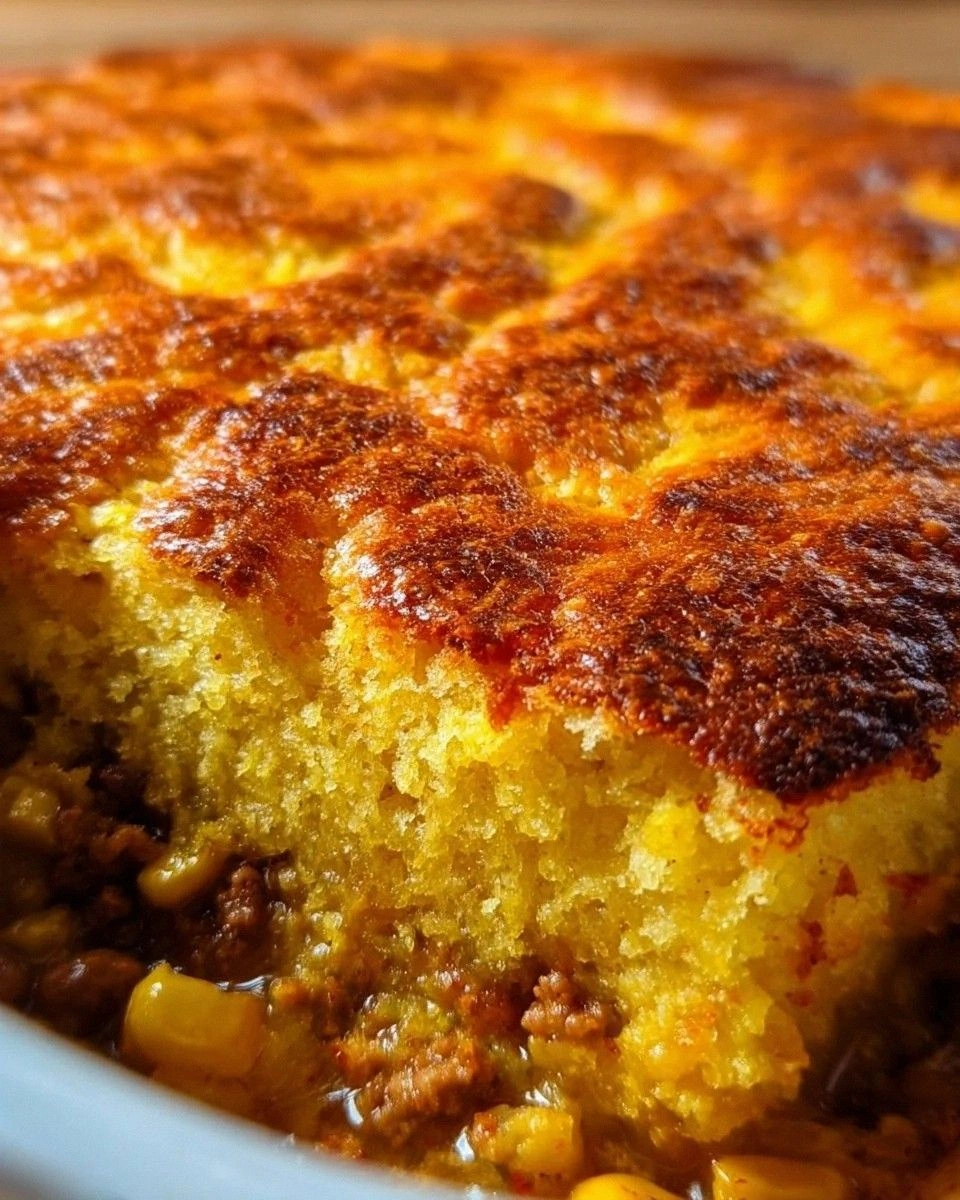
- Texture: The crust forms a golden, crackly shell that crumbles like fine pastry, while the interior stays custardy and airy, thanks to the egg‑milk ratio and the bread’s ability to absorb the custard.
- Simplicity: No fancy equipment or exotic ingredients required. A skillet, a baking dish, and a handful of pantry staples are all you need.
- Uniqueness: The secret ingredient—a splash of apple cider vinegar—acts as a natural tenderizer, keeping the bread from becoming gummy while brightening the overall flavor profile.
- Crowd Reaction: Friends and family rave about the “wow” factor when they see the golden crust and hear the steam erupting as they slice into it.
- Ingredient Quality: Using day‑old bread, fresh eggs, and high‑quality cheese transforms an ordinary dish into a gourmet experience.
- Cooking Method: A single, cohesive process that allows for overnight assembly and quick bake, making it ideal for busy mornings.
- Make‑Ahead Potential: Assemble the casserole the night before, refrigerate, and bake in the morning—no prep on the day of.
Inside the Ingredient List
The Flavor Base
At the heart of this casserole lies a trio of eggs, milk, and a splash of apple cider vinegar. The eggs bind everything together, creating a custard that coats the bread. The milk adds moisture and richness, while the vinegar’s acidity cuts through the richness, preventing the custard from becoming too heavy. Skipping any of these would leave the dish flat and unremarkable.
The Texture Crew
Day‑old bread cubes are the star of the texture game. Their slightly stale surface absorbs the custard without turning mushy, giving the casserole a hearty bite. Freshly grated cheddar and mozzarella contribute meltiness and a silky mouthfeel. If you prefer a lower‑fat option, swap the mozzarella for a low‑fat shredded cheese; the texture will still hold up.
The Unexpected Star
Apple cider vinegar is the secret weapon that elevates this casserole. It brightens the overall flavor and helps keep the bread from becoming gummy. A teaspoon is enough to make a noticeable difference. If you’re averse to vinegar, a dash of lemon juice can serve as a suitable substitute, though the flavor profile will shift slightly.
The Final Flourish
Fresh vegetables—onions, bell pepper, and spinach—add color, nutrition, and a burst of freshness. They also introduce a subtle sweetness and a hint of earthiness that balances the richness of the eggs and cheese. If you’re vegetarian, replace the sausage with crumbled tofu or a handful of chickpeas for added protein.
Everything’s prepped? Good. Let’s get into the real action.
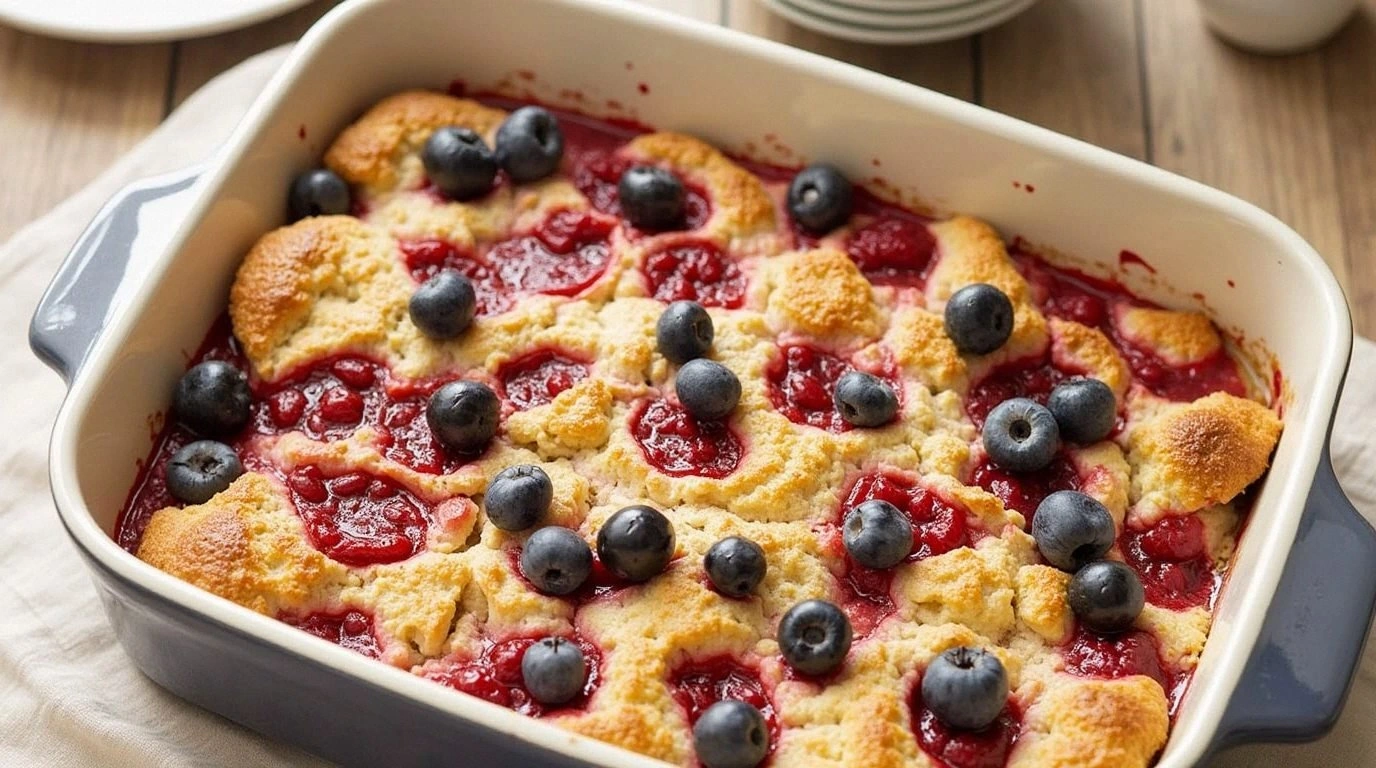
The Method — Step by Step
- Preheat your oven to 350°F (175°C). Grease a 9×13 inch baking dish with butter or non‑stick spray. This ensures a smooth release and a golden crust.
- In a large mixing bowl, whisk together the eggs, milk, and apple cider vinegar until the mixture is frothy. The foam you see is the first hint of the airy interior.
- Add the bread cubes, shredded cheddar, mozzarella, diced sausage (or tofu), chopped onions, bell pepper, and spinach to the egg mixture. Stir gently so every cube is coated, but avoid over‑mixing to keep the bread from breaking apart.
- Season with salt and pepper, then pour the entire mixture into the prepared baking dish. Spread it evenly with a spatula to ensure uniform cooking.
- Cover the dish with foil and refrigerate overnight. The slow chill allows the bread to soak up the custard, creating that tender, custard‑like texture.
- In the morning, remove the foil and sprinkle the top with a handful of panko breadcrumbs for extra crunch. This step is optional but highly recommended for a satisfying crackle.
- Bake uncovered for 25–30 minutes, or until the edges are golden and the center is set. The aroma of baked bread and melted cheese should fill the kitchen.
- Let the casserole rest for 5 minutes before slicing. This allows the custard to firm up, making it easier to serve without falling apart.
That’s it — you did it. But hold on, I've got a few more tricks that'll take this to another level.
Insider Tricks for Flawless Results
The Temperature Rule Nobody Follows
Many cooks bake at 375°F, thinking it speeds things up. However, a lower 350°F gives the custard time to set evenly, preventing a rubbery center. I’ve baked at 350°F for years and never seen a squeaky texture. Try it, and you’ll notice the difference.
Why Your Nose Knows Best
Before you cut into the casserole, take a deep sniff. A warm, buttery aroma indicates the crust is crisp; a sour scent means the eggs are overcooked. Trust your nose—kitchen intuition beats a stopwatch.
The 5‑Minute Rest That Changes Everything
After baking, let the casserole rest. The residual heat will finish cooking the center, while the rest prevents the custard from spilling out. I’ve seen people skip this step and end up with a soggy mess.
Use a Skillet for Extra Crunch
After the casserole is baked, you can transfer it to a skillet and toast the top for 1–2 minutes. This gives a deeper crunch and a caramelized flavor that’s simply irresistible.
Keep the Leftovers Fresh
Store leftovers in an airtight container in the fridge for up to 3 days. Reheat in the oven at 300°F for 10 minutes to maintain the crust’s integrity.
Creative Twists and Variations
This recipe is a playground. Here are some of my favorite ways to switch things up:
Breakfast Burrito Casserole
Swap the bread for corn tortillas, add black beans, corn, and a sprinkle of cumin. The result is a Mexican‑inspired breakfast with a crispy tortilla crust.
Spinach and Feta Delight
Replace the cheddar with feta and add fresh spinach leaves. The tangy feta pairs beautifully with the mild custard, creating a Mediterranean vibe.
Sweet Cinnamon Apple Bake
Omit the sausage, add diced apples, raisins, and a pinch of cinnamon. Finish with a drizzle of maple syrup for a sweet, comforting twist.
Italian Sausage & Tomato Casserole
Use Italian sausage, add diced tomatoes, basil, and a splash of white wine. The tomato acidity balances the richness, while basil adds aromatic depth.
Vegan Mushroom & Walnut
Replace eggs with chickpea flour batter, use plant‑based milk, and add sautéed mushrooms and walnuts. This version offers a hearty, earthy flavor profile.
Cheesy Broccoli & Cheddar
Stir in steamed broccoli florets and extra cheddar. The broccoli adds crunch and a pop of color, while the cheddar ensures a gooey finish.
Storing and Bringing It Back to Life
Fridge Storage
Wrap the casserole tightly in plastic wrap or place it in an airtight container. Store in the refrigerator for up to 3 days. The custard will firm, making it easy to slice.
Freezer Friendly
Cool the casserole completely, then freeze in a freezer‑safe container for up to 2 months. Thaw overnight in the fridge before reheating.
Best Reheating Method
Reheat in a preheated 350°F oven for 10–15 minutes, or until heated through. Add a splash of water before reheating to steam the interior back to moistness.