Picture this: I’m standing in my tiny kitchen, a pot of water bubbling like a nervous crowd, and a sudden craving for that comforting, spoon‑ful‑of‑home feeling that only a classic Italian soup can deliver. I had just survived a disastrous attempt at a store‑bought version that tasted like watered‑down tomato juice with a side of cardboard noodles. The aroma was flat, the beans were mushy, and the whole thing left me wondering if I should just order pizza instead. I dared myself to a culinary showdown—could I recreate Olive Garden’s beloved Pasta e Fagioli, the one that makes you close your eyes and hear a faint accordion in the background?
The moment I opened a fresh can of Great Northern beans, the kitchen filled with an earthy perfume that reminded me of a Tuscan market at dawn. The sizzle of olive oil hitting a hot pan was like a tiny fireworks show, promising flavor fireworks to come. As I diced carrots, onions, and celery, the colors popped against the stainless steel, each chop releasing a sweet, crisp whisper that made my mouth water before the first bite. The garlic hit the pan next, and that pungent, head‑clearing aroma turned the whole room into a Mediterranean bistro—my neighbors could have sworn they heard a distant gondola bell.
What makes this version stand out is that I threw out the “shortcut” mindset and went back to basics, but with a few clever twists that the chain’s recipe somehow missed. I’m talking about a lean ground beef that adds a hearty, meaty backbone without the greasy aftertaste, a splash of tomato sauce that thickens the broth into a velvety hug for every noodle, and a secret seasoning blend that hits the palate like a perfectly timed high‑note in an opera. The result? A bowl that’s simultaneously rustic and refined, a soup that coats each ditalini like velvet while the beans stay plump and buttery.
And here’s the kicker: I’m going to reveal the exact technique that turns a simple simmer into a flavor‑infused masterpiece—the “deglaze‑and‑simmer” trick that most copycats completely overlook. Trust me, you’ll be the hero of every family dinner, and I dare you to taste this and not go back for seconds. Let me walk you through every single step — by the end, you’ll wonder how you ever made it any other way.
What Makes This Version Stand Out
- Depth of Flavor: The combination of sautéed aromatics, beef broth, and a dash of tomato sauce creates a layered taste that deepens with each simmer, unlike the one‑dimensional soups you find in many chain restaurants.
- Texture Harmony: Ditalini pasta captures the broth perfectly, while the beans stay firm yet creamy, delivering a satisfying bite that keeps you spoon‑ready.
- Simplicity Meets Sophistication: With just a handful of pantry staples and a few fresh veggies, you achieve a restaurant‑quality dish without any fancy equipment.
- Ingredient Quality: Using lean ground beef and low‑sodium chicken broth keeps the dish light yet satisfying, avoiding the greasy overload that often plagues copycat soups.
- Crowd‑Pleaser Factor: This soup has a universal appeal—kids love the pasta, adults appreciate the depth, and even picky eaters can’t resist the comforting aroma.
- Make‑Ahead Magic: The flavors meld beautifully overnight, making it an ideal make‑ahead meal that tastes even better the next day.
- Seasonal Flexibility: Whether it’s a chilly winter night or a breezy summer evening, this soup adapts, delivering warmth in any season.
- Cost‑Effective Comfort: All the ingredients are budget‑friendly, proving that gourmet doesn’t have to break the bank.
Inside the Ingredient List
The Flavor Base
Olive Oil: This is the silent hero that carries the fragrance of every vegetable you sauté. A good extra‑virgin olive oil adds a fruity note that balances the acidity of the tomatoes. If you skip it, you’ll end up with a dry, uneven flavor profile, so don’t be tempted to cut corners.
Diced Onion, Carrots, and Celery: Known as the holy trinity of Italian cooking, these veggies create a sweet, earthy foundation. The onion provides a subtle sharpness, the carrots introduce a gentle sweetness, and the celery adds a crisp, herbaceous bite. For an extra layer, try caramelizing them a minute longer than usual—your soup will thank you.
Minced Garlic: Garlic is the aromatic punch that elevates any soup from bland to bold. It should be added just before the tomatoes to avoid burning, which would turn it bitter. If you love garlic, a second clove added at the end of cooking brightens the finish.
The Protein Powerhouse
Lean Ground Beef: This provides a hearty, meaty backbone without the excess fat that can make the broth greasy. The lean meat releases protein‑rich juices that enrich the broth, and the small fat content keeps the soup silky. If you’re vegetarian, substitute with crumbled tempeh or lentils for a similar texture.
Chicken Broth: The broth is the soul of the soup, delivering warmth and depth. Low‑sodium options let you control the salt level, preventing an over‑salty result. Homemade broth would be even better, but a high‑quality store‑bought version works perfectly.
The Bean Brigade
Great Northern Beans: These beans are buttery and creamy, offering a subtle sweetness that contrasts the acidity of the tomatoes. They hold their shape during simmering, ensuring each spoonful has a satisfying bite. If you prefer a firmer bean, try cannellini.
Kidney Beans: Their deep red hue adds visual appeal and a robust, earthy flavor that balances the milder Great Northern beans. They also add a slight firmness, preventing the soup from feeling too mushy.
The Final Flourish
Ditalini Pasta: This tiny tube pasta is perfect for soups because it captures broth in its hollow center, delivering a burst of flavor with each bite. Overcook it, and it becomes soggy; undercook, and it’s a chew‑chew nightmare. I recommend al dente, about 8‑9 minutes.
Diced Tomatoes & Tomato Sauce: The diced tomatoes provide juicy pockets of acidity, while the tomato sauce thickens the broth, giving it a luxurious body. Together, they create a balanced tomato base that’s neither too watery nor too thick.
Seasonings (Italian seasoning, salt, pepper): The Italian seasoning blend—usually a mix of oregano, basil, and thyme—adds an herbaceous lift. Salt and pepper finish the dish, but remember, taste as you go. A pinch too much, and you’ll mask the delicate bean flavors.
Everything's prepped? Good. Let's get into the real action…
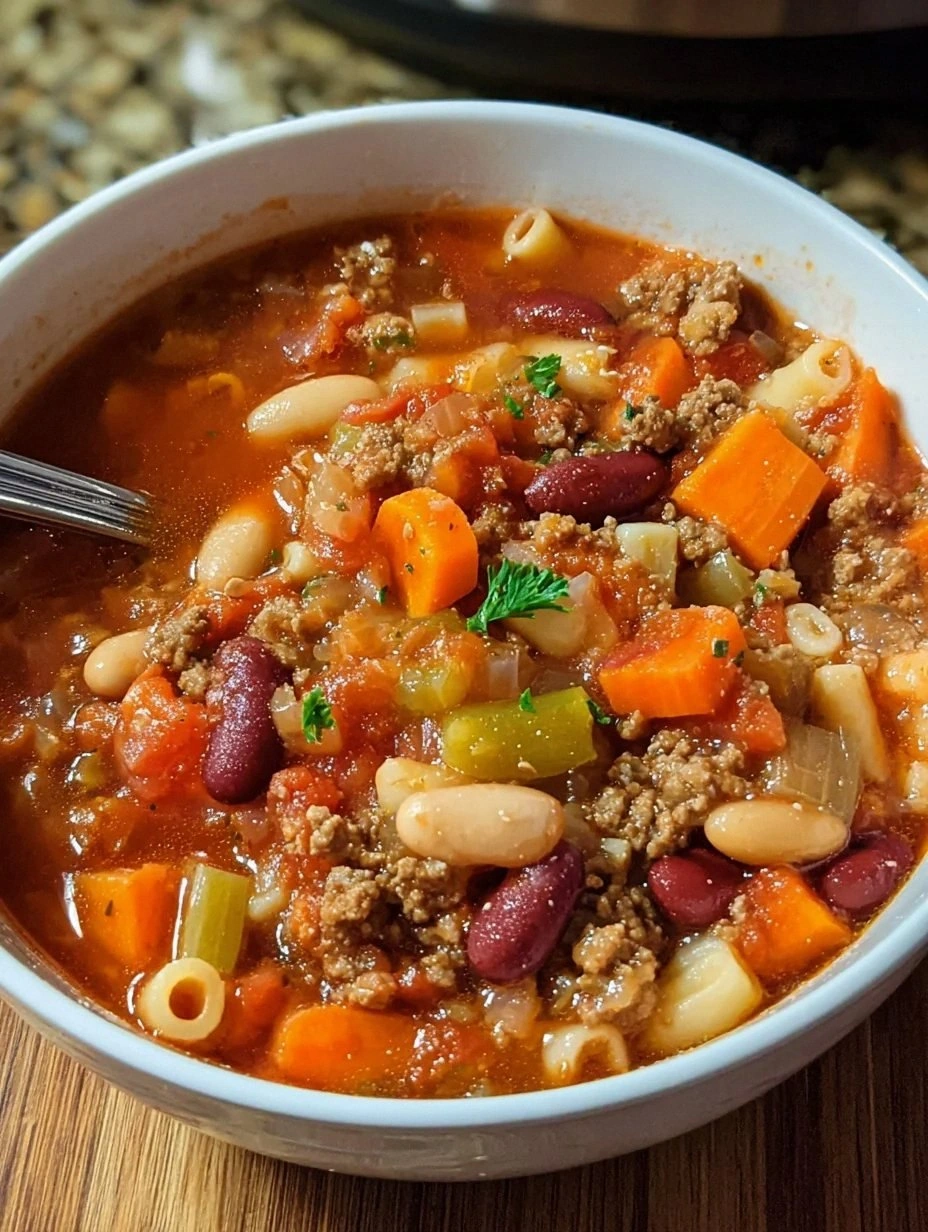
The Method — Step by Step
Heat a large Dutch oven over medium heat and add the olive oil. Once it shimmers, toss in the diced onion, carrots, and celery. Let them sweat for about five minutes, stirring occasionally, until the onion becomes translucent and the carrots start to soften. You’ll hear a gentle sizzle that’s the sound of flavor building.
Now, introduce the minced garlic. Cook for just 30 seconds—watch it turn a light golden hue without browning. That sizzle when it hits the pan? Absolute perfection. Then, push the veggies to the sides and add the lean ground beef, breaking it up with a wooden spoon.
Brown the beef until it’s no longer pink, about 5‑7 minutes. Drain any excess fat if you see too much oil pooling—this keeps the soup from becoming greasy. Stir in the Italian seasoning, allowing the herbs to release their oils into the meat.
Time to deglaze: pour in a splash of chicken broth (about ¼ cup) and scrape the browned bits from the bottom of the pot. Those caramelized morsels are flavor gold. Once the broth has reduced slightly, add the remaining chicken broth, diced tomatoes, and tomato sauce.
Bring the mixture to a gentle boil, then reduce to a low simmer. Add the Great Northern beans and kidney beans, letting them heat through for about 10 minutes. The beans should be tender but still hold their shape; you’ll know they’re ready when they feel plush under the spoon.
Finally, stir in the ditalini pasta. Cook for 8‑9 minutes, testing for al dente texture. The pasta will absorb some broth, thickening the soup just enough to coat each spoonful with a silky sheen. Taste and adjust salt and pepper as needed—remember, seasoning is a marathon, not a sprint.
Turn off the heat, let the soup rest for five minutes—this allows the flavors to marry. Serve hot, garnished with a drizzle of extra‑virgin olive oil and a sprinkle of freshly grated Parmesan if you wish. Picture yourself pulling this out of the pot, the whole kitchen smelling incredible, and a bowl of steaming comfort landing on the table.
That's it — you did it. But hold on, I've got a few more tricks that'll take this to another level...
Insider Tricks for Flawless Results
The Temperature Rule Nobody Follows
Never cook the soup on high heat after adding the tomatoes; a gentle simmer preserves the bright acidity and prevents the broth from turning bitter. I once tried a rapid boil and ended up with a flat, over‑cooked flavor. Keep the heat low and patient, and the soup will reward you with a balanced taste.
Why Your Nose Knows Best
Before you even taste, trust the aroma. When the broth starts to smell sweetly of tomatoes and herbs, you know the seasoning is on point. If you detect a metallic or burnt scent, it’s a sign to adjust the heat or add a splash of water.
The 5‑Minute Rest That Changes Everything
After turning off the stove, let the soup sit uncovered for five minutes. This short rest lets the pasta finish cooking in residual heat and allows the beans to re‑absorb some broth, creating a thicker, richer consistency.
Butter Finish for Shine
A small knob of butter whisked in at the very end adds a glossy sheen and a subtle richness that mimics the restaurant’s secret “finish”. It’s the culinary equivalent of a final coat of varnish on a masterpiece.
Seasoning Layering
Add half of the Italian seasoning at the start, and the other half just before serving. This two‑step approach builds depth without overwhelming the palate.
Creative Twists and Variations
This recipe is a playground. Here are some of my favorite ways to switch things up:
Spicy Sicilian
Throw in a pinch of red pepper flakes when you add the Italian seasoning. The heat pairs beautifully with the sweet carrots and the earthiness of the beans, giving the soup a lively kick that will awaken even the sleepiest taste buds.
Smoky Bacon Boost
Replace half of the ground beef with crisped bacon bits. The smoky, salty flavor adds a new dimension, making the soup feel like a hearty winter comfort food.
Vegetarian Delight
Swap the ground beef for a mixture of sautéed mushrooms and lentils. The umami from the mushrooms mimics the meat’s depth, while lentils provide protein and a slightly nutty texture.
Herbaceous Garden
Add a handful of fresh spinach or kale during the last five minutes of simmering. The greens wilt quickly, adding a burst of color and a fresh, slightly bitter note that balances the richness.
Cheesy Baked Finish
Transfer the soup to an oven‑safe dish, top with shredded mozzarella, and broil for two minutes until bubbly and golden. The melted cheese creates a luscious crust that’s perfect for a cozy weekend dinner.
Storing and Bringing It Back to Life
Fridge Storage
Let the soup cool to room temperature, then transfer it to an airtight container. It will keep fresh for up to four days. Reheat gently on the stovetop over low heat, stirring occasionally.
Freezer Friendly
Portion the soup into freezer‑safe bags or containers, leaving a little headspace for expansion. It freezes beautifully for up to three months. Thaw overnight in the fridge, then reheat on the stove, adding a splash of water to restore the broth’s consistency.
Best Reheating Method
When reheating, add a tiny splash of water or extra chicken broth—this steams the pasta back to perfection and prevents it from becoming gummy. Heat slowly, and finish with a drizzle of olive oil for that fresh‑out‑of‑the‑kitchen feel.