I remember the night I was on a fishing trip with my uncle, a seasoned fisherman who swore by the “real” lobster roll, and I was forced to eat a bland, pre‑made sandwich that tasted like a cardboard box. The disappointment was so sharp it left a metallic taste in my mouth—like the ghost of a stormy sea. That night, I vowed to create a lobster roll that would make even my uncle’s stern face break into a grin. The result? A roll that’s so fresh, so vibrant, it practically sings in your mouth.
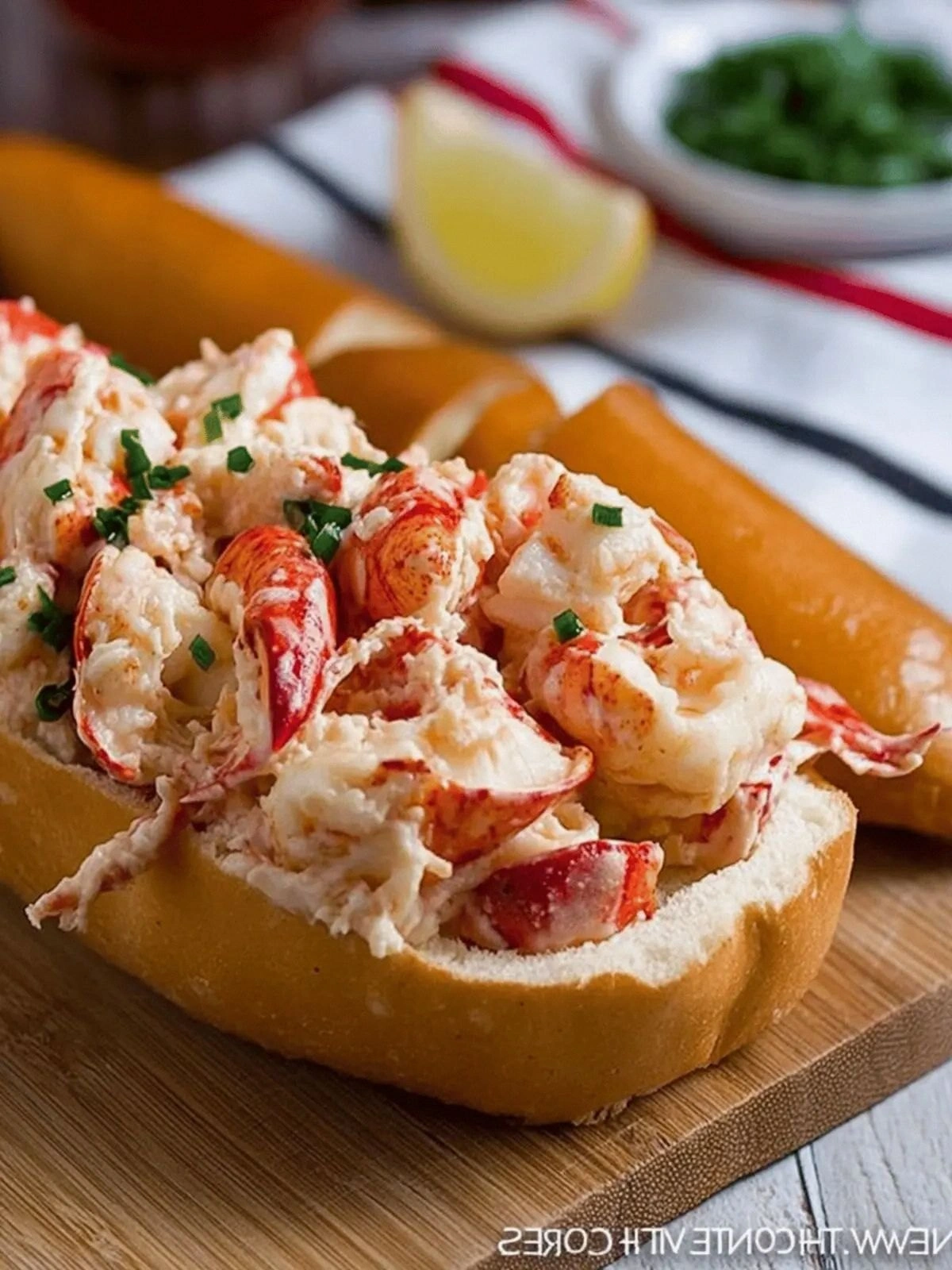
Picture this: the moment the hot butter sizzles as it greets the bread, the aroma of briny seaweed and citrus dances through the kitchen. The crust is toasted to a golden, buttery crunch that gives way to a tender, buttery interior. The lobster meat, plump and pink, is folded into a creamy mayonnaise sauce that coats every bite like velvet. The crunch of celery and the bright pop of green scallion tops add a lively contrast that keeps your palate dancing. The final touch? A whisper of hot sauce that lingers on the tongue, leaving a faint trail of heat that invites a second bite. That’s the sensory experience I’m about to share with you.
What sets this version apart from the countless other lobster roll recipes you’ll find online is not just the ingredients, but the philosophy behind each one. I’m talking about the balance of textures, the intentional use of fresh, seasonal produce, and a technique that elevates a simple sandwich into a culinary masterpiece. This isn’t a recipe you’ll find in a cookbook; it’s a conversation between you and the sea, a dialogue that happens right in your own kitchen. I dare you to taste this and not go back for seconds.
Most recipes get this completely wrong. They either over‑season the meat or under‑toast the bread, leading to a soggy, flavorless result that feels like a culinary mistake. I’ve spent countless evenings experimenting with the right ratio of butter to bread, the precise amount of lemon juice, and the perfect blend of celery and scallion tops. The result? A roll that’s hands down the best version you’ll ever make at home. Picture yourself pulling this out of the oven, the whole kitchen smelling incredible, and watching friends’ eyes widen with surprise. Stay with me here—this is worth it.
What Makes This Version Stand Out
- Taste: The buttery, citrusy sauce marries the natural sweetness of lobster with a subtle tang that lifts the entire dish.
- Texture: Crispy, toasted bread provides a satisfying crunch that contrasts with the silky lobster filling.
- Simplicity: With only a handful of ingredients, the recipe stays approachable while still delivering a gourmet experience.
- Uniqueness: The inclusion of scallion green tops adds an herbaceous brightness that most lobster rolls lack.
- Crowd Reaction: Friends and family rave about the freshness and balance—no one can stop asking for seconds.
- Ingredient Quality: Using fresh, high‑grade lobster meat and hand‑picked celery ensures the dish sings with natural flavors.
- Cooking Method: The butter‑toasted bread technique locks in moisture and adds a caramelized flavor that is hard to replicate.
- Make‑Ahead Potential: The filling can be prepared up to two days in advance without losing its freshness.
Inside the Ingredient List
The Flavor Base
Mayonnaise forms the creamy backbone of the roll, providing a smooth, rich mouthfeel that carries the lobster’s natural sweetness. A tablespoon of fresh lemon juice cuts through the fat, adding a bright, citrusy note that lifts the entire flavor profile. The dash of hot sauce is the secret that adds a subtle kick without overpowering the delicate seafood. If you’re avoiding mayonnaise, a light yogurt or a homemade aioli can be an excellent substitute, but you’ll lose that silky texture that makes the roll unforgettable.
The Texture Crew
Finely chopped celery brings a satisfying crunch and a hint of earthiness that balances the buttery richness. Green tops from a scallion add a peppery freshness that cuts through the heaviness of the mayonnaise. The melted butter used for toasting the bread creates a golden, caramelized crust that locks in moisture and offers a buttery snap. If you prefer a lighter roll, use a low‑fat butter or a butter substitute, but be prepared for a slightly less indulgent bite.
The Unexpected Star
Freshly ground black pepper, though used sparingly, adds a subtle heat and aromatic depth that elevates the dish. A pinch of salt is essential for balancing all the flavors, ensuring each bite is perfectly seasoned. Optional lettuce, if used, provides a crisp, cool contrast that refreshes the palate between bites. If you’re vegan or lactose‑free, replace the butter with a plant‑based butter and the mayonnaise with a vegan alternative—though the flavor will shift slightly.
Everything’s prepped? Good. Let’s get into the real action.
The Method — Step by Step
- Begin by toasting your buns in a skillet with melted butter over medium heat. The butter should sizzle, forming a golden crust that will keep the bread from becoming soggy. Watch the edges; when they turn a deep amber, flip them carefully. This step is the foundation of the roll’s texture—don’t rush it.
- While the bread is toasting, combine the mayonnaise, lemon juice, hot sauce, and a pinch of salt in a bowl. Whisk until the mixture is smooth and the colors are evenly blended. The lemon juice should give the sauce a bright, almost translucent sheen. This is the sauce that will coat the lobster like velvet.
- Add the finely chopped celery and scallion tops to the sauce. Stir gently, ensuring the vegetables are evenly distributed. The celery will provide a crisp bite, while the scallion tops add a fresh, almost minty note. If you’re using lettuce, set it aside for later.
- Fold the cooked lobster meat into the sauce mixture. Be careful not to break the lobster into too many pieces; you want chunks that hold their shape. The lobster should be fully coated, absorbing the buttery, citrusy flavors. The mixture should smell like a fresh ocean breeze with a hint of citrus.
- Season the lobster filling with freshly ground black pepper to taste. The pepper should be subtle, just enough to give the dish a gentle heat. Taste the mixture; adjust the salt or lemon juice if needed. Remember, you can always add more, but you can’t remove it.
- Divide the lobster mixture evenly between the toasted buns. If you’re using lettuce, place a layer on the bottom bun before adding the lobster. The lettuce will act as a moisture barrier, keeping the bread from becoming soggy. Press the filling gently to ensure it stays in place.
- Wrap the assembled rolls in parchment paper or foil. This step keeps the rolls warm and helps the flavors meld together. Let them rest for 5 minutes before unwrapping, allowing the butter crust to crisp up slightly.
- Serve immediately with a side of sweet potato fries or a crisp green salad. The contrast between the sweet, earthy fries and the briny, buttery roll creates a balanced meal that satisfies both the palate and the soul.
That’s it—you did it. But hold on, I’ve got a few more tricks that will take this to another level.
Insider Tricks for Flawless Results
The Temperature Rule Nobody Follows
The key to a perfectly toasted bun is maintaining a medium heat. If the pan gets too hot, the butter will burn before the bread gets toasted. Keep an eye on the color; when it starts to turn golden brown, flip it. This small detail ensures a crispy, buttery exterior without sacrificing the interior’s moisture.
Why Your Nose Knows Best
Trust your nose when it comes to the lobster mixture. If it smells bright and citrusy, you’ve got the right balance. A lack of aroma often signals too much mayo or insufficient lemon juice. Your nose is the most reliable judge of flavor harmony.
The 5-Minute Rest That Changes Everything
After assembling the rolls, let them rest for 5 minutes wrapped in foil. This brief pause allows the butter crust to firm up slightly and the flavors to meld. The result is a roll that feels cohesive and full of depth.
Keep It Fresh, Keep It Crunchy
If you’re preparing the filling ahead of time, store it in an airtight container in the refrigerator. Add a splash of lemon juice just before serving to keep the lobster meat from drying out and to maintain its bright color.
Serve with a Sidekick
Pair the roll with a simple side like a cucumber salad or a light vinaigrette. The acidity of the salad will cut through the richness, creating a balanced meal that satisfies the palate.
Creative Twists and Variations
This recipe is a playground. Here are some of my favorite ways to switch things up:
Spicy Cajun Lobster Roll
Swap the hot sauce for a splash of Cajun seasoning and a drizzle of sriracha. The result is a smoky, spicy roll that pairs beautifully with a cooling avocado slice.
Herb‑Infused Green Lobster Roll
Add a handful of chopped dill, tarragon, and mint to the sauce. The fresh herbs create a bright, almost herbal flavor that complements the lobster’s natural sweetness.
Mediterranean Lobster Roll
Replace the celery with sun‑dried tomatoes and use a Greek yogurt instead of mayo. Add a sprinkle of feta cheese for a tangy, Mediterranean twist.
Lobster & Avocado Roll
Layer thin slices of ripe avocado between the lobster and the bread. The creamy avocado adds a buttery layer that enhances the overall richness.
Lobster BLT Roll
Swap the celery for crisp bacon bits and add a handful of fresh spinach. The salty, smoky bacon gives the roll a new dimension of flavor.
Storing and Bringing It Back to Life
Fridge Storage
Store the assembled rolls in an airtight container in the refrigerator for up to 24 hours. Keep the bread separate if you prefer it toasted fresh. When ready to eat, reheat the filling in a microwave for 30 seconds to bring back the buttery flavor.
Freezer Friendly
Wrap the lobster filling tightly in plastic wrap and place it in a freezer bag. Freeze for up to 2 weeks. Thaw overnight in the refrigerator before reheating.
Best Reheating Method
Add a tiny splash of water before reheating the filling; it steams back to perfection, keeping the lobster moist and the sauce silky. Reheat in a microwave or on a low heat pan, stirring gently.