Ever had a kitchen moment that felt like a culinary crime scene? I was standing over a pot of over‑cooked pasta, the sauce sticking to the bottom like a stubborn crime scene tape, when my roommate burst in, demanding a snack that would make her taste buds do a happy dance. I stared at the pantry, the silence heavy, until a sudden craving hit me—pear, cheese, and a crunchy, nutty backdrop. I knew I had to act fast, because that craving is the kind that makes you want to build a monument to flavor in the span of an afternoon.
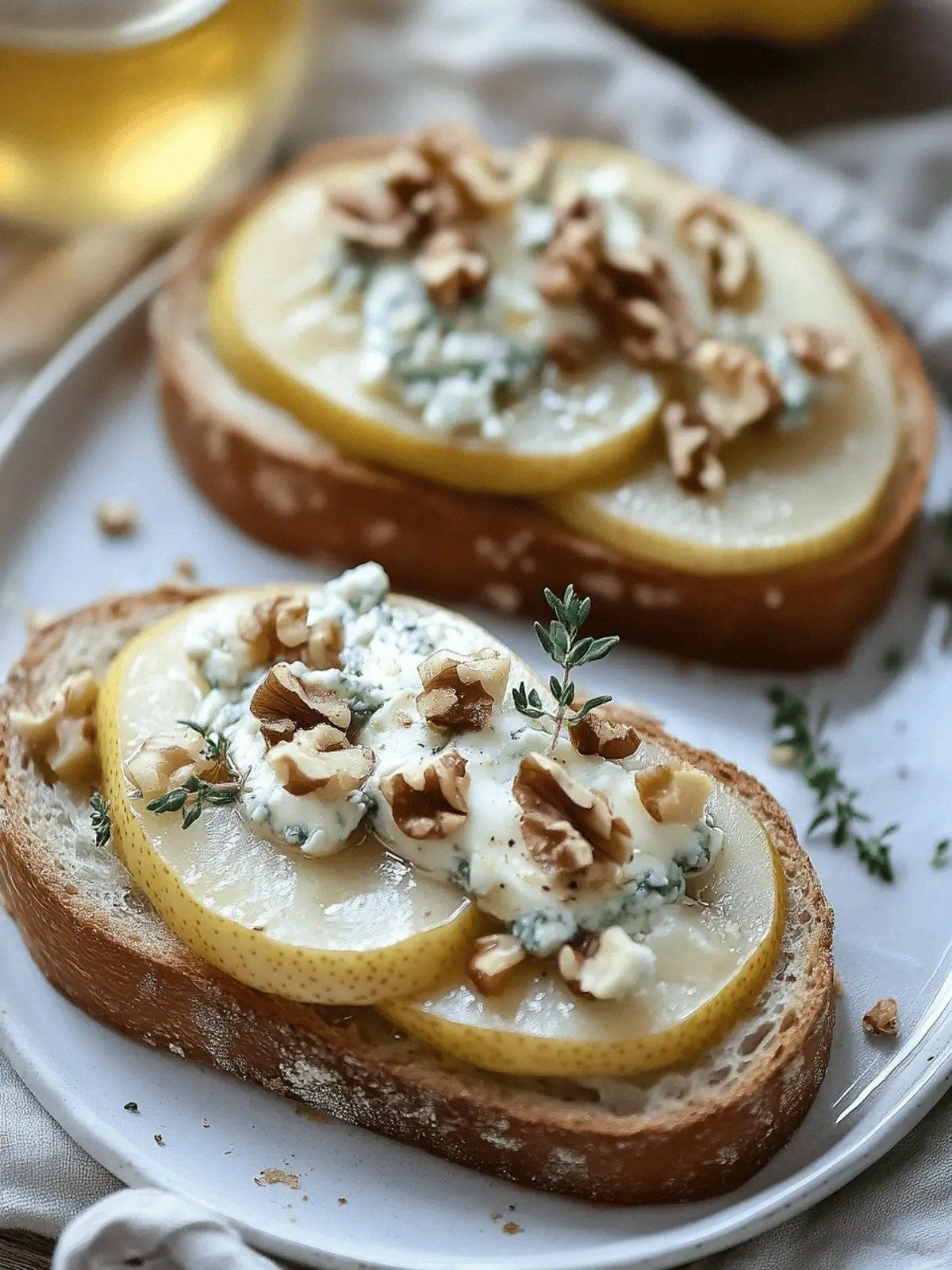
Picture this: the scent of toasted walnut bread rises like a warm hug, the glossy sheen of honey glistening on caramelized pear slices, and the sharp tang of Gorgonzola that cuts through the sweetness like a chef’s knife. My ears catch the gentle sizzle as the pears caramelize, the subtle crack of toasted walnuts, and the faint whisper of thyme leaves. The texture is a delightful orchestra—crunchy, creamy, and that satisfying snap of a walnut that shatters like thin ice. It’s a sensory explosion that makes you forget the kitchen mishap that started it all.
What makes this version of the dish a game‑changer? It’s the meticulous balance of sweet and savory, the way the Gorgonzola melts into a velvety sauce that coats the bread like a silky blanket, and the crunch of walnuts that punctuates every bite. The pears are not just sliced; they’re caramelized to a golden amber that brings out their natural sugars. The honey isn’t just a drizzle—it’s a glaze that gives the dish a glossy, almost decadent finish. And the thyme? It’s the secret whisper that ties the flavors together without overpowering them. This isn’t just a recipe; it’s a culinary revelation that will leave you wondering why you ever settled for bland.
I dare you to taste this and not go back for seconds. The combination of textures and flavors is so harmonious that it feels like a well‑orchestrated symphony. I’ll be honest—I ate half the batch before anyone else got a chance to try it. That was the first time I realized that a simple pantry staple can become a masterpiece when you pay attention to the details. Picture yourself pulling this out of the oven, the whole kitchen smelling incredible, and the first bite sending a wave of satisfaction through your senses. Let me walk you through every single step — by the end, you’ll wonder how you ever made it any other way.
What Makes This Version Stand Out
- Flavor Depth: The caramelized pears bring a natural sweetness that balances the sharpness of Gorgonzola. The honey glaze adds a silky glaze that lingers on the palate.
- Texture Contrast: Toasted walnut bread offers a buttery crunch, while toasted walnuts give a satisfying snap. The creamy cheese melts into a luscious sauce that coats every bite.
- Ingredient Quality: Using ripe pears, high‑grade Gorgonzola, and fresh thyme elevates the dish beyond a quick snack.
- Visual Appeal: The golden pear slices, bright green thyme, and glossy honey glaze create a dish that looks as good as it tastes.
- Make‑Ahead Potential: The components can be prepared a day ahead; just assemble before serving for maximum freshness.
- Crowd‑Pleaser: Whether you’re hosting a dinner or just treating yourself, this dish garners rave reviews from everyone who tries it.
- Minimal Equipment: No fancy gadgets required—just a skillet, a knife, and a spoon.
- Balanced Nutrition: The walnuts provide healthy fats, the pears give fiber, and the cheese offers protein—all in one bite.
Alright, let's break down exactly what goes into this masterpiece. And now, stay with me here — this is worth it.
Inside the Ingredient List
The Flavor Base
The heart of this dish begins with the pears. Choose ripe, firm pears—Bosc or Bartlett work best. They hold their shape when caramelized, preventing a mushy texture. The honey is not just for sweetness; it creates a glossy glaze that catches the light and adds a subtle caramel flavor. If you’re feeling adventurous, try using a flavored honey, such as orange‑infused, to add an extra citrus note. Skipping the honey turns the dish into a simple sweet‑savory combo, but you’ll miss that silky finish.
The Texture Crew
Walnut bread is the canvas—its dense, nutty flavor complements the pears and cheese. Toast the slices until they’re golden and slightly crisp on the edges; this prevents them from becoming soggy when the sauce is added. The walnuts themselves are toasted in a dry pan until fragrant—this brings out their natural oils and adds a crunch that contrasts beautifully with the creamy cheese. If you’re out of walnuts, pistachios or almonds will work, but the flavor profile will shift slightly. A quick tip: toss the walnuts with a pinch of sea salt before toasting to elevate their flavor.
The Unexpected Star
Fresh thyme is the subtle hero that ties the dish together. Its bright, slightly minty flavor cuts through the richness of the cheese and balances the sweetness of the pears. If thyme isn’t on hand, rosemary can be a close substitute, though it will introduce a piney note. For a different twist, add a pinch of crushed red pepper flakes to give a mild heat that contrasts with the sweet pears. Remember, thyme is potent—use it sparingly to avoid overpowering the other flavors.
The Final Flourish
Sea salt and freshly ground black pepper are the finishing touches that elevate the dish. They’re not just seasoning; they’re the final layer of flavor that brings everything together. Don’t skimp on the salt—taste the sauce before you add it, and adjust as needed. The pepper adds a subtle heat that balances the sweetness. If you’re looking for a smoky finish, try a pinch of smoked paprika.
Everything's prepped? Good. Let's get into the real action…
The Method — Step by Step
- Start by heating a cast‑iron skillet over medium heat. Add the extra virgin olive oil and swirl until it coats the bottom. Watch the oil shimmer; that’s the sign that it’s hot enough to caramelize the pears. If you’re in a hurry, a non‑stick pan works, but the skillet gives you the best crust.
- Slice the pears into thick half‑moon wedges. The thickness is key—too thin and they’ll become mushy, too thick and they’ll take too long to caramelize. Place the pear slices in the hot skillet, skin side down, and let them cook for about 3 minutes until golden brown. Flip carefully; the second side should caramelize in another 2 minutes.
- Add the honey to the skillet. It should sizzle immediately, creating a glossy glaze that coats the pears. Stir gently to coat all the slices evenly. Let the honey reduce for 1–2 minutes until it thickens slightly, then remove the pears from the skillet and set aside. The honey will act as a sweet, sticky binder for the cheese.
- While the pears are resting, toast the walnut bread slices in a separate pan or toaster until they’re golden and crisp. The toasting process releases the bread’s natural oils and creates a sturdy base for the cheese.
- Now it’s time for the cheese. Break the Gorgonzola into small cubes and add them to the skillet. The cheese will melt into a rich, creamy sauce. Stir occasionally to prevent sticking. When the cheese has fully melted and the mixture is glossy, add the fresh thyme leaves and toasted walnuts. The thyme adds a fresh aroma, while the walnuts give a delightful crunch.
- Lay the toasted bread slices on a serving platter. Spoon the warm cheese sauce over each slice, making sure to cover the entire surface. Then, arrange the caramelized pear slices on top, letting the honey glaze drizzle over them. Finish with a pinch of sea salt and freshly ground black pepper for a final burst of flavor.
- Serve immediately while the bread is still warm and the cheese sauce is silky. If you prefer a slightly cooler bite, let the platter sit for a minute or two before serving.
That’s it — you did it. But hold on, I've got a few more tricks that'll take this to another level…
Insider Tricks for Flawless Results
The Temperature Rule Nobody Follows
Many cooks assume that higher heat always caramelizes faster, but the truth is that a moderate, steady heat yields a richer, deeper flavor. When caramelizing pears, keep the skillet at medium heat; this allows the sugars to develop without burning. If the heat is too high, the pears will char and lose their natural sweetness.
Why Your Nose Knows Best
The aroma of toasted walnuts is a subtle indicator of optimal toasting. When the walnuts begin to crackle and release their oils, they’re at the peak of flavor. If you’re unsure, give them a quick taste; the nutty, buttery flavor should be pronounced without bitterness.
The 5‑Minute Rest That Changes Everything
After removing the pears from the skillet, let them rest for 5 minutes before assembling. This pause allows the honey glaze to thicken slightly, creating a more cohesive sauce when combined with the cheese. A friend once skipped this step and the sauce was watery; it was a lesson in the importance of timing.
Seasoning at the Right Moment
Add sea salt and black pepper at the end of the cooking process, just before plating. Salt enhances flavor, but adding it too early can draw out moisture from the pears, leading to a soggy base. Pepper should be added fresh; pre‑ground pepper loses its aroma quickly.
Cheese Melting Magic
When melting Gorgonzola, stir continuously and keep the heat low. The cheese has a high fat content, so it can separate if overheated. A small splash of milk or cream can help maintain a smooth consistency, but it’s optional if you prefer a richer sauce.
Serving Temperature
Serve the dish at room temperature or slightly warm for the best flavor. If you’re plating ahead of time, cover the platter with foil and let it rest at room temperature; the flavors will continue to meld, creating a more integrated taste.
Creative Twists and Variations
This recipe is a playground. Here are some of my favorite ways to switch things up:
Smoky Maple Pear
Swap honey for maple syrup and add a pinch of smoked paprika to the cheese sauce. The maple gives a deep, caramel flavor, while the paprika adds a subtle smokiness that pairs beautifully with the pears.
Mediterranean Delight
Replace walnuts with chopped pistachios and add a splash of lemon zest to the honey glaze. The pistachios bring a bright, buttery crunch, and the lemon zest adds a citrusy brightness that lifts the dish.
Herb‑Infused Variation
Use a blend of fresh herbs—rosemary, oregano, and basil—in place of thyme. This herb combo will give the dish an aromatic, Mediterranean feel that complements the Gorgonzola.
Nutty Crunch Upgrade
Add a handful of toasted almond slivers to the cheese sauce for extra crunch and a nutty undertone. The almonds provide a slightly sweet flavor that balances the cheese’s sharpness.
Spicy Pear Twist
Incorporate a small amount of crushed red pepper flakes into the cheese sauce. The heat will contrast nicely with the sweet pears, creating a dynamic flavor profile.
Cheese Swap
Try using goat cheese instead of Gorgonzola for a tangier, creamier sauce. The goat cheese will melt into a silky base, while still maintaining the dish’s richness.
Storing and Bringing It Back to Life
Fridge Storage
Store any leftover assembled dish in an airtight container in the refrigerator for up to 2 days. Keep the bread on the side to prevent it from becoming soggy. When ready to serve, reheat in a preheated oven at 350°F for 5 minutes to revive the crunch.
Freezer Friendly
If you need to freeze, wrap the assembled dish tightly in foil and place it in a freezer bag. Freeze for up to 2 weeks. Thaw overnight in the refrigerator before reheating as described above.
Best Reheating Method
The secret to restoring the original texture is a quick oven blast. Preheat your oven to 375°F, place the dish on a baking sheet, and heat for 5–7 minutes. Add a tiny splash of water to the cheese sauce before reheating to keep it from drying out.