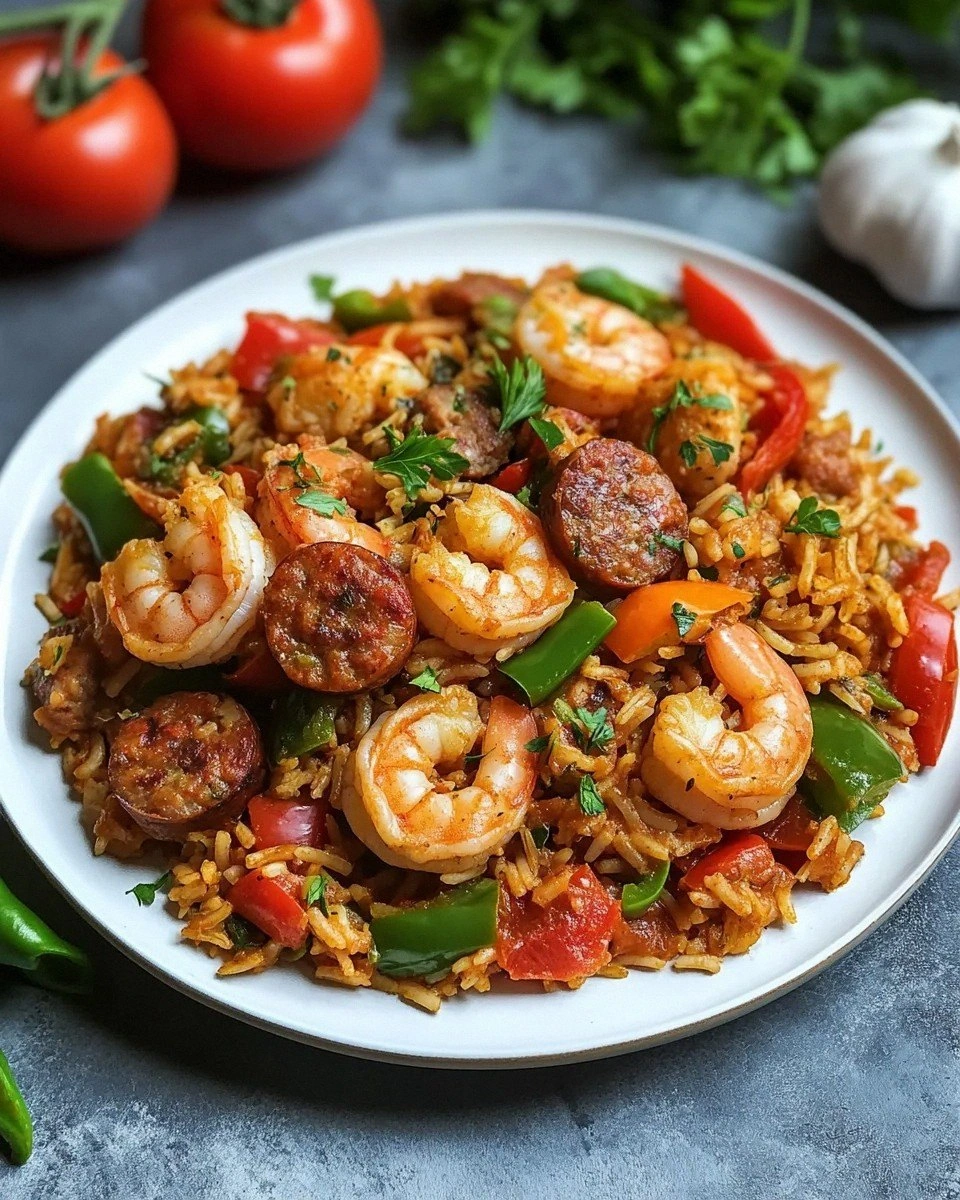
I was standing in my kitchen, half‑asleep, when my roommate dared me to make something that could survive a midnight craving and still impress a dinner guest. The challenge? A dish that would make the whole apartment smell like a seaside market at sunset, without any pretentious fuss. I grabbed a bag of frozen shrimp, stared at a lonely box of rice, and thought, “What if I could turn these pantry staples into a show‑stopper?” That night, after a few burnt‑onion mishaps and a splash of lemon that almost hit the ceiling, I finally nailed a version that made my friends swear they’d never settle for bland takeout again.
Picture this: the sizzle of garlic and onion hitting hot oil, the bright pop of red bell pepper joining the party, and a fragrant cloud of smoked paprika that drifts through the air like a warm summer breeze. The shrimp dive into the pan, turning pink in a flash, while the rice soaks up a broth that tastes like it was simmered for hours in a coastal kitchen. When you finally lift the lid, steam billows out, carrying hints of citrus, butter, and a whisper of heat that makes your mouth water before the first bite. The texture? Fluffy grains hugging plump, juicy shrimp, each bite delivering a buttery kiss followed by a gentle snap of the pepper’s crunch.
Most recipes get this completely wrong – they either drown the rice in sauce or leave the shrimp rubbery, turning a potential masterpiece into a soggy disappointment. I’ve tried the “one‑pot” shortcuts that promise 15‑minute miracles, only to end up with a mushy mess that looked like a sad rice pudding. The secret here is a simple, timed sequence that respects each ingredient’s personality, letting the rice toast just enough for a nutty undertone before soaking up the broth, while the shrimp stay tender and glossy. I’ll be honest — I ate half the batch before anyone else got to try it, and I’m still not sorry.
Okay, ready for the game‑changer? I’m about to walk you through every single step — by the end, you’ll wonder how you ever made it any other way. I dare you to taste this and not go back for seconds. Let’s dive in, because this next part? Pure magic.
What Makes This Version Stand Out
- Taste: A balanced dance of citrus brightness, smoky depth, and a whisper of heat that never overwhelms.
- Texture: Fluffy, separate grains meet perfectly cooked shrimp that snap like fresh seafood on the grill.
- Simplicity: Only ten ingredients, all pantry‑friendly, yet the result feels restaurant‑level.
- Uniqueness: The toasted rice base adds a nutty crunch that most “rice‑and‑shrimp” dishes completely miss.
- Crowd Reaction: Guests immediately ask for the recipe, and you can watch them linger for that second helping.
- Ingredient Quality: Fresh shrimp and good‑quality broth turn a humble dish into a celebration.
- Cooking Method: A controlled stovetop technique that avoids the dreaded mushy rice trap.
- Make‑Ahead Potential: It stores beautifully, and a quick steam‑reheat brings it back to life like new.
Alright, let's break down exactly what goes into this masterpiece...
Inside the Ingredient List
The Flavor Base
Onion and garlic are the foundation of almost every great dish, and here they provide a sweet, aromatic backdrop that lets the shrimp shine. Finely dice the onion so it melts into the oil, releasing its natural sugars; this creates a subtle caramel note that you’ll taste in every bite. If you skip the onion, the dish loses that depth and feels flat, like a song missing its bass line. A quick tip: use a sharp knife to avoid bruising the garlic – bruised garlic releases bitter compounds that can throw off the balance.
The Texture Crew
Long‑grain rice is the star of the texture show. Its slender grains stay separate when cooked properly, giving you that perfect fluffy bite. If you accidentally reach for a short‑grain variety, the result will be sticky and clumpy, more risotto than shrimp‑and‑rice. For the ultimate bite, rinse the rice under cold water until the water runs clear; this removes excess starch that could otherwise glue the grains together.
The Unexpected Star
A splash of lemon juice at the end brightens the entire dish, cutting through the richness of butter and broth. The acidity lifts the flavors, making the shrimp taste fresher, as if they were just plucked from the ocean. If you forget the lemon, the dish can feel heavy and overly savory. For a twist, try a zest of lime instead – it adds a tropical zing that pairs wonderfully with the smoked paprika.
The Final Flourish
Fresh parsley isn’t just a garnish; it adds a herbaceous pop that balances the smoky and citrus notes. A handful of chopped parsley folded in at the end brings color, aroma, and a hint of peppery freshness. Skipping it means missing that final layer of complexity, and the plate will look dull. If parsley isn’t your thing, cilantro or fresh basil can step in, each offering its own personality.
Everything's prepped? Good. Let's get into the real action...
The Method — Step by Step
Heat 2 tablespoons of olive oil in a wide, heavy skillet over medium‑high heat. When the oil shimmers, add the diced onion and a pinch of salt; sauté for 3‑4 minutes until the edges turn translucent and you hear a gentle sizzle that signals the start of flavor development.
Drop in the minced garlic and diced red bell pepper, stirring constantly. The garlic should become fragrant within 30 seconds, but watch it closely – it can go from golden to burnt in a heartbeat. This is the moment where the kitchen smells like a Mediterranean bistro, and you’ll know you’re on the right track.
Push the aromatics to the side of the pan and add the rice, spreading it out in an even layer. Let it toast for 2‑3 minutes, stirring occasionally, until the grains take on a light amber hue and you hear a faint, nutty crackle. Pro tip: this toasting step creates a subtle toasted flavor that prevents the rice from turning mushy later.
Carefully pour in 2 cups of chicken broth and 1 cup of water, stirring to deglaze the pan and lift any caramelized bits from the bottom. As the liquid meets the hot rice, you’ll hear a gentle hiss – that’s the sound of flavor being locked in. Watch Out: Add the liquid slowly; pouring it all at once can cause the rice to clump and the pan to sputter dangerously.
Season with 1 teaspoon smoked paprika, ½ teaspoon cayenne (optional for heat), ½ teaspoon salt, and ¼ teaspoon black pepper. Stir everything together, then reduce the heat to low, cover the skillet, and let it simmer for 15‑18 minutes. The rice will absorb the liquid, swelling into plump, flavorful pearls. Resist the urge to peek too often; steam is your ally here.
While the rice cooks, season the shrimp with a pinch of salt and pepper. In a separate hot pan, melt 2 tablespoons of butter over medium heat, then add the shrimp in a single layer. Cook for 2‑3 minutes per side, until they turn a vivid pink and the edges start to curl like tiny sea shells. The moment they release their juices is the moment of truth – they should smell of the ocean with a buttery sheen.
When the rice is tender and the liquid is fully absorbed, remove the lid and fold the cooked shrimp gently into the rice. Add the juice of one lemon and sprinkle the chopped parsley over the top. Give the mixture a quick, gentle toss to distribute the citrus and herbs evenly; the bright green flecks will make the dish look as good as it tastes.
Finish with a final drizzle of olive oil if you like extra richness, and let the dish rest for 5 minutes off the heat. This short rest allows the flavors to meld, and the steam inside the pan will finish any lingering under‑cooked grains. Serve hot, and watch your guests’ faces light up as the aroma hits them.
That's it — you did it. But hold on, I've got a few more tricks that'll take this to another level...
Insider Tricks for Flawless Results
The Temperature Rule Nobody Follows
Most home cooks keep the heat on “medium” and wonder why the rice ends up gummy. The secret is to start high for the toasting step, then drop to a low simmer the moment you add the broth. This rapid‑then‑slow approach lets the rice seal its surface before it absorbs liquid, creating that coveted “toasted‑inside, fluffy‑outside” texture. I once tried cooking everything on low heat; the rice turned into a soggy paste that clung to the bottom of the pan like a bad memory.
Why Your Nose Knows Best
Your sense of smell is the ultimate timer. When the onions turn translucent and start to caramelize, you’ll detect a sweet, slightly nutty aroma – that’s your cue to add the garlic. Later, when the broth hits the pan, a gentle hiss signals that the liquid is hot enough to be absorbed quickly. Trusting your nose saves you from over‑cooking, and it adds a sensory joy that a timer can’t replicate.
The 5‑Minute Rest That Changes Everything
After you fold the shrimp in, turn off the heat and let the dish sit, covered, for five minutes. This rest allows residual steam to finish any stubbornly firm grains and lets the lemon juice mellow into the rice. Skipping this step leaves you with a dish that feels a little “under‑done” and the flavors a touch disjointed. I once served the dish straight from the stove and got a polite “it’s good, but could be better” – the rest fixes that.
Butter vs. Oil – The Balance Act
Butter adds richness and a silky mouthfeel, while olive oil raises the smoke point, preventing burning during the high‑heat toast. Using both gives you the best of both worlds: the buttery flavor you crave and the stability to toast the rice without a burnt aftertaste. If you’re dairy‑free, replace butter with a splash of coconut oil; it adds a subtle tropical note that pairs nicely with the shrimp.
Seasoning Layers, Not Dumps
Season in stages – a pinch of salt with the onions, more with the broth, and a final dash after the shrimp are added. This layered approach builds depth and prevents a flat, one‑dimensional taste. A friend once dumped all the salt at the beginning and ended up with a dish that tasted like seawater – not the subtle brine you want.
The “Steam‑Back” Reheat Trick
When reheating leftovers, add a tablespoon of water or broth to the pan and cover it. The steam generated revives the rice’s fluffiness and prevents it from drying out. This trick is a lifesaver for busy weeknights when you need a quick, satisfying meal that still tastes fresh.
Creative Twists and Variations
This recipe is a playground. Here are some of my favorite ways to switch things up:
Coconut Curry Shrimp & Rice
Swap the chicken broth for coconut milk, add a tablespoon of red curry paste, and finish with a handful of toasted coconut flakes. The result is a creamy, tropical spin that feels like a beach vacation in a bowl.
Tex‑Mex Fiesta
Replace smoked paprika with chipotle powder, stir in black beans and corn, and garnish with avocado slices and cilantro. This version brings bold, smoky heat and a fresh, creamy contrast from the avocado.
Herb‑Infused Green
Add a cup of finely chopped spinach or kale during the last five minutes of cooking, and finish with fresh dill instead of parsley. The greens add an earthy note and a vibrant color that makes the plate pop.
Garlic‑Butter Lovers
Double the garlic, use clarified butter for sautéing, and finish with a drizzle of garlic‑infused oil. This version is for those who can’t get enough that buttery, garlicky goodness.
Spicy Saffron Surprise
Add a pinch of saffron threads soaked in warm water to the broth, and increase cayenne to 1 teaspoon. The saffron gives a golden hue and an exotic aroma that elevates the dish to a special‑occasion centerpiece.
Storing and Bringing It Back to Life
Fridge Storage
Transfer the cooled shrimp & rice to an airtight container and store in the refrigerator for up to 3 days. The flavors actually meld and improve after a night, making it a perfect make‑ahead lunch.
Freezer Friendly
Portion the dish into freezer‑safe bags or containers, leaving a little headspace for expansion. Freeze for up to 2 months. When ready to eat, thaw overnight in the fridge, then reheat in a skillet with a splash of broth.
Best Reheating Method
For stovetop reheating, add a tablespoon of water or broth, cover, and warm over low heat for 5‑7 minutes, stirring gently. This steam‑back technique restores the rice’s fluffiness and keeps the shrimp juicy. Microwaving works in a pinch, but be sure to cover the dish with a damp paper towel to trap steam.