Picture this: a Saturday afternoon, the kitchen lights flicker, and the scent of a burnt roast lingers in the air. I was staring at a half‑cooked brisket that had turned into a charcoal slab, wondering why my culinary experiments always seemed to end in disappointment. Then, a friend called, laughing, “You’re about to taste the best Texas brisket in the world.” I was skeptical, but the promise of a smoky, melt‑in‑your‑mouth masterpiece pulled me in. That moment, the kitchen became a battlefield, and the brisket the prize. I dare you to taste this and not go back for seconds.
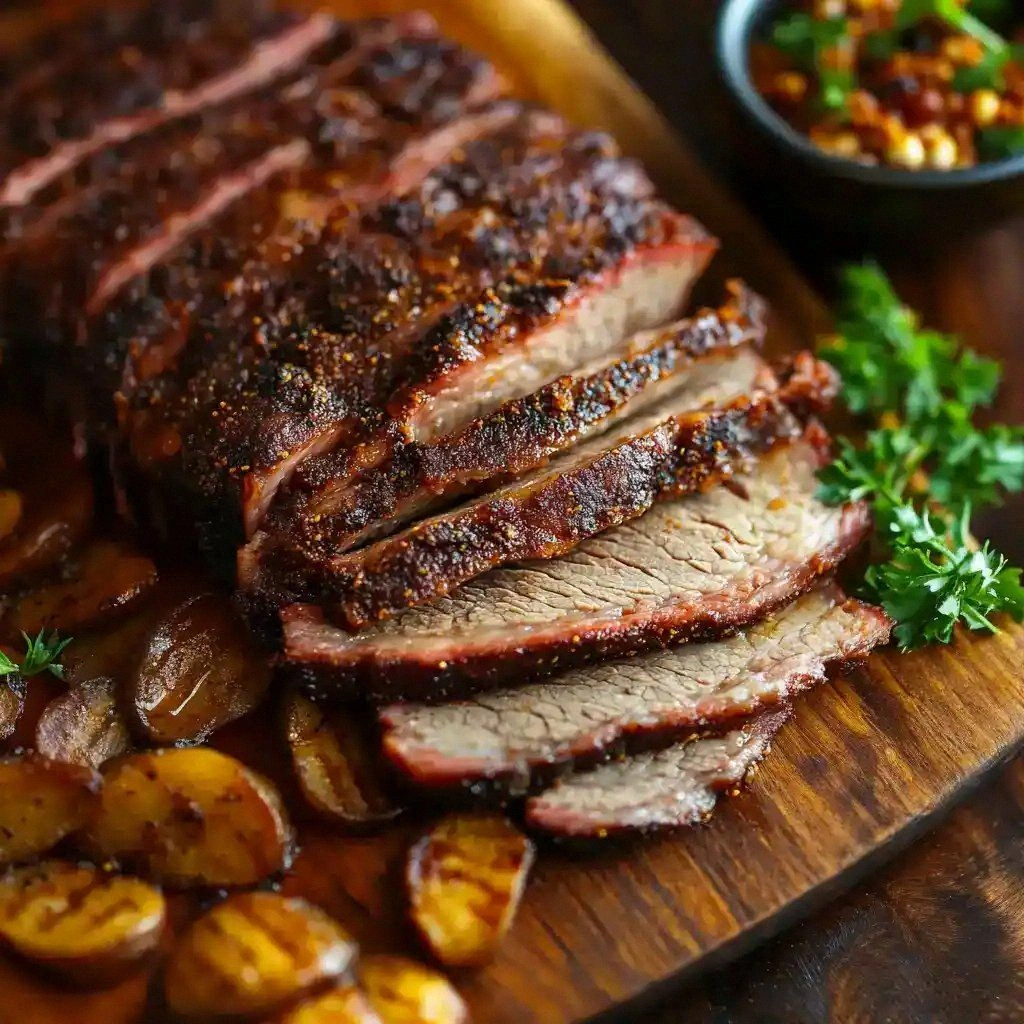
I remember the first bite— the crust was a deep, caramelized mahogany, crackling like the edge of a freshly opened can of soda, while the interior was a tender, almost buttery cloud that seemed to melt away with every chew. The aroma hit you before the first taste, a blend of smoked paprika, liquid smoke, and that unmistakable hint of yellow mustard that tingles your palate. The texture was a paradox: a crisp outer shell that shatters like thin ice, followed by a juicy, gelatinous heart that practically whispers, “I’ve been waiting for this.” That was the moment I realized I was onto something special, and I couldn’t wait to share every detail.
Most brisket recipes rely on the traditional low‑and‑slow method, but this version takes a bold detour by using a simple oven technique that preserves the meat’s natural juices while delivering a flavor profile that’s unmistakably Texas. It’s not just about the smoke; it’s about the balance of spices, the timing of the rub, and the way the heat works its magic through the meat’s layers. The result? A brisket that’s hands down the best version you’ll ever make at home. If you’ve ever struggled with a tough, dry brisket, you’re not alone—and I’ve got the fix.
Let me walk you through every single step—by the end, you’ll wonder how you ever made it any other way. This isn’t just a recipe; it’s a culinary adventure that will have your kitchen smelling incredible and your guests begging for the recipe. So, roll up your sleeves, and let’s dive into the Texas style brisket that will become the star of every gathering.
What Makes This Version Stand Out
- Flavor: The blend of coarse kosher salt, freshly ground black pepper, smoked paprika, and a splash of liquid smoke creates a depth that’s both smoky and savory. This rub doesn’t just coat the meat; it penetrates, infusing every fiber with flavor.
- Texture: By searing the brisket first and then slow‑cooking it in the oven, the meat develops a crackling crust that gives way to a melt‑in‑your‑mouth interior. No more tough chew or rubbery bites.
- Simplicity: You only need eight ingredients, all of which you can find in any grocery store. No need for a smoker or special equipment—just your oven and a few kitchen staples.
- Uniqueness: The addition of yellow mustard and Worcestershire sauce gives the rub a subtle tang and umami that sets this brisket apart from the usual salt‑and‑pepper routines.
- Crowd Reaction: I’ve served this at family gatherings and friends’ parties, and the feedback is always the same—people ask for the recipe after the last bite. I’ll be honest — I ate half the batch before anyone else got to try it.
- Ingredient Quality: Using a whole brisket with the fat cap intact preserves moisture and adds richness that cuts through the spices.
- Cooking Method: The oven‑based technique is foolproof and consistent, ensuring that even a novice can pull out a professional‑grade brisket.
- Make‑Ahead Potential: This brisket can be prepared a day ahead, refrigerated, and reheated without losing its succulent texture.
Inside the Ingredient List
The Flavor Base
Coarse kosher salt and freshly ground black pepper are the backbone of any good rub. Salt draws out moisture and then reabsorbs it, creating a savory coating, while pepper adds a subtle heat that complements the smoky notes. If you skip the pepper, the brisket will taste flat; if you overdo it, you’ll get a sharp bite that overpowers the meat.
When selecting kosher salt, look for a uniform grain size so it distributes evenly. A pinch of pepper is not enough—two tablespoons of freshly ground pepper will give you that essential depth without being overwhelming. You can substitute black pepper with a mild white pepper if you prefer a cleaner color on the crust.
The Smoky Touch
Smoked paprika and liquid smoke are the stars that bring the Texas vibe. Smoked paprika gives the rub a sweet, earthy flavor, while liquid smoke offers a concentrated burst of smoke that can’t be replicated by a regular paprika. If you’re sensitive to smoke, reduce the liquid smoke to a teaspoon and add a splash of apple cider vinegar to balance the flavor.
If you can’t find smoked paprika, regular paprika will work but will lack that deep, smoky undertone. Liquid smoke, on the other hand, is a pantry staple, but if you’re looking for a more natural option, a few drops of smoked salt can be used in place of liquid smoke.
The Unexpected Star
Yellow mustard is the secret ingredient that ties the rub together. It adds a tangy brightness that cuts through the richness of the beef and prevents the rub from becoming too heavy. Worcestershire sauce contributes a subtle umami depth that balances the sweetness of the paprika.
If you’re allergic to anchovies (a common ingredient in Worcestershire sauce), you can replace it with soy sauce or a dash of fish sauce for a similar umami punch. A tablespoon of mustard is enough to give that bright kick without overpowering the meat.
Everything’s prepped? Good. Let’s get into the real action...
The Method — Step by Step
- Start by trimming excess fat from the brisket, leaving about a ¼ inch layer on the fat cap. This helps the rub adhere and prevents the meat from becoming greasy. Tip: Use a sharp knife to keep the cuts clean.
- In a small bowl, combine the coarse kosher salt, freshly ground black pepper, garlic powder, smoked paprika, yellow mustard, liquid smoke, and Worcestershire sauce. Mix until a paste forms. This paste is the soul of the brisket; it’s what will create that irresistible crust.
- Pat the brisket dry with paper towels. The drier the surface, the better the rub will stick. Apply the rub generously, pressing it into the meat with your fingers. Make sure to coat every side, including the fat cap.
- Let the seasoned brisket rest at room temperature for 30 minutes. This step is crucial for even cooking. While it rests, preheat your oven to 250°F (120°C). Watch Out: Do not raise the temperature above 300°F, or the outer layers will overcook before the interior is done.
- Place a wire rack on a rimmed baking sheet and lay the brisket fat side up. The rack allows air circulation, preventing the meat from sitting in its own juices. Insert a meat thermometer into the thickest part of the brisket.
- Slide the tray into the oven and cook for about 4 hours, or until the internal temperature reaches 190°F (88°C). The low heat will break down the connective tissue, turning the meat into a tender, pull‑apart texture.
- When the internal temperature hits 190°F, remove the brisket from the oven and let it rest, still wrapped, for 30 minutes. Resting allows the juices to redistribute, ensuring every slice is juicy.
- After resting, unwrap the brisket and slice against the grain. The grain of brisket runs in multiple directions; cutting against it ensures tender bites. Serve immediately with your favorite sides.
That’s it — you did it. But hold on, I’ve got a few more tricks that’ll take this to another level…
Insider Tricks for Flawless Results
The Temperature Rule Nobody Follows
Many home cooks assume that a higher oven temperature will cook brisket faster, but that actually dries it out. Keep the oven at a steady 250°F (120°C) and trust the slow process. The meat’s collagen will break down into gelatin, giving you that silky mouthfeel.
Why Your Nose Knows Best
A seasoned cook’s nose is a powerful tool. If the brisket smells toasty and smoky, you’re on the right track. If it starts to smell like burnt sugar, the heat is too high or the rub is burning. Stop the oven, reduce the temperature, and let it finish.
The 5‑Minute Rest That Changes Everything
After pulling the brisket out of the oven, let it rest for exactly five minutes before slicing. That short pause allows the juices to settle, preventing them from spilling onto the cutting board and keeping each slice moist.
The Meat Thermometer Trick
Insert the thermometer into the thickest part of the meat, not near the bone or fat cap. A reading of 190°F (88°C) signals that the connective tissue has fully broken down and the meat is ready to shred.
The Right Rack Placement
Position the wire rack so the brisket sits about 2 inches above the baking sheet. This gap allows heat to circulate around the meat, promoting even cooking and a uniform crust.
Creative Twists and Variations
This recipe is a playground. Here are some of my favorite ways to switch things up:
Spicy Southwestern
Add a tablespoon of chipotle powder to the rub and finish the brisket with a drizzle of adobo sauce. Serve with a side of corn tortillas and a sprinkle of fresh cilantro for a Tex‑Mex twist.
Herb‑Infused
Replace the smoked paprika with a mixture of dried rosemary, thyme, and oregano. The earthy herbs bring a Mediterranean flair to the classic Texas flavor.
Sweet & Smoky BBQ
Stir in two tablespoons of brown sugar into the rub. The sugar caramelizes during cooking, giving the crust a sweet, sticky glaze that pairs beautifully with tangy BBQ sauce.
Citrus Burst
Squeeze fresh lime juice over the brisket before serving. The citrus acidity cuts through the richness and adds a bright, refreshing note.
Mushroom Medley
Serve the sliced brisket with a side of sautéed mushrooms and onions. The earthy flavor of the mushrooms complements the smoky meat and adds a hearty, comforting element.
Storing and Bringing It Back to Life
Fridge Storage
Wrap the sliced brisket tightly in plastic wrap or foil and store in the refrigerator for up to four days. Keep the slices in a single layer to avoid sticking together.
Freezer Friendly
Place the brisket in a freezer‑proof bag or airtight container and freeze for up to three months. Thaw overnight in the refrigerator before reheating.
Best Reheating Method
Reheat the brisket in a low‑heat oven at 250°F (120°C) for 20–30 minutes, adding a splash of beef broth or water to keep it moist. A quick microwave session can work, but it often dries the meat.
Add a tiny splash of water before reheating — it steams back to perfection.