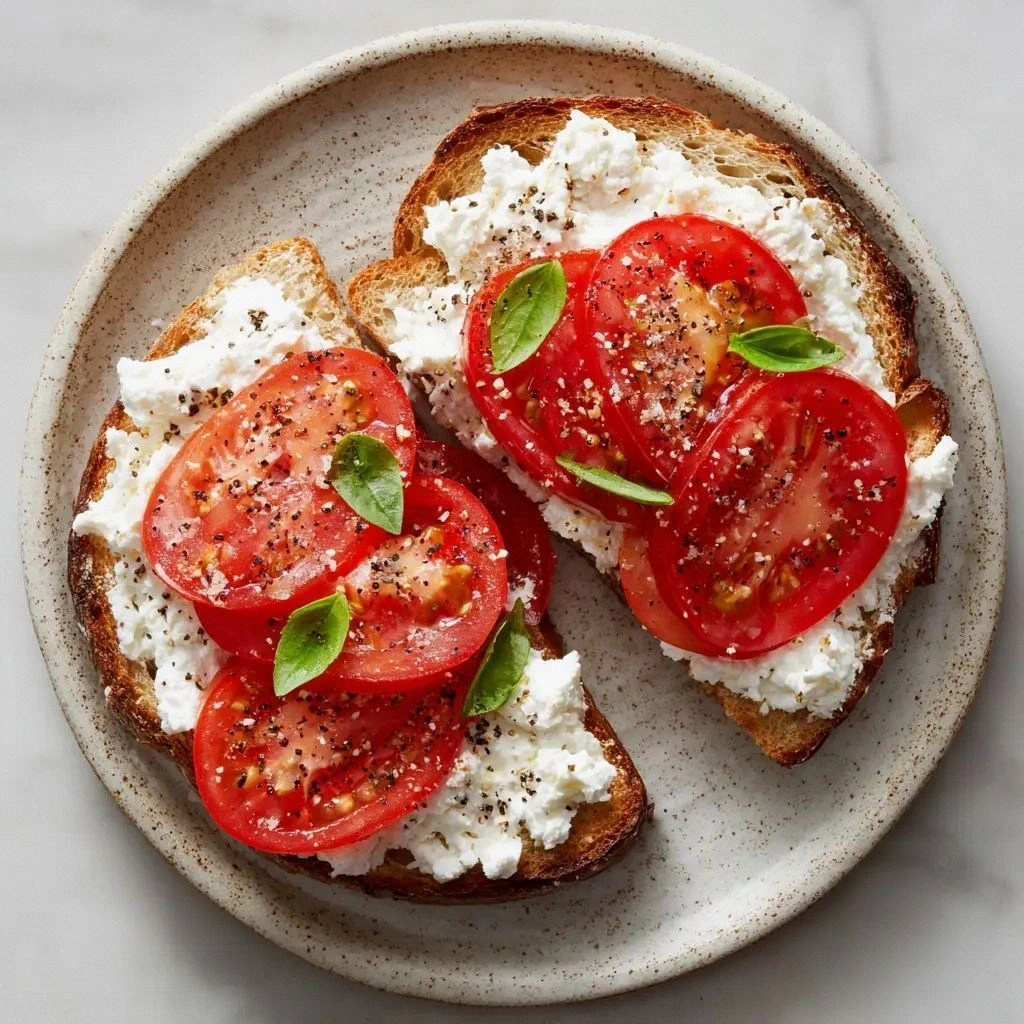
I was halfway through a night‑long binge on a bland, soggy bagel when my friend texted me, “Try this instead of a bagel, I swear.” The idea sounded too good to ignore, so I grabbed the ingredients, set my kitchen lights to a warm amber, and began to experiment. The first thing I noticed was the aroma of toasted sourdough mingling with the fresh scent of basil – an olfactory duet that promised something extraordinary. The sound of the bread crackling on the pan was like a tiny applause, and the buttery sheen of olive oil glistened like liquid gold. As I lifted the toast, the crisp edges sang a crunchy note that made me grin, and the soft, creamy cottage cheese waited patiently, ready to be the star of this simple dish.
I’ve spent countless hours chasing the perfect breakfast or brunch, only to end up with a plate that feels like a compromise. That’s why I’m thrilled to share a version of cottage cheese toast that is not just a sandwich, but a culinary revelation. This isn’t the run‑of‑the‑mill “spread and eat” routine; it’s a carefully balanced play between tang, salt, and the bright, peppery bite of basil. The texture is a paradox: a golden, crispy base that gives way to a silky, almost velvety cottage cheese layer that melts into the warm bread. And the tomato adds a juicy burst that feels like a summer kiss in the middle of the day.
What sets this version apart is the meticulous attention to each component. I dare you to taste this and not go back for seconds – the first bite will have you questioning all your previous toast experiments. The combination of a single slice of artisanal sourdough, a splash of olive oil, and the creamy richness of cottage cheese creates a flavor profile that is surprisingly complex yet utterly approachable. It’s a dish that feels luxurious without being over the top, making it perfect for a quick weekday breakfast or a laid‑back weekend brunch. Picture yourself pulling this out of the oven, the whole kitchen smelling incredible, and the anticipation building with every sizzling sizzle.
I’ve spent the last year refining this recipe, tweaking the ratio of cheese to bread, experimenting with different tomato varieties, and discovering that a touch of cracked pepper can elevate the entire plate. If you’ve ever struggled with a toast that ends up too dry or too soggy, you’re not alone – and I’ve got the fix. The next section will break down exactly what goes into this masterpiece, from the humble slice of bread to the final flourish of basil. And trust me, once you master this, you’ll wonder how you ever made it any other way.
What Makes This Version Stand Out
- Taste: The combination of salty, tangy, and herbaceous flavors creates a symphony that lingers on the palate. Each bite is a balanced dance between the mildness of cottage cheese and the bright punch of tomato.
- Texture: The contrast between the crunchy crust and the silky cheese layer is a tactile delight. The bread’s golden edges give way to a creamy interior that melts in your mouth.
- Ingredient Quality: Using artisanal sourdough and vine‑ripened tomatoes ensures a depth of flavor that supermarket staples simply can’t match.
- Simplicity: With only seven ingredients, this recipe is a quick win for busy mornings or a last‑minute gathering. No fancy gadgets, no complicated steps.
- Crowd Reaction: Friends and family often ask for the recipe after just one bite. It’s a conversation starter and a crowd‑pleaser.
- Make‑Ahead Potential: The toast can be assembled a few hours ahead, letting the flavors meld while you tackle other prep tasks.
- Versatility: Swap the basil for oregano, or the tomato for roasted red pepper, and you have an entirely new dish.
- Nutrition: Balanced macros make it a wholesome choice for breakfast or a light lunch.
Alright, let's break down exactly what goes into this masterpiece…
Inside the Ingredient List
The Flavor Base
The artisanal sourdough bread is the backbone of this dish. Its slightly tangy profile complements the mildness of cottage cheese, creating a harmonious flavor foundation. If you skip the bread, you lose that essential crunch and the dish becomes a mushy affair. A good rule of thumb is to choose a loaf with a firm crust and a chewy crumb, which will hold up to the olive oil and cheese without becoming soggy.
The Texture Crew
Olive oil isn’t just a cooking fat; it’s a flavor enhancer that brings a silky sheen to the toast. A single teaspoon per slice is enough to coat the bread, preventing it from drying out and adding a subtle fruity note. The cottage cheese provides a creamy counterpoint, its soft curds melting into the warm bread like a gentle, velvety blanket. Together, they create a texture that’s both comforting and sophisticated.
The Unexpected Star
The vine‑ripened red tomato is the unexpected hero that adds juiciness and a burst of acidity. Sliced thinly, it lays atop the cheese like a ruby crown, offering a sweet‑tart contrast that cuts through the richness of the dairy. If you’re in a pinch, cherry tomatoes diced into small pieces can serve as a mini version of this star.
The Final Flourish
Fresh basil leaves bring a fragrant, peppery finish that lifts the entire dish. Their bright green color adds a visual pop, making the toast look almost Instagram‑worthy. If basil isn’t in season, a handful of chopped parsley or even a sprinkle of dried oregano can provide a similar herbal lift.
Everything’s prepped? Good. Let's get into the real action…
The Method — Step by Step
- Start by preheating a non‑stick skillet over medium heat. Place the sourdough slice on the skillet and drizzle a teaspoon of extra virgin olive oil across the top. Watch the oil spread, creating a glossy surface that will crisp the bread beautifully. The sizzle is a signal that the crust is getting ready to transform.
- Let the bread toast for 2–3 minutes, or until the bottom is golden brown. Flip it carefully with a spatula, and press lightly to ensure even contact with the pan. The moment the crust turns a deep amber, you’ll know the base is ready to embrace the cheese.
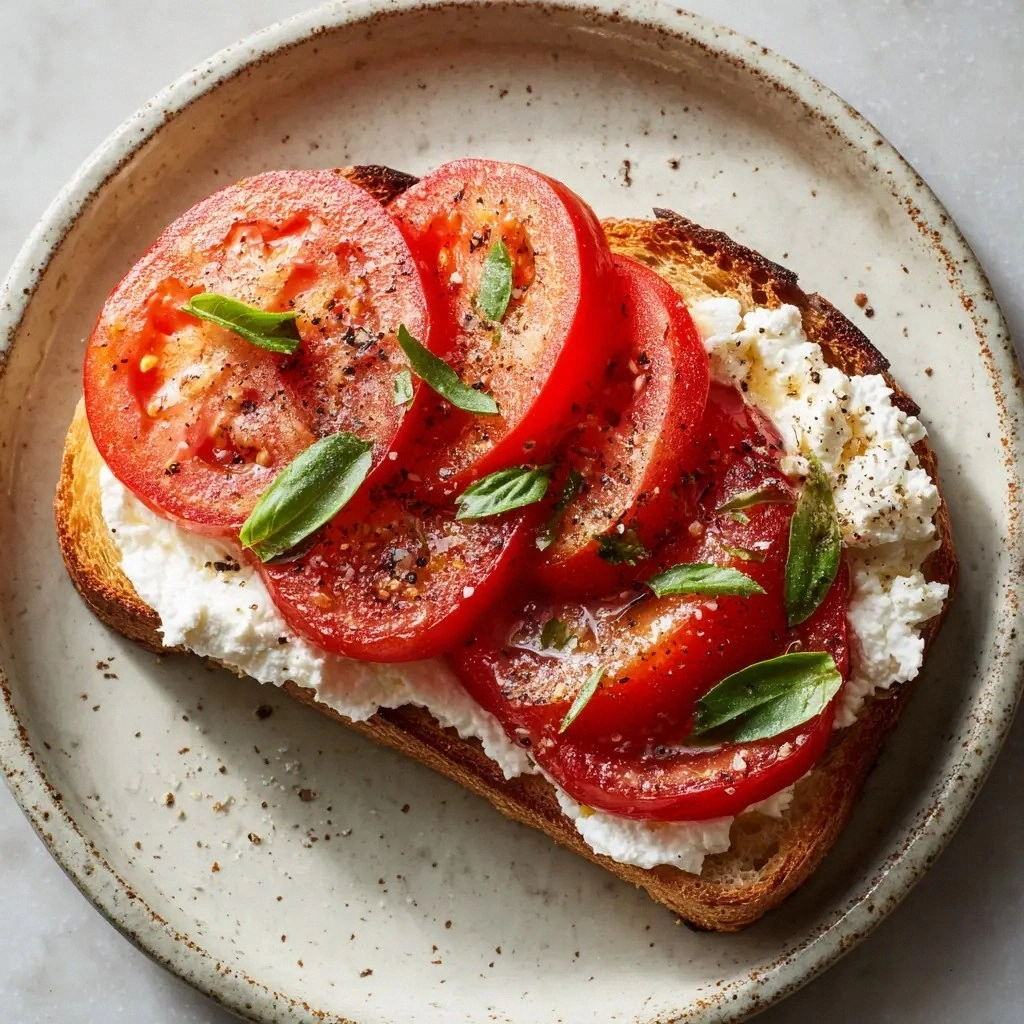
- Spread the cottage cheese evenly over the toasted side of the bread, using the back of a spoon to create a smooth, even layer. The cheese should cover the entire surface, but leave a thin margin around the edges for a subtle bite of bread. This is where the texture starts to mingle.
- Layer the sliced tomato on top of the cheese. Arrange the slices in a fan shape, allowing them to sit gently against each other. Sprinkle 0.125 teaspoon of flaky sea salt and 0.125 teaspoon of coarse cracked black pepper over the tomatoes to enhance their natural sweetness.
- Crack the basil leaves onto the tomato, letting the fresh herbs fall into place. The basil’s aroma will begin to mingle with the warm cheese, creating a fragrant headspace that will lift the entire dish.
- Cover the skillet with a lid for the last 30 seconds. This step traps heat, allowing the cheese to melt fully and the basil to release its oils without drying out. The lid also helps the tomato soften slightly, creating a harmonious blend of textures.
- Remove the lid and give the toast a quick, gentle squeeze. This final press ensures the cheese adheres to the bread, preventing a runny mess. If you’re in a hurry, you can skip this step, but the squeeze adds a professional touch.
- Slide the toast onto a plate and garnish with a few extra basil leaves for a pop of color. Serve immediately while the bread is still warm and the cheese is molten. The first bite should be a satisfying crunch followed by a creamy, tomato‑laden explosion.
That’s it — you did it. But hold on, I've got a few more tricks that'll take this to another level. These insider tips will help you avoid common pitfalls and elevate the flavor profile even further.
Insider Tricks for Flawless Results
The Temperature Rule Nobody Follows
Many people think high heat is the key to a crisp toast, but it’s actually the perfect balance of medium heat that gives you a golden crust without burning the cheese. I discovered that keeping the skillet at medium for the first two minutes allows the bread to develop a beautiful crust while the cheese has time to melt evenly. If you’re using a cast‑iron skillet, preheat it for a minute before adding the bread to ensure consistent heat distribution.
Why Your Nose Knows Best
The aroma of olive oil sizzling is a subtle cue that the bread is ready. Trust your nose; when the oil starts to shimmer and release a nutty scent, it’s time to flip the bread. This sensory checkpoint prevents you from overcooking the bread or undercooking the cheese.
The 5‑Minute Rest That Changes Everything
After removing the toast from the skillet, let it rest for 30 seconds before cutting. This short pause allows the cheese to set, preventing it from sliding off the bread. It also lets the flavors meld, giving each bite a balanced taste that’s both creamy and crunchy.
Use Fresh, Not Frozen, Tomatoes
Frozen tomatoes can release excess water, making the toast soggy. I always opt for fresh, vine‑ripened tomatoes that hold their shape and flavor. If you’re in a pinch, thaw them in a colander and pat dry before slicing.
Crack the Basil Just Before Serving
Crushed basil releases its essential oils, enhancing the dish’s aroma. I recommend tearing the basil leaves into bite‑sized pieces right before plating. This simple step gives the toast a fresh, vibrant finish that’s impossible to replicate with pre‑chopped herbs.
Serve Immediately for Best Texture
The combination of warm bread and molten cheese is at its peak when served right away. If you need to hold the toast for a few minutes, keep it wrapped in foil and place it in a warm oven (200°F) to maintain the crust’s crispness.
Creative Twists and Variations
This recipe is a playground. Here are some of my favorite ways to switch things up:
Smoky Chipotle Toast
Swap the fresh basil for a handful of chopped cilantro and add a dash of chipotle powder to the cottage cheese. The smoky heat pairs beautifully with the creamy base, creating a bold, spicy experience.
Roasted Red Pepper Delight
Replace the tomato with roasted red pepper strips and drizzle a touch of balsamic glaze over the top. The sweet, smoky flavor of the pepper complements the tangy cheese, while the glaze adds a glossy finish.
Spinach & Feta Variation
Add sautéed spinach to the cheese layer and crumble a generous amount of feta on top. This Mediterranean twist brings a salty, earthy depth that’s perfect for a brunch with a twist.
Avocado & Lemon Zest Toast
Spread mashed avocado on the toast before adding the cheese, then sprinkle with lemon zest and a pinch of sea salt. The creamy avocado adds richness, while the citrus brightens the dish.
Herbed Goat Cheese Version
Replace the cottage cheese with herbed goat cheese, and top with a drizzle of honey and a sprinkle of chopped walnuts. The tangy goat cheese pairs with the sweet honey for a sophisticated flavor profile.
Breakfast Power Toast
Top the toast with a fried or poached egg, a sprinkle of chives, and a dash of hot sauce. This variation turns the toast into a hearty breakfast that’s both protein‑rich and flavorful.
Storing and Bringing It Back to Life
Fridge Storage
If you have leftovers, wrap the toast tightly in parchment paper and store it in an airtight container at room temperature for up to 24 hours. The bread will stay crisp for the first 12 hours, but after that it may become slightly soggy. To refresh, reheat in a skillet over low heat for 2 minutes.
Freezer Friendly
For longer storage, wrap each toast individually in foil and place them in a freezer bag. They can be kept for up to 2 weeks. When you’re ready to eat, thaw at room temperature for 30 minutes, then warm in a skillet or oven at 350°F for 5 minutes.
Best Reheating Method
The key to reheating is to add a splash of water to the skillet before placing the toast. This creates steam that rehydrates the bread without making it soggy. Heat over medium heat, cover, and let it steam for 1 minute. The result is a toast that’s almost as good as freshly made.