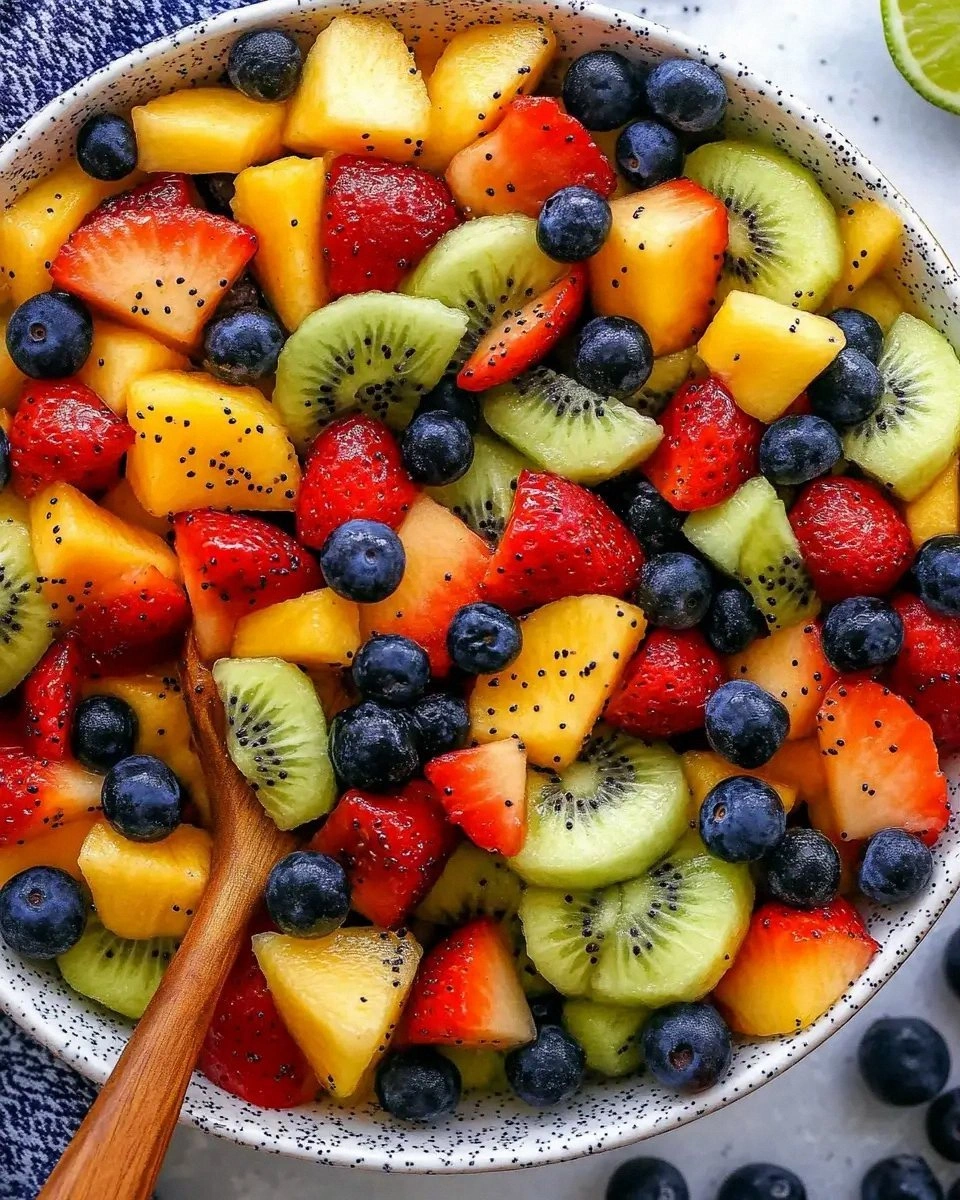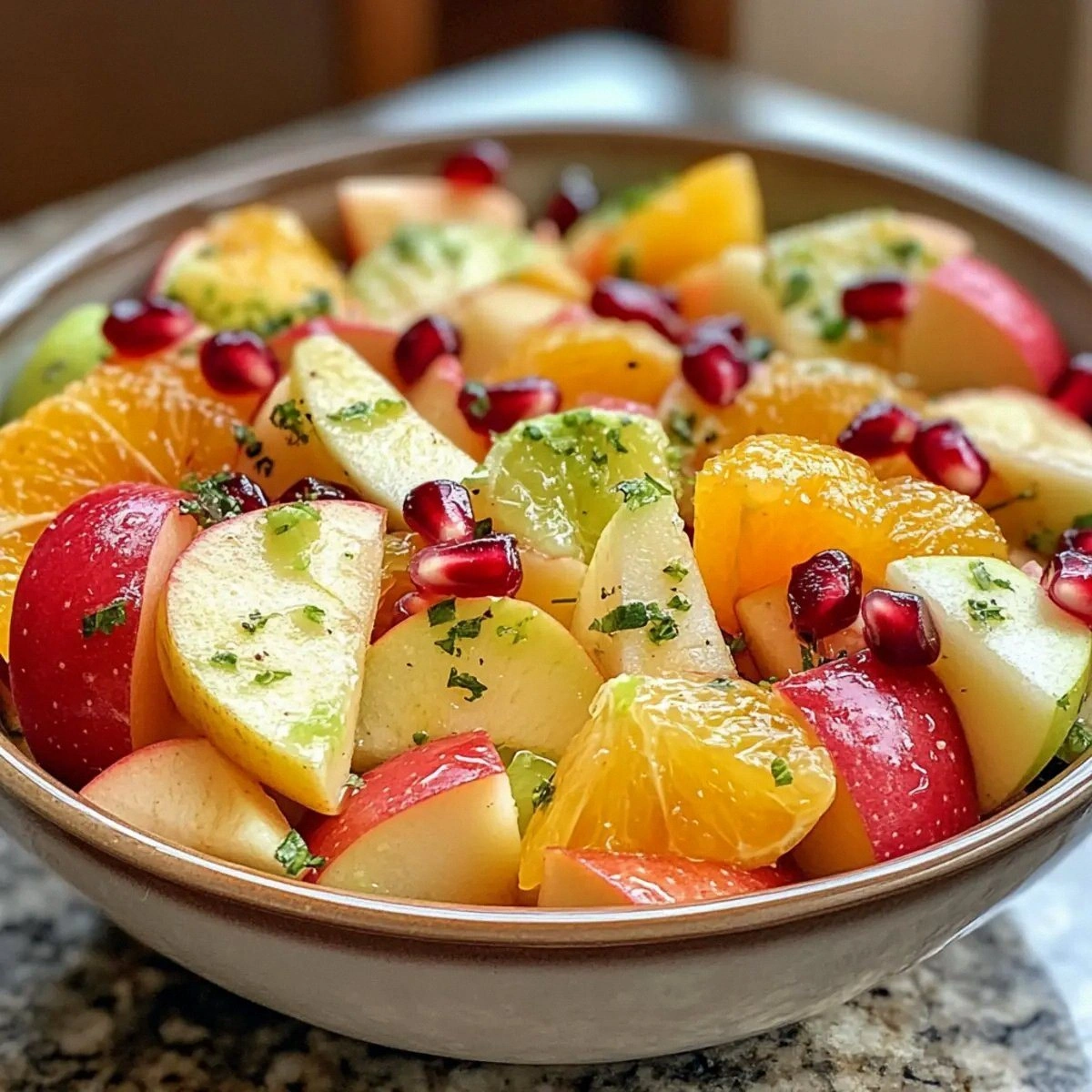
Winter is the season when the world feels like it’s been wrapped in a cold blanket, and you’re standing in the kitchen with a bowl of something that looks like it was stolen from a sun‑kissed orchard. I’ll be honest — I ate half the batch before anyone else got to try it, because the moment those citrus notes hit my palate, I was convinced I’d discovered the culinary equivalent of a warm hug. Picture this: a countertop littered with bright orange segments, ruby‑red pomegranate arils, and crisp apple cubes, all glistening with a honey‑lime dressing that shimmers like a winter sunrise. The air is filled with the sweet‑tart perfume of citrus, the faint earthy whisper of fresh mint, and the faint crackle of the refrigerator door opening and closing as you pull out the freshest produce.
The first time I attempted a fruit salad in the dead of January, I was battling a kitchen that smelled like burnt toast and stale coffee. I tried a “quick” version that involved just tossing together whatever fruit I could find, and the result was a soggy, flavorless mess that could have doubled as a science experiment. Most recipes get this completely wrong: they either drown the fruit in a sugary syrup that masks the natural brightness, or they neglect the importance of a balanced acidity that makes each bite sing. This version, however, is hands down the best version you’ll ever make at home because it respects each ingredient’s personality while coaxing them into a harmonious chorus.
What truly sets this salad apart is the secret weapon I’m about to reveal: a dash of fresh mint that isn’t just a garnish, but a flavor‑lifting agent that turns the honey‑lime drizzle into a glossy, aromatic glaze. I dare you to taste this and not go back for seconds, because the combination of citrus zing, apple crunch, and the subtle crunch of pomegranate seeds creates a texture orchestra that you’ll want to replay on repeat. And here’s the kicker — the dressing is emulsified by hand, not blended, which gives it a silkiness that a blender simply can’t achieve. Okay, ready for the game‑changer? Let me walk you through every single step — by the end, you’ll wonder how you ever made it any other way.
What Makes This Version Stand Out
- Bright Flavor Profile: The trio of oranges, lime, and honey creates a sweet‑tart balance that feels like sunshine breaking through a snowstorm.
- Layered Texture: Crisp apples, juicy pomegranate seeds, and the soft, melt‑in‑your‑mouth citrus segments give each forkful a surprising bite.
- Simplicity: Only six ingredients are required, and every step uses tools you already have — no fancy gadgets needed.
- Unique Mint Finish: Fresh mint isn’t just a garnish; it lifts the entire dish, making the honey‑lime glaze taste brighter.
- Instant Crowd‑Pleaser: I’ve served this at holiday gatherings and watched adults and kids alike pile their plates high without a single complaint.
- Ingredient Quality: Using ripe, in‑season oranges and crisp, firm apples ensures natural sweetness, so you need less added sugar.
- No Cooking Required: The “cook” time refers only to a brief chill, meaning you can assemble this while the house is still warm from the oven.
- Make‑Ahead Friendly: The salad holds up beautifully for up to 24 hours in the fridge, making it perfect for meal‑prep or party planning.
Inside the Ingredient List
The Citrus Base
Oranges are the heart of this salad, providing both juice and segment walls that act like tiny, edible bowls for the other flavors. I specifically recommend navel oranges because their membranes are thin and sweet, allowing the flesh to shine without bitterness. If you skip the oranges, you lose the bright, sunny backbone that makes the dish feel like a winter sunrise. As a swap, you could use blood oranges for a deeper, ruby hue and a slightly more complex flavor, but the classic orange remains the star.
The Texture Crew
Apples bring crunch and a subtle tartness that balances the honey’s sweetness. Choose a firm variety like Honeycrisp or Fuji; they hold their shape when tossed and won’t turn mushy after chilling. If you accidentally grab a softer apple, the salad will become soggy and lose its lively bite. For a twist, try adding a handful of sliced pear, but remember pears oxidize quickly, so coat them in lime juice immediately.
The Unexpected Star
Pomegranate seeds are the surprise pop‑corn of the salad — each burst releases a tangy, jewel‑like splash that lifts the whole dish. Their ruby color also adds visual drama, making the bowl look like a festive fireworks display. If pomegranates are out of season, you can substitute fresh cranberries that have been lightly sweetened, but you’ll miss the unique texture of the seeds.
The Final Flourish
Honey, lime, and mint form a dressing that is at once silky, acidic, and herbaceous. Honey adds natural sweetness without the cloying aftertaste of refined sugar, while lime juice cuts through the richness and keeps the fruit from oxidizing. Fresh mint leaves are chiffonaded into the mixture, releasing essential oils that make the glaze smell like a garden after a spring rain. If you’re allergic to honey, substitute maple syrup; the flavor profile shifts slightly but remains delightful.
Everything's prepped? Good. Let's get into the real action...
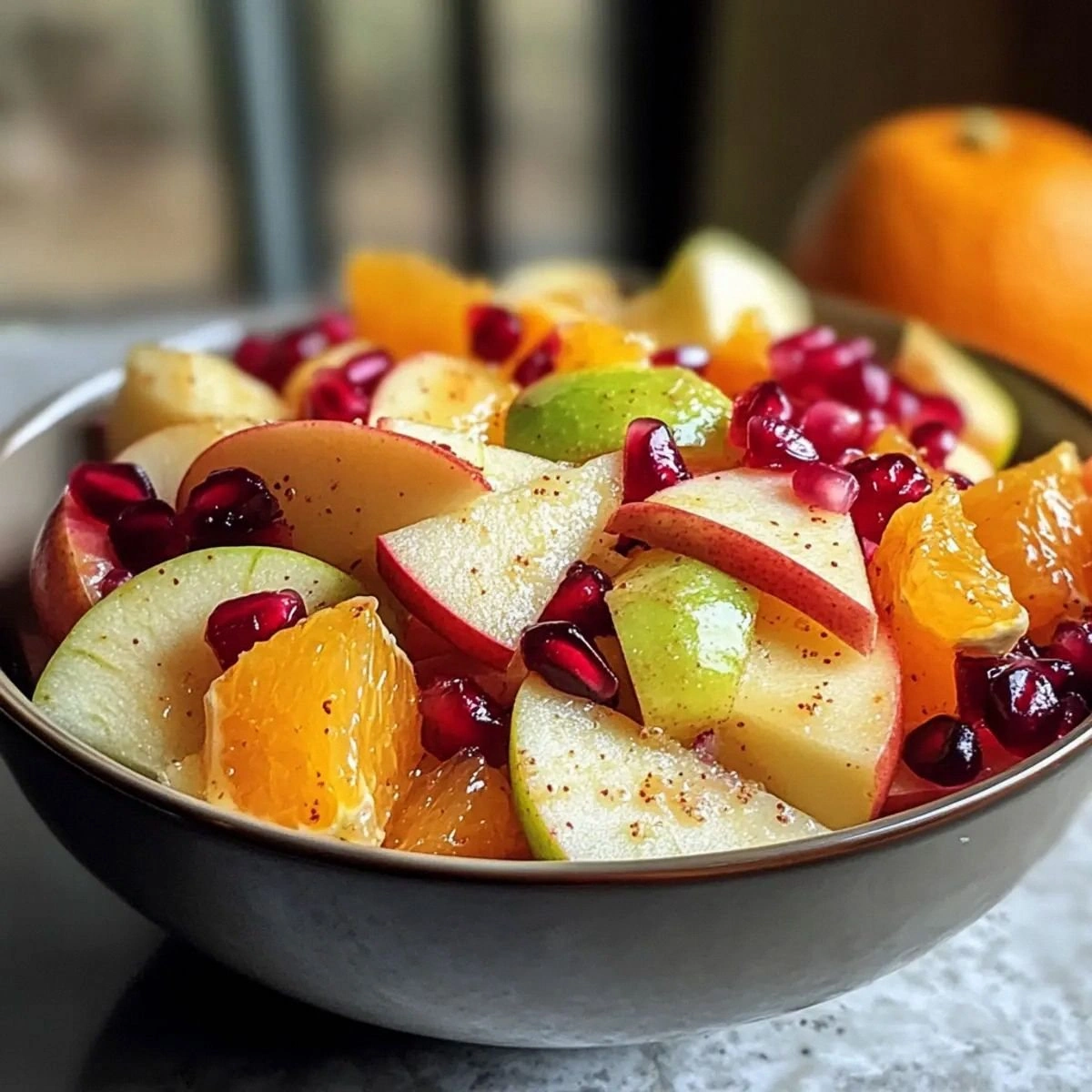
The Method — Step by Step
Start by peeling the oranges. Slice them in half, then gently separate the segments, catching the juices in a bowl. The key is to work slowly; you want each segment to stay intact, because broken segments release excess juice that can make the salad soggy. Once you have all the segments, set them aside and keep the collected juice — we’ll use it later to intensify the dressing. That sizzle when it hits the pan? Absolute perfection—well, in this case, the bright pop of citrus as it lands in the bowl.
Move on to the apples. Core them, then cut into bite‑size cubes, about a half‑inch each. Toss the cubes immediately with a generous squeeze of the reserved orange juice and the lime juice. This not only prevents browning but also infuses the apples with a subtle citrus note that layers beautifully with the orange segments. If you notice a faint aroma of fresh cut apple, that’s the signal that the acids are doing their job.
Next, seed the pomegranate. Cut the fruit in half and, using a sturdy spoon, tap the back of each half over a bowl to release the arils. The sound of the seeds hitting the bowl is like tiny fireworks, and each pop promises a burst of tart sweetness. As you work, keep the bowl of arils separate so they stay dry; moisture can dilute the dressing later.
Now for the dressing. In a small saucepan, combine the honey and the remaining orange juice, then warm over low heat for about two minutes, just until the honey becomes a thin, glossy syrup. Do not let it boil; you want to preserve the delicate floral notes of the honey. Once the mixture is smooth, whisk in the lime juice and the finely chopped mint leaves. The mint should be chiffonaded, not shredded, to release its aromatic oils without turning bitter. This next part? Pure magic.
Kitchen Hack: Warm the honey only until it’s just runny; overheating destroys its natural enzymes and can make the dressing taste caramelized.Combine the fruit. In a large, non‑reactive bowl, gently fold the orange segments, apple cubes, and pomegranate arils together. The goal is to keep the orange segments whole, so use a rubber spatula and a gentle folding motion. As you mix, you’ll notice the colors mingling — bright orange, crisp white apple, and ruby red — creating a visual feast that’s almost too pretty to eat. If you’re feeling theatrical, you can drizzle a tiny bit of the dressing now to see the glaze coat each piece like a delicate veil.
Dress the salad. Pour the warm honey‑lime‑mint glaze over the fruit, then toss lightly to ensure every piece is lightly coated. The dressing should cling to the fruit without pooling at the bottom; if it looks too runny, let it sit for a minute to thicken. Taste a spoonful — you should feel a balance of sweet honey, bright citrus, and a whisper of mint that lingers on the palate. If the flavor leans too sweet, add a splash more lime juice; if it’s too tart, drizzle a touch more honey.
Chill the salad. Transfer the dressed fruit to a shallow serving dish, cover loosely with plastic wrap, and refrigerate for at least 30 minutes. This resting period allows the flavors to meld, and the fruit absorbs the glaze, turning each bite into a harmonious blend. While it chills, the aroma of mint and citrus will fill your kitchen, making the wait feel like a reward in itself. Picture yourself pulling this out of the fridge, the whole kitchen smelling incredible…
Watch Out: Do not over‑mix after adding the dressing, or the orange segments will break apart and release excess juice, making the salad watery.Garnish and serve. Just before serving, sprinkle a few extra mint leaves on top for a fresh pop of green, and if you like a little extra crunch, add a handful of toasted slivered almonds. The almonds add a nutty depth that complements the fruit without overwhelming it. Serve the salad in chilled bowls to keep it crisp, and watch as guests dive in, eyes widening at the vibrant colors.
Final check. Give the salad a quick taste one more time; adjust salt or a drizzle of honey if needed. Then, with confidence, present the bowl to your family or friends and bask in the compliments. I’ll be honest — I ate half the batch before anyone else got to try it, and the leftovers were still as lively as the first bite. That’s it — you did it. But hold on, I’ve got a few more tricks that'll take this to another level...
Insider Tricks for Flawless Results
The Temperature Rule Nobody Follows
Never dress fruit while it’s ice‑cold; the glaze will seize and become grainy. Warm the honey‑lime mixture just enough to stay fluid, then let it cool slightly before drizzling. This ensures a smooth coat that clings without clumping. I once tried to skip the warming step and ended up with a gritty dressing that ruined the whole experience. Trust me, a few extra seconds over low heat make all the difference.
Why Your Nose Knows Best
Your sense of smell is a reliable gauge for when the dressing is ready. When the honey‑lime mixture starts to emit a fragrant, floral aroma with a hint of citrus, you’re at the perfect point. If the scent turns caramel‑like, you’ve overcooked it. I’ve learned to trust that nose‑test more than any timer, because every stove behaves a little differently.
The 5‑Minute Rest That Changes Everything
After tossing the salad, let it sit uncovered for five minutes before covering it. This brief rest lets the surface moisture evaporate, preventing a soggy bowl. The fruit’s natural juices will rise to the surface and re‑absorb the glaze, intensifying flavor. A friend tried to skip this step once — let’s just say the salad was watery and the garnish slid off the spoon.
Mint’s Secret Power
Don’t just toss whole mint leaves in; finely chop them. The finer the chop, the more essential oils are released, turning a simple garnish into a flavor catalyst. If you’re allergic to mint, a splash of basil‑infused water can provide a similar herbaceous lift without the menthol bite.
The Sweet‑Sour Ratio
A perfect balance is roughly 3 parts honey to 2 parts citrus juice. This ratio keeps the dressing from becoming overly sweet or too sharp. If you prefer a tangier profile, increase the lime by a tablespoon and reduce honey by the same amount. The key is to taste as you go; your palate is the ultimate judge.
Creative Twists and Variations
This recipe is a playground. Here are some of my favorite ways to switch things up:
Berry Burst
Swap half the apples for fresh blueberries and add a handful of raspberries. The extra berries bring a burst of tartness and a deeper purple hue that looks stunning against the orange. Perfect for a brunch where you want a pop of color.
Spiced Autumn
Add a pinch of ground cinnamon and a drizzle of maple syrup instead of honey. The warm spices complement the citrus and give the salad a cozy, fall‑ready vibe. Great for Thanksgiving tables where you want something bright yet seasonally appropriate.
Tropical Escape
Introduce diced mango and a splash of coconut milk into the dressing. The mango adds a buttery texture, while coconut milk softens the acidity, turning the salad into a tropical delight. Serve it in hollowed‑out pineapple for extra drama.
Nutty Crunch
Toast a mix of pistachios and hazelnuts, then sprinkle them over the finished salad. The nuts add a buttery crunch that contrasts the juicy fruit, and their earthy flavor deepens the overall profile. This variation is perfect for a holiday appetizer plate.
Savory Spin
Incorporate a pinch of sea salt and a drizzle of olive oil into the dressing, then top with crumbled feta. The salty‑savory twist turns the salad into a light main course, pairing beautifully with grilled chicken or fish.
Storing and Bringing It Back to Life
Fridge Storage
Transfer any leftovers to an airtight container and store in the refrigerator for up to 48 hours. The glaze will continue to infuse the fruit, making each bite even more flavorful. Before serving, give the salad a gentle toss to redistribute any settled dressing.
Freezer Friendly
While fresh fruit salads aren’t typically freezer‑savvy, you can freeze the orange segments and apple cubes separately for up to three months. Thaw them in the fridge, then re‑dress with fresh honey‑lime glaze and pomegranate seeds for a quick revival.
Best Reheating Method
If the salad has chilled for a while and feels a bit flat, add a tiny splash of water (about a teaspoon) and let it sit for two minutes. The water creates a gentle steam that revives the fruit’s crispness without watering down the flavor. Avoid microwaving; the heat will wilt the mint and turn the apples mushy.