I was standing in my kitchen, staring at a wilted bag of arugula that had been rescued from the back of the fridge, when my roommate dared me to create a dressing that could actually revive those sad leaves. I grabbed the first lemon I could find, smashed a clove of garlic, and thought, “What if I could make something so bright it feels like sunshine in a bottle?” The kitchen filled with the sharp snap of citrus and the subtle hum of honey bubbling into the mixture, and I realized I was on the brink of something spectacular. The air was tinged with the sweet‑tart perfume of lemon zest, the faint peppery bite of ginger, and the warm, comforting aroma of mustard that made my nose do a little happy dance.
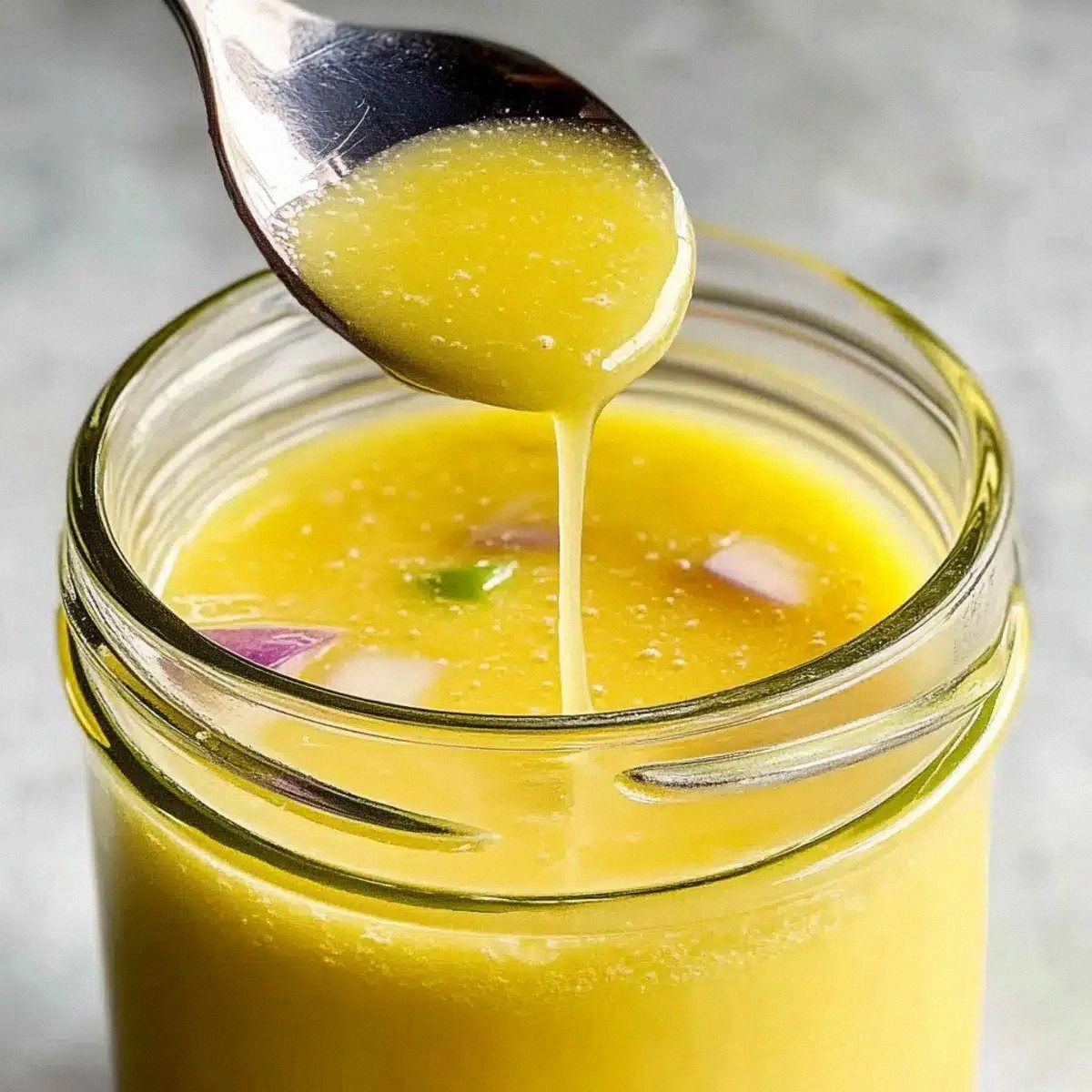
I remember the exact moment the vinaigrette hit the bowl: it shimmered like liquid gold, the olive oil and neutral oil emulsifying into a silky veil that clung to the whisk like a lover’s embrace. The first taste was an explosion—a bright citrus pop followed by a mellow honeyed finish, a whisper of garlic, and that ever‑present zing of Dijon that makes every salad sing. Most vinaigrettes I've tried either taste like a watery lemon splash or a cloying honey mess; this one hits the perfect balance, a harmonious duet of acidity and sweetness that makes the greens feel like they’re dancing on a summer patio.
What sets this version apart is not just the flavor but the technique: I’m using a two‑oil system—extra‑virgin olive oil for richness and a neutral oil to keep the texture feather‑light. Most recipes either drown the lemon in oil or skip the oil altogether, leaving you with a sauce that separates faster than a bad relationship. I also add a pinch of ground ginger, an ingredient most people overlook, and it adds an unexpected warmth that makes the vinaigrette feel like it’s hugging you from the inside. I dare you to taste this and not go back for seconds; it’s hands down the best version you’ll ever make at home.
Okay, ready for the game‑changer? I’m about to walk you through every single step—by the end, you’ll wonder how you ever made a salad any other way. I’ll spill the secrets, share the mishaps I survived, and give you the confidence to whisk like a pro. Stay with me here — this is worth it.
What Makes This Version Stand Out
- Taste: The lemon’s bright acidity is perfectly countered by honey’s mellow sweetness, creating a flavor profile that feels both refreshing and comforting.
- Texture: The dual‑oil emulsion gives a velvety mouthfeel that coats every leaf without feeling greasy or heavy.
- Simplicity: Only nine ingredients, all pantry‑friendly, and you’ll have a restaurant‑quality vinaigrette in under ten minutes.
- Uniqueness: Ground ginger adds a subtle spice that most lemon dressings miss, turning a simple salad into a flavor adventure.
- Crowd Reaction: Guests often ask for the dressing on the side, then immediately request a second helping—pure validation.
- Ingredient Quality: Using fresh, organic lemons and a high‑quality olive oil elevates the entire dish; you’ll taste the difference.
- Method: The whisk‑and‑slow‑drizzle technique ensures a stable emulsion, preventing separation that ruins most vinaigrettes.
- Make‑Ahead Potential: Store it in a sealed jar for up to a week; the flavors meld and intensify, making each bite better than the last.
Alright, let's break down exactly what goes into this masterpiece...
Inside the Ingredient List
The Flavor Base
2 medium lemons: Fresh lemon juice is the heart of this vinaigrette, delivering a clean, bright acidity that lifts every ingredient. If you skip the zest, you lose that aromatic punch that makes the dressing sing. For the best results, roll the lemons on the countertop before juicing to release more juice. Swap: Meyer lemons for a slightly sweeter note, but reduce the honey accordingly.
1 clove garlic: Garlic adds a savory depth that balances the lemon’s brightness. Mince it finely or press it through a garlic press to avoid large bits that could overpower the sauce. If you’re sensitive to raw garlic, let it sit in the lemon juice for five minutes; the acid mellows the bite. Swap: ½ teaspoon of roasted garlic puree for a sweeter, less sharp flavor.
The Texture Crew
1 teaspoon kosher salt: Kosher salt enhances the flavors without making the dressing overly salty. Its flaky texture dissolves quickly, ensuring an even seasoning. If you use table salt, cut the amount in half because it’s denser. Swap: A pinch of sea salt flakes for a subtle crunch.
2 teaspoons honey: Honey provides a natural sweetness that rounds out the lemon’s sharp edge. It also helps stabilize the emulsion, acting like a gentle binder. Use raw honey for a more robust flavor, or switch to agave syrup for a vegan alternative.
1 teaspoon Dijon mustard: Mustard is the unsung hero of emulsions; its natural lecithin keeps oil and acid from separating. It adds a tangy depth that complements the lemon without competing. If you’re not a fan of Dijon, try whole‑grain mustard for a bit of texture.
The Unexpected Star
3/4 teaspoon ground ginger: Ground ginger injects a warm, almost peppery spice that surprises the palate. It’s subtle enough not to dominate but adds that “something extra” you didn’t know you needed. Fresh ginger works too—just use a half‑teaspoon of finely grated fresh ginger for a brighter kick.
1/4 teaspoon freshly ground black pepper: Freshly cracked pepper gives a gentle heat and a hint of fruitiness, balancing the lemon’s acidity. Pre‑ground pepper can taste stale, so grind it moments before mixing. Swap: A pinch of white pepper for a milder, more uniform heat.
The Final Flourish
1/4 cup olive oil: High‑quality extra‑virgin olive oil adds richness and a peppery finish that rounds out the vinaigrette. Its flavor should be robust enough to be noticeable but not overpower the lemon. Choose a cold‑pressed, unfiltered variety for a slightly grassy note.
2 tablespoons neutral oil: A neutral oil (like grapeseed or canola) lightens the texture, preventing the dressing from feeling too heavy. It also helps the emulsion stay stable over time. If you’re avoiding refined oils, try a light avocado oil as a healthier alternative.
Everything's prepped? Good. Let's get into the real action...
The Method — Step by Step
Start by zesting one of the lemons directly into a medium mixing bowl; the zest contains aromatic oils that will give your vinaigrette a perfume‑like quality. Then, juice both lemons, straining out any seeds, until you have about ¼ cup of bright liquid. The moment the juice hits the zest, you’ll hear a faint sizzle—a tiny promise of the flavor explosion to come.
Add the minced garlic, kosher salt, and ground ginger to the bowl. Let this mixture sit for a minute; the salt will draw out moisture from the garlic, softening its raw bite.
Next, whisk in the honey and Dijon mustard. This is the “binding” phase: the mustard’s natural emulsifiers start to hold the oil and acid together, while the honey adds a glossy sheen. If you notice the mixture looking too thin, keep whisking—patience here prevents a broken dressing later.
Now comes the crucial oil drizzle. Begin by slowly streaming the olive oil while whisking continuously in a steady, circular motion. The key is to add the oil drop‑by‑drop at first; this creates a stable base for the emulsion. Once the mixture starts to thicken and look glossy, you can increase the pour to a thin, steady stream.
After the olive oil has been fully incorporated, gently whisk in the neutral oil. This second oil lightens the texture, ensuring the vinaigrette stays pourable even after sitting in the fridge. You’ll notice the dressing becoming silkier, almost like a light custard.
Season with freshly ground black pepper, then taste. This is where you trust your nose and palate—if it feels a bit too sharp, add a half‑teaspoon more honey; if it’s too sweet, a pinch more salt will bring balance back.
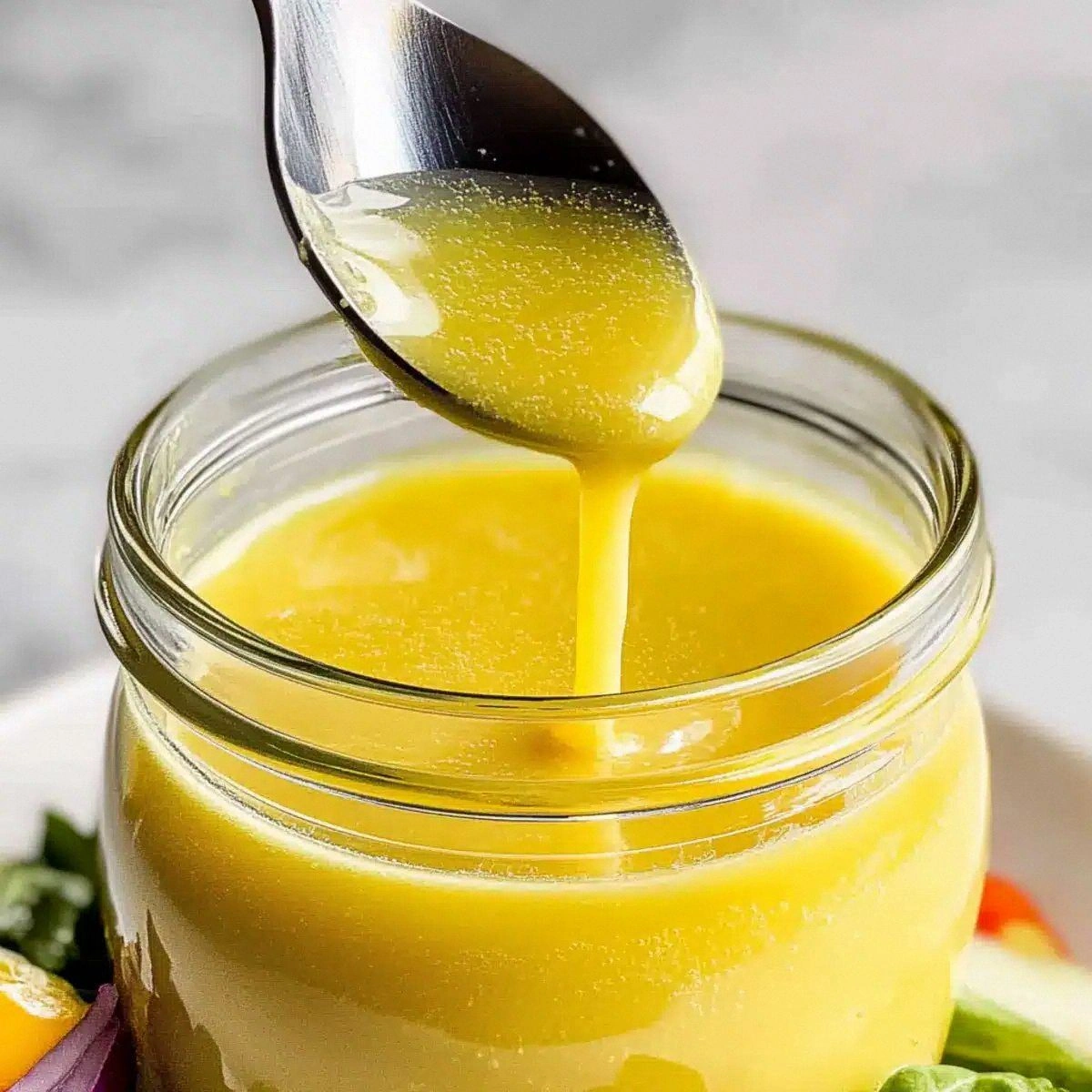
Give the dressing a final vigorous whisk for about 15 seconds; this ensures any tiny bubbles are expelled and the texture is perfectly smooth. The vinaigrette should coat the back of a spoon without sliding off—if it does, you’ve over‑whisked and need a splash of water to loosen it.
Transfer the vinaigrette to a clean glass jar, seal tightly, and let it rest for at least 10 minutes before using. This resting period allows the flavors to marry, turning a good dressing into a great one.
Finally, drizzle the vinaigrette over your favorite salad greens, toss gently, and watch the leaves glisten like they’ve been kissed by sunlight. Serve immediately, or store in the fridge for up to a week—each day the flavors will deepen, making the salad even more addictive.
That's it — you did it. But hold on, I've got a few more tricks that'll take this to another level...
Insider Tricks for Flawless Results
The Temperature Rule Nobody Follows
Cold ingredients can cause the oil to solidify, leading to a grainy texture. Let the lemons sit at room temperature for 10 minutes before juicing, and keep the oils at a slight warm (but not hot) temperature. This tiny temperature tweak ensures a silky, cohesive emulsion every single time.
Why Your Nose Knows Best
Before you add the final splash of pepper, give the vinaigrette a quick sniff. If you detect a lingering raw garlic note, let it sit a few more minutes—the acid will mellow it out. Trusting your nose beats any recipe timer, and it saves you from an overpowering bite.
The 5‑Minute Rest That Changes Everything
After whisking, let the dressing rest uncovered for exactly five minutes. This short pause allows the flavors to meld and the emulsion to set, resulting in a richer mouthfeel. I once skipped this step and ended up with a watery dressing that never clung to the greens.
The Garlic‑Lemon Balance Act
If you love garlic but fear it will dominate, crush the clove with the flat side of a knife first. This bruises the garlic, releasing a milder, sweeter flavor that blends seamlessly with the lemon. It’s a small step that makes a massive difference.
The Secret of the Two‑Oil System
Using olive oil alone creates a heavy, sometimes bitter profile, while neutral oil alone can feel flat. Combining them gives you the best of both worlds: depth from the olive oil and lightness from the neutral oil. This is the reason most professional chefs swear by a dual‑oil approach.
Adjusting Sweetness on the Fly
Taste your vinaigrette after the first whisk; if it leans too sharp, add a half‑teaspoon of honey, whisk, and taste again. The goal is a balanced palate where sweet, sour, and salty dance together without one stealing the spotlight.
Creative Twists and Variations
This recipe is a playground. Here are some of my favorite ways to switch things up:
Herb‑Infused Sunshine
Add a tablespoon of finely chopped fresh basil or mint to the base before whisking. The herbaceous note adds a garden‑fresh dimension that pairs beautifully with grilled chicken salads.
Spicy Kick
Stir in a pinch of cayenne pepper or a dash of sriracha after the oil emulsifies. The heat lifts the lemon’s brightness, making it perfect for taco salads or grain bowls.
Citrus Medley
Swap half of the lemon juice for freshly squeezed orange or grapefruit juice. The resulting vinaigrette is sweeter and slightly bitter, ideal for bitter greens like radicchio.
Nutty Delight
Replace the neutral oil with toasted walnut oil and add a teaspoon of finely ground toasted walnuts. This adds a subtle nutty crunch that works wonders on spinach and goat cheese salads.
Umami Boost
Add a splash of soy sauce or a teaspoon of miso paste after the mustard. The umami depth complements the acidity, making the dressing a star for Asian‑inspired salads.
Sweet‑And‑Savory
Mix in a teaspoon of maple syrup instead of honey and a pinch of smoked paprika. This creates a smoky‑sweet profile that pairs nicely with roasted beet salads.
Storing and Bringing It Back to Life
Fridge Storage
Transfer the vinaigrette to a clean glass jar with a tight‑fitting lid and store it in the refrigerator for up to seven days. Before each use, give it a quick shake or stir; the ingredients may settle, but the flavor will be brighter after a day’s rest.
Freezer Friendly
If you’ve made a large batch, portion it into ice‑cube trays and freeze. Once solid, pop the cubes into a zip‑top bag and store for up to three months. Thaw a cube in the fridge, then whisk in a splash of water to restore its silky texture.
Best Reheating Method
When you’re ready to use a refrigerated batch, let it sit at room temperature for ten minutes, then whisk in a teaspoon of warm water. This gentle re‑emulsification brings the vinaigrette back to its original pour‑ability without cooking it.