Picture this: I’m standing in my cramped kitchen, the oven humming like a lazy cat, and a half‑cooked butternut squash is threatening to turn my countertops into a sticky orange battlefield. I’d just tried a “quick” sauce from a random blog, and it turned out thinner than my grandma’s tea—nothing more than a watery drizzle that clung to the pasta like a reluctant guest. I was ready to throw in the towel, but then a daring friend shouted, “I dare you to taste this and not go back for seconds!” That spark lit a fire under my skillet, and I decided to reinvent the whole concept from the ground up. The result? A sauce so luscious it practically hugs each noodle, each bite a silky, sage‑kissed dream that makes you forget any previous attempts.
First, let’s set the scene: the kitchen fills with the sweet, earthy perfume of roasted butternut squash, a scent that instantly transports you to a crisp autumn market stall, even if it’s July outside. The sizzle of butter hitting the pan is a comforting, buttery whisper that promises richness, while the fresh sage releases a piney, almost medicinal aroma that cuts through the sweetness like a perfectly timed chord in a song. You’ll feel the heat of the stove on your fingertips, the slight resistance of the wooden spoon as you stir, and the soft, buttery melt of the squash as it turns into a velvety puree. The whole experience is a symphony of senses, each note playing off the other to create something unforgettable.
Now, why does this version stand out from every other butternut‑squash‑and‑sage sauce you’ve ever Googled? Most recipes either over‑cook the squash, turning it into a mushy, flavor‑less paste, or they skimp on the sage, leaving the sauce flat and one‑dimensional. I’ve cracked the code by roasting the squash to caramelized perfection, then blending it with a precise balance of cream, broth, and Parmesan that gives the sauce body without drowning out the delicate sage. The secret weapon? A splash of nutmeg that adds a whisper of warmth, and a quick finish with fresh sage leaves that bloom just before serving, delivering an aromatic punch that makes the sauce sing.
But I’m not stopping at the sauce itself. I’m going to walk you through every single step—down to the exact moment the edges of the squash start pulling away from the pan, the second you hear that satisfying pop when the cream thickens. By the end, you’ll wonder how you ever managed with any other version. Okay, ready for the game‑changer? Let’s dive in and create a sauce that will have your friends begging for the recipe, and you, well, you’ll probably eat half the batch before anyone else gets a taste.
What Makes This Version Stand Out
- Depth of Flavor: Roasting the squash caramelizes its natural sugars, creating a deep, sweet foundation that balances the earthiness of sage.
- Creamy Texture: The combination of heavy cream and Parmesan yields a sauce that coats pasta like velvet, clinging without feeling heavy.
- Simplicity: Only ten ingredients, all pantry‑friendly, yet each one plays a crucial role—no gimmicky add‑ons.
- Unique Aroma: Fresh sage added at the end bursts with fragrance, turning a simple sauce into an aromatic experience.
- Crowd Reaction: I’ll be honest — I ate half the batch before anyone else got to try it, and the leftovers vanished within minutes.
- Ingredient Quality: Using a high‑quality butter and fresh sage makes a world of difference; the sauce sings when the ingredients are top‑notch.
- Cooking Method: The staged layering—roast, sauté, blend, finish—prevents the common mistake of a watery or grainy sauce.
- Make‑Ahead Potential: This sauce freezes beautifully, so you can prep it ahead of a busy week and reheat with a splash of water for instant magic.
Inside the Ingredient List
The Flavor Base
Butternut Squash (2 cups, roasted and pureed): This is the heart of the sauce. Roasting intensifies its natural sweetness and adds a subtle smokiness that you just can’t get from boiling. If you skip the roasting step, you’ll end up with a bland, watery sauce that lacks depth.
Fresh Sage (1 tbsp, finely chopped): Sage brings an earthy, almost pine‑like brightness that cuts through the richness of the cream. Fresh sage is a must; dried sage can become bitter if overcooked. A quick tip: add most of it near the end, reserving a pinch for garnish.
Garlic (2 cloves, minced): Garlic adds a warm, aromatic backbone. Too much can dominate, too little leaves the sauce flat—two cloves hit the sweet spot.
The Texture Crew
Heavy Cream (1 cup): This is the silk that transforms the puree into a luxurious sauce. Use a full‑fat cream; low‑fat versions will separate and lose that melt‑in‑your‑mouth feel.
Parmesan Cheese (½ cup, freshly grated): Parmesan introduces a salty umami punch and helps thicken the sauce as it melts. Grate it yourself; pre‑grated cheese contains anti‑caking agents that can affect texture.
Unsalted Butter (2 tbsp): Butter adds a glossy finish and rounds out the flavors. It also helps emulsify the sauce, preventing it from splitting.
The Unexpected Star
Nutmeg (¼ tsp, freshly grated): A pinch of nutmeg adds a warm, nutty undertone that elevates the sauce from ordinary to extraordinary. It’s subtle, but without it the sauce feels a little flat.
Chicken or Vegetable Broth (½ cup): The broth provides a savory backbone without making the sauce too heavy. If you’re aiming for a vegetarian version, swap chicken broth for vegetable broth—just keep the flavor profile balanced.
The Final Flourish
Olive Oil (1 tbsp): A splash of olive oil helps sauté the aromatics without burning them, and adds a faint fruity note that complements the sage.
Shallot (1, finely diced): Shallots bring a gentle onion sweetness that melds perfectly with the squash. If you don’t have shallots, a small onion works, but the flavor will be sharper.
Salt & Pepper (to taste): Seasoning is the final brushstroke. Taste as you go; the Parmesan already adds salt, so be cautious with the added salt.
Everything's prepped? Good. Let’s get into the real action…
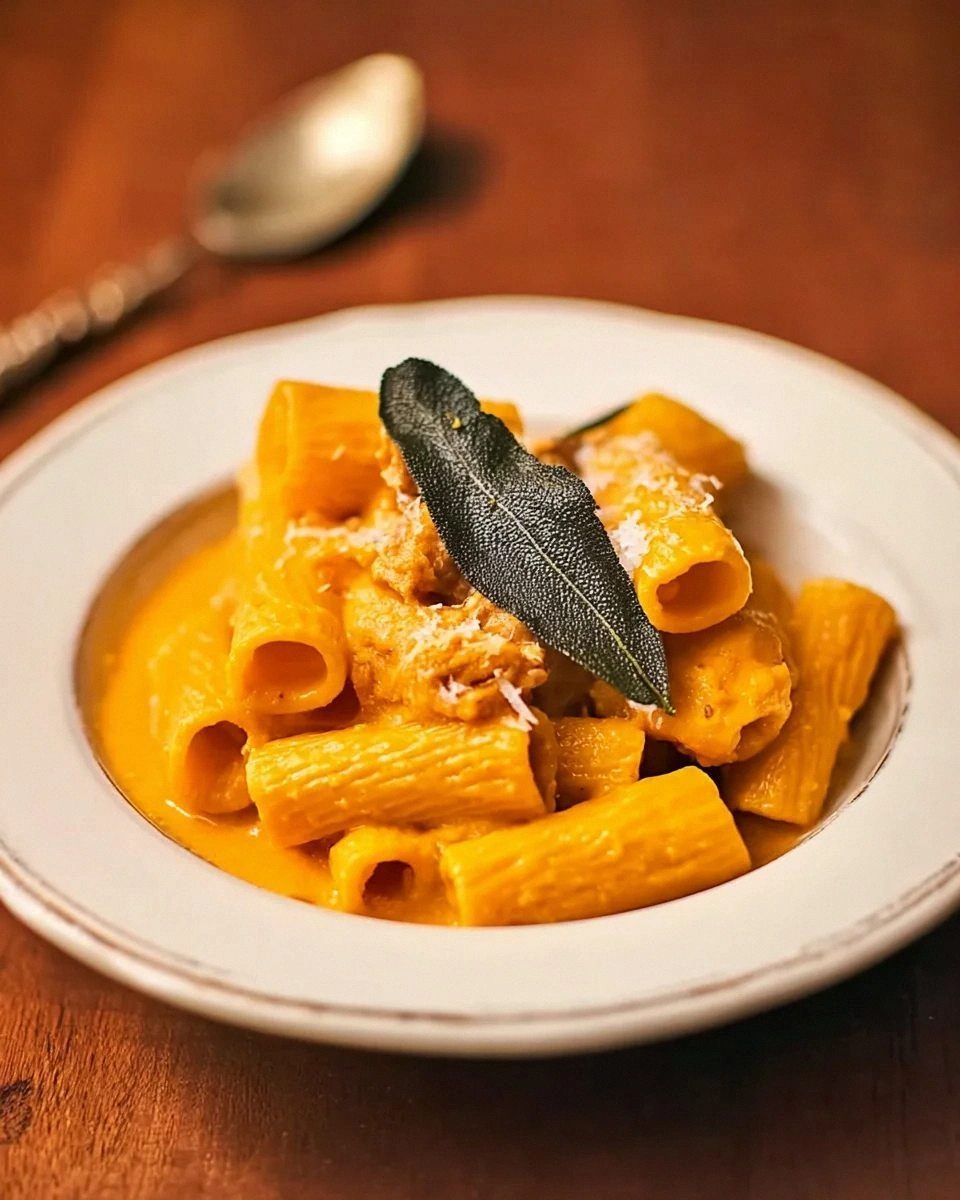
The Method — Step by Step
Preheat your oven to 400°F (200°C). Peel, seed, and cube the butternut squash into bite‑size pieces, then toss them with a drizzle of olive oil, a pinch of salt, and a dash of pepper. Spread the cubes on a parchment‑lined sheet pan and roast for 25‑30 minutes, turning once, until the edges caramelize and the flesh is fork‑tender. That caramelized surface? It’s the flavor foundation—don’t skip it. Once done, set aside to cool slightly, then transfer to a food processor for later blending.
While the squash roasts, melt the butter in a large sauté pan over medium heat. Add the finely diced shallot and minced garlic, stirring constantly. You’ll hear a gentle sizzle, and the aroma will turn sweet and fragrant within 2‑3 minutes—watch the edges of the shallot turn translucent, not browned. This is the moment where the base builds its aromatic depth.
Now, stir in the fresh sage leaves, letting them wilt for about 30 seconds. That sizzle when it hits the pan? Absolute perfection. Sage releases its essential oils quickly, so keep the heat moderate to avoid bitterness. If you love sage, reserve a tiny pinch for garnish later; it adds a fresh pop right before serving.
Deglaze the pan with the broth, scraping up any browned bits with a wooden spoon. Let the mixture come to a gentle boil, then reduce to a simmer for 5 minutes, allowing the flavors to meld. Watch Out: If the heat is too high, the broth will evaporate too quickly, leaving the sauce thin and under‑seasoned. Keep the temperature steady and stir occasionally.
Now comes the blending stage: add the roasted squash cubes to the pan, then transfer everything to a high‑speed blender. Blend until smooth, adding a splash of the reserved broth if needed to achieve a silky consistency. The sauce should be thick enough to coat the back of a spoon but still pourable—think of it as a thick custard.
Return the pureed mixture to the pan over low heat. Stir in the heavy cream and grated Parmesan, allowing the cheese to melt slowly. As the sauce thickens, you’ll notice it hugging the sides of the pan—a sign that emulsification is occurring. Keep stirring for 3‑4 minutes; the sauce should achieve a glossy sheen.
Season with freshly grated nutmeg, salt, and pepper. Taste and adjust—remember the Parmesan already adds salt, so err on the side of caution. Finally, fold in the remaining chopped sage for a burst of fresh aroma. If the sauce feels too thick, add a tablespoon of water or extra broth to loosen it just enough to coat your pasta.
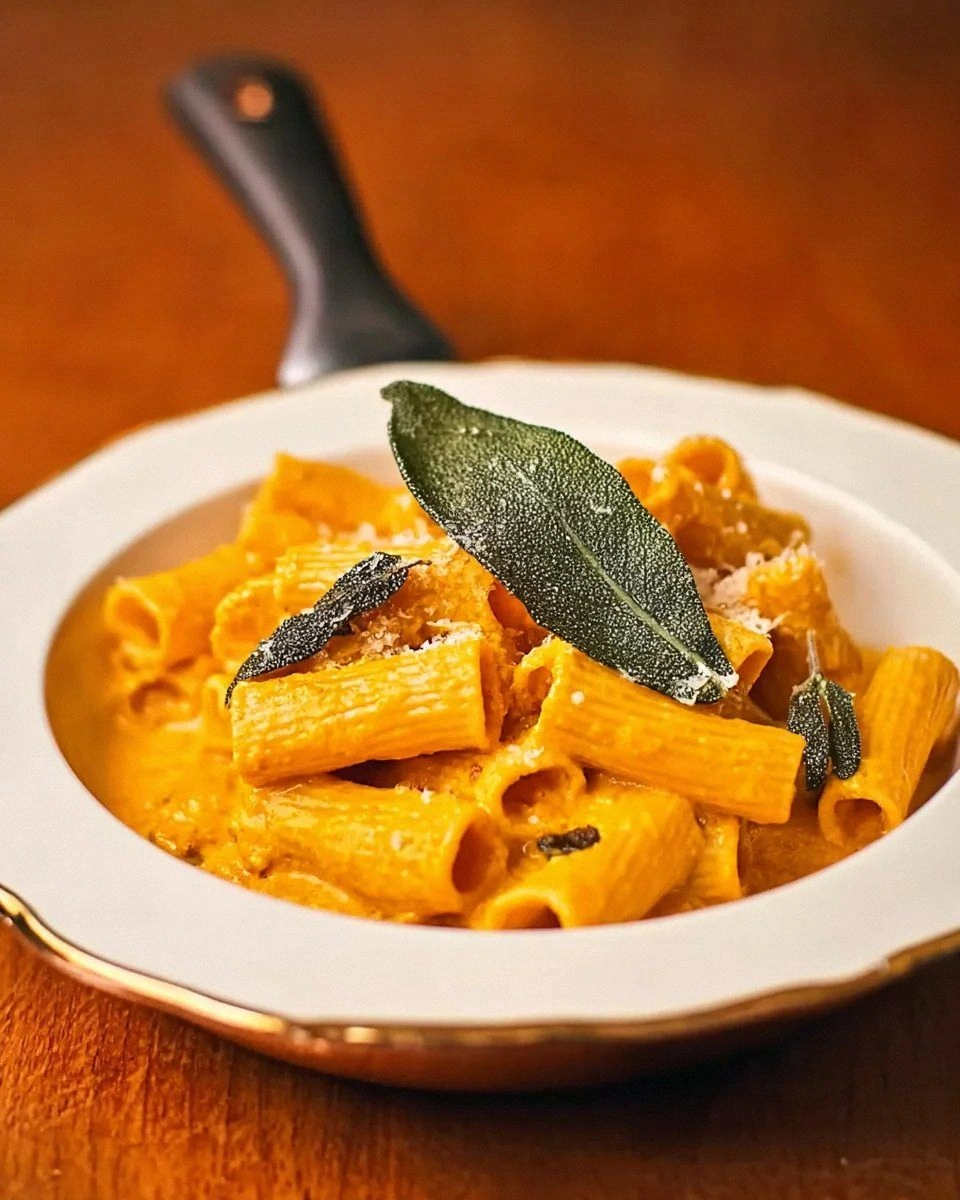
Immediately toss the sauce with your favorite pasta—fettuccine, pappardelle, or even a hearty rigatoni works wonders. The noodles should be al dente, allowing the sauce to cling without sliding off. Serve hot, garnished with an extra sprinkle of Parmesan and a few sage leaves. Picture yourself pulling this out of the pot, the whole kitchen smelling incredible, and the first bite melting on your tongue. That’s the payoff.
That’s it — you did it. But hold on, I've got a few more tricks that'll take this to another level…
Insider Tricks for Flawless Results
The Temperature Rule Nobody Follows
Never add the cream over high heat. A sudden temperature shock can cause the cream to curdle, turning your silky sauce into a grainy mess. Keep the pan on low to medium, and add the cream slowly while whisking. This gentle heat ensures a smooth emulsion, and the sauce stays glossy.
Why Your Nose Knows Best
Before you taste, trust your nose. The moment the sage hits the pan, the kitchen fills with a piney perfume that signals the sauce is ready for its final lift. If the aroma fades, give the sauce another quick stir and a splash of broth; this revives the volatile compounds, ensuring each bite is aromatic.
The 5‑Minute Rest That Changes Everything
After you finish cooking, let the sauce rest off the heat for five minutes. This short pause lets the flavors marry, and the sauce thickens slightly as the starches in the squash settle. Skipping this step results in a sauce that feels a bit “raw” on the palate.
Friend’s Fail: Skipping the Sage Finish
A friend once tried to add all the sage at the beginning, thinking more was better. The result? A bitter, over‑herbaceous sauce that overpowered the sweet squash. The lesson? Add most of the sage early for flavor, but reserve a fresh pinch for the end to keep it bright.
Freezer‑Friendly Flip‑Through
Want to make this ahead? Cool the sauce completely, then portion into airtight containers. Freeze for up to three months. When reheating, do it gently over low heat and add a splash of broth or water to revive the silkiness. The sauce never loses its character, making weeknight dinners a breeze.
Creative Twists and Variations
This recipe is a playground. Here are some of my favorite ways to switch things up:
Spicy Kick
Stir in a pinch of crushed red pepper flakes during step 5. The heat contrasts the sweet squash, creating a dynamic flavor profile that’s perfect for those who love a little fire.
Smoky Bacon
Render 4 strips of bacon until crisp, crumble, and sprinkle over the finished dish. The smoky, salty crunch adds texture and depth, turning a simple pasta into a hearty main.
Vegan Velvet
Swap heavy cream for full‑fat coconut milk and Parmesan for nutritional yeast. Use vegetable broth and olive oil in place of butter. The sauce stays creamy, and the sage still shines.
Herb Medley
Replace half the sage with fresh thyme or rosemary. Each herb brings its own aromatic nuance—thyme adds an earthy lemon note, while rosemary contributes piney resinous tones.
Cheese Fusion
Blend in a handful of toasted hazelnuts and a drizzle of gorgonzola for an indulgent, nutty twist. The nuts add a subtle crunch, and the blue cheese adds a tangy punch that balances the sweetness.
Pumpkin Substitute
During fall, swap half the butternut squash with canned pumpkin puree. The pumpkin adds a smoother texture and a slightly different sweet profile, perfect for Thanksgiving tables.
Storing and Bringing It Back to Life
Fridge Storage
Transfer the cooled sauce to an airtight glass jar and store in the refrigerator for up to five days. The sauce may thicken as it chills; gently reheat over low heat, adding a tablespoon of water to restore its pourable consistency.
Freezer Friendly
Portion the sauce into freezer‑safe containers, leaving a little headspace for expansion. Freeze for up to three months. To reheat, thaw overnight in the fridge, then warm over low heat, stirring in a splash of broth to bring back that silky mouthfeel.
Best Reheating Method
Always reheat gently on the stovetop, never in the microwave. Use a low flame and a whisk, adding a teaspoon of water or broth every minute. This slow, controlled heating prevents the sauce from separating and keeps the texture velvety.