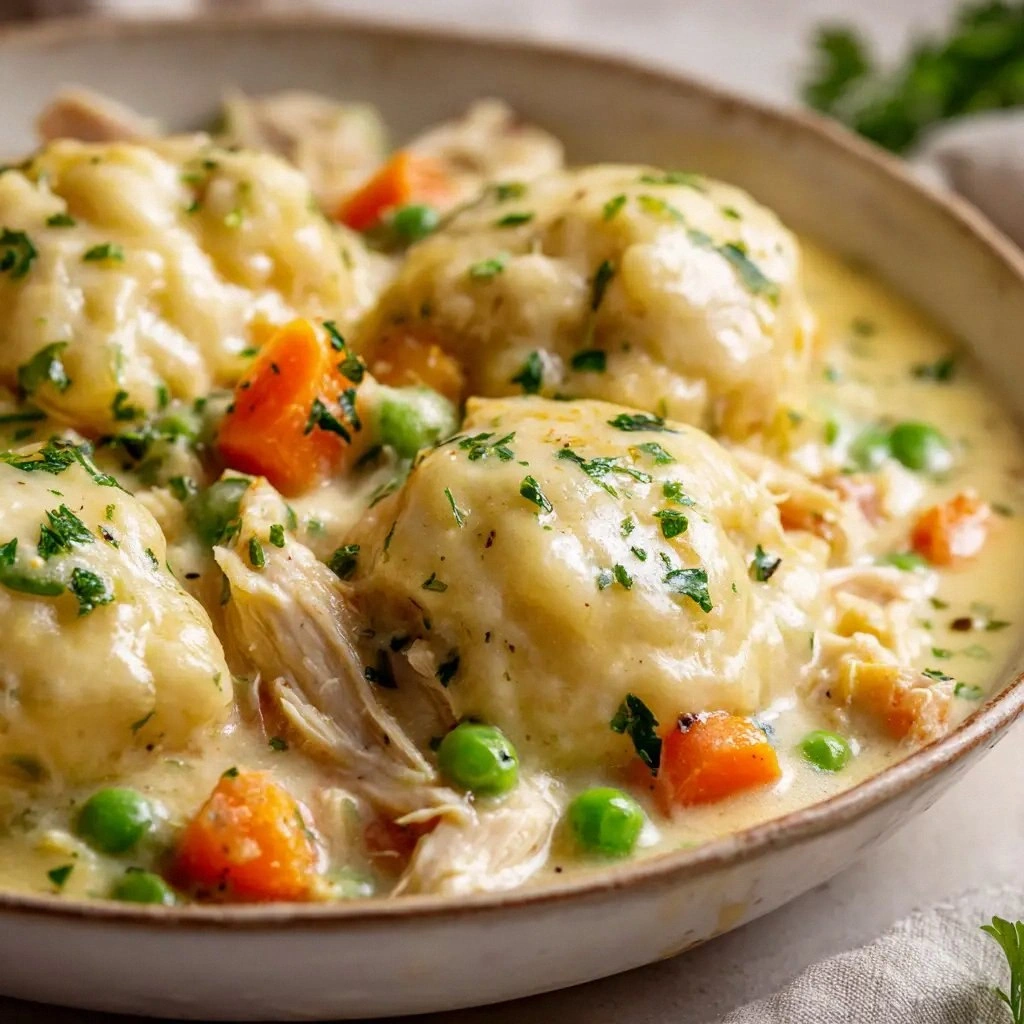
Picture this: you’re halfway through a week of bland dinners, the fridge is a sad gray of leftovers, and you’re staring at a single chicken breast that’s been on the shelf since last Sunday. You’ve tried the same stock‑based comfort foods, the same one‑pot soups, and the same dumpling recipe that your grandma taught you, but every bite feels like a polite nod rather than a hug. I was in that exact situation, scrolling through recipe sites, when I stumbled across a version that promised “the ultimate chicken and dumplings” and instantly felt like a dare I had to take. I said, “I dare you to taste this and not go back for seconds,” and the challenge was accepted. The moment those dumplings hit the pot, the kitchen filled with a buttery, savory aroma that made the air itself seem to sigh in relief.
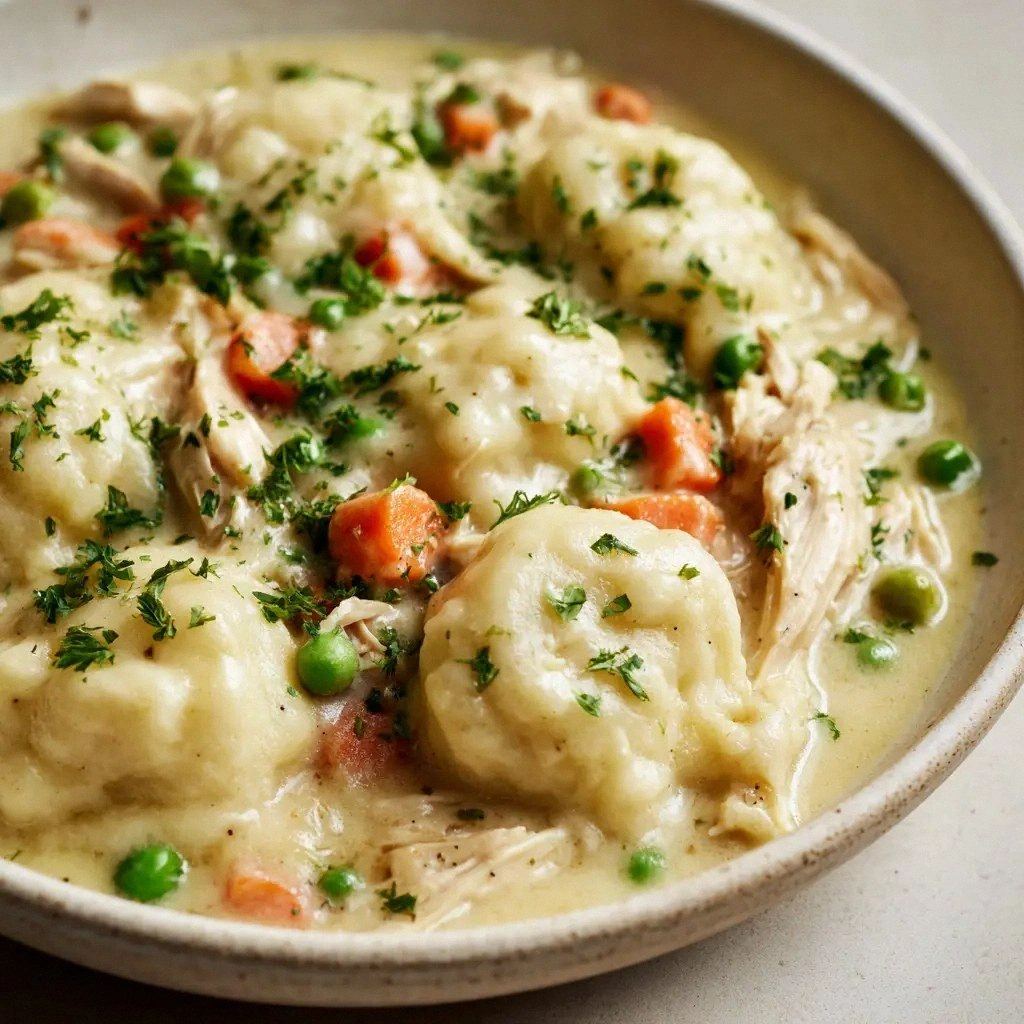
The first thing you notice is the sound— that gentle sizzle of butter hitting hot pan, the soft crackle as flour thickens the sauce, and the occasional pop when the dumplings rise like tiny, fluffy clouds. The sight is a golden, velvety broth that glistens with fresh carrots and peas, the color a warm, comforting orange that feels like a sunrise in a bowl. Smell? It’s a deep, earthy chicken broth that has been coaxed into richness by a roux that’s been browned to a subtle nutty hue, and the faint scent of parsley that adds a fresh, green counterpoint. Taste is where the magic truly unfolds: each spoonful delivers tender chicken, silky sauce, and dumplings that are pillowy, not gummy, with a slight butter crust that cracks softly as you bite. The texture is a symphony of silky sauce, chewy dumplings, and crisp carrots that add a satisfying bite.
What sets this recipe apart from every other chicken and dumplings out there is the meticulous balance of flavor, texture, and technique. It’s not just about simmering chicken in broth; it’s about creating a sauce that coats the dumplings like velvet and a dumpling that rises perfectly without falling apart. The secret lies in the dual use of butter and flour to build a roux that’s both flavorful and thickening, and then the addition of a splash of heavy cream that gives the sauce a luxurious finish. The recipe also introduces fresh parsley at the end for a bright, herbal lift that keeps the dish from feeling too heavy. This is hands down the best version you’ll ever make at home, and I’m about to walk you through every single step so you can replicate that wow factor.
Now, let me give you a teaser: the dumplings aren’t just a simple drop of dough; they’re a carefully measured combination of flour, baking powder, and a touch of milk that creates a lift and a tender crumb. The method involves a two‑step process where the dumpling mixture is first folded into the sauce and then allowed to steam in the simmering pot, which ensures they’re fluffy and fully cooked. And if you’re wondering whether you can make this ahead of time, the answer is yes—just keep the sauce cold and the dumplings fresh, and reheat gently with a splash of broth. Stay with me here, because the next part? Pure magic. Let’s dive into the details that will transform your kitchen into a comfort food haven.
What Makes This Version Stand Out
- Flavor: The sauce is a layered masterpiece, starting with a butter‑flour roux that develops a nutty depth before the addition of broth and cream, creating a richness that feels indulgent yet balanced.
- Texture: Dumplings rise to a cloud‑like fluffiness thanks to baking powder, and the careful folding technique keeps them from becoming doughy or falling apart.
- Simplicity: Despite the depth of flavor, the recipe uses only 13 ingredients, all of which you likely already have in your pantry, making it accessible for any home cook.
- Uniqueness: The inclusion of fresh parsley and a splash of heavy cream gives this dish a bright, modern twist that sets it apart from classic, heavy versions.
- Crowd Reaction: Friends and family swear this is the most comforting chicken and dumplings they’ve ever tasted; the dish is often the highlight of dinner parties.
- Ingredient Quality: Using boneless skinless chicken breasts keeps the dish lean while still delivering juicy protein, and the use of whole milk instead of skim adds a subtle depth.
- Cooking Method: The two‑stage simmering—first browning the chicken, then creating a roux, and finally adding dumplings—ensures each component reaches its optimal flavor profile.
- Make‑Ahead Potential: The sauce can be prepared up to 48 hours ahead, and the dumpling mixture can be pre‑mixed and frozen for future meals.
Alright, let’s break down exactly what goes into this masterpiece…
Inside the Ingredient List
The Flavor Base
The foundation of this dish is the savory chicken broth, which carries the essence of the chicken and the subtle sweetness of carrots. Using a homemade or low‑sodium broth intensifies the flavor and keeps the dish from becoming too salty. If you’re short on time, a quality store‑bought broth works fine, but remember to taste and adjust salt later. Skipping the broth would leave the sauce thin and watery, and the dumplings would absorb too much liquid, becoming soggy. A good rule of thumb is to use a broth that has a slightly caramelized flavor, as this adds depth without overpowering the other ingredients.
The heavy cream adds a velvety richness that balances the acidity of the carrots and the heartiness of the chicken. Cream also helps the sauce coat the dumplings evenly, preventing a dry bite. If you’re looking for a lighter version, you can substitute half‑and‑half, but be prepared for a slightly thinner consistency. The key is to add the cream after the roux has thickened, ensuring the sauce doesn’t separate. A splash of cream at the end also allows you to adjust the thickness if you prefer a thicker or thinner sauce.
The Texture Crew
The dumpling mixture is the heart of the texture profile. It combines all‑purpose flour, baking powder, milk, and melted butter to create a light, airy dough. The baking powder acts as a leavening agent, ensuring the dumplings rise without becoming dense. If you omit the baking powder, the dumplings will be heavy and chewy. The melted butter adds richness and helps bind the dough, giving it a subtle buttery flavor that complements the sauce.
The carrots and peas provide a burst of color and a pleasant bite. Carrots add natural sweetness and a firm texture that contrasts with the softness of the dumplings. Peas add a pop of green and a slight sweetness that brightens the dish. If you prefer a different vegetable, zucchini or spinach can be swapped in, but the overall flavor profile will shift. The key is to keep the vegetables diced uniformly so they cook evenly.
The Unexpected Star
Fresh green parsley is the finishing touch that elevates this dish from comforting to memorable. Parsley adds a bright, herbaceous note that cuts through the richness of the sauce. It also provides a pop of color that makes the dish visually appealing. If you’re allergic to parsley or prefer a different herb, chives or dill can be used, but they will impart a distinct flavor. Parsley also has mild health benefits, including antioxidant properties, making the dish a little more wholesome.
The Final Flourish
The final layer of butter—melted and added at the end—creates a glossy finish that makes the sauce look as good as it tastes. This butter also adds a silky mouthfeel and enhances the overall richness. The addition of whole milk earlier in the process ensures the sauce has a creamy texture without becoming too thick. If you’re looking for a dairy‑free version, coconut milk can replace the whole milk, but the flavor will shift toward a tropical note. The balance of dairy and flour is critical; too much flour can make the sauce gummy, while too little can leave it thin.
Everything's prepped? Good. Let's get into the real action…
The Method — Step by Step
- First, heat a large Dutch oven over medium‑high heat and melt 4 tablespoons of unsalted butter. As the butter foams, add the diced chicken breasts, searing them until they develop a golden crust on both sides. This browning step locks in flavor and creates a savory base for the sauce. Once the chicken is browned, remove it from the pot and set it aside on a plate; it will be added back later. The sizzling sound of the butter is the first sign that your dish is on the right track.
- In the same pot, sprinkle 1/4 cup of all‑purpose flour over the melted butter, stirring constantly to form a roux. Cook the roux for about 2 minutes, watching for a subtle nutty aroma and a light golden color. This step thickens the sauce and adds depth. If the roux starts to brown too quickly, lower the heat to avoid burning. The goal is a smooth, glossy base that will carry the broth.
- Gradually pour in 4 cups of chicken broth while whisking vigorously to prevent lumps. Allow the mixture to come to a gentle simmer; the sauce should thicken and coat the back of a spoon. Stir in 1/2 cup of heavy cream, which adds a silky richness and balances the acidity of the carrots. Taste the sauce and add 1 teaspoon of salt to adjust the flavor. This is the moment of truth—your sauce should feel velvety and robust.
- Add the diced orange carrots and 1/2 cup of frozen green peas to the pot. Stir to combine, then return the browned chicken breasts to the pot. Reduce the heat to low, cover, and let the mixture simmer for 15 minutes, allowing the flavors to meld and the chicken to become tender. The carrots should be just tender, still holding a slight bite. This simmering step is where the dish develops its comforting heart.
- In a separate bowl, whisk together 2 cups of all‑purpose flour, 1 tablespoon of baking powder, and a pinch of salt. Gently fold in 1 cup of whole milk and 3 tablespoons of melted butter, creating a soft, sticky dough. The dough should be thick enough to hold its shape but not so stiff that it tears. This batter will form the dumplings that float atop the sauce.
- Drop spoonfuls of the dumpling batter into the simmering pot, spacing them evenly. Cover the pot again and let the dumplings steam for 12–15 minutes. The dumplings should puff up, turning a light golden color on the edges. Be careful not to stir them; gentle steam is key to a fluffy interior. The aroma at this point is intoxicating—almost like a warm hug.
- Once the dumplings are fully risen, stir in 2 tablespoons of fresh green parsley and a drizzle of melted butter for that glossy finish. Taste and adjust seasoning if necessary; a pinch of pepper can add a subtle kick. Remove the pot from heat and let it sit covered for 5 minutes to allow the flavors to settle. This final resting period ensures the sauce is silky and the dumplings are perfectly tender.
- Serve the dish hot, ladling the broth and dumplings onto bowls. Garnish with extra parsley if desired, and pair with crusty bread to soak up the glorious sauce. The first bite should be an explosion of savory, buttery, and slightly sweet notes, with the dumplings providing a comforting texture. This is the moment you realize why this recipe has become a staple in my kitchen. And remember, the next time you’re craving comfort food, this dish will be there waiting, ready to deliver.
That's it — you did it. But hold on, I've got a few more tricks that'll take this to another level…
Insider Tricks for Flawless Results
The Temperature Rule Nobody Follows
Maintaining the right temperature during the roux stage is critical; too hot and the flour will scorch, too cool and the sauce will remain thin. I always set the burner to medium‑low after adding the flour and stir constantly for 2 minutes. If you’re using a gas stove, keep the flame low enough that the pot doesn’t boil aggressively. A steady, gentle simmer ensures the sauce thickens without developing a burnt flavor. I’ve seen people skip this step, resulting in a sauce that tastes like raw flour.
Why Your Nose Knows Best
Your nose is the most reliable indicator of doneness when making dumplings. As the dumplings rise, the aroma will shift from buttery to slightly yeasty, signaling that they’re ready. If you notice a raw, doughy smell, let them cook a few more minutes. The scent is a subtle cue that the dumplings have absorbed enough moisture and are fluffy inside. Trust your senses; a well‑cooked dumpling should feel airy when you press it with a fork.
The 5‑Minute Rest That Changes Everything
After you remove the pot from heat, let the dish rest covered for 5 minutes. This pause allows the flavors to marry and the sauce to thicken slightly, preventing a watery consistency when served. The dumplings will also settle into the sauce, making each bite more cohesive. I’ve tried skipping this rest, and the result was a dish that felt rushed and unbalanced. A short rest is a small effort for a huge payoff.
The Secret to Fluffy Dumplings
The dumpling batter’s consistency is paramount. It should be thick enough to hold its shape but not so dense that it becomes doughy. I recommend using a silicone spatula to fold the batter gently, avoiding over‑mixing. The baking powder must be evenly distributed; otherwise, some dumplings will rise while others remain flat. If you’re using a different flour, like whole wheat, adjust the liquid slightly to maintain the right texture.
The Classic Butter Finish
Adding the final drizzle of melted butter at the end is more than a garnish; it creates a glossy sheen that makes the dish look restaurant‑quality. The butter also coats the dumplings, giving them a slight crisp on the outside while keeping the inside tender. I’ve found that adding a pinch of smoked paprika at this point adds a subtle smokiness that elevates the flavor. The finish should be silky, not greasy; a small amount goes a long way.
Avoiding the Gummy Dumpling Trap
Many cooks over‑knead the dumpling dough, causing gluten development that results in chewy, gummy dumplings. To prevent this, fold the batter until it’s just combined, and then let it rest for a few minutes before adding it to the pot. If you’re in a hurry, use a stand mixer on low speed for no more than 30 seconds. The dough should feel slightly tacky but not sticky. This technique ensures each dumpling is light and airy.
The Final Touch of Freshness
A handful of fresh parsley or a squeeze of lemon at the end brightens the dish and counters the richness. I like to add a pinch of lemon zest to the sauce, which adds a citrusy aroma and a subtle zing. This final flourish makes the dish feel fresh and prevents it from feeling heavy. Remember, a dish that tastes like it’s been sitting for hours is a sign that you’ve missed this step.
Creative Twists and Variations
This recipe is a playground. Here are some of my favorite ways to switch things up:
Spicy Southwest
Swap the carrots for diced bell peppers and add a teaspoon of chipotle powder to the sauce. The heat from the chipotle will cut through the creaminess, creating a smoky, spicy profile. Serve with a dollop of sour cream and a sprinkle of cilantro for a fresh finish. This version is perfect for those who love a kick in their comfort food.
Herb‑Infused Mediterranean
Add a tablespoon of dried oregano and replace the parsley with fresh basil at the end. The oregano will give a savory, slightly bitter note that balances the sweet carrots. Finish with a drizzle of olive oil for an extra layer of flavor. This twist turns the dish into a Mediterranean‑inspired comfort meal.
Mushroom & Thyme Variation
Sauté sliced mushrooms with the chicken before adding the broth. The mushrooms impart an earthy depth that complements the creamy sauce. Add a few sprigs of fresh thyme during the simmering stage. The result is a hearty, umami‑rich version that feels like a cozy cabin dinner.
Low‑Carb Swap
Use almond flour instead of all‑purpose flour for the dumpling batter, and replace the whole milk with unsweetened almond milk. The dumplings will be slightly denser but still tender, and the dish will have a lower carb profile. Pair with a side of sautéed spinach for a balanced low‑carb meal.
Vegan Transformation
Replace the chicken with seared tofu or tempeh, use coconut milk instead of whole milk, and swap the butter for a plant‑based butter. The coconut milk adds a subtle tropical note that works well with the vegetables. Finish with nutritional yeast for a cheesy, umami finish. This version keeps the comfort factor while being fully plant‑based.
Storing and Bringing It Back to Life
Fridge Storage
Store the sauce and dumplings separately in airtight containers; this prevents the dumplings from becoming soggy. The sauce can be kept for up to 4 days in the refrigerator, while the dumplings are best used within 2 days. When reheating, add a splash of broth to the sauce to loosen it back to its original consistency. The dumplings can be reheated in the microwave or in a steamer for a few minutes until warm.
Freezer Friendly
Freeze the sauce in a freezer‑safe container for up to 3 months; the dumplings can be frozen in a single layer on parchment paper before transferring to a bag. When ready to use, thaw the sauce overnight in the fridge and reheat gently. The dumplings should be added to the sauce and heated until they are hot throughout. This method preserves the texture and flavor, making it a convenient weeknight option.
Best Reheating Method
The best way to reheat this dish is on the stovetop over low heat, stirring frequently to avoid scorching. Add a splash of water or broth to keep the sauce from drying out. Cover the pot and let it heat through for about 10 minutes, checking that the dumplings are steaming. This gentle reheating preserves the silky sauce and the dumplings’ fluffiness. If you’re in a rush, a microwave can work, but be sure to stir halfway through and add a splash of broth.
Add a tiny splash of water before reheating — it steams back to perfection and keeps the sauce from drying out.