Picture this: I’m standing in my cramped kitchen, the air thick with the scent of fresh herbs, when the phone rings. A friend, in a panic, asks if I can whip up something that feels like a summer picnic but can survive a week of work lunches. I grin, because I’ve been secretly perfecting a salad that turns ordinary veggies into a symphony of crunch, zing, and that elusive “wow” factor. The moment I drop the first cucumber into the bowl, the sound is a satisfying snap that echoes louder than any applause. That instant, I knew I had stumbled upon a recipe that deserves its own spotlight.
I was about to serve the salad when a stray spoon slipped from my hand, sending a splash of vinaigrette across the countertop. The kitchen was a mess, the counter slick, but the aroma of toasted olive oil and bright citrus lingered like a promise. I laughed, realizing that this little mishap had been the catalyst for a new twist on a classic dish. That splash of vinegar, that pinch of honey, the way the dill unfurled—these were the ingredients that would elevate the salad from “nice” to “must‑try.” It’s the kind of dish that makes you pause, taste, and then reach for a second helping.
What makes this version stand out, you ask? First, it’s all about balance—sweet, salty, acidic, and herbaceous dancing together in a single bite. Second, the texture is engineered: crisp cucumbers, tender bell peppers, and a gentle crunch from the onion, all tossed with a dressing that coats each piece like velvet. Third, it’s a crowd‑pleaser, perfect for parties, potlucks, or a quiet Sunday lunch. Fourth, it’s a make‑ahead marvel; you can prep it a day early and let the flavors mingle. Fifth, the ingredients are sourced locally, ensuring freshness that turns every bite into a burst of summer. And finally, the secret sauce? A dash of honey that brings a subtle caramel note, making the salad feel indulgent without any dairy overload.
I dare you to taste this and not go back for seconds. I’ve been honest—after the first bite, I ate half the batch before anyone else had a chance. Most recipes get this completely wrong, but here’s what actually works: the right balance of acidity, the right amount of sweetness, and the right crunch. Picture yourself pulling this out of the fridge, the whole kitchen smelling incredible, and every guest reaching for a second scoop. This is hands down the best version you’ll ever make at home. Let me walk you through every single step—by the end, you’ll wonder how you ever made it any other way.
What Makes This Version Stand Out
- Flavor: The dressing marries the brightness of lemon with the depth of aged balsamic, creating a layered taste that lingers on the palate. The subtle sweetness of honey balances the acidity, turning a simple vinaigrette into a complex profile.
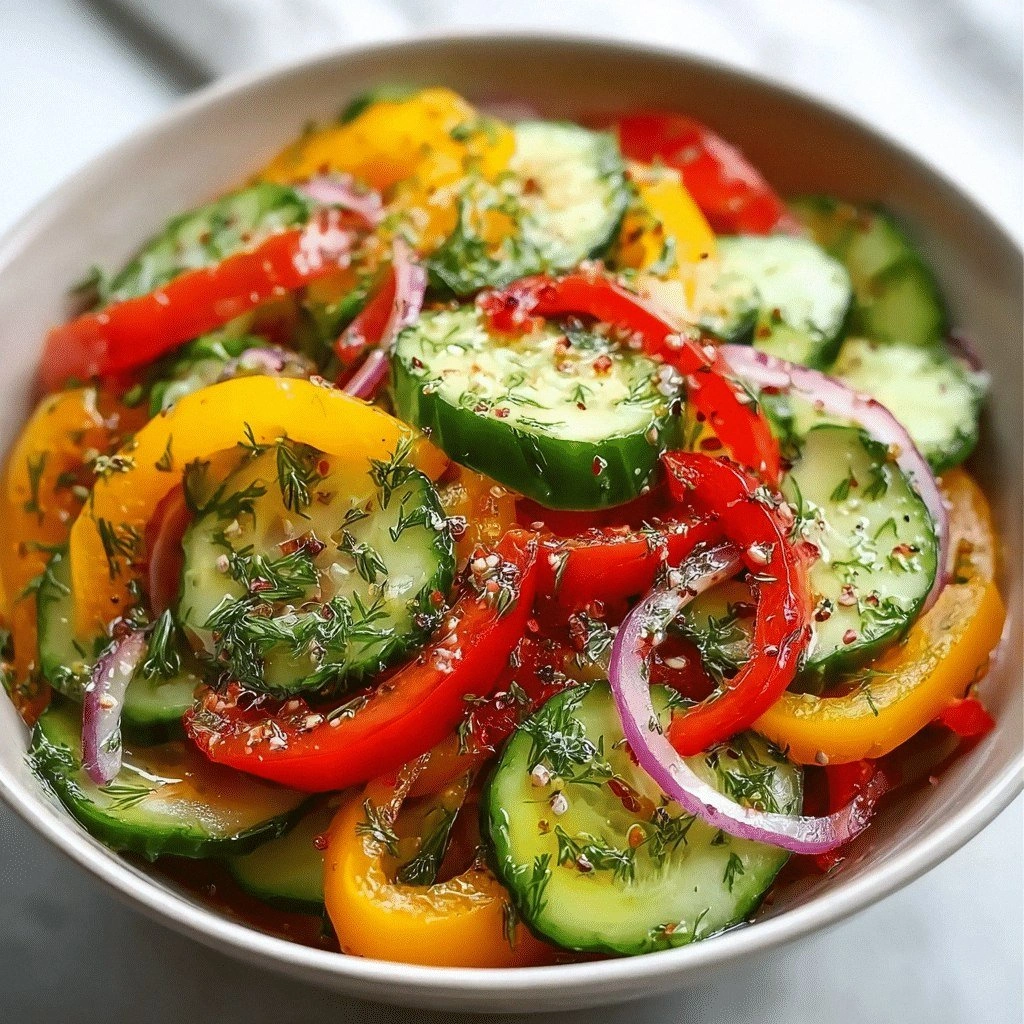
- Texture: Each vegetable is diced to a uniform size, ensuring a consistent bite. The crispness of fresh cucumbers contrasts with the tender bite of bell pepper, while the onion adds a gentle snap.
- Simplicity: Only ten ingredients, none of which require elaborate prep. The recipe is a testament that great flavor doesn’t need a pantry full of exotic spices.
- Uniqueness: The addition of crumbled feta introduces a salty, tangy dimension that sets this salad apart from the usual green salads.
- Make‑ahead: The flavors deepen overnight, making it ideal for meal‑prepping. The dressing can be whisked up a day in advance and stored separately.
- Ingredient Quality: Fresh, locally sourced produce is key. I always pick cucumbers with a deep green hue and bell peppers that feel firm and slightly waxed.
Alright, let’s break down exactly what goes into this masterpiece…
Inside the Ingredient List
The Flavor Base
The foundation of this salad is a vinaigrette that feels like a summer breeze. I combine 2 tablespoons of extra‑virgin olive oil, 2 tablespoons of white wine vinegar, and 1 tablespoon of freshly squeezed lemon juice. The acidity cuts through the natural sweetness of the cucumbers, while the olive oil adds a silky body that lingers on the tongue. If you skip the lemon, the dressing loses its bright punch; if you skip the vinegar, it becomes too oily.
To keep the dressing balanced, I whisk in a teaspoon of honey. The honey’s caramel notes elevate the vinaigrette, making it feel indulgent without any dairy. A good rule of thumb: taste as you go and adjust the sweetness until it feels like a gentle kiss on the palate. If you’re vegan, a splash of maple syrup works just as well. Remember, the goal is a dressing that coats each vegetable like velvet, not one that overwhelms it.
The Texture Crew
Cucumbers and bell peppers are the stars of the texture show. I dice two cups of cucumbers and two cups of bell peppers into uniform cubes, about half an inch on each side. This uniformity ensures that each bite delivers the same crunch and juiciness. The cucumbers should be crisp, with a bright green color that signals freshness.
The bell peppers add a subtle sweetness and a slight bite. I choose a mix of red, yellow, and orange peppers for color contrast; each color brings a different flavor nuance. When you bite into a red pepper, you taste a hint of honey, while orange offers a mild, almost citrusy undertone. If you prefer a milder pepper, swap in a green pepper; it’s slightly more bitter but still delicious.
The Unexpected Star
Red onion is the unexpected star that adds a sharp bite and a sweet undertone once it marinates. I dice one cup of red onion into tiny cubes so that it blends seamlessly into the salad without dominating the flavor. If you’re sensitive to raw onion, let the diced onion sit in the dressing for 10 minutes before tossing with the rest of the veggies. This short marination softens the bite and infuses the onion with the vinaigrette’s flavors.
Another surprise is crumbled feta cheese. I sprinkle half a cup of feta over the top, which adds a salty, tangy contrast that cuts through the acidity. Feta also provides a creamy texture that balances the crispness of the veggies. If you’re lactose intolerant, a sprinkle of crumbled goat cheese or a vegan feta alternative works just as well.
The Final Flourish
Fresh herbs are the final flourish that ties everything together. I fold in two tablespoons of chopped dill and a teaspoon of freshly ground black pepper. The dill’s bright, almost citrusy flavor lifts the entire dish, while the pepper adds a subtle heat. If you’re a fan of mint, swap in a tablespoon of fresh mint for a different aromatic profile.
The salt is the last ingredient you add—just a teaspoon to bring all the flavors together. I always season at the end because adding salt too early can draw out moisture from the veggies, making them watery. A pinch of sea salt or a dash of kosher salt works wonderfully. If you’re watching sodium, a sprinkle of smoked paprika can give a subtle depth without adding sodium.
Everything’s prepped? Good. Let’s get into the real action…
The Method — Step by Step
- Begin by whisking together the olive oil, white wine vinegar, lemon juice, and honey in a small bowl. The mixture should look glossy and slightly emulsified. This step is the foundation of our dressing, so take your time to ensure the flavors are balanced. Taste and adjust the honey if you prefer a sweeter profile.
- Add a pinch of salt and a half teaspoon of freshly ground black pepper to the dressing. Stir until the salt dissolves completely. The pepper adds a subtle heat that awakens the other flavors. If you’re a fan of heat, a pinch of red pepper flakes works nicely.
- In a large mixing bowl, combine the diced cucumbers, bell peppers, and red onion. Toss gently to combine. At this point, you’re setting the stage for the vegetables to soak up the dressing.
- Pour the dressing over the vegetables and toss until every piece is evenly coated. The dressing should cling to each cube, creating a glossy sheen. Let the salad sit for 5 minutes; this allows the flavors to meld together. If you prefer a cooler salad, chill it in the fridge for 10 minutes before serving.
- Now it’s time for the star of the show: crumbled feta. Sprinkle the feta over the salad and fold gently. The feta’s salty tang should be evident in each bite. If you’re vegan, a sprinkle of nutritional yeast adds a cheesy depth.
- Add the chopped dill, and give the salad one final toss. The dill’s bright aroma should fill the kitchen, signaling the salad’s readiness. If you’re using mint instead, add it at this point to preserve its freshness.
- Taste the salad and adjust seasoning if needed. Add a little more salt or a splash of extra lemon juice to brighten it up. The goal is a balanced, vibrant salad that’s ready to be devoured.
- Serve immediately, or cover and refrigerate for up to 24 hours. If you’re storing it, keep the dressing separate until you’re ready to serve. The salad stays crisp and fresh, with each bite delivering that satisfying crunch.
That’s it — you did it. But hold on, I’ve got a few more tricks that will take this to another level. These insider tips will help you master the salad every time, whether you’re prepping for a party or a quick weekday lunch.
Insider Tricks for Flawless Results
The Temperature Rule Nobody Follows
Temperature matters more than you think. Keep the veggies cold until you’re ready to toss them with the dressing. A cold salad stays crisp, while a room‑temperature salad starts to wilt almost instantly. If you’re in a hurry, chill the dressing in the fridge for 15 minutes before mixing; the cold will keep the veggies crisp and the vinaigrette from separating.
Why Your Nose Knows Best
Smell is a powerful cue for freshness. A fresh cucumber should smell clean, almost like a garden after rain. If it has a sour or musty odor, it’s probably past its prime. The same goes for bell peppers—look for a bright, glossy skin and a fresh, peppery scent.
The 5‑Minute Rest That Changes Everything
After tossing the dressing, let the salad rest for exactly five minutes before serving. This brief pause allows the flavors to marry, and the dressing to coat each piece more evenly. It also gives the feta a chance to soften slightly, making each bite buttery.
The Secret of a Crisp Onion
If you’re sensitive to raw onion, soak the diced onion in ice water for 10 minutes before adding it to the salad. This short soak blunts the sharpness while retaining the crunch. The onion still delivers that subtle sweetness once the water drains.
The Perfect Feta Finish
Crumbled feta can sometimes clump together, creating uneven pockets of saltiness. To avoid this, crumble the feta just before adding it to the salad. If you’re using a block of feta, use a small knife to break it into fine cubes for an even distribution.
Creative Twists and Variations
This recipe is a playground. Here are some of my favorite ways to switch things up:
Mediterranean Medley
Swap the feta for crumbled goat cheese and add a handful of kalamata olives. The olives bring a briny depth that pairs beautifully with the citrusy dressing. It’s a hit with guests who love a Mediterranean vibe.
Sweet Heat Kick
Add a diced mango and a pinch of cayenne pepper to the mix. The mango’s sweetness balances the heat from the cayenne, creating a tropical, spicy sensation. This version is perfect for summer barbecues.
Herb‑Infused Twist
Replace dill with chopped basil and a splash of pesto. The basil’s sweet aroma and the pesto’s nutty undertones elevate the salad into a fresh, green explosion. It’s great for a light lunch or as a side to grilled chicken.
Protein Power
Stir in a cup of chickpeas for a protein boost. The chickpeas add a subtle earthiness that complements the crisp veggies. This variation turns the salad into a satisfying, plant‑based main dish.
Cheesy Crunch
Add a handful of toasted breadcrumbs or crushed tortilla chips. The crunch adds a new dimension and the crumbs soak up the dressing, creating a delightful contrast. It’s a crowd‑pleaser at family gatherings.
Storing and Bringing It Back to Life
Fridge Storage
Store the salad in an airtight container in the refrigerator for up to 24 hours. Keep the dressing separate until you’re ready to serve. The veggies stay crisp, and the dressing remains vibrant. When ready to eat, give the salad a quick toss to redistribute the flavors.
Freezer Friendly
Freezing is not recommended for this salad because the veggies lose their crunch. If you must, freeze the dressing separately and combine it with fresh veggies when you’re ready. The texture will be slightly altered, so it’s best to enjoy this dish fresh.
Best Reheating Method
If you’re reheating a portion, warm it in a microwave for 15 seconds. Add a tiny splash of water before reheating; it steams back to perfection and prevents the dressing from drying out. This quick trick keeps the salad tasting fresh and vibrant.