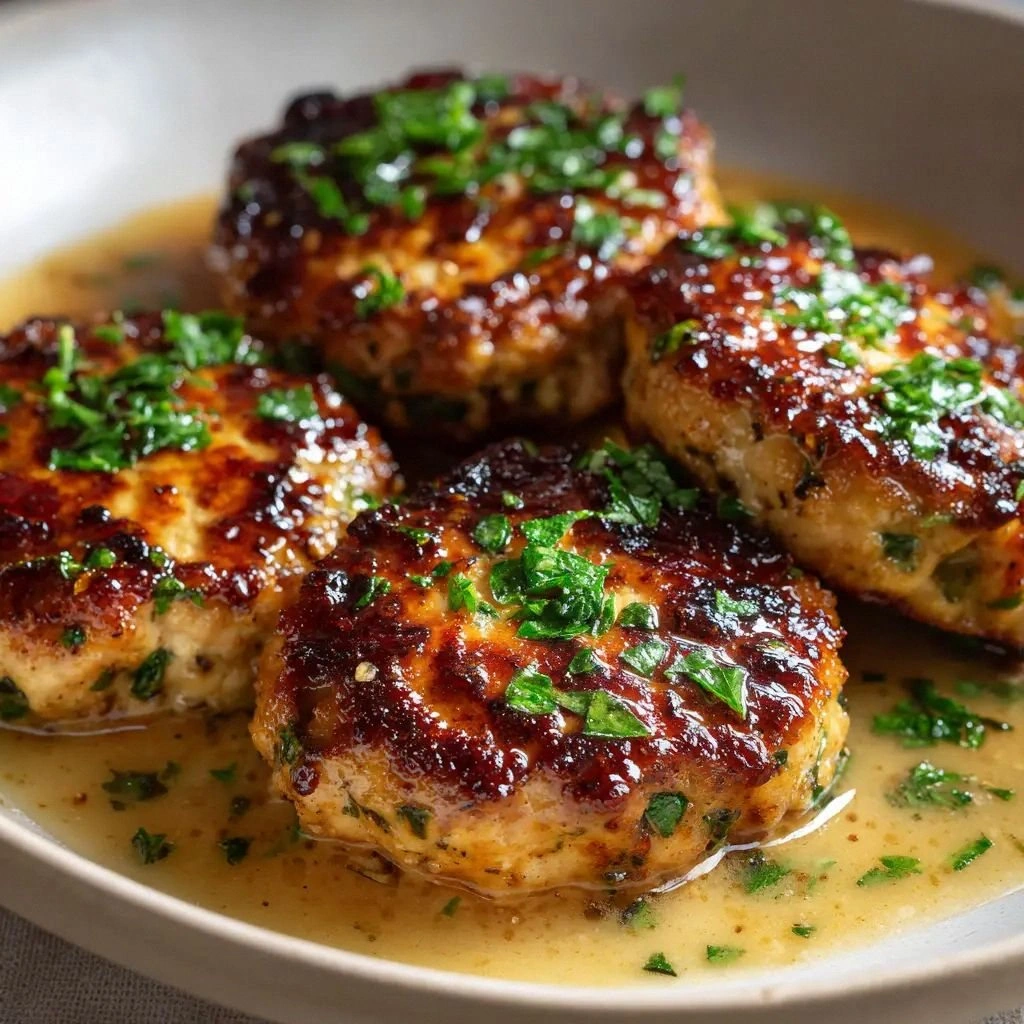
Picture this: it’s a rainy Saturday evening, you’ve just pulled a soggy, bland chicken loaf from the oven, and the kitchen smells like disappointment. I was staring at that limp mess, wondering how any chicken meatloaf could be anything other than a sad, dry slab. That night, I decided to flip the script, to turn that ordinary comfort food into something that sings. And so I embarked on a mission to craft the ultimate garlic parmesan chicken meatloaf, a loaf so moist, so flavorful, you’ll be tempted to taste it before you even cut it.
The moment the first bite hit your tongue, you’ll feel a burst of garlic that’s both sharp and sweet, wrapped in a golden Parmesan crust that crackles like fresh toast. The inside stays tender, like a cloud of shredded chicken that melts, with a subtle umami kick from the Worcestershire sauce. The aroma that fills the room—rich, buttery, with a hint of sweet brown sugar—has the power to pull everyone in, even those who usually avoid the kitchen. I dare you to taste this and not go back for seconds; it’s that good.
What makes this loaf a game changer is the precise balance of wet and dry, the strategic layering of flavors, and the use of panko breadcrumbs that keep the texture airy without sacrificing structure. I’ve spent hours tweaking the seasoning ratios, and I’m confident that this version is hands down the best you’ll ever make at home. The secret sauce—half ketchup, half brown sugar, a splash of Worcestershire—creates a glaze that caramelizes beautifully, giving the loaf a glossy, appetizing finish. If you’ve ever struggled with a dry chicken loaf, you’re not alone—this is the fix you’ve been waiting for.
Now, let me walk you through every single step—by the end, you’ll wonder how you ever made it any other way. The technique is simple, the ingredients are accessible, and the result is a loaf that will become the centerpiece of your dinner table. So grab your apron, preheat that oven, and let’s get started.
What Makes This Version Stand Out
- Flavor: The combination of garlic powder, onion powder, and dried parsley creates a savory base that cuts through the mildness of ground chicken, delivering depth without overpowering.
- Texture: Panko breadcrumbs absorb moisture but keep the loaf light, preventing it from becoming dense or crumbly.
- Moisture: The 1/3 cup of milk and 1 large egg bind everything together, ensuring a juicy interior that stays tender even after baking.
- Glaze: The ketchup and brown sugar mix caramelizes into a glossy, slightly sweet coating that locks in moisture.
- Convenience: No separate sauce or complex steps—everything is combined in the loaf, making prep time minimal.
- Versatility: Swap ground chicken for turkey or ground beef, and the loaf still shines.
- Make‑ahead: Assemble the loaf and refrigerate for up to 24 hours before baking; the flavors deepen wonderfully.
- Kid‑friendly: The mild, familiar flavors make it a hit with even the pickiest eaters.
Inside the Ingredient List
The Flavor Base
Ground chicken is the star of this loaf, providing a neutral canvas that absorbs every seasoning. It’s lean, so adding moisture through milk and egg is essential to keep it from drying out. If you’re craving a richer profile, consider substituting half the chicken with ground turkey; the extra fat will enhance the savory bite. When selecting chicken, look for a fresh, lightly seasoned pack—avoid pre-seasoned varieties that could skew the flavor balance.
The Texture Crew
Panko breadcrumbs are the unsung heroes that keep the loaf airy. Their coarse texture prevents the mixture from becoming gummy, and they absorb excess moisture without becoming soggy. If you’re gluten‑free, opt for a certified gluten‑free panko; just make sure it’s still finely textured. For an extra crunch, you can lightly toast the breadcrumbs before adding them to the mix.
The Unexpected Star
Grated Parmesan cheese is more than a garnish; it adds umami and a subtle nutty flavor that elevates the loaf. The cheese also forms a crisp, golden crust when baked, creating a satisfying contrast to the tender interior. To keep the flavor bright, use freshly grated Parmesan rather than pre-grated, as the latter can contain anti‑caking agents that alter the taste.
The Final Flourish
The glaze—half ketchup, half brown sugar, and a splash of Worcestershire sauce—acts as a caramelizing finish that locks in moisture and delivers a sweet‑savory bite. The ketchup’s acidity balances the sugar, while Worcestershire adds a complex, slightly briny note that deepens the overall flavor. If you prefer a tangier glaze, swap the ketchup for a light tomato sauce or add a splash of balsamic vinegar.
Everything’s prepped? Good. Let’s get into the real action.
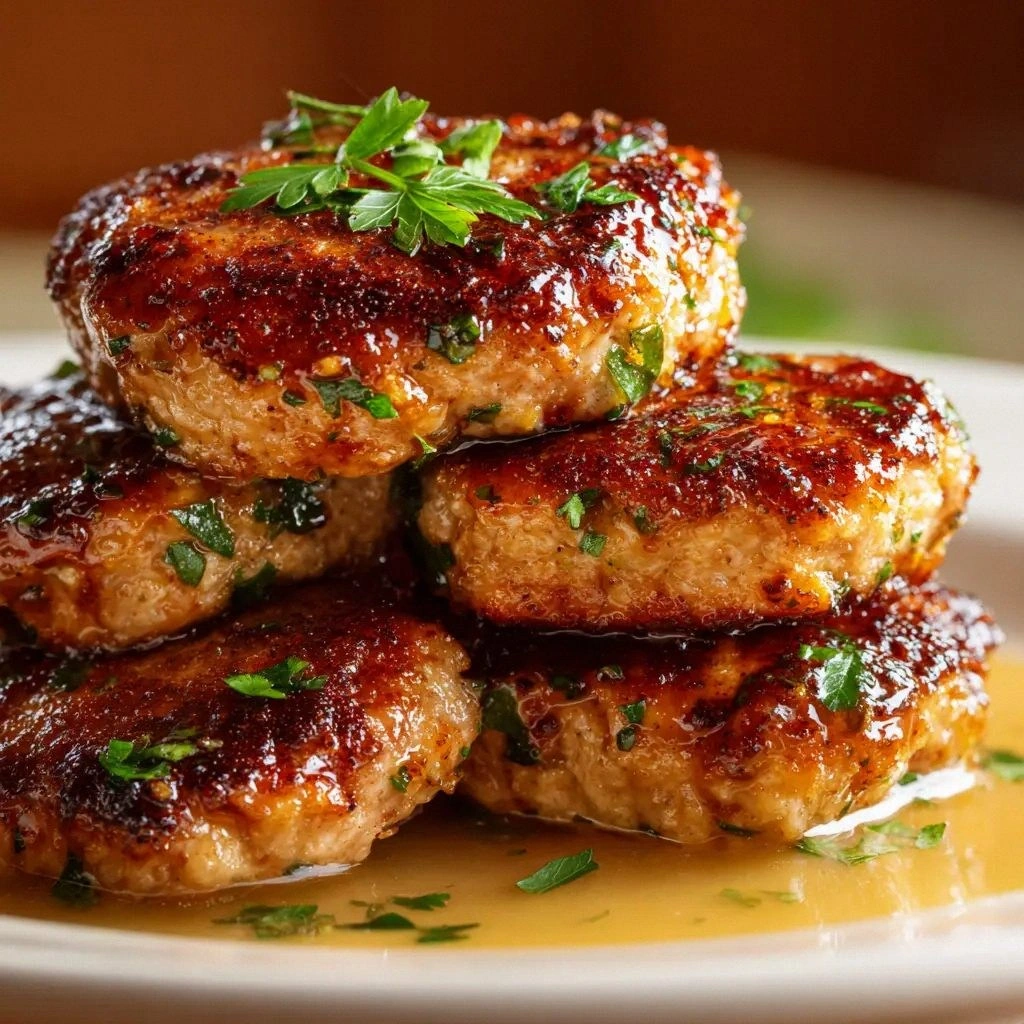
The Method — Step by Step
- Preheat your oven to 375°F (190°C). Line a 9x5-inch loaf pan with parchment paper, leaving a little overhang on each side for easy removal. This step ensures a perfectly even bake and makes cleanup a breeze. If you’re in a hurry, you can skip the parchment, but the loaf will cling a bit more.
- In a large mixing bowl, combine the ground chicken, panko breadcrumbs, grated Parmesan, milk, and egg. Use your hands or a wooden spoon to mix until the ingredients are just combined—overmixing can lead to a tough loaf. The mixture should feel moist but not wet; if it feels dry, add a splash of milk.
- Add the garlic powder, onion powder, dried parsley, salt, and black pepper. Stir until the spices are evenly distributed, creating a uniform flavor profile. The spices should be fragrant, indicating that the mixture is ready for the next step.
- Transfer the meat mixture to the prepared loaf pan and press it firmly into shape. Use a spatula or the back of a spoon to smooth the top, ensuring a clean surface for the glaze to adhere. A well‑compressed loaf will hold together better during baking.
- In a small bowl, whisk together the ketchup, brown sugar, and Worcestershire sauce until the sugar dissolves. The glaze should be smooth and slightly thick. This mixture will caramelize on the loaf’s surface, giving it that glossy finish.
- Brush the glaze evenly over the top of the loaf, making sure every inch gets a coating. The glaze should form a thin film that will crisp as it bakes. If you prefer a sweeter crust, add an extra teaspoon of brown sugar to the glaze.
- Place the loaf in the preheated oven and bake for 30 minutes. After 15 minutes, flip the loaf over and brush another thin layer of glaze on the exposed side. This step ensures a uniform caramelization on both sides.
- After 30 minutes, check the internal temperature with a meat thermometer; it should read 165°F (74°C). If it’s not quite there, bake for an additional 5 minutes. The loaf should emit a golden brown color and a caramelized aroma.
- Remove the loaf from the oven and let it rest for 10 minutes. This resting period allows the juices to redistribute, preventing a dry center when sliced.
- Slice the loaf into thick, even portions, serve hot, and enjoy the burst of garlic and Parmesan with every bite. Pair it with a crisp green salad or a creamy mashed potato for a complete meal.
That’s it— you did it. But hold on, I’ve got a few more tricks that will take this to another level.
Insider Tricks for Flawless Results
The Temperature Rule Nobody Follows
Many cooks bake at a high heat to get a crispy top, but this can cause the center to remain undercooked. I discovered that baking at a moderate 375°F (190°C) gives a perfectly caramelized crust while ensuring the interior reaches 165°F (74°C) without drying out. Keep a thermometer handy; it’s the most reliable way to guarantee doneness.
Why Your Nose Knows Best
Smell the loaf as it bakes. The first hint that it’s ready is a sweet, caramelized aroma that mingles with the savory garlic. If you notice a burnt smell, pull it out immediately—this means the glaze is overcooking. Trust your nose; it’s a seasoned judge of flavor.
The 5-Minute Rest That Changes Everything
Letting the loaf rest for exactly five minutes after baking allows the juices to settle. Cutting too soon will cause the meat to spill out, leaving a dry center. During this short rest, the glaze sets into a slightly thicker crust that’s easier to slice cleanly.
Use a Loaf Pan with a Lid
If you have a loaf pan that comes with a lid, use it. The lid traps steam, keeping the loaf moist and preventing the top from drying out. Remove the lid during the last five minutes of baking to allow the glaze to caramelize fully.
Add a Splash of Lemon Juice
A tablespoon of fresh lemon juice added to the glaze brightens the flavor and cuts through the richness of the Parmesan. It also adds a subtle tang that balances the sweetness of the brown sugar. I love this tweak—it makes the loaf feel lighter and more refreshing.
Creative Twists and Variations
This recipe is a playground. Here are some of my favorite ways to switch things up:
Spicy Southwest Version
Swap the garlic and onion powders for cumin, chili powder, and smoked paprika. Add a handful of diced jalapeños and a splash of chipotle sauce to the glaze. The result is a smoky, spicy loaf that pairs well with corn tortillas.
Herb Garden Delight
Replace the dried parsley with fresh basil, thyme, and oregano. Use fresh mozzarella instead of Parmesan for a creamier crust. This version is ideal for a Mediterranean-themed dinner.
Cheesy Broccoli Fusion
Fold in a cup of steamed, chopped broccoli and a half cup of shredded cheddar cheese. The broccoli adds texture and a pop of green, while the cheddar gives a sharp, tangy flavor.
Italian Sausage Twist
Replace half the ground chicken with ground Italian sausage. Keep the Parmesan and glaze unchanged. The sausage adds a savory depth that’s reminiscent of classic Italian meatloaf.
Vegan Alternative
Use plant-based ground “chicken” or a mix of lentils and finely chopped mushrooms. Substitute the egg with a flaxseed “egg” and use soy milk. Keep the rest of the ingredients the same; the loaf will still be moist and flavorful.
Storing and Bringing It Back to Life
Fridge Storage
Store leftover slices in an airtight container in the refrigerator for up to 3 days. Wrap the loaf in parchment paper before refrigerating to maintain moisture. When ready to eat, reheat in a 350°F (175°C) oven for 10 minutes or microwave on medium for 1 minute.
Freezer Friendly
Wrap the entire loaf tightly in plastic wrap and then aluminum foil before freezing. It will keep for up to 3 months. Thaw overnight in the refrigerator, then reheat in the oven at 350°F (175°C) for 20 minutes, or microwave on high for 3 minutes.
Best Reheating Method
The key to reheating is adding a splash of water to the bottom of the pan—this creates steam that keeps the loaf moist. Cover the pan with foil to trap heat, and bake at 350°F (175°C) until warmed through. The crust will regain its crispness while the interior stays juicy.