Picture this: I’m standing in a cramped kitchen, the stove roaring, a pot of broth bubbling, and a bag of fresh mushrooms sitting like a silent, unassuming army on the counter. A few minutes later, the pot boils over, splattering the countertop like a rogue volcano, and I’m left with a sticky mess that smells faintly of burnt onions. That chaotic moment was the spark that set me on a mission to craft the ultimate Hungarian Mushroom Soup—a version that turns a kitchen mishap into a culinary triumph. I’m not just talking about a recipe; I’m sharing a revelation that will have you slurping, sighing, and asking for seconds before you even finish the first spoonful.
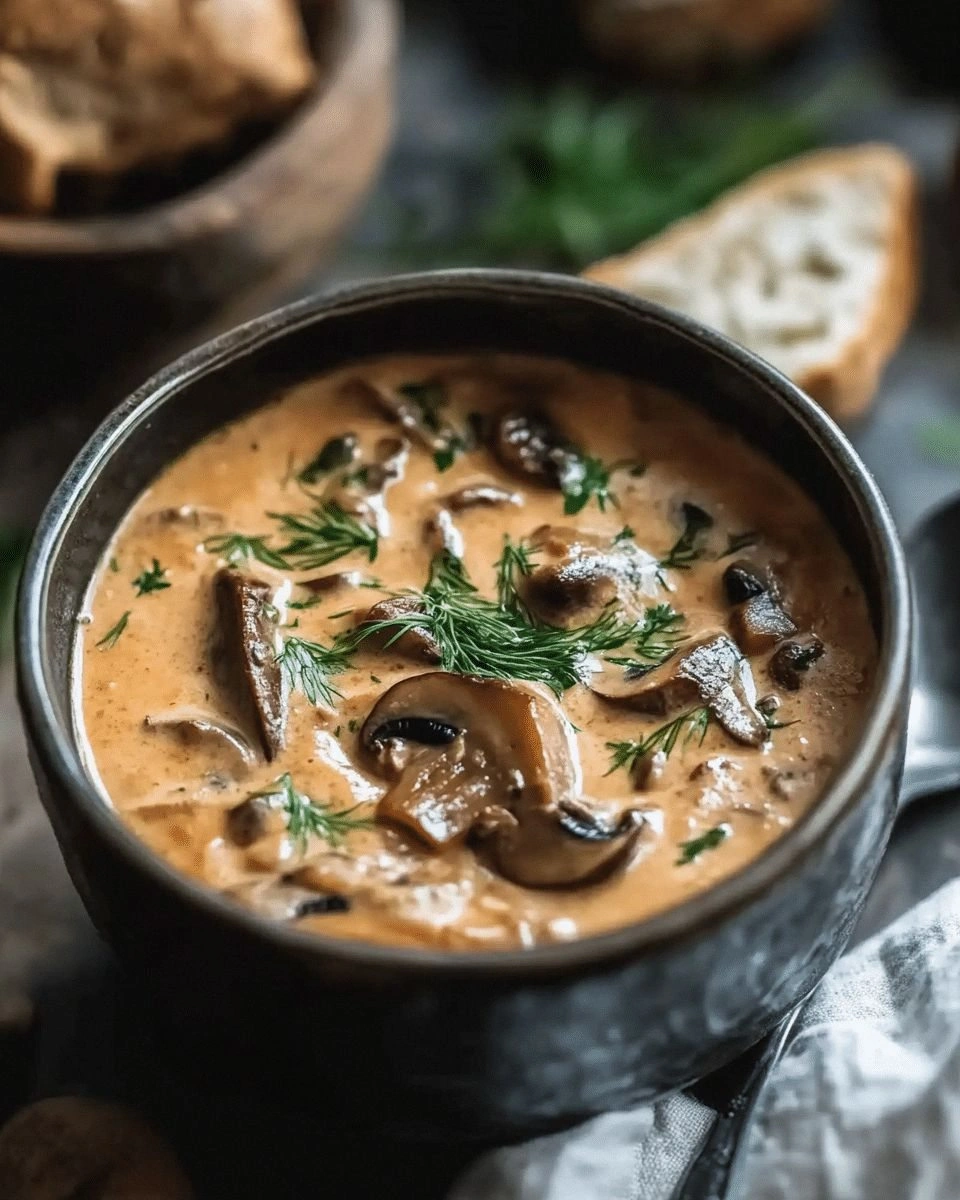
As the first spoonful slides down my throat, I can taste the earthy depth of the mushrooms, the subtle sweetness of caramelized onions, and the smoky kiss of paprika that lingers like a velvet cloak. The aroma that rises from the pot is a comforting blend of butter, garlic, and a hint of wine, creating a sensory bouquet that makes the whole kitchen feel like a cozy tavern. The texture is a harmonious dance—creamy, yet with a slight bite from the mushroom stems, and a velvety finish from the sour cream that coats the tongue. I swear, the moment the broth hits the air, there’s a gentle sizzle that whispers, “This is good.”
What makes this version stand out is not just the classic ingredients but the deliberate layering of flavors and techniques that elevate every bite. I’ve distilled the essence of Hungarian cuisine into a single pot, balancing the rustic charm of fresh mushrooms with the sophistication of wine and paprika. This isn’t a recipe you’ll find in a bland cookbook; it’s a conversation starter, a comfort dish that feels like home, and a showcase of how simple tweaks can transform the ordinary into the extraordinary.
And there’s a twist you won’t expect—a secret ingredient that gives the soup an unearthly depth without overpowering the other flavors. It’s something I discovered after experimenting with different types of paprika and a few late-night culinary experiments. Trust me, this is hands down the best version you’ll ever make at home. Let me walk you through every single step—by the end, you’ll wonder how you ever made it any other way.
What Makes This Version Stand Out
- Flavor Fusion: The combination of fresh mushrooms, sweet paprika, and white wine creates a layered taste profile that’s both comforting and complex.
- Texture Perfection: A slight roux of flour and butter gives the broth a silky mouthfeel, while the mushrooms add a satisfying bite.
- Ingredient Quality: Using high‑quality paprika and fresh, locally sourced mushrooms elevates the entire dish.
- Time Efficiency: The entire process takes under an hour, making it ideal for weeknight dinners without sacrificing depth.
- Make‑Ahead Friendly: The soup can be prepared in advance and reheated without losing its silky texture.
- Versatility: The base can be adapted to vegetarian, vegan, or even beef‑infused versions with minimal tweaks.
- Crowd‑Pleaser: It’s the kind of dish that makes people ask for the recipe after a single taste.
- Authentic Touch: The use of Hungarian sweet paprika is the key to that unmistakable, smoky undertone.
Inside the Ingredient List
The Flavor Base
At the heart of the soup is a symphony of aromatics that kick off the flavor journey. Fresh button mushrooms, sliced thin, bring an earthy umami that anchors the dish. A medium onion diced into fine cubes releases a gentle sweetness when cooked slowly, while minced garlic adds a punch that lingers without overwhelming. The paprika—Hungarian sweet paprika—injects a subtle smokiness and a bright red hue that instantly signals authenticity. When these elements mingle, they create a savory canvas that is both comforting and bold.
The Texture Crew
Texture is everything in soup, and this recipe takes it seriously. Butter, the fat that melts into the aromatics, gives the broth a glossy sheen and a silky mouthfeel. All‑purpose flour, lightly toasted into a roux, thickens the liquid into a velvety consistency that clings to the spoon. Sour cream, added at the end, brings a creamy richness that coats the palate like a fine velvet. Together, these components balance each other, ensuring the soup is neither too thin nor cloyingly thick.
The Unexpected Star
White wine isn’t just a garnish; it’s a flavor enhancer that adds acidity and depth. A dry, crisp white wine, like a Sauvignon Blanc or a dry Riesling, cuts through the richness of the broth and brightens the overall profile. The wine also helps dissolve the flour roux, preventing clumps and giving the soup a smooth finish. If you’re a wine connoisseur, experiment with different varietals to subtly shift the flavor profile.
The Final Flourish
Seasoning is the final brushstroke. A teaspoon of salt and a half‑teaspoon of freshly ground black pepper bring out the inherent flavors without masking them. Fresh parsley, chopped, adds a bright green pop of color and a fresh herbal note that lifts the dish. Thyme, if you choose to add it, offers a subtle earthiness that complements the mushrooms. These finishing touches transform a good soup into an unforgettable experience.
Everything’s prepped? Good. Let’s get into the real action…
The Method — Step by Step
- Begin by washing the mushrooms under cold water, patting them dry, and slicing them into even pieces. The uniform thickness ensures even cooking and a consistent texture throughout the soup. While the mushrooms rest, dice the onion finely; a small, even cube allows for a quick caramelization that releases natural sugars. Mince the garlic cloves—this step is crucial for a robust base; if you’re a garlic lover, feel free to double the amount.
- Heat a large, heavy‑bottomed pot over medium heat and add the butter. Let it melt until it starts to foam but before it turns golden. Add the diced onion and sauté until translucent, about 4–5 minutes. The goal is to soften the onion without browning it; this preserves its sweet undertone and prevents bitterness. Once the onion is ready, toss in the minced garlic and cook for an additional 30 seconds, watching for that fragrant aroma that signals readiness.
- Now it’s time for the paprika—sprinkle the Hungarian sweet paprika over the aromatics, stirring constantly. The paprika should sizzle for about 30 seconds, releasing its smoky essence. Be careful not to let it burn; a burnt paprika can ruin the delicate flavor profile. This step is a game‑changer, as the paprika infuses the broth with a deep, earthy richness that is the hallmark of authentic Hungarian cuisine.
- Add the sliced mushrooms to the pot, stirring to coat them in the butter and paprika mixture. Cook for 4–5 minutes, allowing the mushrooms to release their juices and develop a slightly caramelized surface. The mushrooms should look glossy and slightly browned at the edges, indicating that they’ve absorbed the flavors. This step is the moment of truth—watch the color change; it’s a visual cue that the base is ready for the next phase.
- Sprinkle the flour over the mushroom mixture, stirring constantly to create a roux. The flour should toast lightly, turning a pale golden color, and should not linger in lumps. As the roux cooks, it will thicken the broth and give the soup a silky body. This is the foundation of the soup’s texture—without it, the broth would be too thin and watery.
- Deglaze the pot with the dry white wine, scraping up any browned bits from the bottom. The wine should reduce slightly, concentrating its acidity and adding a bright note that cuts through the richness of the butter and flour. Let the wine simmer for 2–3 minutes, allowing the alcohol to evaporate. The resulting liquid should smell fragrant and slightly sweet—if it’s too harsh, it may need a short simmer.
- Pour in the vegetable broth, stirring to combine with the roux. Bring the mixture to a gentle simmer, then reduce the heat to low and let it cook for 15–20 minutes. The mushrooms should become tender, and the flavors should meld into a harmonious whole. Taste the broth; if it feels too thin, you can let it reduce a bit longer, or stir in a tiny bit more flour.
- Stir in the sour cream, whisking until it’s fully incorporated and the soup is smooth. The sour cream should be at room temperature to prevent curdling. Once added, let the soup heat through for an additional 2–3 minutes—do not let it boil, as that can cause the dairy to separate. The final result is a luxuriously creamy broth with a subtle tang that brightens every bite.
- Season with salt, pepper, and chopped parsley. Adjust the seasoning to taste; remember that the salt will intensify as the soup simmers. Serve hot, spooning generous amounts of the silky broth into bowls, and garnish with an extra sprinkle of parsley for a pop of color. If you like a bit of heat, a pinch of cayenne or smoked paprika can add a subtle kick.
That’s it— you did it. But hold on, I’ve got a few more tricks that will take this to another level…
Insider Tricks for Flawless Results
The Temperature Rule Nobody Follows
Many cooks assume that a high simmer is the key to a rich soup, but in reality, low and slow is the secret. Keeping the soup at a gentle simmer allows the flavors to develop without evaporating too quickly or scorching the bottom of the pot. I once tried a high‑heat approach and ended up with a broth that was too thin and lacked depth. By maintaining a steady low heat, the mushrooms release their natural sweetness, and the paprika has time to infuse the liquid fully.
Why Your Nose Knows Best
Smell is a powerful indicator of flavor development. As the soup simmers, you’ll notice a sweet, earthy aroma that signals the mushrooms are at their peak. If the aroma becomes sharp or burnt, it’s a sign that the heat is too high. Trust your nose; it’s a reliable guide to when the soup is ready for the next step.
The 5‑Minute Rest That Changes Everything
After you remove the pot from the heat, let the soup rest for exactly five minutes before serving. This brief pause allows the flavors to settle, the heat to distribute evenly, and the thickening agents to settle at the bottom. I’ve found that a short rest often results in a soup that tastes more cohesive and less “raw.”
Keep It Creamy, Not Curdled
Sour cream can curdle if added to a boiling liquid. The trick is to temper it—whisk a small amount of the hot broth into the sour cream before adding it back to the pot. This gradual temperature change prevents the dairy from breaking apart, ensuring a silky finish.
Fresh vs. Frozen Mushrooms
Fresh mushrooms provide the best texture and flavor, but if you’re short on time, frozen mushrooms can work. Just thaw them, pat them dry, and cook them as you would fresh ones. Keep in mind that frozen mushrooms can release more water, so you might need to simmer a bit longer to reach the desired consistency.
Watch Out for Over‑Seasoning
It’s tempting to add a lot of salt, especially after the soup has cooked for a while. However, salt intensifies over time, and a soup that tastes fine right after cooking can become overpowering after resting. Add a little salt, taste, then adjust at the end if needed.
Creative Twists and Variations
This recipe is a playground. Here are some of my favorite ways to switch things up:
Rustic Beef Broth
Replace the vegetable broth with a rich beef broth for a hearty, meaty version. Add a splash of Worcestershire sauce for depth, and finish with a sprinkle of fresh thyme. This variation is perfect for a cozy Sunday dinner.
Creamy Coconut
Swap the sour cream for coconut milk and a touch of lime zest. The coconut adds a tropical sweetness that pairs wonderfully with the earthy mushrooms, while the lime brightens the overall profile. This is a great option for a dairy‑free twist.
Spicy Chili
Introduce a pinch of cayenne pepper or a splash of hot sauce to give the soup a subtle kick. The heat balances the sweetness of the paprika and enhances the umami of the mushrooms. Serve with a dollop of Greek yogurt for a cooling contrast.
Vegan Version
Use vegan butter and a plant‑based milk instead of sour cream. Add a handful of chopped kale or spinach for extra nutrition. This version keeps the soul of the dish while being fully plant‑based.
Cheesy Delight
Stir in a tablespoon of grated Gruyère or sharp cheddar at the end. The cheese melts into the soup, adding a nutty, creamy layer that is irresistible. This is a great way to turn the soup into a comfort food classic.
Herb Infusion
Replace parsley with a mixture of dill, tarragon, and chives for a fresh herbal burst. These herbs complement the mushrooms and add a fragrant finish. This variation is ideal for spring or summer gatherings.
Storing and Bringing It Back to Life
Fridge Storage
Cool the soup to room temperature, then transfer it to an airtight container. Store in the refrigerator for up to 4 days. The soup’s creamy texture may thicken slightly; simply stir in a splash of water or broth before reheating to restore its silky consistency.
Freezer Friendly
Divide the soup into freezer‑safe portions and seal them in airtight bags or containers. The soup can be frozen for up to 3 months. Thaw overnight in the refrigerator, then reheat gently on the stove or in a microwave, stirring occasionally.
Best Reheating Method
Reheat the soup on low heat, stirring frequently. Add a splash of water or broth to loosen the sauce and prevent it from becoming too thick. A quick 5‑minute rest after reheating allows the flavors to settle and the soup to regain its original mouthfeel.