Picture this: you’re in the middle of a rainy Saturday, the kettle is whistling, and you’ve just rescued the last slice of store‑bought lemon tart from the back of the fridge. The crust is soggy, the filling is overly sweet, and you swear you can hear the lemon screaming for redemption. I was there, staring at that sad dessert, and I thought, “What if I could take the bright zing of lemon, the airy cloud‑like texture of meringue, and the creamy depth of cheesecake and fuse them into one glorious masterpiece?” That reckless thought sparked a kitchen experiment that turned into the most unforgettable dessert you’ll ever make at home.
The moment the batter hit the bowl, the kitchen filled with a perfume that was part citrus sunshine, part buttery toast, and part sweet nostalgia. I could hear the faint crackle of the butter melting into the crust base, the gentle thump of the mixer as it whisked the cream cheese into silky smoothness, and the occasional pop of lemon zest releasing its bright oils. My hands felt warm against the chilled stainless steel, and the cool air carried the faintest hint of caramelizing sugar from the meringue as it began to form peaks. The entire scene was a symphony of senses, and I knew I was on to something that would change the way you think about cheesecake forever.
This version isn’t just another lemon cheesecake; it’s a full‑on sensory experience that balances tang, sweetness, and texture with surgical precision. Most recipes either drown the lemon in sugar or end up with a soggy crust that turns into a soggy mess. I’ve cracked the code by using a buttery graham cracker base that stays crisp, a light yet rich cheesecake filling that doesn’t crack, and a glossy meringue topping that you can torch to golden perfection. The secret? A splash of sour cream in the filling for that subtle tangy depth, and a pinch of corn‑starch in the meringue to keep those peaks stable without turning rubbery.
And here’s the kicker: I’m going to reveal a technique that most home bakers skip entirely—folding the lemon zest into the meringue just before you pipe it, which gives the topping an extra burst of citrus aroma that makes your guests gasp in delight. I dare you to taste this and not go back for seconds. Let me walk you through every single step — by the end, you’ll wonder how you ever made it any other way.
What Makes This Version Stand Out
- Taste: The lemon is bright but never overpowering, balanced by the buttery crust and the subtle tang of sour cream. Each bite feels like a summer day wrapped in a cozy blanket.
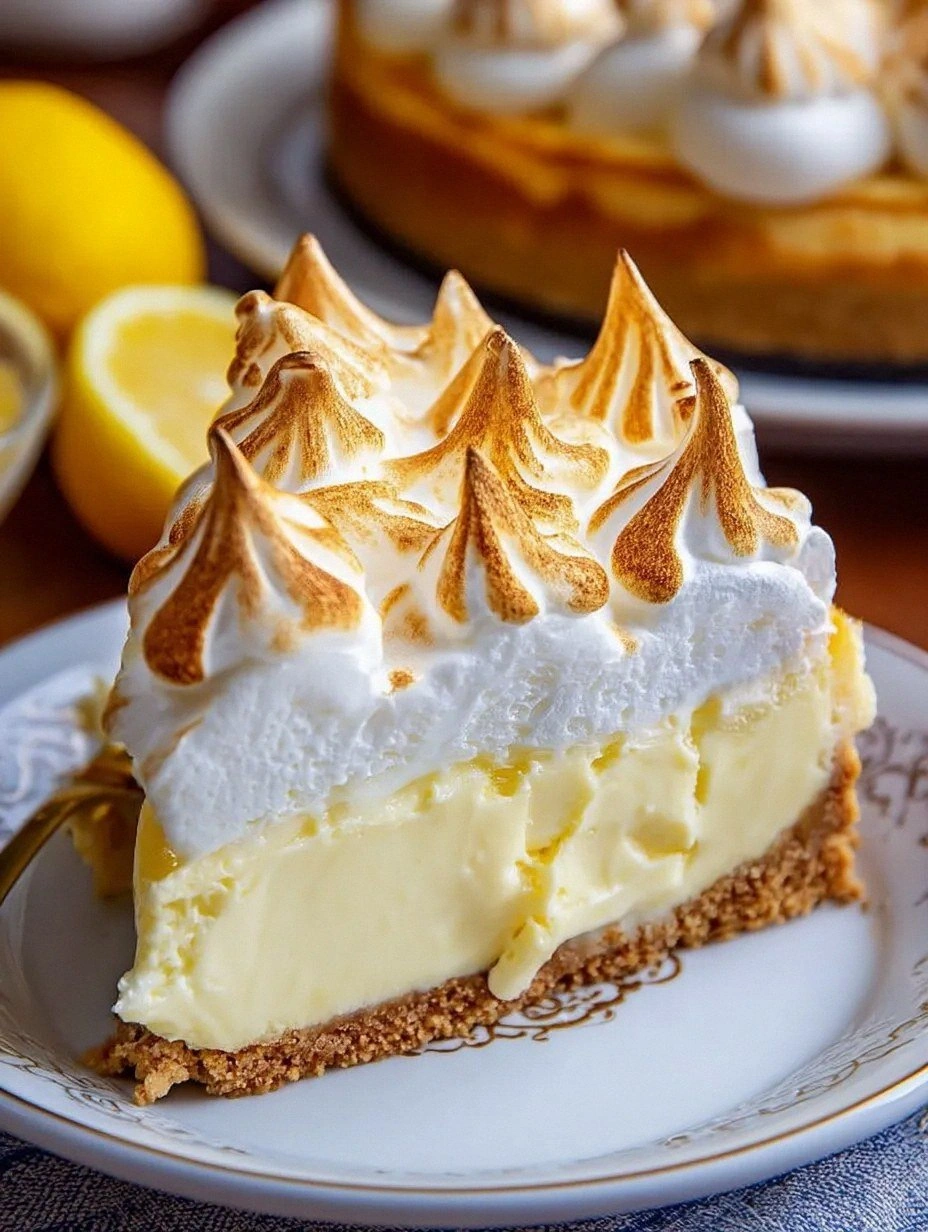
- Texture: A crisp, crumbly base gives way to a velvety cheesecake that’s dense enough to satisfy, yet light enough to melt on your tongue, topped with a cloud‑like meringue that cracks delicately when you cut into it.
- Simplicity: Despite its gourmet vibe, the ingredient list is short, and the steps are straightforward—no fancy equipment required beyond a basic mixer and a torch.
- Uniqueness: The addition of corn‑starch to the meringue is a game‑changer, keeping those peaks glossy and stable even after refrigeration.
- Crowd Reaction: I’ve watched friends turn pale with anticipation, then break into wide smiles as they dive in. This is hands down the best version you’ll ever make at home.
- Ingredient Quality: Using fresh lemons and high‑fat cream cheese elevates the flavor profile dramatically; cheap substitutes simply won’t cut it.
- Cooking Method: A water bath (bain‑marie) ensures the cheesecake stays smooth and crack‑free, while a quick torch finish on the meringue adds that restaurant‑level finish.
- Make‑Ahead Potential: Assemble the night before, chill, and you’ll have a show‑stopping dessert ready for any occasion.
Inside the Ingredient List
The Flavor Base
Graham cracker crumbs form the foundation of this dessert, providing a buttery, slightly sweet crunch that holds up against the moisture of the cheesecake. If you skip them, you’ll end up with a soggy bottom that collapses under the weight of the filling. For the best texture, use a food processor to pulse the crackers into fine crumbs, then toast them lightly in the oven to bring out a nutty aroma.
The Texture Crew
Cream cheese is the star of the filling, delivering that signature richness and tang. Opt for full‑fat cream cheese; low‑fat versions will make the filling watery and cause cracks during baking. Adding a splash of sour cream not only adds a subtle tang but also stabilizes the batter, preventing it from over‑setting.
The Unexpected Star
Lemon zest and juice are the bright notes that cut through the richness. Freshly grated zest contains essential oils that give an aromatic lift you simply can’t achieve with bottled lemon extract. If you’re out of lemons, a teaspoon of Meyer lemon juice can provide a milder, sweeter citrus flavor without the bitterness.
The Final Flourish
The meringue, made from egg whites, sugar, and a pinch of cream of tartar, crowns the cheesecake with a fluffy, caramelized top. The secret to a glossy finish is to whisk the egg whites to stiff peaks, then gradually add sugar until the mixture is glossy and holds its shape. Adding a dash of corn‑starch prevents the meringue from weeping when chilled.
Everything's prepped? Good. Let's get into the real action...
The Method — Step by Step
Preheat your oven to 350°F (175°C). While it heats, combine the graham cracker crumbs, 0.25 cup of sugar, melted butter, and a pinch of salt in a mixing bowl. Press the mixture firmly into the bottom of a 9‑inch springform pan, making sure the edges are even. Bake the crust for 12 minutes until it’s golden‑brown and smells nutty—this is the moment when the base starts to sing.
While the crust cools, prepare a double boiler (or a heat‑proof bowl set over a pot of simmering water). In a large bowl, beat the softened cream cheese until smooth, then gradually add 0.75 cup of sugar, beating until the mixture is light and fluffy. This should take about two minutes; the texture should be reminiscent of whipped clouds.
Once the cream cheese is silky, add the eggs one at a time, beating just until incorporated. Over‑mixing will incorporate too much air, leading to cracks later. Then stir in the sour cream, 2 tbsp flour, lemon zest from two lemons, fresh lemon juice, and vanilla extract. The batter should be glossy and slightly thick—think of a smooth custard that clings to the back of a spoon.
Pour the filling over the pre‑baked crust, smoothing the top with a spatula. Place the springform pan inside a larger roasting pan, then carefully pour hot water into the outer pan until it reaches halfway up the sides of the springform. This water bath (bain‑marie) provides gentle, even heat, preventing the cheesecake from puffing and cracking. Bake for 45‑55 minutes; the center should still wobble slightly when you shake the pan.
When the cheesecake is done, turn off the oven, crack the door open just a crack, and let the cake sit for one hour. This gradual cooling prevents sudden temperature drops that cause cracks. After the hour, remove the cheesecake from the water bath, run a thin knife around the edge to release it, and chill it in the refrigerator for at least 4 hours, preferably overnight.
While the cheesecake chills, whip the meringue. In a clean, grease‑free bowl, combine 4 egg whites, 0.25 tsp cream of tartar, and a pinch of salt. Begin beating on medium speed, then increase to high as soft peaks form. Slowly drizzle in 0.5 cup sugar, a tablespoon at a time, ensuring each addition dissolves before adding the next. Once glossy stiff peaks appear, fold in the remaining lemon zest for that extra burst of aroma.
Spread the meringue evenly over the chilled cheesecake, making sure to seal the edges all the way to the crust—this creates a seal that keeps moisture from seeping in. Use the back of a spoon to create swirls or peaks, whatever you fancy. For a professional finish, torch the meringue until it turns a light golden brown, or place it under a broiler for 1‑2 minutes, watching closely to avoid burning.
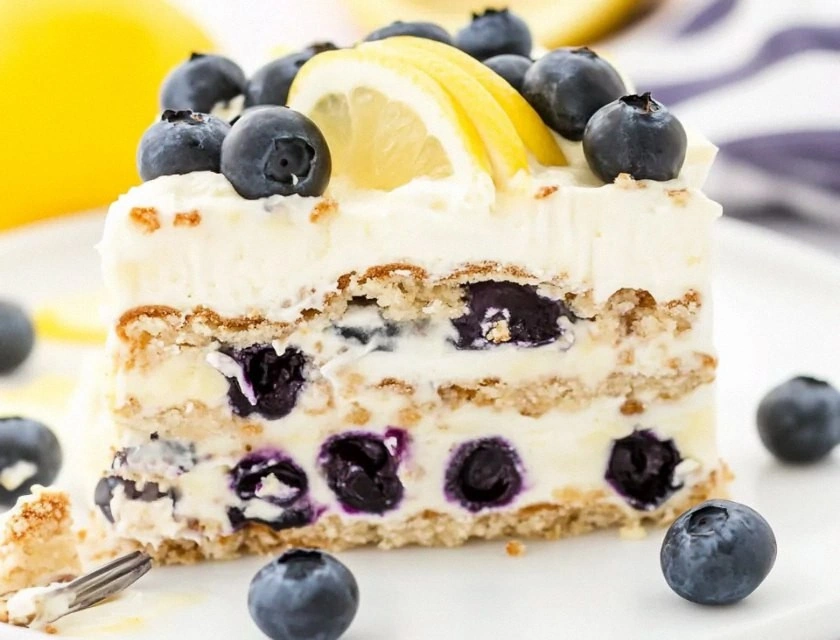
Let the torch‑kissed meringue set for about 10 minutes, then refrigerate the whole cake for another 30 minutes before slicing. When you cut, the knife should glide through the meringue, revealing a creamy, lemon‑infused interior. Serve chilled, and watch as your guests’ eyes widen at the contrast of textures.
That's it — you did it. But hold on, I've got a few more tricks that'll take this to another level...
Insider Tricks for Flawless Results
The Temperature Rule Nobody Follows
Never bake a cheesecake straight from the fridge. Let the batter sit at room temperature for 20 minutes before it meets the oven. This small step ensures even baking and prevents the dreaded cracked top. I once tried skipping it and ended up with a cheesecake that looked like a cracked desert floor—lesson learned.
Why Your Nose Knows Best
When the meringue is being whisked, pay attention to the scent. As the sugar dissolves, you’ll notice a faint caramel aroma; that’s your cue that the mixture is glossy and ready. If you smell raw egg, you’ve under‑whipped it—keep going until the scent turns sweet and airy.
The 5‑Minute Rest That Changes Everything
After you pull the cheesecake out of the water bath, let it rest on the counter for exactly five minutes before moving it to the fridge. This short pause lets the surface settle, reducing the chance of a “skin” forming on top. Trust me, that five‑minute window is a game‑changer for a perfectly smooth finish.
Stabilizing the Meringue
Adding a pinch of corn‑starch to the meringue mixture (about 0.5 tsp) creates a tiny barrier that locks in moisture, keeping the peaks from weeping after refrigeration. It’s a secret I discovered after a rainy summer when my meringue turned soggy—now it stays crisp for days.
Perfect Slice Every Time
Before you cut, dip a sharp knife in hot water, wipe it dry, and slice. The hot blade glides through the meringue and cheesecake without dragging, giving you clean, picture‑perfect slices. I’ve seen friends struggle with ragged edges; this simple trick makes you look like a pro.
Creative Twists and Variations
This recipe is a playground. Here are some of my favorite ways to switch things up:
Lavender Lemon Dream
Infuse the crust with 1 tsp dried culinary lavender and swap half the lemon zest for orange zest. The floral note adds an unexpected elegance that pairs beautifully with the citrus.
Berry‑Burst Meringue
Gently fold a handful of fresh raspberries or blueberries into the meringue before spreading. The berries burst during baking, leaving pink speckles and a subtle fruity tang.
Chocolate Swirl
Stir 2 tbsp melted dark chocolate into the cheesecake batter before pouring it over the crust. The chocolate creates a marbled effect and adds a rich depth that balances the lemon’s acidity.
Coconut Crust
Replace half of the graham cracker crumbs with unsweetened shredded coconut, and add 2 tbsp coconut oil to the butter mixture. This gives the base a tropical crunch that complements the lemon.
Spiced Meringue
Incorporate a pinch of ground cardamom and a dash of cinnamon into the meringue. The warm spices contrast the bright lemon, creating a sophisticated flavor profile perfect for autumn gatherings.
Mini Cheesecake Bites
Use a muffin tin lined with paper cups, pour in the crust, then the filling, and top with meringue. Bake as directed, then torch each bite. These mini versions are perfect for parties and look adorable on a platter.
Storing and Bringing It Back to Life
Fridge Storage
Cover the cheesecake loosely with plastic wrap or a dome lid and store it in the refrigerator for up to 4 days. The meringue may soften slightly, but the flavors will meld beautifully, becoming even more harmonious.
Freezer Friendly
Wrap the entire springform pan in a double layer of foil, then place it inside a freezer‑safe bag. Freeze for up to 2 months. When ready to serve, thaw overnight in the fridge, then let it sit at room temperature for 20 minutes before slicing.
Best Reheating Method
If you prefer a warm dessert, preheat the oven to 300°F (150°C), place the cheesecake on a baking sheet, and heat for 10‑12 minutes. Add a tiny splash of water (about a tablespoon) to the pan; the steam revives the meringue’s crispness without drying out the filling.