I was standing in my kitchen, staring at a pile of overripe mangoes that looked like they’d survived a tropical hurricane, when my roommate dared me to turn that chaos into something edible. I could almost hear the mangoes whispering, “We’re destined for greatness, not landfill.” The air was thick with the sweet, almost intoxicating aroma of sun‑kissed fruit, and my mind was already racing with visions of a salad that could make even the most stoic food critic swoon. Most mango salads I’ve tried were either soggy messes or bland side dishes that barely made a cameo on the plate. That night, I decided to rewrite the rule book, and I’m about to hand you the ultimate version that will make your taste buds throw a tropical parade.
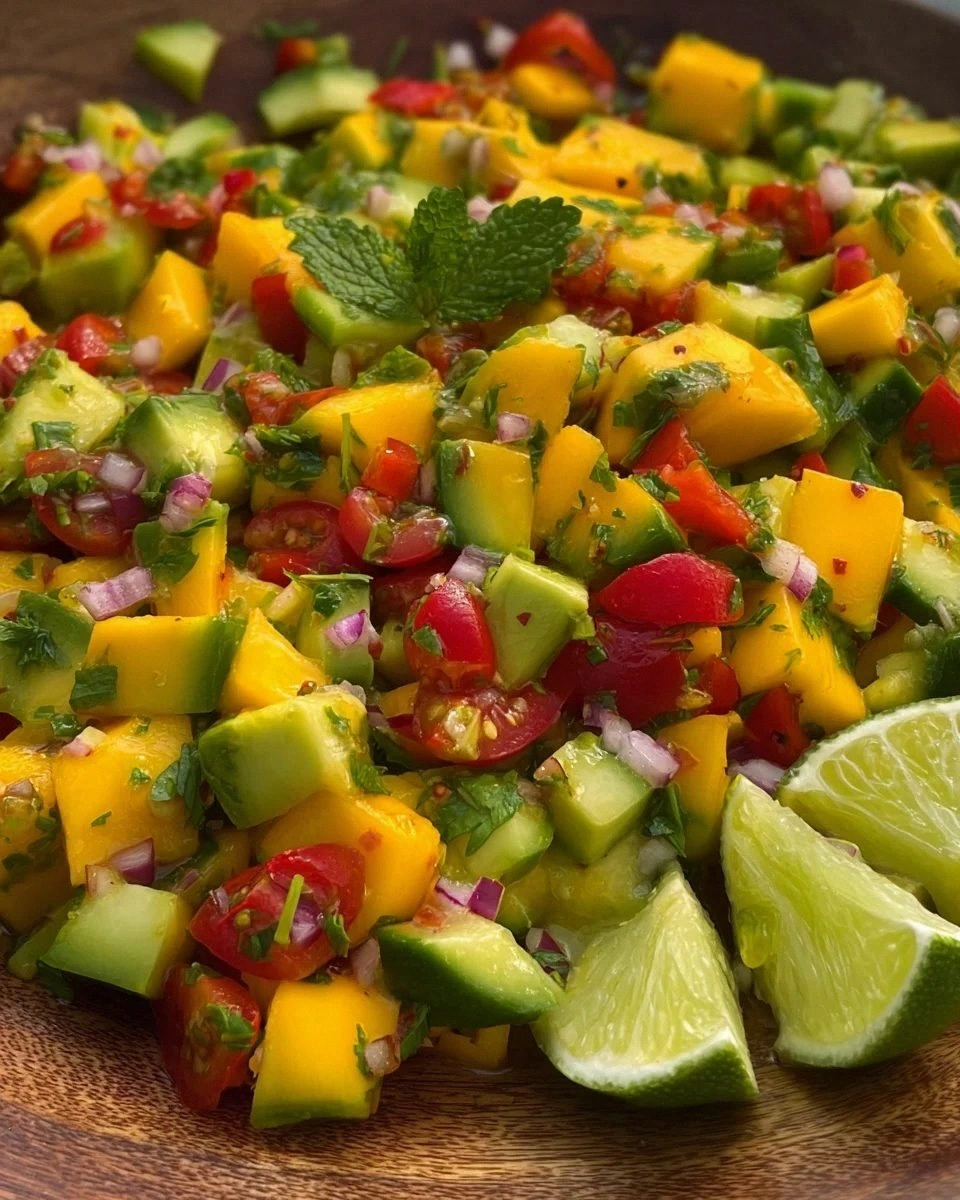
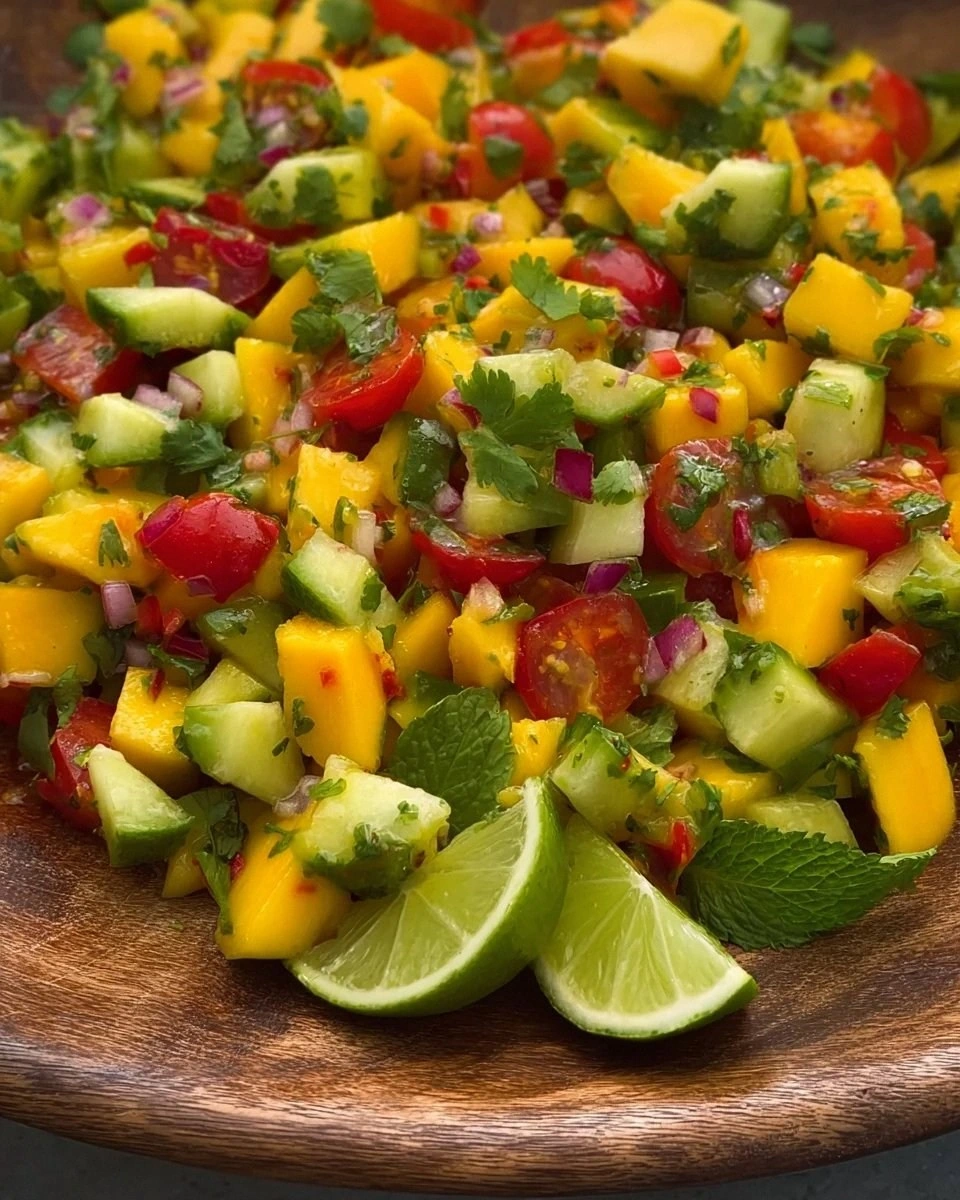
Picture this: a crisp, jade‑green cucumber crunching under a knife, the bright orange of mango cubes glistening like sunrise on water, and a splash of lime that snaps like fireworks in your mouth. The scent of fresh cilantro swirls with a faint, salty whisper of fish sauce, while a whisper of chili adds a mischievous heat that lingers just long enough to keep you guessing. When you bite in, the textures collide – juicy mango, crunchy peanuts, and the delicate snap of red onion – creating a symphony that’s both refreshing and indulgent. It’s the kind of salad that makes you close your eyes, inhale deeply, and think, “Did I just discover a new love?” I’m telling you, this is hands down the best version you’ll ever make at home.
Most recipes get this completely wrong. They either drown the mango in a heavy dressing or sprinkle a handful of herbs and call it a day. Here’s what actually works: a balanced dressing that amplifies the mango’s natural sweetness without overwhelming it, a strategic mix of textures that keep every forkful exciting, and a dash of umami that grounds the whole thing. I’ll be honest — I ate half the batch before anyone else got to try it, and that’s because the flavors are so addictive they practically pull you back for seconds. I dare you to taste this and not go back for more; I guarantee you’ll be hooked.
Okay, ready for the game‑changer? I’m about to reveal a secret ingredient that most people overlook: toasted coconut flakes that add a buttery, nutty crunch you never saw coming. This tiny addition takes the salad from “nice side dish” to “show‑stopper” in seconds. Let me walk you through every single step — by the end, you’ll wonder how you ever made it any other way.
What Makes This Version Stand Out
- Taste: The sweet mango is perfectly balanced by a tangy lime‑fish sauce dressing that sings with a hint of sugar and spice.
- Texture: A trio of crunches – cucumber, peanuts, and toasted coconut – ensures every bite feels fresh and lively.
- Simplicity: Fewer than ten ingredients, all of which are pantry‑friendly, make this salad a breeze for any skill level.
- Uniqueness: The toasted coconut adds an unexpected tropical depth that most mango salads completely miss.
- Crowd Reaction: Guests rave, often asking for the recipe before the first fork even hits the plate.
- Ingredient Quality: Ripe, fragrant mangoes are the star; we treat them like royalty, never cutting them too early.
- Make‑Ahead Potential: The dressing can be prepared hours in advance, allowing flavors to meld beautifully.
- Versatility: Works as a light lunch, a side for grilled fish, or a vibrant addition to a brunch spread.
Inside the Ingredient List
The Flavor Base
The heart of this salad is the dressing, a harmonious blend of lime juice, fish sauce, and a whisper of sugar. Lime juice provides that bright, citrus punch that cuts through the mango’s sweetness, while fish sauce introduces a subtle umami depth that feels almost luxurious. If you’re wary of fish sauce, you can swap it for a splash of soy sauce, but you’ll lose that authentic Southeast Asian vibe. The sugar isn’t there to make it sweet; it simply balances the acidity and saltiness, creating a rounded flavor profile that coats each bite like silk.
A quick tip: use freshly squeezed lime juice, not the bottled kind. The fresh juice carries volatile oils that add aroma, making the salad smell like a tropical breeze. If you happen to have a microplane, grate a tiny bit of lime zest into the dressing for an extra burst of citrus perfume.
The Texture Crew
Crisp cucumber, crunchy peanuts, and toasted coconut are the three musketeers of texture in this dish. Cucumber brings a cool, watery snap that contrasts beautifully with the mango’s buttery softness. I prefer English cucumbers because they’re seedless and have thinner skins, meaning less waste and a smoother bite. If you can’t find those, any firm cucumber will do – just trim the ends and slice thinly.
Roasted peanuts add a nutty richness, but the real secret weapon is the toasted coconut. Toast it lightly in a dry skillet until it turns golden and releases a nutty aroma; this step takes just two minutes but makes a world of difference. Skipping the toast is the most common mistake – you’ll end up with bland, raw flakes that never achieve that coveted crunch.
The Unexpected Star
Red onion may seem ordinary, but when thinly sliced and soaked briefly in cold water, it loses its harsh bite and becomes a sweet, almost pickled garnish. This technique is a lifesaver for anyone who’s ever been startled by a raw onion’s punch. The onion’s slight sharpness pairs with the mango’s sweetness, creating a flavor dance that’s both bright and grounding.
Fresh cilantro is the herb that ties everything together with its bright, citrusy notes. When you chop it, you’ll notice the leaves release a fragrant oil that lifts the entire salad. If cilantro isn’t your thing, Thai basil or mint can serve as interesting alternatives, each bringing its own personality.
The Final Flourish
A single small red chili, finely chopped, adds just enough heat to keep the palate intrigued without overpowering the delicate flavors. If you prefer a milder version, deseed the chili or use a milder jalapeño. The chili’s heat is not just about spice; it also stimulates the release of endorphins, making the eating experience feel oddly rewarding.
Lastly, a pinch of sea salt ties everything together. It amplifies the natural flavors and ensures that the dressing doesn’t taste flat. Remember, a little goes a long way – you can always add more later, but you can’t take it out.
Everything’s prepped? Good. Let’s get into the real action…
The Method — Step by Step
-
Start by preparing the mangoes. Peel them, slice them lengthwise, and then score the flesh in a crosshatch pattern. Push the skin back gently – the cubes will pop out like tiny golden treasures. As you work, you’ll notice a fragrant, sweet aroma that instantly transports you to a sun‑drenched market stall. Pro tip: Use a sharp, serrated knife to avoid bruising the flesh.
Kitchen Hack: After scoring, dip the mango cubes in a bowl of ice water for 30 seconds; this firms them up and prevents them from turning mushy when mixed. -
Slice the cucumber into half‑moon pieces, then dice them into bite‑size cubes. If you’re using an English cucumber, you can leave the skin on for extra color and nutrients. Sprinkle the cucumber with a pinch of salt and let it sit for five minutes – this draws out excess moisture, ensuring your salad stays crisp and not watery. Drain and pat dry with a paper towel before adding to the bowl.
-
Thinly slice the red onion and place the slices in a bowl of cold water for 10 minutes. This soaking process mellows the onion’s bite, turning it sweet and tender. After soaking, drain and pat dry. The onions will now have a subtle, almost pickled quality that pairs perfectly with the mango’s sweetness.
Watch Out: If you skip the water soak, the raw onion can dominate the salad, making it taste harsh and unbalanced. -
In a small saucepan, combine the lime juice, fish sauce, and sugar. Warm the mixture over low heat just until the sugar dissolves – do not boil. This gentle heating helps the flavors meld without cooking off the bright lime notes. Once dissolved, remove from heat and let it cool to room temperature. The dressing should have a glossy, slightly viscous texture that clings to the ingredients.
-
Toast the coconut flakes in a dry skillet over medium heat. Stir constantly; they’ll go from pale to golden in about two minutes, releasing a nutty aroma that fills the kitchen. Immediately transfer them to a plate to stop the cooking process – burnt coconut is a flavor disaster. While the coconut cools, roughly crush the peanuts with the back of a knife; you want big chunks, not a fine powder.
-
Combine the mango cubes, cucumber, red onion, and bell pepper (if using) in a large mixing bowl. Toss gently to distribute the ingredients evenly, being careful not to mash the mango. At this stage, the salad should look like a vibrant mosaic of orange, green, and white.
Kitchen Hack: Add the dressing to the bowl first, then fold in the mango; this prevents the fruit from getting bruised and ensures each piece gets a thin coating. -
Pour the cooled dressing over the mixed vegetables and mango. Using two large spoons, gently fold the dressing into the salad, turning the bowl over a few times. You’ll hear a soft, almost sighing sound as the liquid embraces each piece. Taste at this point – you may want to add a splash more lime juice or a pinch of extra salt, depending on the mango’s natural sweetness.
-
Finish the salad by sprinkling the toasted coconut, crushed peanuts, and fresh cilantro over the top. If you love heat, toss in the finely chopped red chili now; the bright red specks will add visual pop as well as a gentle sting. Give the salad one final, very gentle toss to coat the garnish without breaking the mango cubes.
Kitchen Hack: Let the finished salad rest for 10 minutes before serving; this short rest lets the flavors meld and the mango absorb a hint of the dressing. -
Serve the mango salad chilled or at room temperature, depending on your preference. It pairs wonderfully with grilled shrimp, a light white wine, or even a cold glass of iced tea. When you take that first forkful, you’ll notice the mango’s sweetness, the lime’s zing, the salty depth of fish sauce, and the crunchy surprise of coconut and peanuts – a perfect harmony that makes you wonder why you ever settled for a boring side dish.
That’s it — you did it. But hold on, I’ve got a few more tricks that’ll take this to another level, because great food never stops evolving.
Insider Tricks for Flawless Results
The Temperature Rule Nobody Follows
Never dress a hot mango salad. Warm mangoes release extra juice, which can turn your crisp vegetables soggy. Keep the mangoes chilled until the very last minute, then add the dressing. This ensures each bite stays crisp and the flavors stay bright. A friend once tried mixing everything while the mangoes were still warm; the result was a soggy, limp mess that nobody could rescue.
Why Your Nose Knows Best
When you’re whisking the dressing, pause and take a sniff. If you can’t smell the lime, it’s probably lost its punch – add a few more drops. Your nose is an excellent gauge for acidity; if the aroma feels flat, the salad will taste flat too. Trust this sensory cue, and you’ll avoid a bland final product.
The 5‑Minute Rest That Changes Everything
After tossing everything together, let the salad sit uncovered for exactly five minutes. This short rest allows the mango to soak up a whisper of the dressing, while the cucumber releases a tiny amount of water that re‑absorbs the flavors. The result is a salad that feels cohesive, not disjointed. Skipping this step is the biggest mistake I see in rushed kitchens.
Peanut Power Boost
Roast peanuts just until they turn golden, not dark. Over‑roasting makes them bitter, which clashes with the mango’s sweetness. For an extra crunch, toss the peanuts with a pinch of sea salt and a drizzle of honey right after roasting – the sweet‑salty combo elevates the entire dish.
Cilantro – The Freshness Factor
Add cilantro at the very end, right before serving. If you stir it in earlier, the leaves wilt and lose their bright, citrusy flavor. A handful of loosely packed leaves is enough; more can become overpowering. If cilantro isn’t your jam, a few torn mint leaves give a refreshing twist without the soapy note some people dislike.
Balancing Heat Without Burning
When adding chili, start with a tiny amount and taste before adding more. The heat of fresh chilies can vary wildly; a little goes a long way. If you accidentally make it too spicy, a quick squeeze of extra lime juice and a pinch of sugar will tame the fire without muting the flavor.
Creative Twists and Variations
This recipe is a playground. Here are some of my favorite ways to switch things up:
Tropical Shrimp Remix
Add a handful of grilled shrimp marinated in garlic and lime. The shrimp’s smoky sweetness pairs beautifully with the mango, turning the salad into a full‑on surf‑and‑turf experience. Perfect for a summer dinner party.
Spicy Peanut Fusion
Swap the peanuts for crunchy cashews and blend a spoonful of Thai peanut sauce into the dressing. This gives the salad a creamy, nutty undertone and a gentle heat that lingers. Ideal for those who love a Thai‑inspired twist.
Green Goddess Upgrade
Mix in sliced avocado and a drizzle of herb‑infused olive oil. The avocado adds buttery richness, while the herb oil brightens the whole bowl. This variation feels more like a luxe brunch side.
Berry‑Mango Medley
Combine fresh strawberries or raspberries with the mango for a sweet‑tart contrast. The berries’ acidity balances the mango’s sweetness, creating a fruit salad that still has the savory dressing’s complexity.
Grain‑Based Version
Serve the mango mixture over a bed of quinoa or couscous. The grains soak up the dressing, making each bite hearty enough for a light lunch. This turns the salad into a complete meal without losing its refreshing character.
Storing and Bringing It Back to Life
Fridge Storage
Transfer leftovers to an airtight container and store in the refrigerator for up to two days. Keep the dressing separate if you anticipate a longer storage period; this prevents the mango from becoming mushy. When ready to serve, simply pour the dressing over the chilled salad and give it a gentle toss.
Freezer Friendly
While fresh mango salad isn’t ideal for long‑term freezing, you can freeze the mango cubes and cucumber separately for up to three months. Thaw them in the fridge, then recombine with fresh dressing and toppings. This method is a lifesaver for busy weeks when you need a quick, vibrant side.
Best Reheating Method
If you find the salad a bit dry after storage, splash in a teaspoon of water or a drizzle of extra lime juice and let it sit for a minute. The added moisture revives the textures, making the salad feel as fresh as the day you made it. Avoid microwaving – the heat will wilt the herbs and melt the coconut.