
Pork And Vegetable Stir Fry
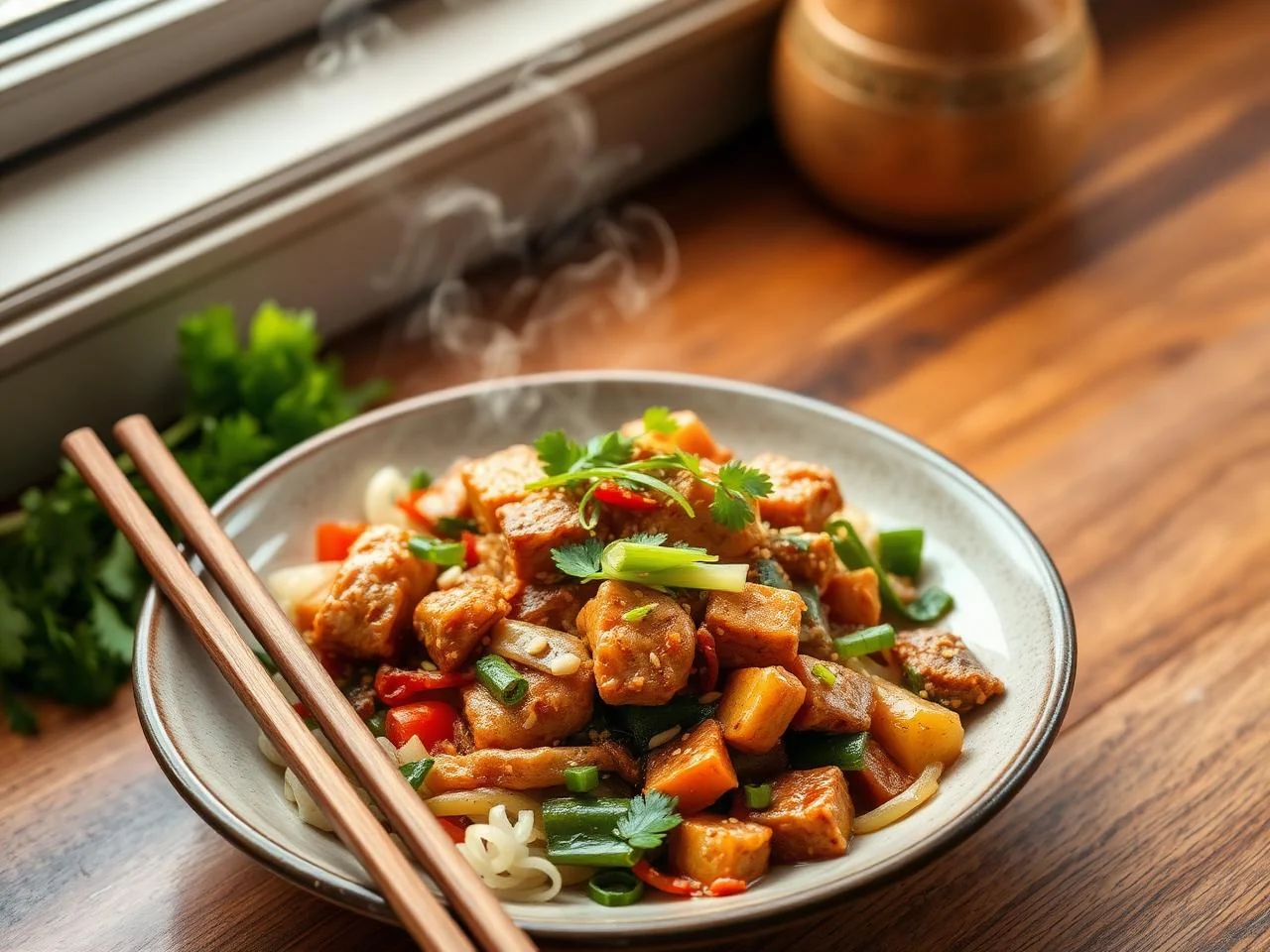
I still remember the first time I had a great Pork And Vegetable Stir Fry at a Chinese restaurant. The combination of tender pork, crunchy vegetables, and savory sauce was absolute magic. Ever since, I've been on a mission to recreate that dish at home. After countless experiments and tweaks, I'm excited to share my recipe with you.
This recipe is all about balance and harmony. You'll learn how to cook the pork to perfection, how to select the right vegetables, and how to craft a sauce that ties everything together. Whether you're a seasoned cook or a beginner, this recipe is designed to be approachable and fun.
One of the best things about stir-fries is their versatility. You can customize the recipe to your taste by using your favorite vegetables, nuts, or seasonings. Feel free to get creative and make this dish your own! In this recipe, we'll be using a combination of bell peppers, carrots, and snow peas, but don't be afraid to experiment with other options.
As we cook our way through this recipe, I'll share tips and techniques to help you achieve the perfect stir-fry. From the importance of using the right oil to the art of cooking the pork to the right doneness, we'll cover it all. By the end of this recipe, you'll be a stir-fry master, ready to take on any dish that comes your way.
So, let's get started and cook up a delicious Pork And Vegetable Stir Fry that's sure to become a family favorite. With its combination of tender pork, crunchy vegetables, and savory sauce, this dish is perfect for a quick weeknight dinner or a special occasion.
Why You’ll Love This Recipe
- This recipe is easy to make and requires minimal ingredients.
- The dish is highly customizable, so you can add your favorite vegetables or seasonings.
- The stir-fry technique is quick and efficient, making it perfect for a weeknight dinner.
- The combination of pork, vegetables, and sauce creates a balanced and satisfying meal.
- The recipe is budget-friendly and can be made with affordable ingredients.
- The dish is perfect for a crowd, as it can be easily scaled up or down.
- The stir-fry is a great way to use up leftover vegetables and reduce food waste.
Why This Recipe Works
The key to a great stir-fry is in the balance of flavors and textures. By using a combination of soy sauce, oyster sauce, and sesame oil, we create a savory and slightly sweet sauce that complements the pork and vegetables perfectly. The ginger and garlic add a punch of flavor, while the scallions provide a fresh and oniony note.
Another important aspect of stir-fries is the cooking technique. By using high heat and quick stir-frying, we can achieve a nice caramelization on the pork and vegetables, which adds depth and complexity to the dish. This technique also helps to preserve the crunch and texture of the vegetables, making the dish more enjoyable to eat.
Finally, the resting time is crucial in allowing the flavors to meld together and the pork to absorb all the juices. This step may seem simple, but it makes a huge difference in the final result. By letting the dish rest, we can ensure that the flavors are balanced and the pork is tender and juicy.
Overall, this recipe works because it combines the right ingredients, techniques, and cooking methods to create a dish that is both flavorful and textured. Whether you're a fan of Chinese cuisine or just looking for a new recipe to try, this Pork And Vegetable Stir Fry is sure to please.
Ingredients You’ll Need
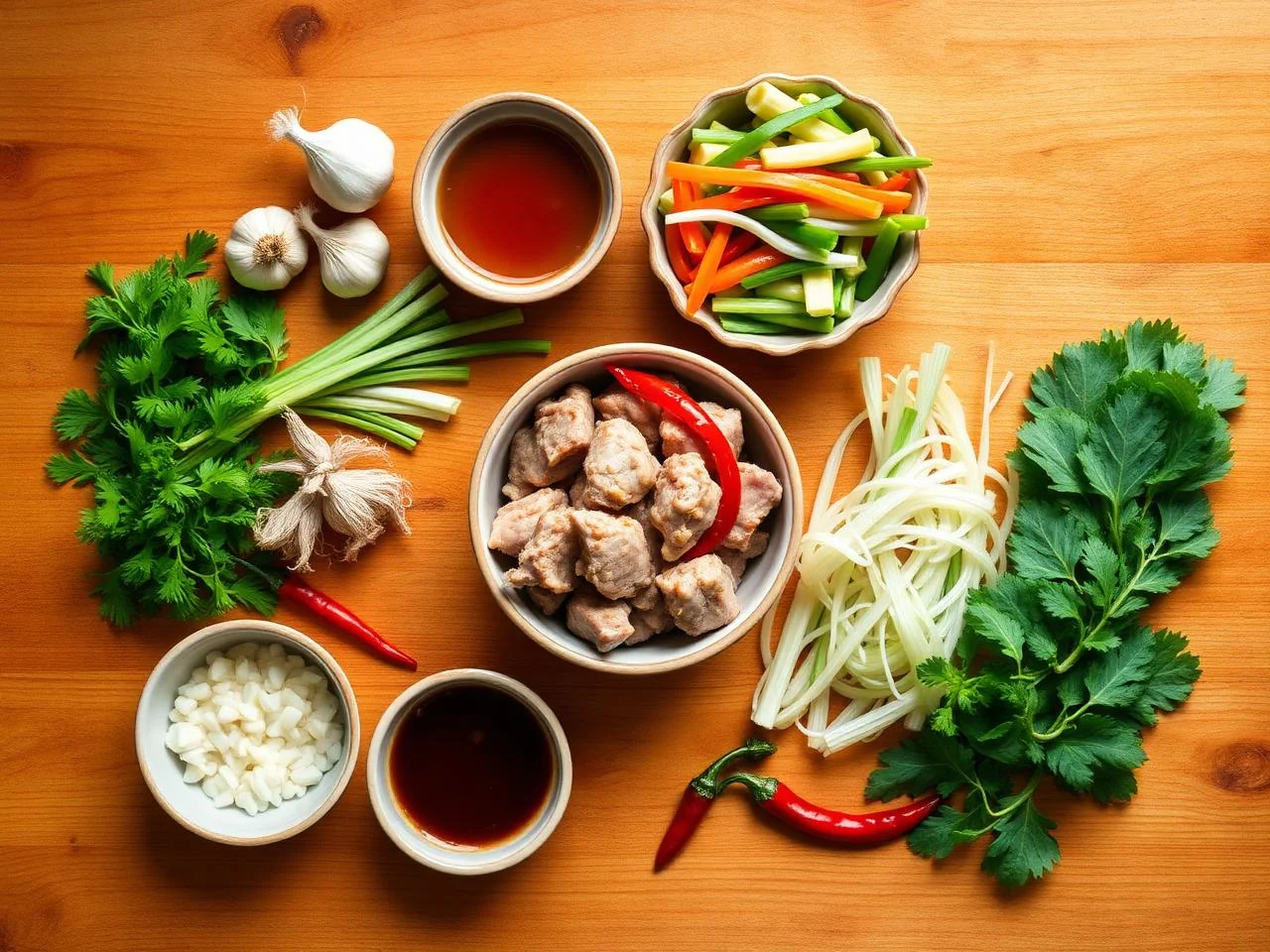
When it comes to stir-fries, the ingredients are just as important as the technique. You'll want to use a combination of tender pork, crunchy vegetables, and savory sauces to create a balanced and delicious dish. In this recipe, we'll be using a variety of ingredients, including pork loin, bell peppers, carrots, snow peas, and a range of seasonings.
When shopping for ingredients, be sure to select the freshest and highest-quality options available. For the pork, look for a lean cut with a good balance of fat and meat. For the vegetables, choose a variety of colors and textures to add depth and visual interest to the dish.
- 1 lb (450g) pork loin, sliced into thin stripsLook for a lean cut with a good balance of fat and meat. You can also use pork tenderloin or pork belly for a different texture.
- 2 tablespoons vegetable oilUse a neutral-tasting oil with a high smoke point, such as peanut or canola oil.
- 1 onion, sliced into thin ringsUse a sweet onion, such as Vidalia or Maui, for the best flavor.
- 2 cloves garlic, mincedUse fresh garlic for the best flavor. You can also use garlic powder or garlic paste as a substitute.
- 1 bell pepper, sliced into thin stripsUse any color bell pepper you like, or a combination of colors for a rainbow effect.
- 2 carrots, peeled and sliced into thin coinsUse fresh carrots for the best flavor and texture. You can also use frozen or canned carrots as a substitute.
- 1 cup snow peas, sliced into thin stripsUse fresh snow peas for the best flavor and texture. You can also use frozen or canned snow peas as a substitute.
- 2 tablespoons soy sauceUse a high-quality soy sauce with a rich, savory flavor.
- 1 tablespoon oyster sauceUse a high-quality oyster sauce with a rich, umami flavor. You can also use hoisin sauce or tamari as a substitute.
- 1 tablespoon sesame oilUse a high-quality sesame oil with a rich, nutty flavor.
- 1 teaspoon grated gingerUse fresh ginger for the best flavor. You can also use ground ginger or ginger paste as a substitute.
- Salt and pepper to tasteUse a combination of salt and pepper to season the dish to your taste.
Equipment You’ll Need
How to Make Pork And Vegetable Stir Fry
- 1Slice the pork loin into thin strips and season with salt and pepper. Set aside to marinate for at least 10 minutes.
- 2Heat 1 tablespoon of vegetable oil in a large heavy skillet or wok over medium-high heat. Add the pork and cook until browned, about 3-4 minutes. Remove the pork from the skillet and set aside.
- 3Add the remaining 1 tablespoon of vegetable oil to the skillet. Add the sliced onion and cook until translucent, about 3-4 minutes.
- 4Add the minced garlic and grated ginger to the skillet and cook for 1 minute, until fragrant.
- 5Add the sliced bell pepper and carrots to the skillet and cook until tender, about 4-5 minutes.
- 6Add the snow peas to the skillet and cook until tender, about 2-3 minutes.
- 7In a small bowl, whisk together the soy sauce, oyster sauce, and sesame oil. Pour the sauce over the vegetables and stir to combine.
- 8Add the cooked pork back to the skillet and stir to combine with the vegetables and sauce.
- 9Cook for an additional 1-2 minutes, until the pork is coated in the sauce and heated through.
- 10Taste and adjust the seasoning as needed. Serve hot, garnished with scallions and sesame seeds if desired.
- 11Let the dish rest for 5-10 minutes before serving, to allow the flavors to meld together and the pork to absorb all the juices.
Expert Tips
- Use a high-quality wok or large heavy skillet to cook the stir-fry, as it will help to distribute the heat evenly and prevent the ingredients from sticking.
- Don't overcook the pork, as it can become tough and dry. Cook it until it's just browned and cooked through.
- Use a variety of colors and textures to add depth and visual interest to the dish.
- Don't be afraid to experiment with different ingredients and seasonings to make the dish your own.
- Let the dish rest for a few minutes before serving, to allow the flavors to meld together and the pork to absorb all the juices.
- Serve the stir-fry with steamed rice or noodles for a filling and satisfying meal.
- Add some crunch to the dish by topping it with chopped nuts or seeds.
- Use a thermometer to ensure that the pork is cooked to a safe internal temperature of 145°F (63°C).
Common Mistakes to Avoid
- Overcooking the pork, which can make it tough and dry.
- Not using enough oil, which can cause the ingredients to stick to the pan.
- Not seasoning the dish enough, which can make it taste bland and unappetizing.
- Not letting the dish rest, which can prevent the flavors from melding together and the pork from absorbing all the juices.
- Not using fresh and high-quality ingredients, which can affect the flavor and texture of the dish.
- Not stirring the ingredients enough, which can cause them to burn or stick to the pan.
Variations and Substitutions
- Add some heat to the dish by incorporating red pepper flakes or sliced jalapenos.
- Use different types of protein, such as chicken or beef, for a varied flavor and texture.
- Add some crunch to the dish by topping it with chopped nuts or seeds.
- Use different types of vegetables, such as mushrooms or broccoli, for a varied flavor and texture.
- Add some acidity to the dish by incorporating a squeeze of fresh lime or lemon juice.
- Use different types of seasonings, such as soy sauce or tamari, for a varied flavor and texture.
- Serve the stir-fry with steamed rice or noodles for a filling and satisfying meal.
What to Serve With Pork And Vegetable Stir Fry
This Pork And Vegetable Stir Fry is a versatile dish that can be served in a variety of ways. Serve it with steamed rice or noodles for a filling and satisfying meal, or use it as a topping for a salad or bowl. You can also add some crunch to the dish by topping it with chopped nuts or seeds.
Some other ideas for serving this dish include:
Make-Ahead, Storage, Freezing and Reheating
This Pork And Vegetable Stir Fry can be stored in the refrigerator for up to 3 days or frozen for up to 2 months. To store, let the dish cool to room temperature, then transfer it to an airtight container and refrigerate or freeze.
To reheat, simply microwave or stir-fry the dish until it's hot and steaming. You can also add some fresh vegetables or seasonings to the dish to give it a boost of flavor.
Some tips for storing and reheating this dish include:
Let the dish cool to room temperature before storing to prevent the growth of bacteria.
Use an airtight container to store the dish to prevent it from drying out.
Add some fresh vegetables or seasonings to the dish when reheating to give it a boost of flavor.
Frequently Asked Questions
What type of pork is best for this recipe?
The best type of pork for this recipe is a lean cut, such as pork loin or pork tenderloin. You can also use pork belly or other types of pork, but the cooking time and method may vary.
Can I use frozen vegetables in this recipe?
Yes, you can use frozen vegetables in this recipe. Simply thaw them according to the package instructions and add them to the dish as directed.
How do I prevent the pork from becoming tough and dry?
To prevent the pork from becoming tough and dry, be sure to cook it until it's just browned and cooked through. Don't overcook the pork, as it can become tough and dry.
Can I add other ingredients to this recipe?
Yes, you can add other ingredients to this recipe to make it your own. Some ideas include adding nuts or seeds for crunch, using different types of vegetables, or incorporating different seasonings and sauces.
How do I store and reheat this dish?
This dish can be stored in the refrigerator for up to 3 days or frozen for up to 2 months. To reheat, simply microwave or stir-fry the dish until it's hot and steaming.
What type of oil is best for stir-frying?
The best type of oil for stir-frying is a neutral-tasting oil with a high smoke point, such as peanut or canola oil.
Can I use a wok or large skillet for this recipe?
Yes, you can use a wok or large skillet for this recipe. In fact, a wok or large skillet is ideal for stir-frying, as it allows for quick and even cooking.
How do I prevent the dish from becoming too salty?
To prevent the dish from becoming too salty, be sure to taste and adjust the seasoning as you go. You can also use low-sodium soy sauce or tamari to reduce the salt content of the dish.
Can I serve this dish with rice or noodles?
Yes, you can serve this dish with rice or noodles. In fact, serving the stir-fry with steamed rice or noodles is a great way to make the dish more filling and satisfying.
Ingredients
- 1 lb (450g) pork loin, sliced into thin strips
- 2 tablespoons vegetable oil
- 1 onion, sliced into thin rings
- 2 cloves garlic, minced
- 1 bell pepper, sliced into thin strips
- 2 carrots, peeled and sliced into thin coins
- 1 cup snow peas, sliced into thin strips
- 2 tablespoons soy sauce
- 1 tablespoon oyster sauce
- 1 tablespoon sesame oil
- 1 teaspoon grated ginger
- Salt and pepper to taste
Instructions
- Slice the pork loin into thin strips and season with salt and pepper. Set aside to marinate for at least 10 minutes.
- Heat 1 tablespoon of vegetable oil in a large heavy skillet or wok over medium-high heat. Add the pork and cook until browned, about 3-4 minutes. Remove the pork from the skillet and set aside.
- Add the remaining 1 tablespoon of vegetable oil to the skillet. Add the sliced onion and cook until translucent, about 3-4 minutes.
- Add the minced garlic and grated ginger to the skillet and cook for 1 minute, until fragrant.
- Add the sliced bell pepper and carrots to the skillet and cook until tender, about 4-5 minutes.
- Add the snow peas to the skillet and cook until tender, about 2-3 minutes.
- In a small bowl, whisk together the soy sauce, oyster sauce, and sesame oil. Pour the sauce over the vegetables and stir to combine.
- Add the cooked pork back to the skillet and stir to combine with the vegetables and sauce.
- Cook for an additional 1-2 minutes, until the pork is coated in the sauce and heated through.
- Taste and adjust the seasoning as needed. Serve hot, garnished with scallions and sesame seeds if desired.
- Let the dish rest for 5-10 minutes before serving, to allow the flavors to meld together and the pork to absorb all the juices.