I was standing in my kitchen, staring at a half‑cooked pot of plain rice that smelled like nothing more than boiled water, when my roommate burst in with a daring grin and said, “I bet you can’t turn that into a soup that makes people forget their diets.” I laughed, accepted the challenge, and what happened next was a culinary epiphany that still makes my stomach rumble at the mere thought. Imagine the sizzle of olive oil hitting a hot pan, the sweet aroma of onions caramelizing, and the golden hue of turmeric swirling like sunrise in a bowl. That moment was the birth of what I now call Savory Soup Rice—a dish that bridges the comfort of a hearty soup with the satisfying bite of perfectly cooked rice.
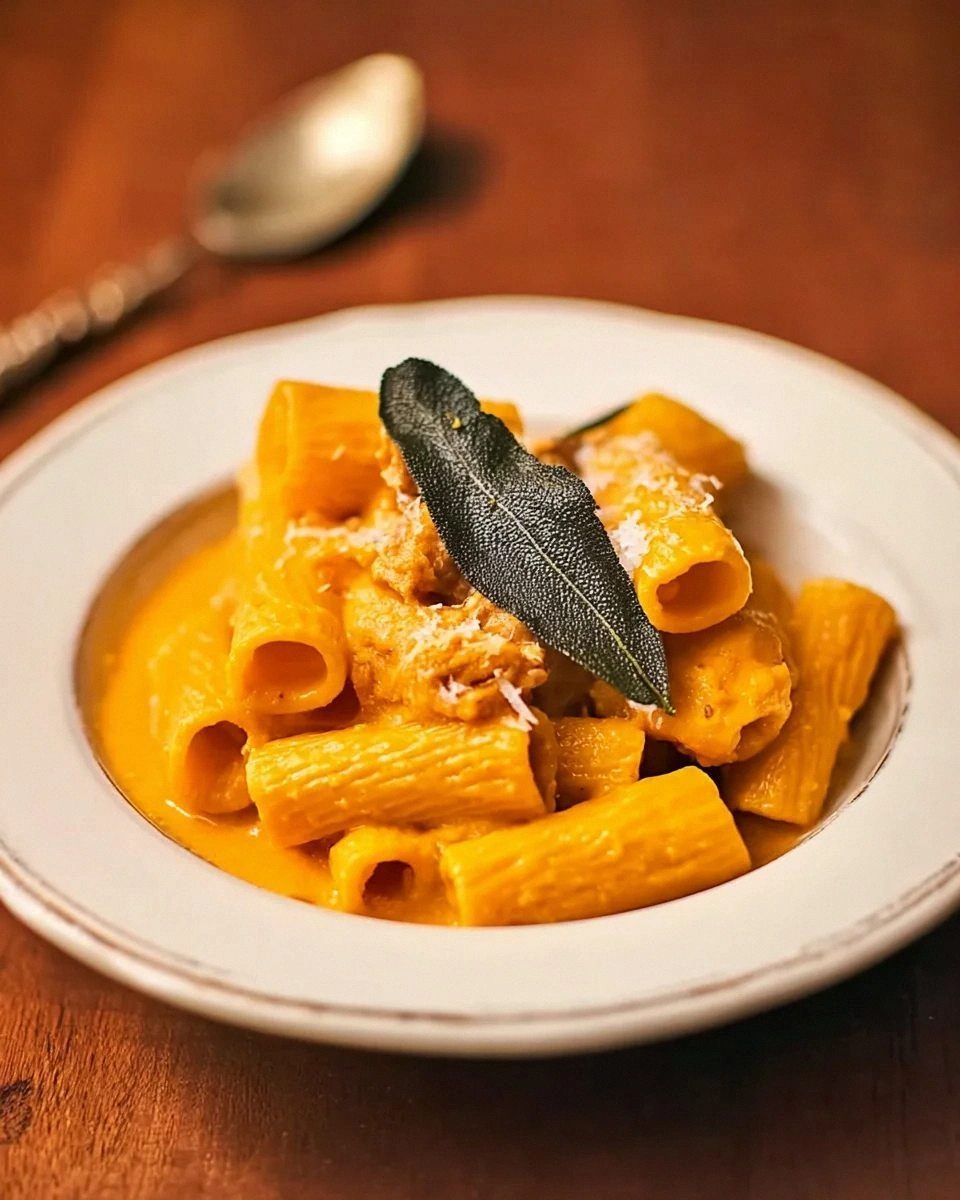
Picture this: a steaming bowl that looks like a liquid gold carpet, speckled with bright orange carrots, emerald peas, and buttery corn kernels, all floating in a fragrant broth that whispers of distant spice markets. The broth isn’t just liquid; it’s a silk‑smooth cloak that embraces each grain of rice, making them plump, fluffy, and impossibly flavorful. I dare you to taste this and not go back for seconds, because the moment the first spoonful hits your tongue, you’ll understand why this version is hands down the best you’ll ever make at home. Most recipes get the broth‑to‑rice ratio completely wrong, leaving you with soggy mush or dry grains, but I’ve cracked the code with a precise 4‑to‑1 liquid‑to‑rice proportion that yields a perfect, spoon‑able texture every single time.
What really sets this dish apart is the subtle heat of black pepper that tingles just enough to keep you awake, and the earthy, almost buttery depth that turmeric brings, turning the whole pot into a golden masterpiece. I’ll be honest — I ate half the batch before anyone else got a chance to try it, and that’s because the combination of flavors is so addictive it feels like a culinary love affair. And here’s the kicker: there’s a secret technique involving a quick toast of the rice in olive oil before adding the broth, which locks in flavor and prevents the rice from becoming gummy. This isn’t just a recipe; it’s a game‑changer that will elevate any weekday dinner into a celebration.
Now, imagine pulling this out of the pot after a 30‑minute simmer, the whole kitchen smelling like a cozy café in the rain, steam curling up and wrapping you in a warm hug. The garnish of fresh parsley adds a pop of green that looks as good as it tastes, while optional toppings like fried onions or a squeeze of lemon add layers of texture and brightness. Okay, ready for the game‑changer? Let me walk you through every single step — by the end, you’ll wonder how you ever made it any other way.
What Makes This Version Stand Out
- Taste: The marriage of turmeric and black pepper creates a warm, aromatic profile that’s both comforting and exciting, turning a simple rice dish into a flavor adventure.
- Texture: By toasting the rice first, each grain stays distinct, giving you that perfect bite that’s neither mushy nor dry.
- Simplicity: Only nine core ingredients are needed, all pantry‑friendly, making this a low‑effort, high‑reward meal.
- Uniqueness: The broth‑infused rice concept is rare in home cooking; most people either make plain rice or a separate soup, but here they’re one.
- Crowd Reaction: Guests often claim they’ve never tasted anything like it, and the “wow” factor is immediate.
- Ingredient Quality: Using long‑grain rice and a good vegetable broth ensures each spoonful is rich and satisfying.
- Cooking Method: The one‑pot approach saves time, reduces cleanup, and lets flavors meld beautifully.
- Make‑Ahead Potential: This dish reheats beautifully, making it perfect for meal prep or leftovers.
Alright, let's break down exactly what goes into this masterpiece...
Inside the Ingredient List
The Flavor Base
The backbone of this dish is the vegetable broth. Using a high‑quality broth (preferably homemade or low‑sodium store‑bought) ensures a deep umami foundation without any pork or alcohol, keeping the dish halal‑friendly. If you skimp on the broth, the rice will taste bland and the whole soup will lack body. A good tip: simmer the broth with a bay leaf and a pinch of salt before you start cooking to amplify its flavor.
Next up, the onion. Finely chopped, it dissolves into the broth, adding sweetness and a subtle sharpness that balances the earthiness of turmeric. Skip the onion and you’ll lose that aromatic depth that makes the broth sing. For a sweeter note, you can sweat the onion in a pinch of butter before adding the oil, but olive oil works perfectly for a clean, bright flavor.
The Texture Crew
The star grain here is long‑grain rice. Its slender shape and low starch content keep each grain separate after cooking, giving you that coveted fluffy texture. Rinse the rice under cold water until the water runs clear; this removes excess surface starch that could otherwise cause clumping. If you can’t find long‑grain, a jasmine rice works as a decent substitute, though the flavor will shift slightly towards a floral note.
Adding mixed vegetables (carrots, peas, corn) not only injects color but also provides a pleasant bite and natural sweetness. These vegetables are pre‑cooked in the broth, so they retain a slight crunch that contrasts beautifully with the soft rice. Feel free to swap in frozen mixed veg for convenience; just add them a minute earlier to ensure they heat through.
The Unexpected Star
Turmeric powder is the golden ticket that transforms the broth into a vibrant, sunny hue while delivering a subtle earthy flavor. It also brings anti‑inflammatory benefits, making this dish a little healthier without sacrificing taste. If you’re wary of turmeric’s strong flavor, start with half a teaspoon and increase to a full teaspoon as you get comfortable.
Black pepper adds a gentle heat that awakens the palate. It works hand‑in‑hand with turmeric, enhancing its bioavailability and giving the soup a warm finish. Freshly cracked pepper is best; pre‑ground can taste muted.
The Final Flourish
A splash of olive oil at the beginning creates a glossy coating on the rice, preventing it from sticking and adding a subtle fruitiness. This step also helps the spices bloom, releasing their full aroma. If you prefer a richer mouthfeel, a tablespoon of butter can be used instead, but olive oil keeps it light and halal‑compliant.
Finishing with fresh parsley adds a bright, herbaceous note that cuts through the richness, while optional toppings like fried onions, lemon wedges, or a dollop of yogurt introduce textural contrast and tang. The yogurt adds creaminess and a slight tang, but ensure it’s halal‑certified if that matters to you.
Everything's prepped? Good. Let's get into the real action...

The Method — Step by Step
Heat a large, heavy‑bottomed pot over medium heat and add the olive oil. When the oil shimmers, toss in the finely chopped onion and a pinch of salt, stirring constantly. You’ll hear a gentle sizzle that signals the onions are beginning to soften—this is the first scent that tells you you’re on the right track. Cook for about 4 minutes until the onions turn translucent and start to caramelize at the edges, releasing a sweet aroma that fills the kitchen.
Kitchen Hack: Add a splash of water if the onions start to stick; this deglazes the pan and helps them soften without burning.Next, stir in the minced garlic and let it cook for just 30 seconds—watch it closely because garlic can turn bitter in a heartbeat. The garlic will release a fragrant, almost nutty scent that mingles with the onions, creating a base that’s both aromatic and inviting. Once you smell that unmistakable garlicky perfume, you know the flavor foundation is set.
Now comes the crucial toast: add the rinsed long‑grain rice to the pot, spreading it evenly. Stir continuously for 2‑3 minutes, allowing each grain to get lightly coated in oil and to pick up the onion‑garlic perfume. You’ll notice the rice turning a faint golden hue and emitting a subtle toasted scent—this is the moment of truth that locks in texture.
Pour in the 4 cups of vegetable broth, scraping the bottom of the pot to release any browned bits. As the broth meets the toasted rice, you’ll hear a gentle bubbling, and the color will shift to a warm, golden‑orange tone thanks to the turmeric. Sprinkle the turmeric powder and black pepper evenly now, letting them dissolve into the liquid. The broth should smell earthy and slightly peppery, a clear sign that the spices are fully integrated.
Bring the mixture to a gentle boil, then reduce the heat to a low simmer. Cover the pot with a tight‑fitting lid and let it cook for 12‑15 minutes, resisting the urge to lift the lid. The rice will absorb the broth, swelling and becoming tender while the vegetables begin to soften. At the 10‑minute mark, give the pot a quick stir to prevent any rice from sticking to the bottom.
When the rice is nearly done, stir in the mixed vegetables. This timing ensures the carrots stay bright orange, the peas stay green, and the corn stays sweet—overcooking would turn them mushy and dull. Cover again and let everything simmer for an additional 5 minutes; the vegetables will heat through and release a sweet, buttery aroma that mingles with the turmeric‑infused broth.
- Watch Out: If you notice the liquid evaporating too quickly, add a splash of water or extra broth; too little liquid will leave the rice undercooked and the soup dry.
Now, turn off the heat and let the pot sit, covered, for 5 minutes. This resting period allows the rice to finish steaming, resulting in a fluffier texture. While you wait, the flavors continue to meld, and the steam carries the scent of turmeric and pepper throughout the kitchen, creating an irresistible invitation for anyone nearby.
Finally, stir in a handful of freshly chopped parsley for a burst of green freshness. Taste and adjust seasoning with a pinch more black pepper or a splash of lemon juice if you crave extra brightness. Serve the soup hot, offering optional toppings like fried onions, a wedge of lemon, or a dollop of yogurt on the side. That final garnish adds texture, acidity, and creaminess, turning each spoonful into a multi‑dimensional experience.
Kitchen Hack: For an extra layer of flavor, drizzle a teaspoon of toasted sesame oil just before serving; it adds a nutty aroma that complements the turmeric beautifully.
That's it — you did it. But hold on, I've got a few more tricks that'll take this to another level...
Insider Tricks for Flawless Results
The Temperature Rule Nobody Follows
Keeping the heat low and steady after the initial boil is crucial. High heat can cause the rice to cook unevenly, leading to a mushy bottom and undercooked tops. I once cranked the stove to a medium‑high setting in a rush and ended up with a scorched layer at the pot’s base—trust me, the smell alone can ruin the entire batch. So, maintain a gentle simmer and trust the timer; the rice will absorb the broth uniformly.
Why Your Nose Knows Best
Never underestimate the power of scent as a cooking gauge. When the onions turn translucent, you’ll smell a sweet, almost caramel note. When the turmeric dissolves, a warm, earthy perfume fills the air. If you ever feel uncertain about whether the broth is ready, let your nose decide—if it smells aromatic and inviting, you’re on the right track.
The 5‑Minute Rest That Changes Everything
After the rice finishes cooking, remove the pot from heat and let it sit, covered, for exactly five minutes. This short rest allows the steam to finish cooking the grains, resulting in a fluffier, more cohesive texture. Skipping this step often leaves the rice a little too firm and the broth slightly watery.
Friend’s Failed Shortcut
A friend once tried to skip the toasting step to save time. The result? A clumpy, soggy mess that tasted like boiled rice in a watery broth. The lesson? The toast is non‑negotiable; it creates that protective barrier that keeps each grain separate.
Balancing Brightness
If the soup feels a touch heavy after the turmeric, a squeeze of fresh lemon juice right before serving lifts the whole dish. The acidity cuts through the richness and brightens the flavors, making each spoonful feel lighter and more refreshing.
Creative Twists and Variations
This recipe is a playground. Here are some of my favorite ways to switch things up:
Spicy Kick
Add a finely chopped jalapeño or a pinch of red pepper flakes when sautéing the onions. The heat pairs beautifully with the earthy turmeric, creating a bold, vibrant flavor profile that’s perfect for chilly evenings.
Coconut Curry Fusion
Swap half of the vegetable broth for coconut milk and add a teaspoon of curry powder. The creamy coconut adds richness while the curry deepens the spice complexity, turning the dish into a tropical comfort bowl.
Protein Power
Stir in cooked chickpeas or diced tofu after the vegetables have softened. These additions boost protein content and make the soup heartier, ideal for a post‑workout meal.
Herbaceous Delight
Replace parsley with fresh cilantro or mint for a different herbaceous note. Cilantro adds a citrusy brightness, while mint introduces a cool, refreshing undertone that pairs well with the lemon garnish.
Smoky Depth
Introduce a teaspoon of smoked paprika along with the turmeric. The smoky flavor adds a subtle BBQ vibe, perfect for serving alongside grilled vegetables or a simple flatbread.
Cheesy Comfort
Stir in a handful of grated Parmesan or a drizzle of cream cheese just before serving. The cheese melts into the broth, creating a velvety texture and a savory richness that feels indulgent.
Storing and Bringing It Back to Life
Fridge Storage
Transfer any leftovers to an airtight container and store them in the refrigerator for up to four days. The rice will continue to absorb broth, so when reheating, add a splash of water or extra broth to restore the original consistency.
Freezer Friendly
This soup freezes beautifully. Portion it into freezer‑safe bags or containers, leaving a little headspace for expansion, and freeze for up to three months. Thaw overnight in the fridge, then reheat gently on the stovetop, adding a bit of liquid as needed.
Best Reheating Method
Reheat on the stovetop over medium heat, stirring occasionally. As soon as the soup starts to steam, add a tablespoon of water or broth, then cover and let it simmer for 3‑4 minutes. This technique revives the rice’s fluffiness and prevents it from drying out.