
Thai Green Curry
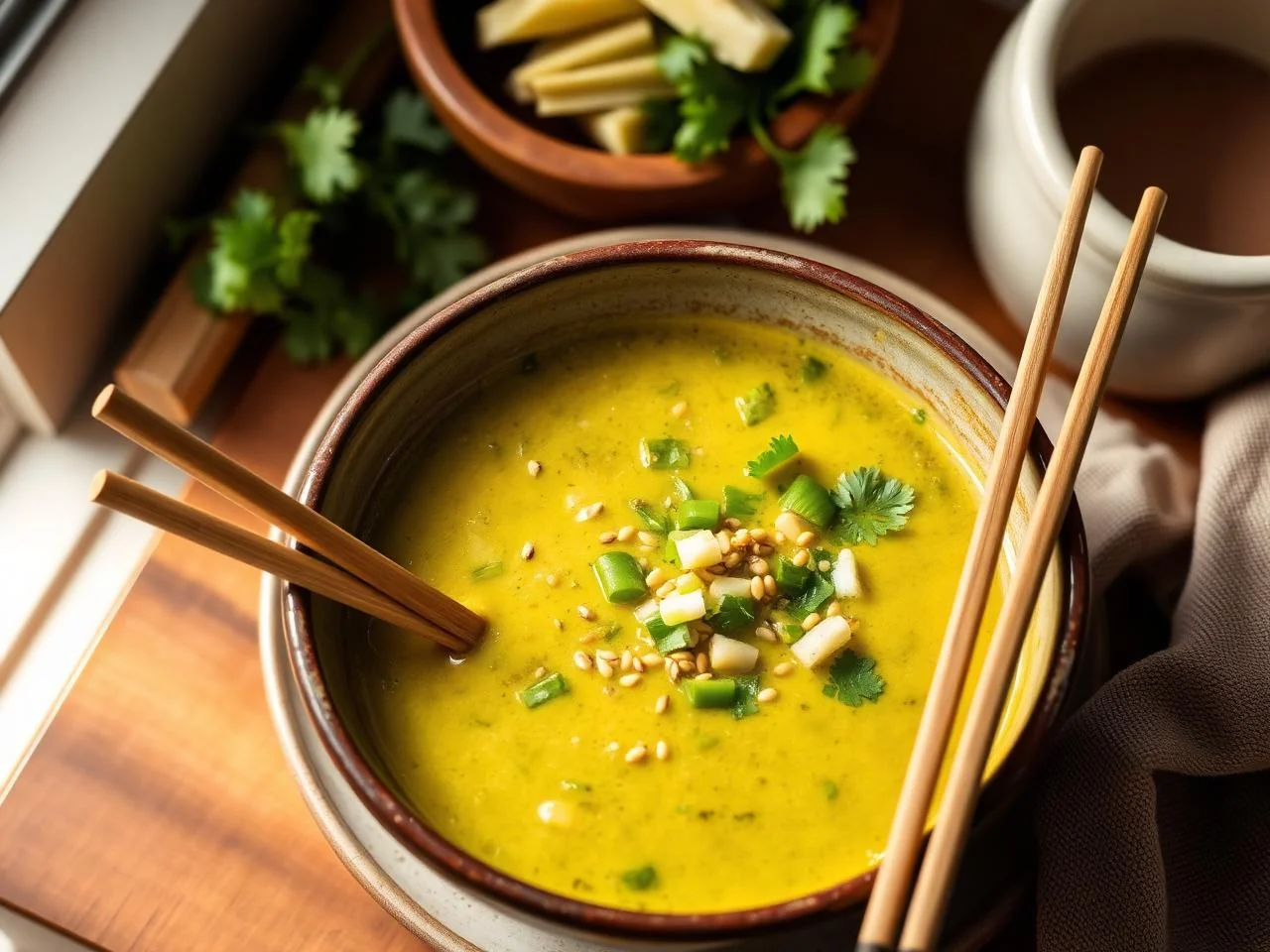
Thai Green Curry is one of my favorite dishes to make at home, and it's a staple in many Asian households. The combination of creamy coconut milk, spicy green chilies, and tender chicken or vegetables is a match made in heaven. In this recipe, I'll show you how to make a delicious and authentic Thai Green Curry that's easy to prepare and perfect for a weeknight dinner or special occasion.
I remember the first time I had Thai Green Curry at a restaurant in Bangkok. The flavors were so vibrant and complex, with a perfect balance of sweet, sour, and spicy. I was determined to recreate that dish at home, and after many attempts, I finally got it just right. Now, I'm excited to share my recipe with you, so you can enjoy this delicious curry in the comfort of your own home.
This recipe is special because it uses a combination of fresh and dried ingredients to create a rich and creamy sauce. The green chilies add a nice spicy kick, while the coconut milk and fish sauce provide a deep and savory flavor. You can also customize the recipe to your taste by adding your favorite protein or vegetables.
Whether you're a seasoned cook or a beginner, this recipe is perfect for anyone who loves Thai food. It's easy to follow, and the steps are straightforward. You can also make it ahead of time and refrigerate or freeze it for later use. So, let's get started and make some delicious Thai Green Curry!
In this recipe, we'll be using a variety of ingredients, including chicken, vegetables, and spices. We'll also be making a homemade curry paste from scratch, which is easy to do and adds a lot of flavor to the dish. Don't worry if you're not familiar with some of the ingredients; I'll explain everything in detail, so you can feel confident and comfortable making this recipe at home.
Why You’ll Love This Recipe
- This recipe is easy to make and requires minimal ingredients.
- The dish is perfect for a weeknight dinner or special occasion.
- You can customize the recipe to your taste by adding your favorite protein or vegetables.
- The homemade curry paste is easy to make and adds a lot of flavor to the dish.
- The recipe is authentic and traditional, using fresh and high-quality ingredients.
- The dish is creamy and rich, with a perfect balance of sweet, sour, and spicy flavors.
Why This Recipe Works
The key to a great Thai Green Curry is the balance of flavors and textures. The creamy coconut milk and spicy green chilies provide a rich and aromatic sauce, while the tender chicken or vegetables add natural sweetness and crunch. The fish sauce and lime juice provide a salty and sour flavor, respectively, which balances out the sweetness of the coconut milk.
The cooking technique is also important, as it helps to develop the flavors and textures of the dish. By sautéing the onions and garlic before adding the curry paste, we create a deep and caramelized flavor that enhances the overall taste of the curry. The slow simmering of the sauce also helps to thicken it and develop the flavors, making it creamy and rich.
Another important aspect of this recipe is the use of fresh and high-quality ingredients. Fresh green chilies, lemongrass, and galangal add a bright and vibrant flavor to the curry, while the coconut milk and fish sauce provide a deep and savory taste. By using these ingredients, we can create a dish that's not only delicious but also authentic and traditional.
Finally, the resting time is crucial in this recipe, as it allows the flavors to meld together and the sauce to thicken. By letting the curry rest for at least 30 minutes before serving, we can ensure that the flavors are balanced and the sauce is creamy and rich.
Ingredients You’ll Need
In this recipe, we'll be using a variety of ingredients, including chicken, vegetables, and spices. The key players are the green chilies, lemongrass, and galangal, which add a bright and vibrant flavor to the curry. We'll also be using coconut milk, fish sauce, and lime juice to create a rich and creamy sauce. When shopping for these ingredients, make sure to look for fresh and high-quality products, as they will make a big difference in the final taste of the dish.
Some ingredients, such as the green chilies and lemongrass, may be hard to find in local supermarkets. You can try looking for them at Asian markets or online. If you can't find them, you can also substitute with other ingredients, such as jalapenos or cilantro. However, keep in mind that the flavor and texture may be slightly different.
- 1 lb (450g) boneless, skinless chicken thighsYou can also use chicken breast or a combination of chicken and shrimp. Make sure to cut the chicken into bite-sized pieces before cooking.
- 2 cups mixed vegetables (bell peppers, carrots, green beans)You can use any combination of vegetables you like, but make sure they are cut into bite-sized pieces before cooking.
- 4-6 green chilies, depending on desired level of spicinessYou can use fresh or dried green chilies, depending on what's available. If using dried, rehydrate them in hot water before using.
- 2 cloves garlic, mincedYou can also use 1 clove of garlic if you prefer a milder flavor.
- 1 tablespoon grated fresh gingerMake sure to peel the ginger before grating it, as the skin can be bitter.
- 2 tablespoons vegetable oilYou can also use coconut oil or other neutral-tasting oil. Make sure to heat the oil before adding the aromatics.
- 2 tablespoons Thai red curry pasteYou can also make your own curry paste from scratch using a combination of spices and aromatics. However, store-bought curry paste is convenient and works well in this recipe.
- 2 cups coconut milkMake sure to use full-fat coconut milk for the best flavor and texture. You can also use low-fat coconut milk if you prefer a lighter version.
- 2 tablespoons fish sauceFish sauce is a key ingredient in Thai cuisine, and it adds a salty and umami flavor to the dish. Make sure to use a high-quality fish sauce for the best flavor.
- 1 tablespoon lime juiceYou can also use lemon juice if you prefer a slightly different flavor. Make sure to squeeze the juice fresh, as bottled juice may not have the same flavor and aroma.
- 1 teaspoon palm sugarYou can also use brown sugar or other sweetener if you prefer. However, palm sugar has a unique flavor that works well in this dish.
- 1/2 teaspoon saltMake sure to use a high-quality salt, such as sea salt or kosher salt, for the best flavor.
- 1/4 teaspoon black pepperYou can also use white pepper if you prefer a milder flavor. Make sure to grind the pepper fresh, as pre-ground pepper may lose its flavor and aroma.
Equipment You’ll Need
How to Make Thai Green Curry
- 1Heat 1 tablespoon of oil in a large skillet or wok over medium-high heat. Make sure the oil is hot before adding the aromatics.
- 2Add the minced garlic and grated ginger to the skillet and sauté for 1-2 minutes, until fragrant. Make sure to stir constantly to prevent burning.
- 3Add the mixed vegetables to the skillet and sauté for 3-4 minutes, until they start to soften. Make sure to stir occasionally to prevent burning.
- 4Add the chicken to the skillet and cook until browned on all sides and cooked through, about 5-7 minutes. Make sure to stir occasionally to prevent burning.
- 5Remove the chicken and vegetables from the skillet and set aside. Leave the oil and aromatics in the skillet.
- 6Add the remaining 1 tablespoon of oil to the skillet and heat over medium heat. Make sure the oil is hot before adding the curry paste.
- 7Add the Thai red curry paste to the skillet and cook, stirring constantly, for 1-2 minutes, until fragrant. Make sure to cook the paste until it's dark red and has a rich aroma.
- 8Add the coconut milk to the skillet and stir to combine with the curry paste. Make sure to scrape the bottom of the skillet to release all the flavors.
- 9Add the fish sauce, lime juice, palm sugar, salt, and black pepper to the skillet and stir to combine. Make sure to taste and adjust the seasoning as needed.
- 10Return the chicken and vegetables to the skillet and stir to combine with the sauce. Make sure to coat everything evenly with the sauce.
- 11Reduce the heat to low and simmer the curry for 10-15 minutes, until the sauce has thickened and the flavors have melded together. Make sure to stir occasionally to prevent burning.
- 12Taste and adjust the seasoning as needed. You can add more fish sauce, lime juice, or palm sugar to taste.
- 13Serve the curry hot, garnished with fresh herbs and steamed rice or noodles. Make sure to serve immediately, as the curry will thicken as it cools.
Expert Tips
- Make sure to use high-quality ingredients, such as fresh green chilies and lemongrass, for the best flavor.
- Don't overcook the chicken and vegetables, as they can become tough and dry.
- Use a variety of vegetables, such as bell peppers, carrots, and green beans, for a colorful and nutritious dish.
- Don't be afraid to adjust the seasoning to taste, as the flavor of the curry can vary depending on the ingredients and personal preference.
- Serve the curry with steamed rice or noodles, as they help to soak up the flavorful sauce.
- You can also serve the curry with roti or naan bread, as they add a nice texture and flavor to the dish.
- Make sure to refrigerate or freeze the curry promptly, as it can spoil quickly if left at room temperature.
- Reheat the curry gently, as high heat can cause the sauce to break and the flavors to become unbalanced.
Common Mistakes to Avoid
- Not cooking the curry paste long enough, which can result in a raw and bitter flavor.
- Not using enough oil, which can cause the aromatics to burn and the sauce to become too thick.
- Overcooking the chicken and vegetables, which can make them tough and dry.
- Not adjusting the seasoning to taste, which can result in a curry that's too salty or too sweet.
- Not using high-quality ingredients, such as fresh green chilies and lemongrass, which can affect the flavor and aroma of the dish.
- Not serving the curry promptly, which can cause the sauce to thicken and the flavors to become unbalanced.
Variations and Substitutions
- Using different types of protein, such as shrimp or pork, for a variation in flavor and texture.
- Adding other vegetables, such as potatoes or zucchini, for added nutrition and flavor.
- Using different types of curry paste, such as massaman or panang, for a variation in flavor.
- Adding nuts or seeds, such as peanuts or sesame seeds, for added crunch and flavor.
- Using coconut cream instead of coconut milk for a richer and creamier sauce.
- Adding a splash of citrus juice, such as lemon or lime, for a brighter and more refreshing flavor.
- Using fresh herbs, such as basil or cilantro, for a brighter and more aromatic flavor.
What to Serve With Thai Green Curry
Serve the Thai Green Curry hot, garnished with fresh herbs and steamed rice or noodles. You can also serve it with roti or naan bread, as they add a nice texture and flavor to the dish. For a more substantial meal, you can serve the curry with a side of vegetables or a salad. The curry also pairs well with a variety of drinks, such as coconut water or Thai iced tea.
Some other serving suggestions include serving the curry with a fried egg on top, or adding some crispy fried shallots for added crunch. You can also serve the curry with a side of pickled vegetables, such as cucumbers or carrots, for a nice contrast in flavor and texture.
Make-Ahead, Storage, Freezing and Reheating
The Thai Green Curry can be refrigerated for up to 3 days or frozen for up to 2 months. When refrigerating, make sure to store the curry in an airtight container and keep it at a consistent refrigerator temperature. When freezing, make sure to freeze the curry in airtight containers or freezer bags, and label them with the date and contents.
To reheat the curry, simply heat it gently over low heat, stirring occasionally, until the sauce is hot and the flavors are melded together. You can also reheat the curry in the microwave, but make sure to stir it every 30 seconds to prevent burning. When reheating, you can add a splash of water or coconut milk to thin out the sauce if it's become too thick.
It's also important to note that the curry will thicken as it cools, so you may need to add a little water or coconut milk to thin it out when reheating. You can also add a splash of citrus juice, such as lemon or lime, to brighten up the flavors and refresh the curry.
In addition to refrigerating and freezing, you can also make the curry ahead of time and store it in the refrigerator or freezer. Simply cook the curry until it's almost done, then let it cool and refrigerate or freeze it. When you're ready to serve, simply reheat the curry and finish cooking it until the sauce is hot and the flavors are melded together.
Frequently Asked Questions
What type of protein can I use in the Thai Green Curry?
You can use a variety of proteins, such as chicken, shrimp, pork, or tofu. Make sure to adjust the cooking time and method according to the protein you choose.
Can I make the curry paste from scratch?
Yes, you can make the curry paste from scratch using a combination of spices and aromatics. However, store-bought curry paste is convenient and works well in this recipe.
What type of vegetables can I use in the Thai Green Curry?
You can use a variety of vegetables, such as bell peppers, carrots, green beans, and potatoes. Make sure to adjust the cooking time according to the vegetable you choose.
Can I serve the Thai Green Curry with something other than rice or noodles?
Yes, you can serve the curry with roti or naan bread, or with a side of vegetables or a salad. The curry also pairs well with a variety of drinks, such as coconut water or Thai iced tea.
How do I store the Thai Green Curry?
The curry can be refrigerated for up to 3 days or frozen for up to 2 months. Make sure to store it in an airtight container and keep it at a consistent refrigerator temperature.
Can I make the Thai Green Curry ahead of time?
Yes, you can make the curry ahead of time and store it in the refrigerator or freezer. Simply cook the curry until it's almost done, then let it cool and refrigerate or freeze it. When you're ready to serve, simply reheat the curry and finish cooking it until the sauce is hot and the flavors are melded together.
What is the best way to reheat the Thai Green Curry?
The best way to reheat the curry is to heat it gently over low heat, stirring occasionally, until the sauce is hot and the flavors are melded together. You can also reheat the curry in the microwave, but make sure to stir it every 30 seconds to prevent burning.
Can I add other ingredients to the Thai Green Curry?
Yes, you can add other ingredients, such as nuts or seeds, to the curry for added flavor and texture. Make sure to adjust the seasoning and cooking time according to the ingredients you add.
Is the Thai Green Curry spicy?
The level of spiciness in the curry depends on the type and amount of green chilies you use. You can adjust the level of spiciness to your taste by adding more or fewer green chilies.
Ingredients
- 1 lb (450g) boneless, skinless chicken thighs
- 2 cups mixed vegetables (bell peppers, carrots, green beans)
- 4-6 green chilies, depending on desired level of spiciness
- 2 cloves garlic, minced
- 1 tablespoon grated fresh ginger
- 2 tablespoons vegetable oil
- 2 tablespoons Thai red curry paste
- 2 cups coconut milk
- 2 tablespoons fish sauce
- 1 tablespoon lime juice
- 1 teaspoon palm sugar
- 1/2 teaspoon salt
- 1/4 teaspoon black pepper
Instructions
- Heat 1 tablespoon of oil in a large skillet or wok over medium-high heat. Make sure the oil is hot before adding the aromatics.
- Add the minced garlic and grated ginger to the skillet and sauté for 1-2 minutes, until fragrant. Make sure to stir constantly to prevent burning.
- Add the mixed vegetables to the skillet and sauté for 3-4 minutes, until they start to soften. Make sure to stir occasionally to prevent burning.
- Add the chicken to the skillet and cook until browned on all sides and cooked through, about 5-7 minutes. Make sure to stir occasionally to prevent burning.
- Remove the chicken and vegetables from the skillet and set aside. Leave the oil and aromatics in the skillet.
- Add the remaining 1 tablespoon of oil to the skillet and heat over medium heat. Make sure the oil is hot before adding the curry paste.
- Add the Thai red curry paste to the skillet and cook, stirring constantly, for 1-2 minutes, until fragrant. Make sure to cook the paste until it's dark red and has a rich aroma.
- Add the coconut milk to the skillet and stir to combine with the curry paste. Make sure to scrape the bottom of the skillet to release all the flavors.
- Add the fish sauce, lime juice, palm sugar, salt, and black pepper to the skillet and stir to combine. Make sure to taste and adjust the seasoning as needed.
- Return the chicken and vegetables to the skillet and stir to combine with the sauce. Make sure to coat everything evenly with the sauce.
- Reduce the heat to low and simmer the curry for 10-15 minutes, until the sauce has thickened and the flavors have melded together. Make sure to stir occasionally to prevent burning.
- Taste and adjust the seasoning as needed. You can add more fish sauce, lime juice, or palm sugar to taste.
- Serve the curry hot, garnished with fresh herbs and steamed rice or noodles. Make sure to serve immediately, as the curry will thicken as it cools.