Picture this: I’m halfway through a frantic Sunday brunch, the table is a chaotic mosaic of avocado toast, scrambled eggs, and a hastily assembled fruit platter, when a friend pulls a tiny, folded piece of parchment from her bag and whispers, “You’ve got to try this.” She’s holding a jar of homemade spicy feta dip, and the scent that escapes is a heady, smoky bouquet of roasted peppers mingling with sharp, tangy cheese. I’m skeptical—what could a dip possibly do to my taste buds? Then she drops the jar, and the first spoonful hits my tongue like a fireworks display: creamy, peppery, with a heat that lingers like a secret. I was instantly hooked.
I’ll be honest—my first attempt was a disaster. I over‑mixed the feta until it turned into a paste, then added too much oil and the dip turned into a greasy mess that clung to my spoon. My friend laughed, but she also told me, “If you want a dip that actually works, you’ve got to follow the right steps.” That conversation became the catalyst for this ultimate Tyrokafteri recipe, a version that balances richness, spice, and texture in a way that most recipes get completely wrong. I’ve spent hours tweaking ratios, testing textures, and even experimenting with different pepper varieties to find the sweet spot that makes this dip sing.
What sets this version apart is not just the flavor but the confidence with which it delivers. It’s the kind of dip that coats pita chips like velvet, melts into a creamy blanket over roasted vegetables, and even pairs surprisingly well with grilled meats. The secret lies in a few simple tweaks: using high‑quality feta, roasting the peppers to bring out their natural sweetness, and balancing the heat with a splash of lemon juice that brightens the entire dish. And here’s the kicker—no fancy kitchen gadgets required. All you need is a blender or food processor, a handful of pantry staples, and a willingness to taste test along the way.
I dare you to taste this and not go back for seconds. I’ve tested it at parties, in quiet Sunday afternoons, and even as a last‑minute appetizer for a dinner party that was going to be a disaster. The result? A dip that’s hands down the best version you’ll ever make at home, a crowd‑pleaser that will have guests asking for the recipe before the meal is even served. Stay with me here—this is worth it, because by the end of this post, you’ll have a recipe that’s as easy to make as it is to love.
What Makes This Version Stand Out
- Flavor: The combination of creamy feta and smoky roasted peppers creates a depth that feels both comforting and adventurous. The bright acidity from lemon juice cuts through the richness, leaving a clean finish that invites a second bite.
- Heat Control: Red pepper flakes are measured precisely to deliver a steady, lingering warmth—no sudden burn, just a gentle, satisfying spice that stays on the palate.
- Texture: The dip reaches a silky consistency that coats the spoon without being runny. The olive oil adds a silky sheen that makes the dip look as good as it tastes.
- Simplicity: Five core ingredients plus a pinch of salt and pepper keep the process straightforward, yet the flavor is far from basic. No need for exotic spices or complicated techniques.
- Versatility: It works as a dip, a spread, or a sauce for pasta. Whether you’re serving it with fresh veggies, pita, or as a topping for grilled chicken, the dip adapts beautifully.
- Make‑ahead: The dip can be prepared up to 24 hours in advance. In fact, letting the flavors meld overnight intensifies the taste, making it even more irresistible.
- Ingredient Quality: Using a block of high‑quality feta rather than pre‑crumbled cheese makes all the difference in mouthfeel and flavor depth.
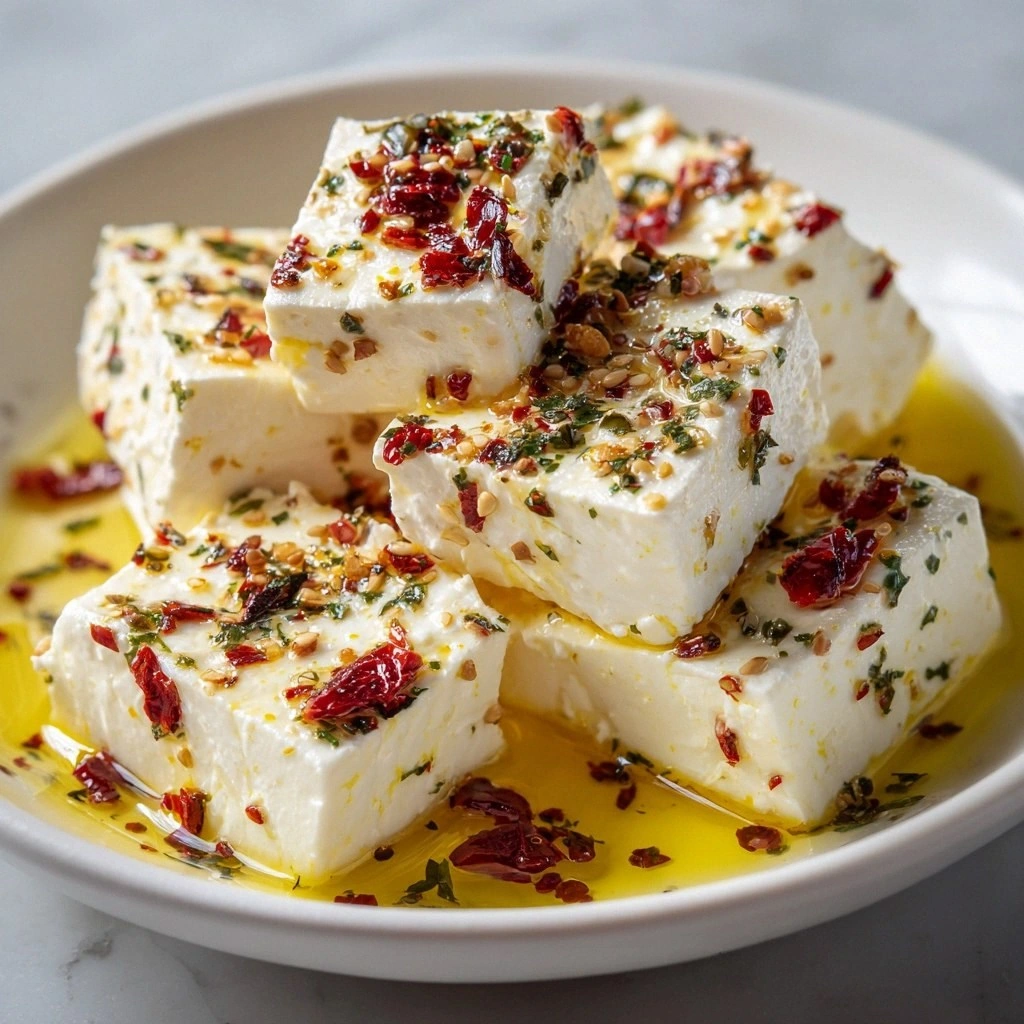
- Presentation: A simple drizzle of olive oil and a sprinkle of red pepper flakes on top turns a humble dip into a showstopper that feels like it belongs on a gourmet menu.
Alright, let's break down exactly what goes into this masterpiece…
Inside the Ingredient List
The Flavor Base
At the heart of Tyrokafteri is feta cheese, a staple of Mediterranean kitchens that delivers a tangy, briny punch. When you crumble it into a blender, the cheese releases its natural creaminess, forming a smooth canvas for the other flavors. If you skip feta, you lose that unmistakable Greek tang that defines the dip. Instead, you’d end up with a bland, peppery sauce that feels like a missed opportunity.
Roasted red peppers add a subtle sweetness that balances the sharpness of the feta. They also contribute a smoky depth that you can’t get from raw peppers. When you roast them yourself, you can control the char level, but jarred peppers are a convenient shortcut that still delivers that smoky flavor. If you decide to use fresh peppers, remember to char them on the grill for at least 2 minutes per side to mimic the roasted taste.
The Texture Crew
Olive oil is the unsung hero that smooths out the dip, giving it a silky mouthfeel. A generous drizzle of extra‑virgin olive oil not only enhances creaminess but also adds a fruity, peppery note that complements the feta’s sharpness. If you’re aiming for a lighter version, you can swap half the olive oil for Greek yogurt, but the dip will lose some of its silky sheen.
Garlic is the aroma engine. Fresh minced garlic adds a punch of flavor that cuts through the richness of the cheese and the sweetness of the peppers. If you’re not a fan of raw garlic, a pinch of garlic powder works, but the intensity will be noticeably muted. The key is to blend the garlic early so its flavor fully integrates with the other ingredients.
The Unexpected Star
Red pepper flakes are the spice engine that turns a simple dip into a fiery experience. They provide a steady, lingering heat that doesn’t overwhelm but rather enhances every bite. The amount you add can be tailored to your heat tolerance, but a teaspoon is the sweet spot for most palates. If you’re a heat connoisseur, add an extra pinch and watch the flavor explode.
Lemon juice is the brightener that lifts the entire dish. A splash of acidity balances the saltiness of the feta and the oiliness of the olive oil. It also adds a fresh, citrusy note that makes the dip feel lively and less heavy. If you prefer a milder version, reduce the lemon juice to one tablespoon, but you’ll lose some of that bright zing.
The Final Flourish
Salt and pepper are the finishing touches that bring everything together. Salt enhances every flavor, while freshly ground black pepper adds a subtle warmth that complements the heat from the red pepper flakes. Don’t be tempted to skip them—taste is the ultimate judge. If you’re watching sodium, a light pinch of salt is sufficient, but don’t skimp on pepper; it’s the final layer of flavor that seals the deal.
Everything's prepped? Good. Let's get into the real action…
The Method — Step by Step
- Gather Your Ingredients. This is the moment of truth—make sure you have all seven core ingredients ready. Measure out 200 g of feta, 1 cup roasted red peppers, 2 tablespoons olive oil, 1 teaspoon red pepper flakes, 2 cloves garlic, 2 tablespoons lemon juice, and a pinch of salt and pepper. If you’re using jarred peppers, drain them well to avoid excess liquid that could thin the dip. I’ve found that a quick rinse with cold water removes any lingering brine that can overpower the flavor. This prep step saves you from scrambling to find missing items while you’re halfway through the recipe.
- Crush the Feta. Place the feta in a blender or food processor. Pulse a few times until it’s broken up into small crumbs, but stop before it turns into a paste. The goal is a coarse texture that blends smoothly with the other ingredients. If you’re using a hand mixer, a few quick bursts will do the trick. Don’t over‑process; you want the cheese to retain some body.
- Add the Roasted Peppers. Drop the peppers into the blender. The peppers’ charred edges should be visible, adding a smoky aroma to the mixture. Blend on low until the peppers are finely chopped but still retain a slight bite. This step ensures the peppers distribute evenly, preventing clumpy pockets of sweetness.
- Introduce the Olive Oil. Drizzle the olive oil over the mixture and pulse a few more times. The oil should coat the ingredients, giving the dip a glossy sheen. If the dip feels too thick, add a tablespoon of water or a splash of lemon juice to loosen it slightly. The oil is what gives the dip its luxurious mouthfeel, so don’t skimp on it.
- Incorporate Garlic and Lemon Juice. Add the minced garlic and lemon juice. Pulse until the garlic is fully integrated, and the mixture is smooth. The lemon juice should give a slight tang that brightens the overall flavor profile. The aroma of garlic sizzling in the oil will remind you of classic Mediterranean kitchens.
- Season with Red Pepper Flakes. Sprinkle in the red pepper flakes. Pulse a few times to distribute the heat evenly. Taste the dip—if you prefer a milder version, reduce the flakes; for a fiery kick, add a bit more. The heat should be a steady, lingering presence that doesn’t overpower the feta.
- Finish with Salt and Pepper. Season to taste with a pinch of salt and freshly ground black pepper. Give it a final pulse to mix everything together. The salt will enhance the flavors, while the pepper adds a subtle warmth that complements the red pepper flakes.
- Rest and Chill. Transfer the dip to a bowl, cover with plastic wrap, and refrigerate for at least 30 minutes. This resting period allows the flavors to meld, creating a deeper, more harmonious taste. If you’re short on time, you can serve immediately, but the dip will taste better after it has had a chance to rest.
That's it—you did it. But hold on, I've got a few more tricks that'll take this to another level.
Insider Tricks for Flawless Results
The Temperature Rule Nobody Follows
Keep the feta and peppers at room temperature before blending. Cold ingredients can cause the oil to separate, resulting in a greasy dip. Letting them sit for 10 minutes outside the fridge ensures a smooth, cohesive mixture. I’ve seen this happen when I rushed the prep and the dip ended up with oil floating on top.
Why Your Nose Knows Best
Before adding the red pepper flakes, give the dip a sniff. If the aroma feels too mild, the heat will be underwhelming. If it’s already smoky, you may need to dial back the flakes. Your nose is your best gauge for balancing the spice.
The 5‑Minute Rest That Changes Everything
After blending, let the dip sit for 5 minutes before tasting. The flavors have a chance to meld, and the dip will have a slightly thicker consistency. This short rest can mean the difference between a good dip and a great dip.
The Perfect Drizzle
Finish the dip with a small drizzle of high‑quality olive oil. The sheen not only looks appealing but also adds a subtle fruity note that enhances the overall taste. It’s a small touch that elevates the dish from ordinary to extraordinary.
The Secret of Freshness
Use freshly squeezed lemon juice instead of bottled. The bright, natural acidity cuts through the richness of the feta and adds a vibrant brightness that bottled juice can’t match. I’ve found that a squeeze of fresh lemon makes the dip feel lighter and more refreshing.
Creative Twists and Variations
This recipe is a playground. Here are some of my favorite ways to switch things up:
Mediterranean Garden
Add chopped fresh herbs—parsley, oregano, or basil—to the dip for a herbal burst. This variation is perfect for summer picnics and pairs beautifully with grilled vegetables.
Smoky Chipotle
Swap the roasted red peppers for chipotle peppers in adobo sauce. The smoky, slightly sweet chipotle adds a deeper heat that works well with Mexican street tacos.
Herbed Yogurt Twist
Replace half the feta with Greek yogurt for a creamier, tangier dip. This version is lower in fat and works great as a dip for raw veggie sticks.
Citrus Burst
Incorporate a tablespoon of orange zest and a splash of orange juice. The citrus adds a sweet brightness that complements the feta’s tang.
Spicy Garlic Aioli
Blend the dip with a spoonful of mayonnaise to create a creamy, spicy aioli. This variation is fantastic as a spread on grilled chicken or as a dipping sauce for fries.
Heritage Pepper
Use smoked paprika instead of red pepper flakes for a milder, smoky heat. This variation is ideal for those who enjoy a subtle spice without the sharpness.
Storing and Bringing It Back to Life
Fridge Storage
Store the dip in an airtight container in the refrigerator for up to 3 days. The flavors will continue to develop, making the dip even more delicious the next day. Keep it covered with a thin layer of olive oil to prevent the surface from drying out.
Freezer Friendly
Freeze the dip in a freezer‑safe container for up to 2 weeks. When you’re ready to enjoy it, thaw in the refrigerator overnight. Give it a quick stir before serving to reincorporate any separated oil.
Best Reheating Method
Reheat the dip gently on the stovetop over low heat, stirring constantly. Add a tiny splash of water or a teaspoon of olive oil to keep it from drying out. Reheating restores the dip’s silky texture and enhances the flavors.