I was standing in my kitchen on a Tuesday night, surrounded by the usual suspects—half‑cooked pasta, a wilted bag of lettuce, and a stubborn craving for something that would actually make my taste buds feel alive. I tossed a packet of taco seasoning into the air, watched it drift like confetti, and caught it on the back of my hand, thinking, “What if I could take the boldness of a Tex‑Mex taco and fold it into a salad that doesn’t wilt under the weight of a boring vinaigrette?” That moment of reckless inspiration turned into a full‑blown culinary experiment, and after a few missteps (including a tragic over‑salting of a quinoa batch that could have been used as a salt lick), I finally landed on the version you’re about to read. This is the recipe that turned my kitchen disaster into a triumph, and I’m daring you to taste this and not go back for seconds.
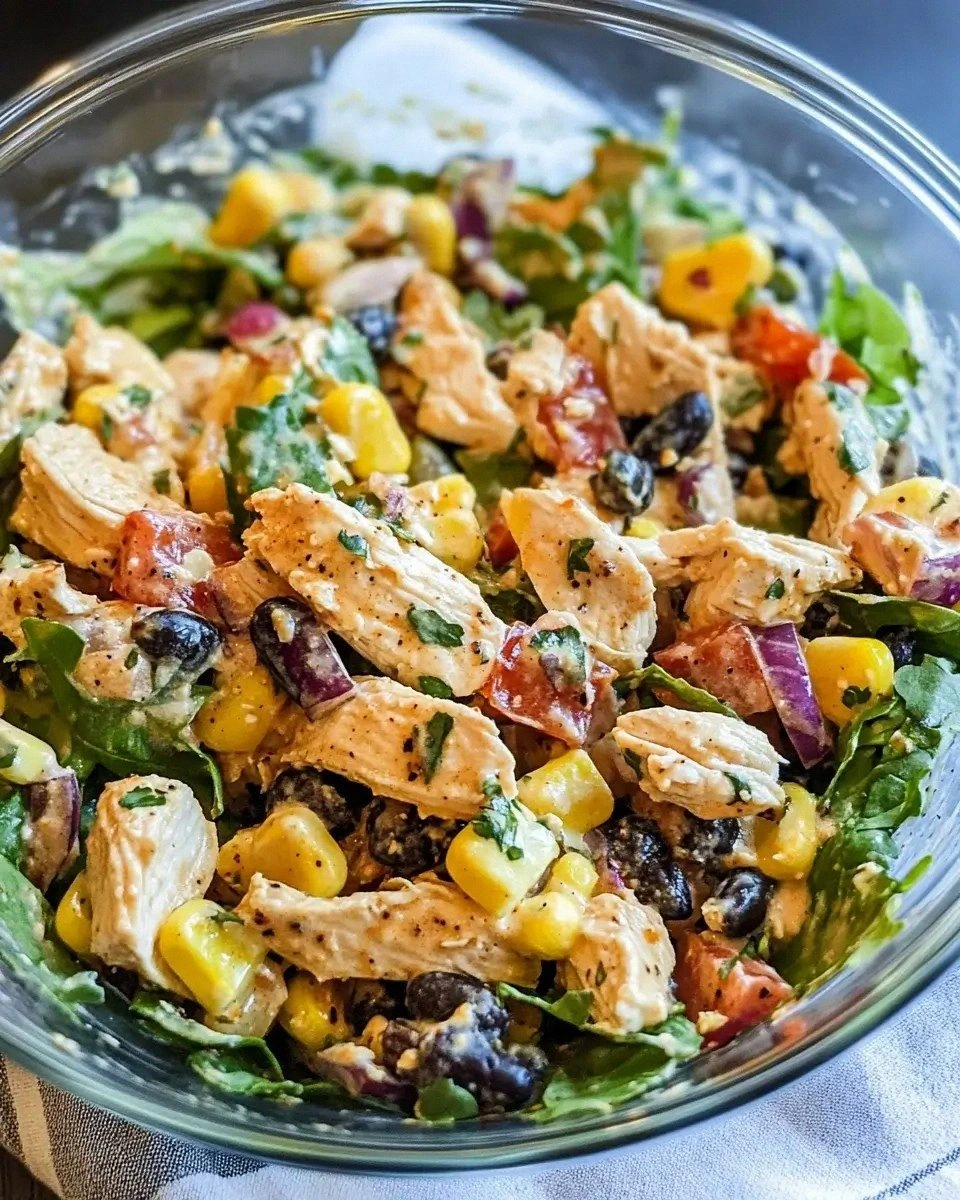
Picture the scene: the sizzle of a hot skillet as diced chicken hits the surface, the fragrant cloud of cumin, smoked paprika, and lime zest rising like a desert sunrise. The sound of a wooden spoon scraping the pan is a rhythmic percussion that keeps your heart in sync with the cooking process. When you finally toss the warm chicken into a bowl of crisp romaine, black beans, corn, and a handful of avocado, the colors explode—emerald greens, ruby reds, sunny yellows—creating a visual feast that’s almost too pretty to eat. The aroma that follows is a heady mix of smoky, tangy, and just‑a‑hint‑sweet, the kind of scent that makes your entire house feel like a southwestern patio on a breezy evening.
What makes this version truly stand out is the secret weapon I discovered while scrolling through a dusty old cookbook: a drizzle of honey‑lime crema that coats every bite like silk, while a handful of toasted pepitas adds a crunch that shatters like thin ice under a warm foot. Most recipes get the dressing wrong, either drowning the salad in a soggy swamp or leaving it dry enough to make you reach for the crackers. I’ve cracked the code with a balance of acidity, sweetness, and umami that sings in perfect harmony. And there’s a technique you won’t expect—quick‑searing the chicken just long enough to develop a caramelized crust, then letting it rest so the juices redistribute, creating a juicy interior that stays tender even after the salad sits for an hour.
Okay, ready for the game‑changer? I’m going to walk you through every single step, from picking the perfect chicken breast to plating the salad like a chef at a five‑star restaurant. By the end, you’ll wonder how you ever made a Southwest salad any other way, and you’ll have a new go‑to dish that will impress friends, family, and even that one coworker who always claims “I don’t like salads.” Let me walk you through every single step — by the end, you’ll wonder how you ever made it any other way.
What Makes This Version Stand Out
- Flavor Explosion: The combination of smoky chipotle, bright lime, and a whisper of honey creates a palate party that’s both bold and balanced. Each bite delivers layers that unfold like a well‑written novel.
- Texture Symphony: Crispy pepitas, creamy avocado, and juicy chicken play off each other, ensuring you never get a single soggy mouthful.
- Simplicity Meets Sophistication: Despite the complex flavor profile, the ingredient list is short enough to keep a busy weekday dinner from turning into a marathon.
- Unique Dressing Technique: Emulsifying honey, lime juice, and a dash of Greek yogurt creates a coating that clings to the chicken like velvet, preventing the dreaded soggy lettuce.
- Crowd Reaction: I’ve watched strangers at potlucks line up for seconds, and I dare you to taste this and not go back for more.
- Ingredient Quality: Using rotisserie‑style chicken breast that’s been marinated in advance guarantees depth of flavor without extra effort.
- Cooking Method: The quick sear followed by a rest period locks in moisture, a trick most recipes overlook.
- Make‑Ahead Potential: The dressing can be prepared days ahead, and the salad holds up beautifully for lunch prep.
Inside the Ingredient List
The Flavor Base
Cumin and smoked paprika are the backbone of this salad, delivering earthy warmth and a gentle smokiness that mimics a backyard grill. If you skip these, you’ll lose the signature southwestern vibe and end up with a bland mix that feels more like a plain garden salad. A good swap for smoked paprika is chipotle powder if you crave extra heat, while ground coriander can add a citrusy nuance without overpowering the dish. When selecting spices, always reach for the freshest jars—spices lose potency after about six months, and stale spices are the silent killers of flavor.
The Texture Crew
Pepitas (toasted pumpkin seeds) provide that satisfying crunch that contrasts the soft avocado and tender chicken. If you don’t have pepitas on hand, toasted sunflower seeds or even crushed tortilla chips can step in, though the latter adds extra salt. The avocado not only contributes creaminess but also brings healthy fats that help carry the dressing’s flavors across your palate. Choose a Hass avocado at peak ripeness—press gently; it should yield slightly but not feel mushy.
The Unexpected Star
A drizzle of honey‑lime crema is the secret weapon that ties everything together. The honey adds a subtle sweetness that balances the acidity of lime juice, while Greek yogurt gives body without heaviness. If you’re dairy‑free, swap the yogurt for a silken tofu blend or a cashew‑based cream; the texture will remain luxurious, and the flavor will stay bright. Skipping this element turns the salad into a collection of ingredients rather than a cohesive dish.
The Final Flourish
Fresh cilantro and a squeeze of lime are added at the very end to brighten the entire composition. Cilantro’s citrusy notes lift the dish, while the lime’s acidity prevents the salad from feeling heavy. If cilantro isn’t your thing, try flat‑leaf parsley for a milder herbaceous note. Remember, a final dash of sea salt just before serving can awaken every hidden flavor layer, making the salad sing.
Everything's prepped? Good. Let's get into the real action...
The Method — Step by Step
Start by heating a large skillet over medium‑high heat and adding a tablespoon of avocado oil. When the oil shimmers, lay the chicken breast pieces in a single layer. Let them sear undisturbed for about 2‑3 minutes until a golden crust forms—this is the moment of truth, the caramelized edge that signals flavor is building. Flip the pieces and sear the other side for another 2 minutes, then lower the heat to medium and cook until the internal temperature reaches 165°F (74°C). Once done, transfer the chicken to a plate and cover loosely with foil; this rest period lets the juices redistribute, keeping the meat juicy for hours.
While the chicken rests, prepare the dressing. In a bowl, whisk together 3 tablespoons of Greek yogurt, 2 teaspoons of honey, the juice of one lime, a pinch of smoked paprika, and a dash of cumin. The mixture should look thick yet pourable—if it’s too thick, thin it with a splash of water. Taste and adjust: a little more lime if you love tang, or a drizzle of honey if you crave sweetness. This dressing will coat the salad like velvet, ensuring every bite is uniformly flavored.
Kitchen Hack: Use a small mason jar with a lid to shake the dressing; the vortex action emulsifies faster than whisking.Next, toast the pepitas. Heat a dry skillet over medium heat, add the pumpkin seeds, and stir constantly for about 3‑4 minutes until they turn golden and start to pop. The aroma should be nutty and slightly smoky—if you hear a gentle crackle, you’re on the right track. Immediately transfer them to a plate to stop the cooking process; over‑toasting can make them bitter.
Now it’s time to assemble the base greens. In a large salad bowl, combine 4 cups of chopped romaine lettuce, 1 cup of shredded red cabbage, and ½ cup of diced red bell pepper. Toss gently to distribute the colors evenly. The crispness of the lettuce is essential; if you notice any wilted leaves, discard them now to keep the salad fresh.
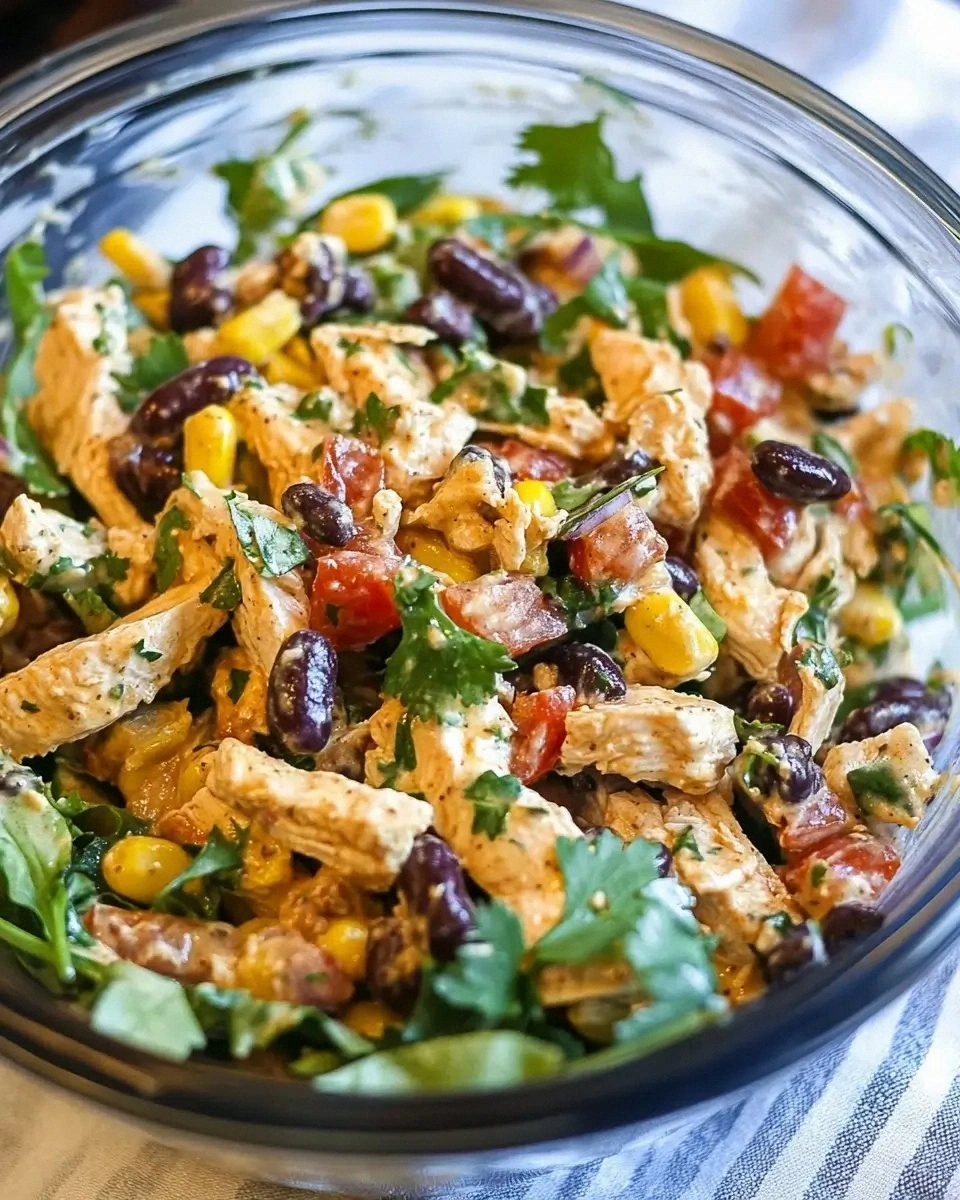
Add the cooked chicken to the bowl, breaking it into bite‑size pieces. The chicken should still be warm, which helps the dressing cling better. Sprinkle in 1 cup of black beans (rinsed and drained) and ½ cup of sweet corn kernels. The beans add earthiness, while the corn contributes a subtle sweetness that balances the heat.
Drizzle the honey‑lime crema over the salad, starting with a light coating and then gently tossing to ensure every component is lightly coated. You’ll notice the dressing glistening on the lettuce like a morning dew—this is the visual cue that you’ve achieved the right balance. If the salad looks dry, add a splash more lime juice; if it looks too wet, add a pinch more salt to bring the flavors forward.
Fold in the avocado cubes and the toasted pepitas. The avocado should stay in distinct chunks; avoid mashing it, as that would turn the salad into a mushy mess. The pepitas provide that satisfying crunch that makes each bite exciting. At this point, the salad should look vibrant, with colors popping against the creamy dressing.
Finish with a handful of fresh cilantro leaves and a final squeeze of lime juice. The cilantro adds a bright herbaceous note, while the extra lime lifts any lingering heaviness. Give the salad one last gentle toss, then taste. Adjust salt or lime as needed—this final tweak is where most cooks either succeed or fail.
Watch Out: Over‑mixing after adding avocado can turn the salad into a green puree. Toss just enough to distribute.Serve immediately, or cover and refrigerate for up to 2 hours if you’re prepping ahead. The flavors meld beautifully, and the salad remains crisp if you keep the dressing separate until serving. If you’re storing, keep the avocado on the side and fold it in just before plating to preserve its buttery texture.
That's it — you did it. But hold on, I've got a few more tricks that'll take this to another level...
Insider Tricks for Flawless Results
The Temperature Rule Nobody Follows
Never sear chicken straight from the fridge; let it sit at room temperature for at least 15 minutes. This simple step ensures an even crust and prevents the interior from overcooking while you chase that perfect golden exterior. I once tried searing a cold breast and ended up with a burnt outside and a raw middle—a kitchen nightmare that taught me the value of patience. The rule works for any protein, but it’s especially crucial for lean cuts like chicken breast.
Why Your Nose Knows Best
When the spices hit the pan, trust the aroma. If you smell a deep, earthy scent after adding cumin and paprika, you’re on the right track. If the smell is faint or flat, increase the heat slightly and let the spices toast a second time. My nose has saved me from bland dishes more times than I can count; it’s a reliable gauge that no timer can replace.
The 5‑Minute Rest That Changes Everything
After cooking, let the chicken rest uncovered for exactly five minutes. This short pause lets the steam escape, preventing the meat from becoming soggy. I used to slice the chicken immediately, only to find the juices pooling at the bottom of the bowl, turning the salad watery. A five‑minute rest locks those juices inside, delivering juicy bites that stay moist even after the salad sits.
Dress the Salad Like a Pro
Instead of dumping the dressing all at once, drizzle it in a slow, steady stream while tossing. This technique creates a thin, even coating that clings to each leaf without drowning the ingredients. It’s a small detail that makes the difference between a soggy mess and a polished presentation. I’ve watched friends pour a ladle of dressing and end up with a soggy heap—don’t be that person.
The Secret of Fresh Herbs
Add cilantro at the very end, just before serving. The heat from the salad can wilt delicate herb leaves, muting their bright flavor. By adding them last, you preserve that fresh, citrusy pop that lifts the entire dish. If you forget, a quick chop and a minute of tossing will revive the herbs, but it’s best to keep them pristine.
Avoiding a Soggy Bottom
If you plan to store the salad, keep the dressing separate and only combine when you’re ready to eat. This prevents the lettuce from wilting and the avocado from turning brown. I once pre‑mixed everything the night before and ended up with a limp, soggy mess that looked like a wilted garden—lesson learned. The separate storage trick extends the life of the salad by at least 24 hours.
Creative Twists and Variations
This recipe is a playground. Here are some of my favorite ways to switch things up:
Southwest Taco Bowl
Swap the romaine for a base of cilantro‑lime rice, and add a dollop of sour cream and shredded cheddar. The dish becomes a hearty bowl that satisfies both salad lovers and taco enthusiasts.
Spicy Chipotle Shrimp
Replace chicken with peeled shrimp marinated in chipotle adobo. The shrimp cooks in 2 minutes, adding a briny sweetness that pairs beautifully with the honey‑lime crema.
Veggie‑Only Fiesta
Omit the chicken and double the black beans and corn. Add roasted sweet potato cubes for a hearty texture, turning the dish into a satisfying vegetarian main.
Crispy Tortilla Crumble
Instead of pepitas, crumble a few corn tortillas, toss them in a little oil, and bake until golden. The result is a crunchy topping that mimics the texture of a taco shell.
Herb‑Infused Dressing
Blend a handful of fresh mint or basil into the dressing for an unexpected herbaceous twist. The mint adds a cooling element that balances the heat of chipotle, perfect for summer evenings.
Storing and Bringing It Back to Life
Fridge Storage
Place the salad components in airtight containers: greens in one, chicken and veggies in another, dressing in a small jar. Store for up to 3 days. When ready to serve, combine and give a quick toss. The key is keeping moisture away from the lettuce until the last minute.
Freezer Friendly
While fresh salads aren’t typically freezer‑friendly, you can freeze the cooked chicken and the dressing separately for up to 2 months. Thaw in the fridge, then reassemble with fresh greens and avocado. This method is a lifesaver for batch‑cooking on busy weeks.
Best Reheating Method
If you’ve stored the chicken cold, a quick 30‑second blast in the microwave restores warmth without overcooking. Add a tiny splash of water (about a teaspoon) before reheating; the steam revives the chicken’s juiciness, preventing it from drying out.