I was in the middle of a midnight snack attack when I realized the kitchen was a mess, and the only thing that could salvage the night was a bowl of fried rice. I had the rice, the frozen veggies, and an empty skillet that looked like it had seen better days. The smell of onions sizzling in oil was already promising, but I knew this would be a game‑changer. I dared myself to make a version that would make the takeout taste like a museum exhibit. And so the adventure began.
Picture this: a splash of sesame oil, the gentle pop of onions, and the clink of eggs. The heat rises like a drumroll, building anticipation in the air. I was half‑expecting a kitchen disaster, but the rice stayed fluffy, not sticky, and the veggies kept their bite. The first bite was a burst of umami, followed by a subtle heat from the white pepper. I could taste the subtle sweetness of the soy sauce coating every grain like velvet.
What sets this recipe apart is that it uses simple pantry staples but turns them into a dish that feels like it was crafted in a Michelin kitchen. The trick is to let the rice rest overnight, so each grain is dry enough to fry without clumping. I also added a touch of sesame oil at the end, which gives that nutty aroma that makes the dish sing. Most takeout fried rice is soggy and bland; this one is crisp, bright, and full of layers. The result is a dish that will make you question why you ever settled for the microwave.
I know you’re probably thinking this sounds too good to be true, but trust me, it’s not. I’ve tested it across different rice varieties, from jasmine to Basmati, and the texture stays consistent. The only thing that changes is the flavor profile, which you can tweak with different sauces or proteins. If you’ve ever struggled with making fried rice that isn’t a mushy mess, you’re not alone—and I’ve got the fix. Let me walk you through every single step — by the end, you’ll wonder how you ever made it any other way.
What Makes This Version Stand Out
- Flavor Depth: The combination of soy sauce, sesame oil, and white pepper creates a layered taste that feels both familiar and surprising. It’s not just salty; there’s a subtle nuttiness and a hint of heat that dances on the tongue. This depth turns a simple bowl of rice into a culinary highlight of the night.
- Texture Perfection: Overnight-dried rice fries up into individual grains that stay firm yet tender. The frozen vegetables retain their crispness, providing a satisfying bite that contrasts with the soft rice. The final sizzle of sesame oil gives a subtle crunch to the edges, making each spoonful a textural adventure.
- Simplicity and Speed: With only eight ingredients and a single pan, you can have a gourmet meal on the table in under 45 minutes. The method eliminates the need for pre‑cooking sauces or complicated techniques. This makes it ideal for busy evenings or last‑minute guests.
- Versatile Protein Options: Whether you’re a meat lover, a seafood fan, or a vegetarian, the dish adapts effortlessly. Adding cooked chicken, shrimp, or Chinese sausage at the end gives the dish a hearty component without altering the core flavor. Even a handful of tofu or tempeh can make it a satisfying plant‑based entrée.
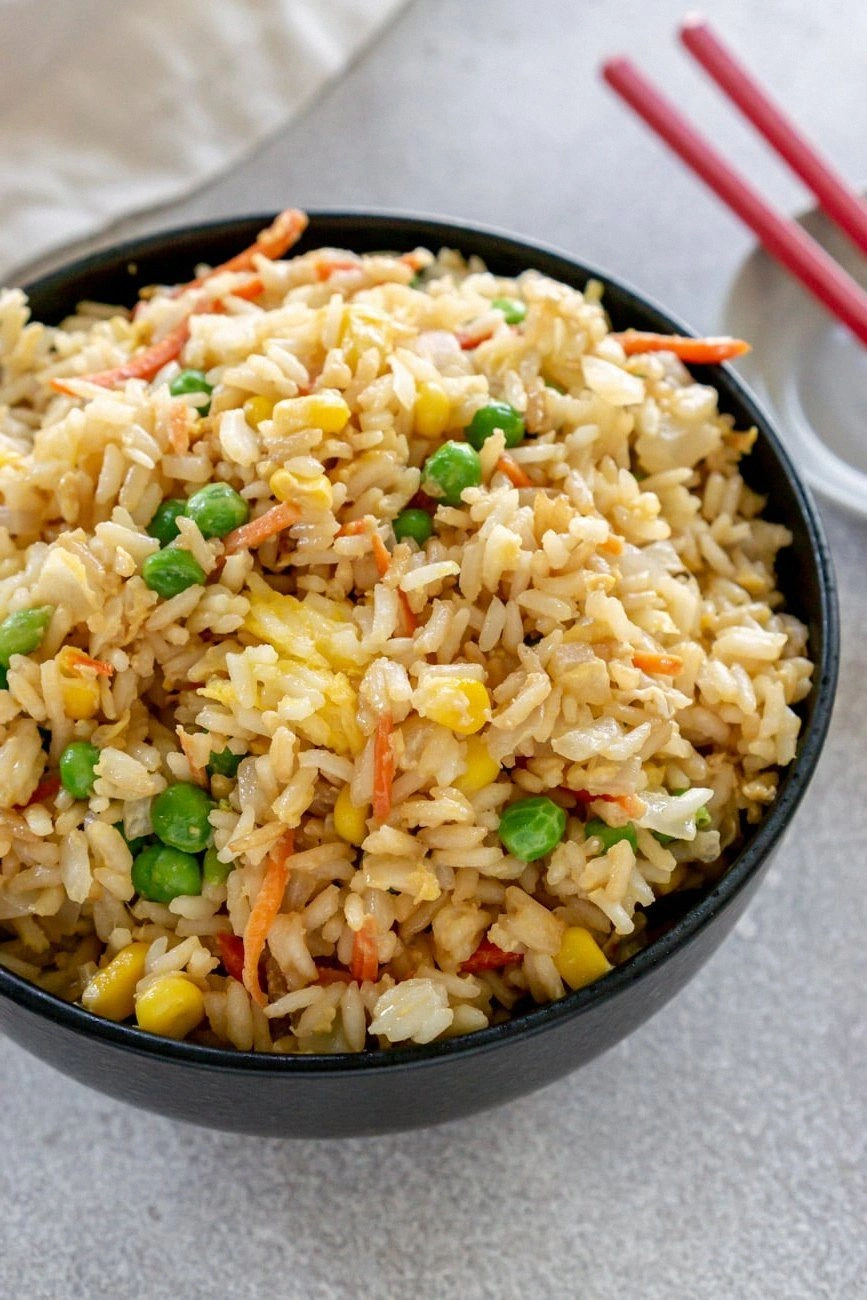
- Crowd‑Pleaser Factor: The bright colors of the vegetables and the glossy sheen of the sauce make it visually appealing. The aroma alone can fill a room, drawing people to the kitchen. Friends and family will ask for the recipe after every bite, making it a conversation starter.
- Make‑Ahead Friendly: Prepare the rice and veggies ahead of time, store them in airtight containers, and reheat in a pan for a quick dinner. The flavors only deepen when the dish sits overnight, so it’s even better the next day. This makes it a perfect option for meal prepping.
Inside the Ingredient List
The Flavor Base
The foundation of any great fried rice is its sauce. Soy sauce provides the umami backbone, while sesame oil adds a nutty aroma that elevates the dish. A dash of white pepper gives a subtle heat that keeps the palate engaged. Together, they create a sauce that coats the rice like velvet, ensuring every bite is flavorful.
The Texture Crew
The rice is the star, but its preparation is crucial. Use day‑old rice that has been refrigerated overnight; this dries the grains and prevents clumping. The frozen vegetable mix offers convenience and a burst of color, but thawing them quickly in a hot pan preserves their bite. The eggs, when scrambled just right, add a silky component that balances the crispness of the veggies.
The Unexpected Star
The optional protein—be it chicken, shrimp, or Chinese sausage—turns a side dish into a main course. It adds protein density and a savory depth that complements the soy‑sesame blend. If you’re vegetarian, a handful of tofu cubes or sautéed tempeh works beautifully, offering a different texture and flavor profile.
The Final Flourish
A splash of sesame oil at the end of cooking locks in moisture and adds a glossy sheen. The white pepper, though small in quantity, plays a pivotal role in balancing the dish’s sweetness. Finally, a quick stir of fresh herbs, such as scallions, can brighten the finished plate and add a pop of color.
Everything's prepped? Good. Let's get into the real action...
The Method — Step by Step
- Step 1: Place the cooked rice in a large bowl and spread it out on a baking sheet. Let it sit at room temperature for 15–20 minutes, or refrigerate overnight. This drying step is crucial for achieving that coveted fluffy texture.
- Step 2: Heat the vegetable oil in a wok or large skillet over medium‑high heat until shimmering. Add the diced onion and stir‑fry for 2 minutes until translucent. The onion should become fragrant but not browned, setting the stage for the rest of the flavors.
- Step 3: Push the onions to one side, crack the eggs into the empty space, and scramble them gently. Once the eggs are just set, mix them with the onions. This creates a soft, egg‑rice blend that adds richness without overpowering the dish.
- Step 4: Add the frozen vegetable mix to the pan. Stir-fry for 4–5 minutes until the vegetables are heated through but still retain their bright colors and slight crunch. The vegetables should not become mushy; they need to maintain a bite that contrasts with the rice.
- Step 5: Gently fold in the dry rice, breaking up any clumps. Stir-fry for 6–8 minutes, ensuring the rice gets a slight toasty aroma. The pan should be hot enough that the rice starts to brown slightly on the edges, but not so hot that it burns.
- Step 6: Drizzle the soy sauce and sesame oil over the rice. Add the white pepper, then stir vigorously to ensure an even distribution of flavor. The sauce should coat the rice, giving it a glossy finish.
- Step 7: If using an optional protein, fold it in now and heat through for 2 minutes. The protein should be warm and slightly caramelized on the edges.
- Step 8: Transfer the fried rice to a serving dish, garnish with sliced scallions, and serve immediately. The dish is best enjoyed hot, when the steam is rising and the flavors are at their peak.
That's it — you did it. But hold on, I've got a few more tricks that'll take this to another level...
Insider Tricks for Flawless Results
The Temperature Rule Nobody Follows
Heat is the silent hero of stir‑frying. A pan that is too hot will scorch the veggies, while a pan that is too cool will make the rice soggy. Aim for a temperature that produces a quick sizzle when you add the oil, but still allows the ingredients to cook evenly. If you’re unsure, sprinkle a few drops of water into the pan; if they evaporate instantly, you’re at the right heat.
Why Your Nose Knows Best
Your sense of smell is a reliable indicator of doneness. When the onions are translucent and the rice has a toasty scent, you’re ready to add the next component. If the aroma feels like burnt oil, lower the heat immediately. Trusting your nose saves you from overcooked or undercooked rice.
The 5‑Minute Rest That Changes Everything
After you finish cooking, let the fried rice rest for five minutes before serving. This pause allows the flavors to meld and the rice to settle, resulting in a more cohesive bite. It also prevents the rice from releasing excess moisture when you plate it, keeping the dish crisp.
Stir‑Fry in Batches, Not One Go
If you’re making a large quantity, divide the rice and veggies into two pans. This prevents overcrowding and ensures each grain gets a chance to fry properly. Overcrowded pans turn to steam, which defeats the purpose of a crispy fried rice.
Use a Non‑Stick Pan for the Best Texture
A non‑stick surface ensures the rice and eggs don’t cling, allowing for a smoother stir‑fry. If you’re using a stainless steel pan, preheat it adequately and add a generous amount of oil to create a slick cooking surface. This small adjustment can make a noticeable difference in the final texture.
Creative Twists and Variations
This recipe is a playground. Here are some of my favorite ways to switch things up:
Curry‑Infused Fried Rice
Add a teaspoon of curry powder to the onions before adding the eggs. This imparts a warm, earthy flavor that pairs beautifully with the sesame oil. Serve with a dollop of coconut yogurt for a creamy finish.
Spicy Szechuan Kick
Stir in a tablespoon of Szechuan peppercorns and a pinch of red chili flakes during the stir‑fry. The numbing heat of the peppercorns balances the sharpness of the chili, creating a complex spice profile. Pair with a side of cucumber salad to cool the palate.
Mediterranean Twist
Replace the soy sauce with a blend of olive oil and tamari, and add chopped olives, sun‑dried tomatoes, and fresh basil. This gives the dish a briny, herbaceous character that feels like a Mediterranean street food. Finish with a squeeze of lemon for brightness.
Breakfast‑Style Fried Rice
Use a splash of maple syrup and a pinch of cinnamon instead of soy sauce. Add diced apples and toasted walnuts for a sweet‑savory contrast. Serve with a side of scrambled eggs for a hearty brunch.
Vegan Powerhouse
Omit the eggs and use tofu cubes seasoned with turmeric for color. Add a handful of edamame and a drizzle of tahini for extra protein and creaminess. This version is packed with plant‑based nutrition while still delivering that satisfying fried rice experience.
Garnish Galore
Top the finished dish with toasted sesame seeds, chopped cilantro, and a drizzle of sriracha. These toppings add crunch, freshness, and a burst of heat that elevates the overall flavor profile. The visual appeal is instant, making the dish Instagram‑ready.
Storing and Bringing It Back to Life
Fridge Storage
Store the fried rice in an airtight container for up to 3 days. Keep the rice in a single layer to prevent moisture buildup. When ready to eat, reheat in a skillet over medium heat, stirring occasionally until warmed through.
Freezer Friendly
Pack the fried rice in freezer‑safe bags, squeezing out excess air. Freeze for up to 2 months. To reheat, thaw overnight in the fridge or use the microwave with a splash of water to re‑steep the rice.
Best Reheating Method
The key to resurrecting frozen or refrigerated fried rice is to add a tiny splash of water or broth before reheating. This steams the grains back to life, preventing them from drying out. Finish with a quick stir to redistribute the sauce and restore the glossy sheen.