Chicken Chow Mein
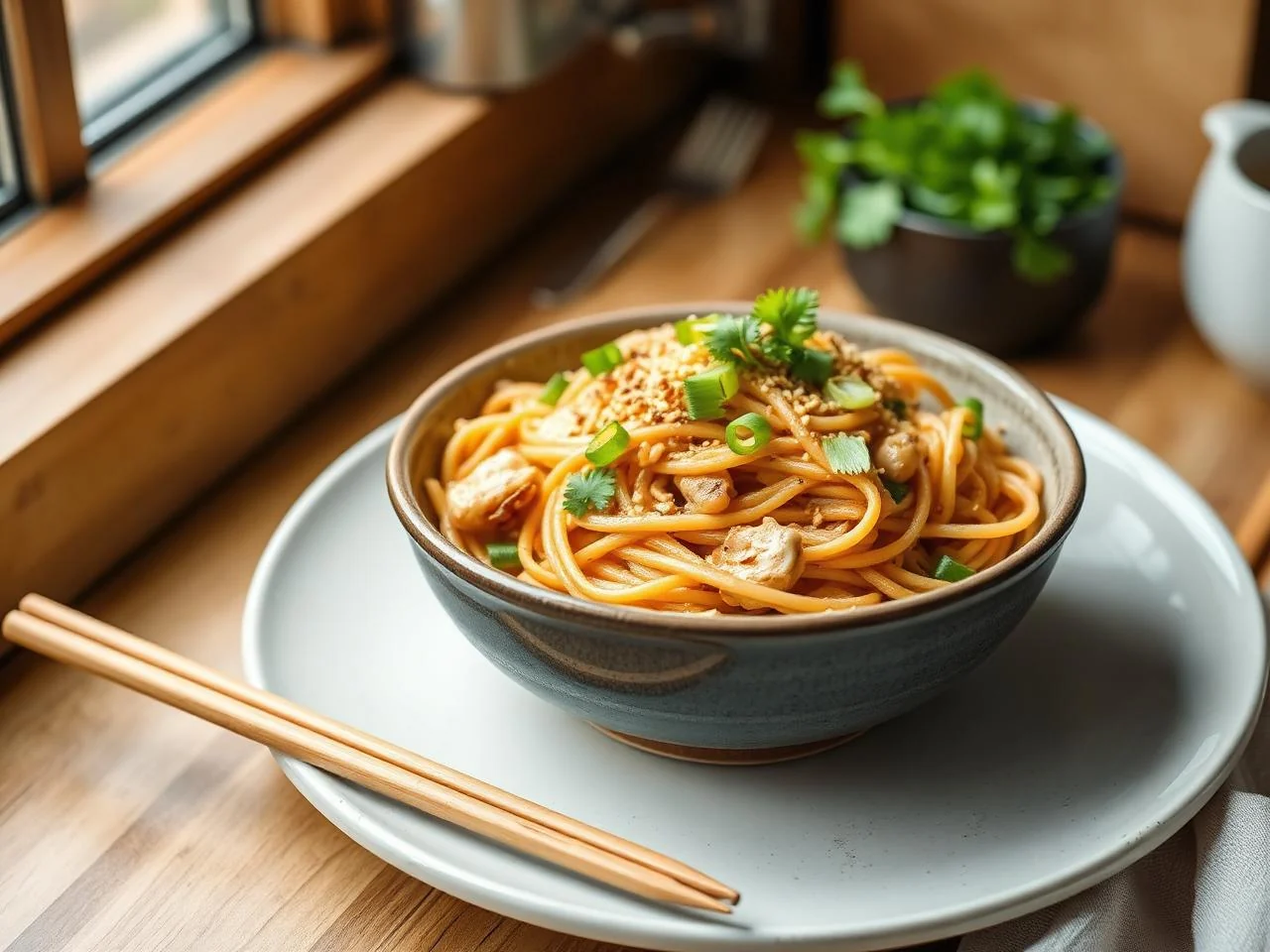
As a child, I would often watch my mother cook up a storm in our kitchen, whipping up dishes that would make our taste buds dance. One of my favorite dishes was her Chicken Chow Mein, a classic Chinese stir-fry made with tender chicken, crunchy vegetables, and a savory sauce. I've taken her recipe and adapted it for the home cook, using accessible ingredients and simple techniques to create a dish that's both authentic and easy to make.
Chicken Chow Mein is a staple of Chinese cuisine, and for good reason. It's a versatile dish that can be made with a variety of ingredients, from chicken and beef to seafood and vegetables. But the key to a great Chicken Chow Mein is in the sauce, a delicate balance of soy sauce, oyster sauce, and hoisin sauce that adds depth and complexity to the dish.
In this recipe, we'll be using a combination of chicken breast and thighs, which provides a nice balance of texture and flavor. We'll also be adding a variety of vegetables, including cabbage, carrots, and scallions, which add crunch and freshness to the dish. And of course, no Chicken Chow Mein would be complete without a sprinkle of sesame seeds and a drizzle of soy sauce.
This recipe is perfect for a weeknight dinner, as it can be made in under 30 minutes and serves 4-6 people. It's also a great option for meal prep, as it can be refrigerated or frozen for later use. So whether you're a busy professional or a busy parent, this Chicken Chow Mein recipe is sure to become a staple in your kitchen.
One of the things I love about this recipe is its versatility. You can customize it to your taste by adding your favorite vegetables or protein sources. You can also serve it with a variety of sides, such as steamed rice or noodles, or add it to a salad for a quick and easy lunch. The possibilities are endless, and I'm excited to share this recipe with you.
Why You’ll Love This Recipe
- This recipe is easy to make and can be prepared in under 30 minutes.
- It's a versatile dish that can be customized to your taste by adding your favorite vegetables or protein sources.
- It's a great option for meal prep, as it can be refrigerated or frozen for later use.
- It's a budget-friendly option that's perfect for a weeknight dinner.
- It's a crowd-pleasing dish that's sure to become a staple in your kitchen.
- It's a healthy option that's low in calories and high in protein and fiber.
Why This Recipe Works
So what makes this Chicken Chow Mein recipe so special? For one, it's the combination of ingredients, which provides a perfect balance of texture and flavor. The chicken is cooked to perfection, with a tender and juicy texture that's achieved by cooking it in a hot wok or skillet with a small amount of oil. The vegetables are crunchy and fresh, adding a nice contrast to the dish. And the sauce, oh the sauce! It's a delicate balance of soy sauce, oyster sauce, and hoisin sauce that adds depth and complexity to the dish.
Another key factor is the technique used to cook the chicken and vegetables. By cooking them in a hot wok or skillet with a small amount of oil, we're able to achieve a nice sear on the outside while keeping the inside tender and juicy. This technique is called the Maillard reaction, and it's a fundamental principle of Chinese cooking. By using high heat and a small amount of oil, we're able to create a rich and savory flavor that's characteristic of Chinese cuisine.
Finally, the sauce is what brings the whole dish together. By combining soy sauce, oyster sauce, and hoisin sauce, we're able to create a delicate balance of flavors that enhances the natural taste of the ingredients. The soy sauce adds a salty and umami flavor, while the oyster sauce adds a rich and savory flavor. The hoisin sauce, on the other hand, adds a sweet and slightly spicy flavor that balances out the dish.
Ingredients You’ll Need
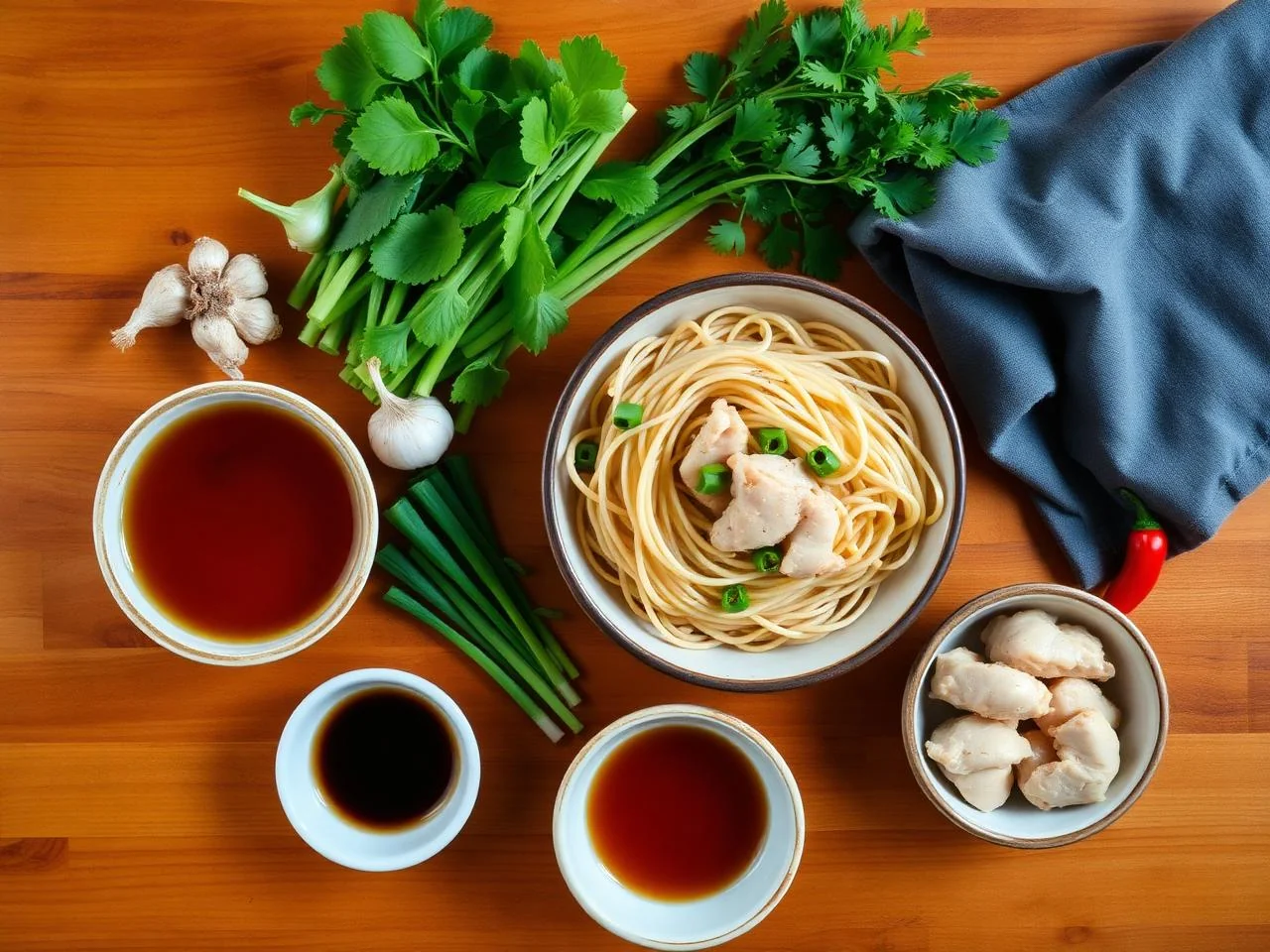
To make this Chicken Chow Mein recipe, you'll need a variety of ingredients, including chicken breast and thighs, cabbage, carrots, scallions, and a variety of sauces and seasonings. You'll also need some basic pantry staples, such as soy sauce, oyster sauce, and hoisin sauce. Don't worry if you're not familiar with these ingredients - they're easy to find at most Asian markets or online.
When shopping for ingredients, be sure to choose fresh and high-quality produce. The cabbage and carrots should be firm and crunchy, while the scallions should be fresh and fragrant. You'll also want to choose a good-quality soy sauce, oyster sauce, and hoisin sauce, as these will add depth and complexity to the dish.
- 1 lb (450g) chicken breast and thighs, boneless and skinlessYou can use either chicken breast or thighs, or a combination of both. The key is to choose fresh and high-quality chicken that's free of added hormones and antibiotics.
- 2 cups (200g) cabbage, shreddedYou can use either green or red cabbage, or a combination of both. The key is to choose fresh and crunchy cabbage that's free of wilted or brown leaves.
- 1 cup (100g) carrots, peeled and gratedYou can use either orange or yellow carrots, or a combination of both. The key is to choose fresh and crunchy carrots that are free of bruises or blemishes.
- 1/2 cup (50g) scallions, thinly slicedYou can use either green or yellow scallions, or a combination of both. The key is to choose fresh and fragrant scallions that are free of wilted or brown leaves.
- 2 tablespoons soy sauceYou can use either light or dark soy sauce, depending on your preference. The key is to choose a high-quality soy sauce that's free of added preservatives and artificial flavorings.
- 1 tablespoon oyster sauceYou can use either oyster sauce or hoisin sauce, depending on your preference. The key is to choose a high-quality sauce that's free of added preservatives and artificial flavorings.
- 1 tablespoon hoisin sauceYou can use either hoisin sauce or oyster sauce, depending on your preference. The key is to choose a high-quality sauce that's free of added preservatives and artificial flavorings.
- 2 tablespoons vegetable oilYou can use either vegetable oil or peanut oil, depending on your preference. The key is to choose a high-quality oil that's free of added preservatives and artificial flavorings.
- 2 cloves garlic, mincedYou can use either fresh or frozen garlic, depending on your preference. The key is to choose high-quality garlic that's free of added preservatives and artificial flavorings.
- 1 teaspoon grated gingerYou can use either fresh or frozen ginger, depending on your preference. The key is to choose high-quality ginger that's free of added preservatives and artificial flavorings.
- 1/4 teaspoon saltYou can use either table salt or sea salt, depending on your preference. The key is to choose a high-quality salt that's free of added preservatives and artificial flavorings.
- 1/4 teaspoon black pepperYou can use either black pepper or white pepper, depending on your preference. The key is to choose a high-quality pepper that's free of added preservatives and artificial flavorings.
- 1 egg whiteYou can use either fresh or frozen egg whites, depending on your preference. The key is to choose high-quality egg whites that are free of added preservatives and artificial flavorings.
- 1 tablespoon sesame seedsYou can use either white or black sesame seeds, depending on your preference. The key is to choose high-quality sesame seeds that are free of added preservatives and artificial flavorings.
Equipment You’ll Need
How to Make Chicken Chow Mein
- 1In a small bowl, whisk together the soy sauce, oyster sauce, and hoisin sauce. Set aside.
- 2In a large bowl, whisk together the egg white, salt, and pepper. Add the chicken and mix until the chicken is well coated.
- 3Heat 1 tablespoon of vegetable oil in a large skillet or wok over medium-high heat. Add the chicken and cook until browned and cooked through, about 5-7 minutes. Remove the chicken from the skillet and set aside.
- 4In the same skillet, add the remaining 1 tablespoon of vegetable oil. Add the garlic and ginger and cook until fragrant, about 1 minute.
- 5Add the cabbage and carrots to the skillet and cook until they are tender-crisp, about 3-5 minutes.
- 6Add the scallions to the skillet and cook until they are wilted, about 1-2 minutes.
- 7Add the cooked chicken back to the skillet and stir to combine with the vegetables.
- 8Pour the soy sauce mixture into the skillet and stir to combine. Cook for an additional 1-2 minutes, until the sauce has thickened and the chicken is well coated.
- 9Use an instant-read thermometer to check the internal temperature of the chicken. It should reach 165 F (74 C) in the thickest part of the breast.
- 10Transfer the chicken and vegetables to a serving platter and sprinkle with sesame seeds. Serve immediately and enjoy!
- 11Let the dish rest for 5 minutes before serving to allow the flavors to meld together.
- 12Garnish with additional scallions and sesame seeds, if desired.
Expert Tips
- Use high-quality ingredients, such as fresh and crunchy vegetables, to ensure the best flavor and texture.
- Don't overcook the chicken, as it can become dry and tough.
- Stir-fry the vegetables quickly over high heat to preserve their texture and flavor.
- Use a combination of soy sauce, oyster sauce, and hoisin sauce to create a rich and savory sauce.
- Add the sauce towards the end of cooking, as it can thicken and become sticky if cooked for too long.
- Garnish with sesame seeds and scallions to add a fresh and crunchy texture to the dish.
- Serve with steamed rice or noodles to soak up the flavorful sauce.
- Experiment with different vegetables, such as bell peppers or mushrooms, to add variety to the dish.
Common Mistakes to Avoid
- Overcooking the chicken, which can make it dry and tough.
- Not using high-quality ingredients, which can result in a lackluster flavor and texture.
- Not stir-frying the vegetables quickly enough, which can cause them to become mushy and overcooked.
- Adding too much sauce, which can make the dish overly salty and sticky.
- Not garnishing with sesame seeds and scallions, which can add a fresh and crunchy texture to the dish.
- Not serving with steamed rice or noodles, which can help to soak up the flavorful sauce.
Variations and Substitutions
- Add diced bell peppers or mushrooms to the stir-fry for added flavor and texture.
- Use different types of protein, such as beef or pork, for a variation on the dish.
- Add a sprinkle of toasted sesame seeds or chopped scallions to the dish for added flavor and texture.
- Serve the dish with steamed dumplings or egg rolls for a fun and interactive meal.
- Use different types of sauce, such as peanut sauce or sweet and sour sauce, to create a unique flavor profile.
- Add diced pineapple or orange to the stir-fry for a sweet and tangy flavor.
- Use different types of noodles, such as rice noodles or udon noodles, to create a unique texture and flavor.
What to Serve With Chicken Chow Mein
This Chicken Chow Mein recipe is perfect for serving with steamed rice or noodles, which helps to soak up the flavorful sauce. You can also serve it with a variety of sides, such as steamed vegetables or a simple green salad. For a fun and interactive meal, try serving it with steamed dumplings or egg rolls.
The dish can also be served as a main course, paired with a variety of sides such as roasted vegetables or a simple soup. It's also a great option for meal prep, as it can be refrigerated or frozen for later use. Simply reheat it in the microwave or on the stovetop, and serve it with your favorite sides.
Make-Ahead, Storage, Freezing and Reheating
This Chicken Chow Mein recipe can be stored in the refrigerator for up to 3 days or frozen for up to 2 months. To store, simply place the cooked chicken and vegetables in an airtight container and refrigerate or freeze.
To reheat, simply microwave the dish on high for 2-3 minutes, or reheat it in a skillet on the stovetop over medium heat. You can also add a little bit of water or sauce to the dish to help it reheat more evenly.
When reheating, be sure to stir the dish frequently to prevent it from becoming dry or sticky. You can also add a little bit of soy sauce or oyster sauce to the dish to help it reheat more evenly.
One of the great things about this recipe is that it can be made ahead of time and refrigerated or frozen for later use. Simply cook the chicken and vegetables, then store them in an airtight container in the refrigerator or freezer. When you're ready to serve, simply reheat the dish and add the sauce and garnishes.
Frequently Asked Questions
What type of chicken is best for this recipe?
You can use either chicken breast or thighs, or a combination of both. The key is to choose fresh and high-quality chicken that's free of added hormones and antibiotics.
Can I use different types of vegetables in this recipe?
Yes, you can use a variety of vegetables in this recipe, such as bell peppers, mushrooms, or snow peas. Simply stir-fry them quickly over high heat to preserve their texture and flavor.
What type of sauce is best for this recipe?
A combination of soy sauce, oyster sauce, and hoisin sauce is best for this recipe. These sauces add a rich and savory flavor to the dish, and can be adjusted to taste.
Can I make this recipe ahead of time?
Yes, you can make this recipe ahead of time and refrigerate or freeze it for later use. Simply cook the chicken and vegetables, then store them in an airtight container in the refrigerator or freezer. When you're ready to serve, simply reheat the dish and add the sauce and garnishes.
What is the best way to reheat this recipe?
The best way to reheat this recipe is to microwave it on high for 2-3 minutes, or reheat it in a skillet on the stovetop over medium heat. You can also add a little bit of water or sauce to the dish to help it reheat more evenly.
Can I serve this recipe as a main course?
Yes, you can serve this recipe as a main course, paired with a variety of sides such as steamed vegetables or a simple soup. It's also a great option for meal prep, as it can be refrigerated or frozen for later use.
What is the nutritional information for this recipe?
The nutritional information for this recipe will depend on the specific ingredients used, but it is generally high in protein and fiber, and low in calories and fat. A serving size of this recipe is approximately 400 calories, with 30g of protein, 20g of fat, and 30g of carbohydrates.
Can I customize this recipe to my taste?
Yes, you can customize this recipe to your taste by adding different vegetables, sauces, or seasonings. Simply stir-fry the vegetables quickly over high heat, and add the sauce and seasonings to taste.
Ingredients
- 1 lb (450g) chicken breast and thighs, boneless and skinless
- 2 cups (200g) cabbage, shredded
- 1 cup (100g) carrots, peeled and grated
- 1/2 cup (50g) scallions, thinly sliced
- 2 tablespoons soy sauce
- 1 tablespoon oyster sauce
- 1 tablespoon hoisin sauce
- 2 tablespoons vegetable oil
- 2 cloves garlic, minced
- 1 teaspoon grated ginger
- 1/4 teaspoon salt
- 1/4 teaspoon black pepper
- 1 egg white
- 1 tablespoon sesame seeds
Instructions
- In a small bowl, whisk together the soy sauce, oyster sauce, and hoisin sauce. Set aside.
- In a large bowl, whisk together the egg white, salt, and pepper. Add the chicken and mix until the chicken is well coated.
- Heat 1 tablespoon of vegetable oil in a large skillet or wok over medium-high heat. Add the chicken and cook until browned and cooked through, about 5-7 minutes. Remove the chicken from the skillet and set aside.
- In the same skillet, add the remaining 1 tablespoon of vegetable oil. Add the garlic and ginger and cook until fragrant, about 1 minute.
- Add the cabbage and carrots to the skillet and cook until they are tender-crisp, about 3-5 minutes.
- Add the scallions to the skillet and cook until they are wilted, about 1-2 minutes.
- Add the cooked chicken back to the skillet and stir to combine with the vegetables.
- Pour the soy sauce mixture into the skillet and stir to combine. Cook for an additional 1-2 minutes, until the sauce has thickened and the chicken is well coated.
- Use an instant-read thermometer to check the internal temperature of the chicken. It should reach 165 F (74 C) in the thickest part of the breast.
- Transfer the chicken and vegetables to a serving platter and sprinkle with sesame seeds. Serve immediately and enjoy!
- Let the dish rest for 5 minutes before serving to allow the flavors to meld together.
- Garnish with additional scallions and sesame seeds, if desired.