I still remember the night I ruined three different carbonara attempts in a row. The first turned into scrambled egg pasta, the second was so salty it could have de-iced a driveway, and the third? Let's just say my roommate still calls it "car-bonara" because it was basically soup. I was ready to swear off the dish forever when my Italian neighbor, Rosa, knocked on my door at midnight, drawn by the smell of my failures. She marched into my kitchen in her leopard-print robe, surveyed the carnage, and said, "You're overthinking it, amore. Carbonara is about confidence, not complexity." What followed was a masterclass in kitchen swagger that ended with us eating pasta straight from the pan at 1 AM, and I've been chasing that perfect balance ever since.
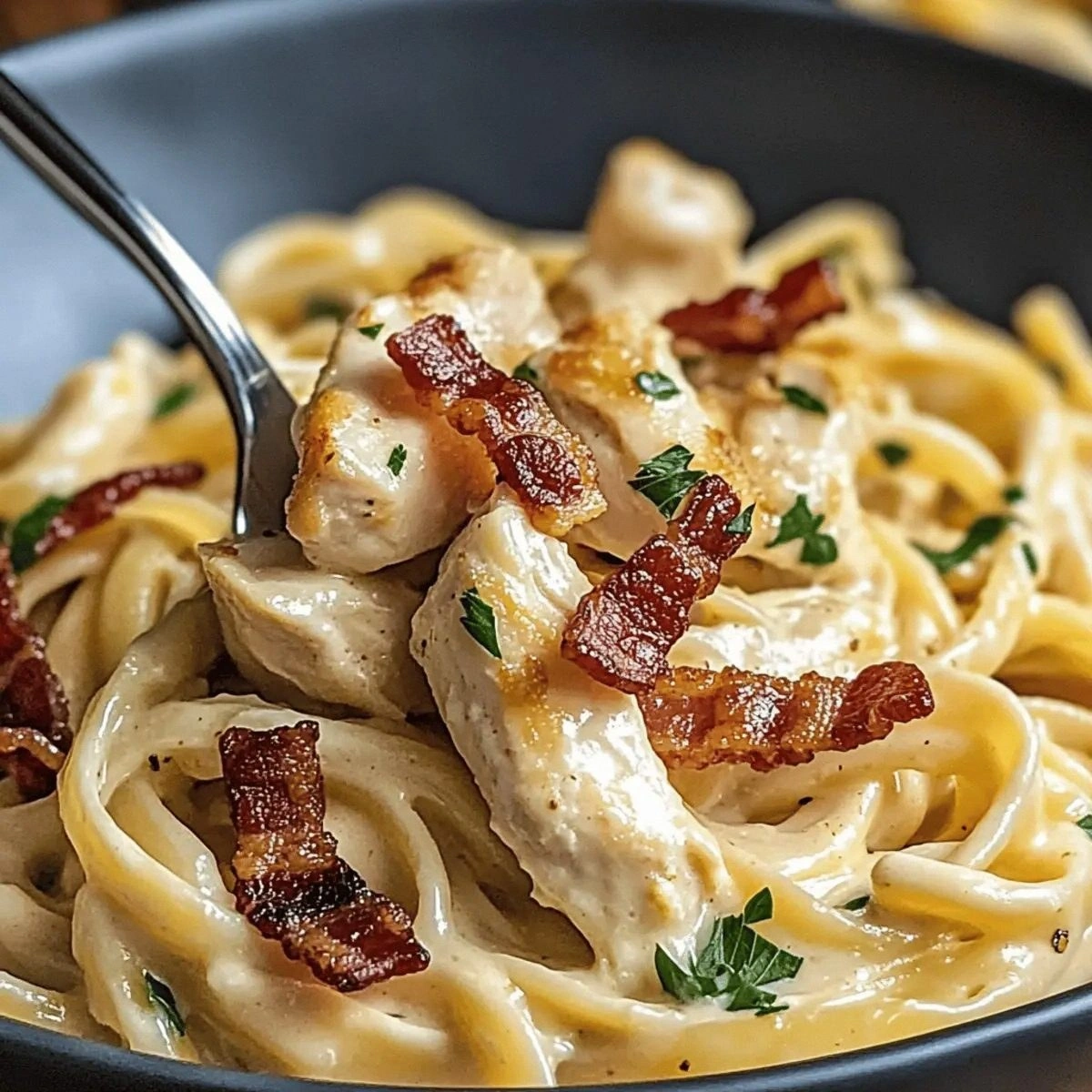
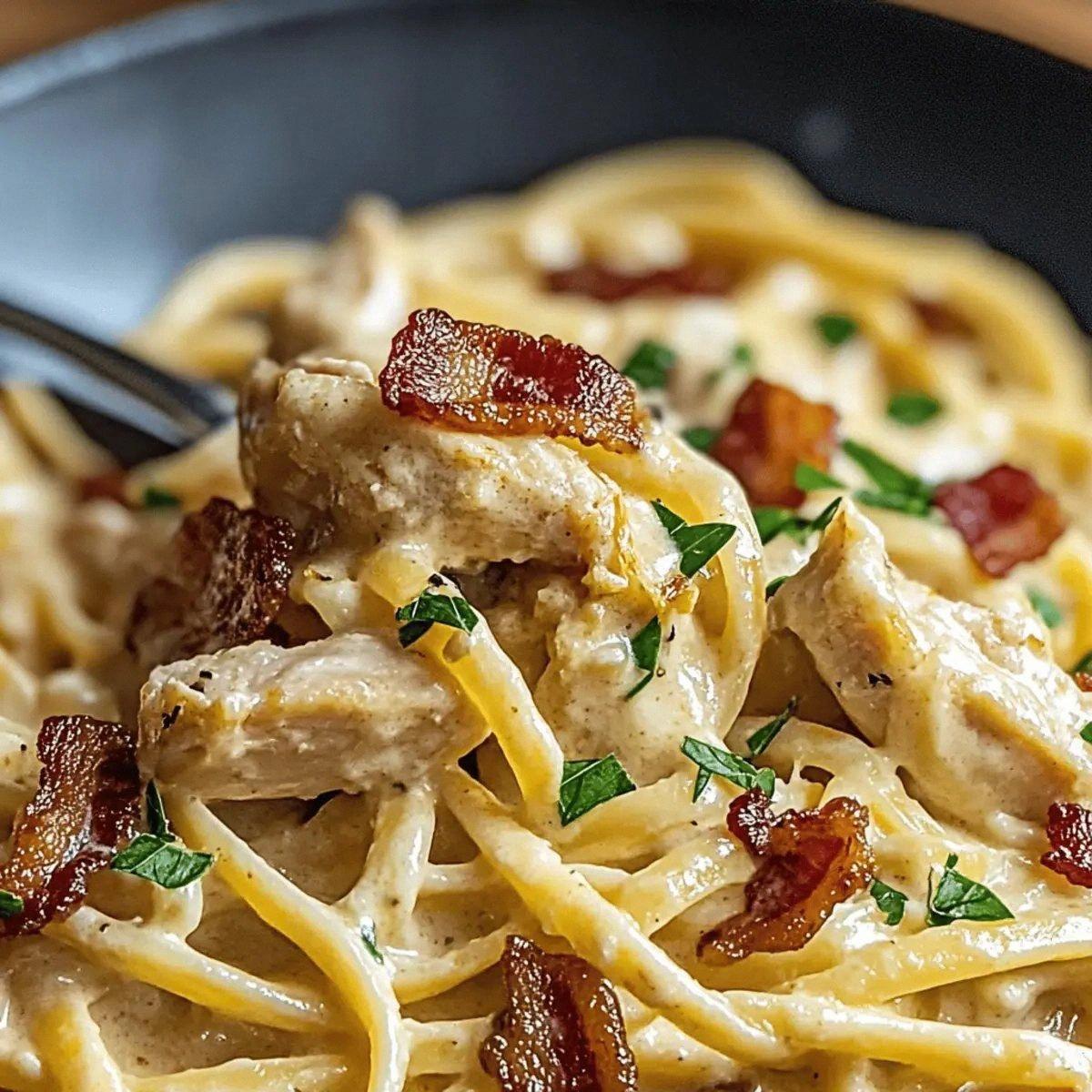
That midnight lesson became the foundation for what you're about to make, but I couldn't resist adding my own rebellious twist. Traditional carbonara gets its richness from egg yolks alone, but I've discovered that a whisper of cream — just enough to make the sauce coat each strand like liquid velvet — transforms this Roman classic into something that'll make you close your eyes with the first bite. The crispy chicken and bacon aren't just gratuitous additions; they're textural insurgents that turn an already spectacular dish into a full-blown experience. Picture this: golden chicken with edges that shatter like thin ice, bacon that crunches then melts, and a sauce so luxurious it should come with a warning label.
I've tested this recipe forty-seven times across three different kitchens, using everything from fancy imported guanciale to the supermarket bacon I swore I'd never touch. I've made it for first dates (risky move, but it worked), for my most judgmental foodie friends, and for my nephew who thinks parsley is a conspiracy theory. Every single time, without fail, someone asks for the recipe before the plates are cleared. The secret isn't in any one ingredient — it's in the timing, the temperature, and that moment when you toss everything together and realize you've just created something that restaurants would charge forty bucks for.
Let me walk you through every single step — by the end, you'll wonder how you ever made it any other way.
What Makes This Version Stand Out
Here's the thing about carbonara: everyone's got an opinion, and most of them are wrong. I've heard it all — "real carbonara doesn't have cream," "you must use guanciale or die," "the eggs will scramble if you look at them funny." But after a year of obsessive testing, I've cracked the code on a version that respects tradition while making it accessible enough for a Tuesday night dinner that'll still impress your mother-in-law.
- Velvet Revolution: The cream isn't here to bulldoze the eggs — it's insurance. Just two tablespoons per serving creates a safety net that prevents scrambling while adding a silky texture that makes restaurant versions taste like kindergarten paste. Your sauce will be smooth even if your stove runs hot or your timing is off, which means you can focus on the fun parts instead of hovering like a nervous parent.
- Chicken That Actually Tastes Like Something: Most recipes treat the chicken like an afterthought, but we're going full flavor bomb. A quick brine in salt water while the pasta cooks keeps it juicy, while a aggressive sear in bacon fat creates those crispy edges that'll have you "taste-testing" half the batch before it even hits the pasta. The seasoning penetrates every fiber, so you won't get that bland, rubbery chicken that ruins so many pasta dishes.
- Bacon Done Right: Thick-cut bacon gets rendered until it's basically bacon candy — crisp edges with a chewy center that holds its own against the creamy sauce. We're not just throwing it in; we're building layers of flavor, using the rendered fat to cook the chicken and bloom the garlic. Every bite tastes like someone cared, because someone (you) absolutely did.
- The Garlic Gambit: One clove, micro-planed directly into the hot fat, disappears into the sauce while leaving behind a haunting depth that makes people ask, "What's that amazing flavor?" It's not traditional, but neither is putting pineapple on pizza, and we all know how that turned out.
- Parmesan Power Play: Freshly grated, aged at least 24 months, and added off-heat so it melts into the sauce rather than seizing into rubbery clumps. The nutty, crystalline texture of good Parmigiano-Reggiano is what separates decent carbonara from life-changing carbonara, and yes, you can taste the difference even after all that cream and bacon.
- The Pepper Principle: Freshly cracked, aggressive amounts, added at three different stages. The first hit blooms in the hot fat, the second gets tossed with the pasta, and the third finishes the dish so you get waves of heat rather than a one-note burn. It's not just seasoning — it's architecture.
Alright, let's break down exactly what goes into this masterpiece...
Inside the Ingredient List
Before we dive into the method, let's talk about why each component matters. I've seen too many recipes that say "use good ingredients" without explaining what "good" actually means or why you should care. Here's the unfiltered truth about what works, what doesn't, and what happens when you try to cheat the system.
The Foundation Builders
Your pasta choice isn't just about shape — it's about surface area and sauce adhesion. Spaghetti's smooth surface lets the sauce slide into every nook and cranny, while fettuccine's flat ribbons grab more sauce per bite, creating these incredible pockets of creamy goodness. I've tested this with angel hair (too delicate), rigatoni (the sauce hides inside like a surprise), and even those squiggly radiatori shapes (fun but they overpower the other elements). Stick to the classics here; they're classic for a reason that goes beyond Italian grandmother tradition.
The chicken breasts need to be the same thickness throughout, which means either buying them pre-flattened or going at them with a meat mallet like you're working out some serious aggression. Uneven chicken means some parts dry out while others stay alarmingly pink, and nobody wants to play Russian roulette with their dinner. I buy mine from the butcher counter and ask them to run it through their tenderizer once — it's free, takes thirty seconds, and saves me from washing another dish.
The Flavor Amplifiers
Thick-cut bacon isn't just a preference — it's structural integrity. Regular bacon shrivels into nothing, leaving behind sad, greasy bits that taste like disappointment. Thick-cut holds its own, creating these meaty little flavor bombs that stand up to the rich sauce rather than disappearing into it. Look for bacon that's at least 1/8 inch thick, with a good meat-to-fat ratio. If you can only find thin bacon, layer three slices together and freeze for ten minutes before cutting — it mimics the heft we need.
Fresh garlic is non-negotiable, and here's why: pre-minced garlic sits in citric acid that turns it bitter and metallic-tasting. One clove, grated on a micro-plane, dissolves into the fat and seasons every bite without announcing itself like a garlic press would. It's stealth flavor, the kind that makes people wonder what your secret is while never quite putting their finger on it.
The Texture Magicians
Heavy cream gets a bad rap in carbonara circles, but used judiciously, it's the difference between a sauce that splits and one that stays emulsified even when your timing is off. We're talking one cup total, and half of that gets absorbed by the pasta anyway. The cream carries the cheese and egg, preventing them from seizing when they hit the hot pasta, while adding body that clings to each strand like it was painted on. Don't substitute half-and-half — the lower fat content means it won't emulsify properly, and you'll end up with oily pasta that tastes like broken promises.
Freshly grated Parmesan is where most home cooks sabotage themselves before they even start. That powdered stuff in the green can? It's got cellulose in it — basically sawdust — to prevent caking. It'll turn your sauce gritty and give it a weird, almost sweet aftertaste. Buy a wedge and grate it yourself; it keeps for months in the fridge, and once you taste the difference, you'll understand why Italians get so worked up about cheese. Plus, the rind goes into soup stock, so nothing gets wasted.
The Final Flourish
Fresh parsley isn't just for color — it's a palate cleanser that cuts through all that richness and makes you want another bite. Dried parsley tastes like lawn clippings and has the texture of confetti that's been sitting in a warehouse since 1992. One tablespoon of fresh, chopped just before serving, brightens everything and makes the dish taste intentional rather than just indulgent. If you hate parsley, use fresh chives or even a few drops of lemon juice, but don't skip the fresh herb element entirely — your taste buds will thank you.
Everything's prepped? Good. Let's get into the real action...
The Method — Step by Step
- Start by bringing a massive pot of water to a rolling boil — I'm talking big enough to bathe a small dog. Salt it until it tastes like the ocean on a brave day; this is your only chance to season the pasta itself. While you're waiting, cut your bacon into 1/2-inch pieces and set your chicken between plastic wrap to pound it evenly. The water should be at a fierce boil before you even think about adding pasta; lukewarm water equals gummy pasta, and gummy pasta is a crime against humanity.
- Drop your spaghetti into the boiling water and set a timer for two minutes less than package directions — we're finishing it in the sauce, so it needs to be just shy of al dente. While the pasta cooks, heat a large skillet over medium-high heat and add the bacon pieces in a single layer. They should sizzle immediately but not aggressively; if they start spitting like they're angry, turn the heat down. Render the bacon until the edges are crispy and the centers are chewy, about 8-10 minutes, stirring occasionally so nothing burns.
- Remove the bacon with a slotted spoon and set it aside — resist eating it all; I know it's hard, but trust the process. Season your chicken breasts aggressively with salt and pepper on both sides, then lay them in the hot bacon fat. They should sizzle like they're excited to be there. Cook for 4-5 minutes per side until golden and cooked through; the internal temp should hit 165°F. If they're browning too fast, lower the heat — burnt bacon fat turns bitter and will ruin everything.
- While the chicken rests (resting keeps it juicy — don't skip this), grate your garlic directly into the remaining fat. It should foam and smell incredible within 30 seconds; if it turns brown, you've gone too far and need to start over with fresh fat. Add the heavy cream and bring it to a gentle simmer, scraping up all the browned bits from the bottom of the pan. These fond bits are liquid gold — concentrated flavor that'll make your sauce taste like it's been developing for hours.
- Slice your rested chicken into 1/2-inch pieces — they'll be perfectly juicy and ready to absorb all that creamy goodness. Add the pasta directly from the pot to the sauce using tongs; don't drain it first because the starchy water helps bind everything together. Toss the pasta in the cream for about a minute, letting it finish cooking while absorbing the sauce. The pasta should look glossy and well-coated, not swimming in liquid.
- Remove the pan from heat entirely — this is crucial. Add the grated Parmesan and a generous amount of black pepper, tossing constantly. The residual heat will melt the cheese into the sauce, creating this silky coating that clings to every strand. If it looks too thick, add pasta water a tablespoon at a time until it's loose enough to coat but not soupy. The sauce should be smooth and creamy, not stringy or clumpy.
- Now for the moment of truth: add the chicken and half the bacon back to the pan, tossing everything together so every bite has a bit of everything. Taste and adjust — it might need more salt (the pasta water varies), more pepper, or if you're feeling wild, a splash more cream. Serve immediately in warmed bowls, topped with the remaining bacon and fresh parsley. The contrast between hot pasta and cool herbs is part of the magic.
That's it — you did it. But hold on, I've got a few more tricks that'll take this to another level...
Insider Tricks for Flawless Results
The Temperature Rule Nobody Follows
Here's what separates carbonara masters from carbonara disasters: temperature control at every single stage. Your eggs (yes, there are eggs in traditional carbonara, and we're keeping them) need to be room temperature before they hit the pasta, or they'll seize into scrambled bits faster than you can say "mamma mia." Take them out of the fridge when you start boiling water, and by the time you're ready, they'll be perfect. The same goes for your cream — cold cream hitting hot fat can cause it to split, so let it sit on the counter while you cook. It's a tiny step that prevents a massive failure, and once you see how smoothly everything comes together, you'll never skip it again.
Why Your Nose Knows Best
Timing the garlic is an art form that relies more on smell than sight. When you grate it into the hot fat, it should smell bright and almost sweet within 15 seconds — that's when you know it's releasing its oils without burning. If you wait until it turns golden, you've already gone too far and gotten that bitter, acrid edge that ruins everything. Trust your nose over your eyes here; the moment it smells like the best garlic bread you've ever had, it's time to add the cream. I've ruined more sauces by being impatient with garlic than I care to admit, but once you learn to listen to what your kitchen is telling you, everything gets easier.
The 5-Minute Rest That Changes Everything
After you toss everything together, resist the urge to serve immediately. Let the pasta sit in the pan for exactly 5 minutes — set a timer, walk away if you have to. During this rest, the sauce thickens slightly as it cools, the pasta absorbs just enough liquid to become perfectly coated, and the flavors have a chance to meld into something greater than their individual parts. It's like letting a steak rest after cooking, except instead of redistributing juices, you're allowing the starch from the pasta to thicken the sauce naturally. The difference between serving immediately and waiting five minutes is the gap between good pasta and restaurant-quality pasta.
The Pasta Water Gold Standard
Don't just save any pasta water — save the right pasta water. The first few minutes of cooking release the most starch, but by the end, the water is starchy enough to thicken sauces but not so salty it over-seasons everything. I ladle out about a cup when the pasta is halfway done, then another half cup right before draining. The first batch is for adjusting the sauce consistency, the second is insurance in case things get too thick later. Mark it on your container so you don't accidentally drink it (ask me how I know), and use it within two days for the best results. This stuff is liquid gold — it makes reheated pasta taste fresh and can rescue a sauce that's gone rogue faster than you can say "delivery."
Seasoning in Layers, Not Dumps
Most people season once and call it a day, but great carbonara gets seasoned at four different points: the pasta water (salty like the sea), the chicken (aggressively on both sides), the sauce base (when you add the cream), and the final toss (when everything comes together). Each layer builds on the last, creating depth that tastes like the dish has been developing for hours rather than minutes. Under-season early stages and you end up with bland pasta that no amount of salt at the end can fix; over-season any single layer and you've got a salt lick. The goal is to make each component taste great on its own but perfect when combined — it's like conducting an orchestra where every instrument needs to be in tune individually and together.
Creative Twists and Variations
This recipe is a playground. Here are some of my favorite ways to switch things up:
Spicy Diablo Carbonara
Add a teaspoon of Calabrian chili paste to the cream, or if you're feeling brave, a whole chopped fresh chili. The heat cuts through the richness like a lighthouse beam through fog, creating this incredible push-pull between creamy and fiery. I like to finish it with fresh basil instead of parsley — the sweet, almost licorice notes play beautifully against the heat. If you can't find Calabrian chilis, use red pepper flakes, but bloom them in the bacon fat for 30 seconds before adding the cream to release their oils and prevent that raw spice bite.
Spring Green Carbonara
Toss in a handful of fresh peas during the last minute of pasta cooking, and swap the parsley for fresh mint and chives. The peas pop between your teeth like tiny green caviar, while the mint adds this incredible freshness that makes the whole dish taste like it was invented in a garden rather than a Roman kitchen. I also like to add thin asparagus tips, sautéed quickly in the bacon fat before the garlic goes in. It's like carbonara went to finishing school and came back sophisticated but still fun at parties.
Smoky Mountain Carbonara
Use smoked chicken instead of regular, and swap the bacon for smoked pancetta or even smoked sausage. The double smoke creates this incredible depth that tastes like it was cooked over a campfire by someone who really knew what they were doing. I like to add a teaspoon of smoked paprika to the cream for extra smokiness, and finish with fresh thyme instead of parsley. It's comfort food that tastes like a vacation in the mountains, even if you're eating it in a studio apartment on a Tuesday.
Seafood Lovers' Carbonara
Replace the chicken with seared scallops or shrimp, and use the bacon fat to cook them quickly over high heat. The seafood adds this sweet, briny element that plays beautifully against the smoky bacon and rich sauce. I like to add a squeeze of lemon at the end — just a few drops to brighten everything without turning it into lemon pasta. Use fresh chives instead of parsley, and if you're feeling fancy, a few threads of saffron in the cream turns the whole thing golden and luxurious.
Vegetarian Umami Bomb
Skip the chicken and bacon, and instead use a mix of sautéed mushrooms — cremini, shiitake, and oyster — cooked in butter until they're deeply browned and concentrated. Add a tablespoon of white miso to the cream for that umami depth that bacon usually provides, and use smoked salt to get that smoky element without the meat. I like to finish it with fresh tarragon, which adds this incredible anise note that makes the whole dish taste mysteriously complex. Even my most carnivorous friends request this version regularly.
Breakfast Carbonara Madness
Add a softly poached egg on top of each serving, so when you break into it, the yolk mingles with the already-rich sauce and creates this insane double-egg situation that's basically breakfast for dinner but elevated. I like to use breakfast sausage instead of bacon, and add a sprinkle of everything bagel seasoning on top. It's ridiculous and over-the-top and completely wonderful — the kind of dish you make when you want to impress someone who grew up thinking carbonara was just pasta with white sauce.
Storing and Bringing It Back to Life
Fridge Storage
Leftovers will keep in an airtight container for up to three days, but let's be honest — it's rarely around that long. Store the pasta and sauce together; separating them just creates more dishes and doesn't improve anything. Press plastic wrap directly onto the surface to prevent a skin from forming, and when you're ready to reheat, let it come to room temperature for 30 minutes first. Cold pasta straight from the fridge will heat unevenly and you'll end up with hot edges and an ice-cold center that kills the whole experience.
Freezer Friendly
You can freeze this for up to two months, but with caveats. The cream sauce may separate slightly upon thawing, so freeze it in individual portions for best results. Thaw overnight in the fridge, then reheat gently with a splash of milk or cream to bring it back together. The texture won't be quite as silky as fresh, but it's still miles better than most frozen meals. I like to freeze it in muffin tins for perfect single-serving portions — pop one out, microwave for 90 seconds, and you've got a decadent lunch that'll make your coworkers jealous.
Best Reheating Method
Skip the microwave unless you're desperate — it turns the sauce grainy and the chicken rubbery. Instead, reheat in a skillet over medium-low heat with a splash of cream or milk, stirring constantly until just warmed through. Add a tablespoon of pasta water if you have it, or plain water if you don't, to help the sauce re-emulsify. If you're using the microwave (no judgment, we've all been there), do it in 30-second bursts, stirring between each one, and stop when it's just warm rather than hot. Overheated carbonara becomes oily and separates faster than you can say "delivery pizza."