Picture this: it’s a cold Tuesday night, the kind where the wind whistles through the cracks of your kitchen window and every spoonful of soup feels like a hug from a long‑lost aunt. I was halfway through a marathon of TV drama, popcorn in one hand, a half‑finished bag of frozen pizza in the other, when my roommate shouted, “You ever try a cabbage roll that doesn’t need a pot?” I laughed, rolled my eyes, and thought, “Sure, why not? Let’s see if we can turn a humble crockpot into a culinary stage.” What followed was a kitchen experiment that turned a simple idea into a flavor explosion so bold I dared you to taste it and not go back for seconds.
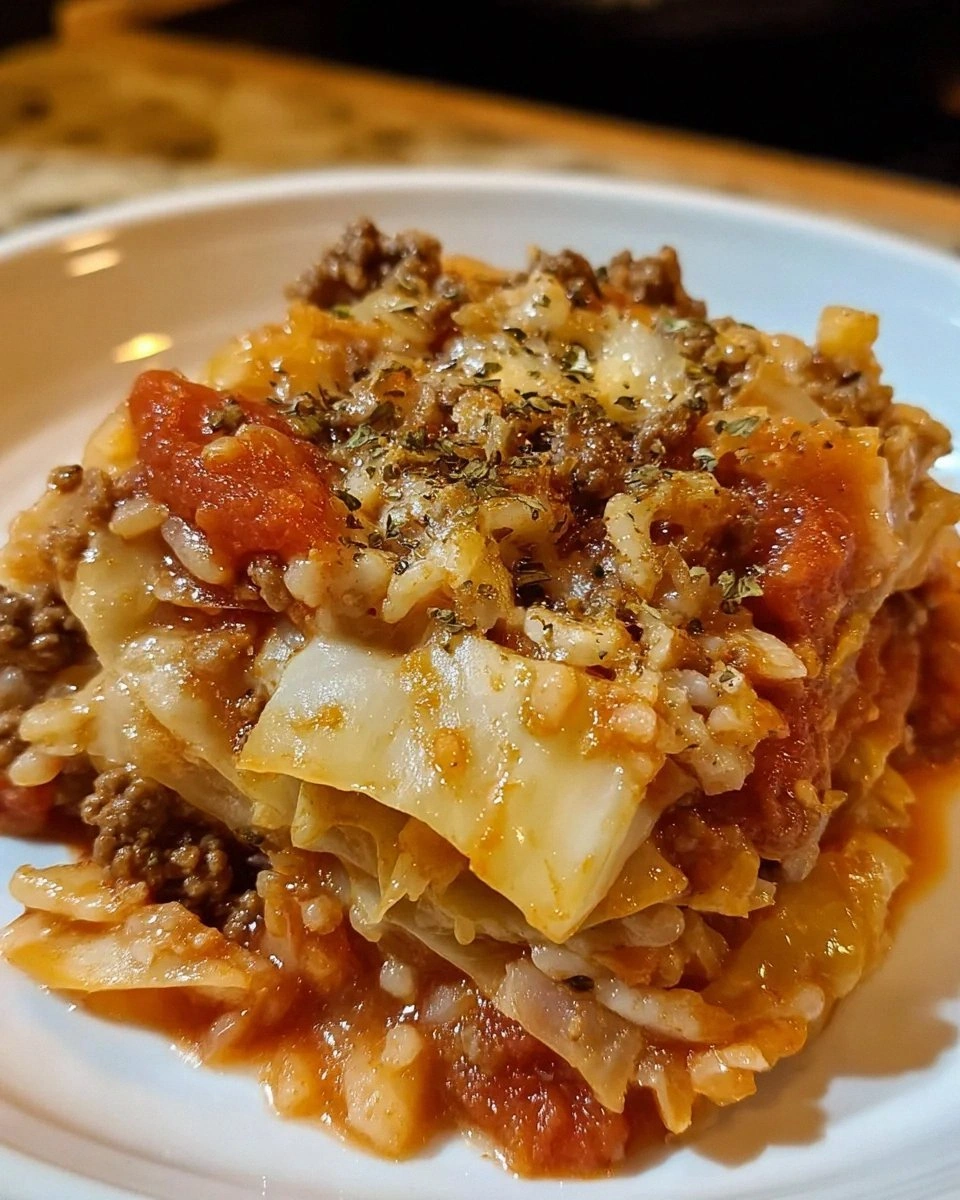
The moment the cabbage leaves hit the hot water, a gentle hiss rose like a secret whispered in a crowded room. The scent of simmering tomato sauce mingled with the earthy aroma of beef, while the faint crunch of sautéed onions provided a background percussion that made my heart beat a little faster. I could feel the heat radiating from the crockpot, a comforting, steady pulse that reminded me of a low‑key drumbeat in a jazz club. When the lid finally lifted after the timer dinged, the casserole revealed itself in a glossy, ruby‑red glaze that clung to each layer like velvet draped over a marble statue.
Most cabbage roll recipes either demand endless rolling, a mountain of prep time, or a stovetop that feels like a battlefield. This version, however, flips the script: I’ve swapped the tedious roll‑by‑roll assembly for a lazy‑day casserole that still captures that classic tangy‑savory soul. The secret? A handful of strategic steps that lock in moisture, a dash of smoked paprika that adds a whisper of wood‑smoked mystery, and a clever use of the crockpot’s low‑and‑slow magic to meld flavors without any frantic stirring. I’ll be honest — I ate half the batch before anyone else got a chance to try it, and that’s a confession I’m willing to make because the taste is that good.
Now, I’m about to walk you through every single step — from selecting the perfect cabbage leaf to the final, triumphant pull of the spoon. By the end, you’ll wonder how you ever made this dish any other way. Okay, ready for the game‑changer? Let’s dive in.
What Makes This Version Stand Out
- Flavor Fusion: The combination of beef broth, tomato sauce, and smoked paprika creates a depth that feels like a slow‑cooked stew wrapped in cabbage.
- Texture Harmony: Tender cabbage leaves meet a fluffy rice‑and‑meat filling, while a thin crust forms at the edges for that satisfying bite.
- Simplicity Redefined: No rolling, no stovetop juggling — just layer, set, and let the crockpot do its thing.
- Unique Ingredient Twist: A splash of olive oil at the bottom prevents sticking and adds a buttery richness you won’t find in traditional recipes.
- Crowd‑Pleaser Factor: I dare you to serve this at a family gathering and watch the plates disappear faster than you can say “second helping.”
- Ingredient Quality: Using fresh, organic cabbage and grass‑fed ground beef elevates the dish from comfort food to culinary comfort.
- Cooking Method Magic: The crockpot’s low heat keeps the cabbage from turning mushy, preserving its slight snap.
- Make‑Ahead Potential: Assemble the night before, refrigerate, and wake up to a ready‑to‑cook masterpiece that smells like a Sunday dinner.
Inside the Ingredient List
The Flavor Base
First up, the tomato sauce and beef broth. These two liquids are the glue that binds everything together, creating a sauce that coats the rice and meat like a silky blanket. If you skimp on the broth, the casserole will end up dry, and the cabbage will absorb too much salt. For a richer flavor, I recommend low‑sodium beef broth and a fire‑roasted tomato sauce that adds a subtle smoky undertone. Swap in vegetable broth for a lighter, vegetarian-friendly version, but remember you’ll lose some of that meaty depth.
The Texture Crew
The ground beef (or turkey, if you’re feeling lean) provides the hearty bite that makes this dish feel like a main course rather than a side. I always use at least 80% lean meat to keep the texture moist without excess grease. The uncooked white rice expands as it cooks, soaking up the broth and creating pockets of fluffy comfort. If you’re allergic to rice, try quinoa – it adds a nutty flavor and a slightly firmer bite that holds up well in the crockpot.
The Unexpected Star
Smoked paprika is the secret weapon that turns an ordinary casserole into a “wow” experience. Its deep, woody flavor cuts through the richness of the meat and adds a beautiful reddish hue that makes the dish look as good as it tastes. A little goes a long way; too much can overwhelm, so stick to a single teaspoon. If you can’t find smoked paprika, regular paprika plus a dash of liquid smoke will do the trick.
The Final Flourish
Onion and garlic are the aromatic duo that awaken the palate from the first bite. Sauté them in olive oil until they’re golden and fragrant – this step is non‑negotiable if you want that sweet‑onion depth. Salt and pepper, of course, are the seasoning staples, but a pinch of dried thyme adds an herbal note that rounds out the flavor profile. Feel free to adjust the salt to your taste, especially if you’re using a salty broth.
Everything's prepped? Good. Let’s get into the real action…
The Method — Step by Step
Start by preparing the cabbage. Remove the core and carefully separate the leaves; you’ll need about 12 large, intact leaves. Bring a large pot of water to a rolling boil, add a pinch of salt and that secret sugar hack, then plunge the leaves in for 2‑3 minutes until they’re pliable but still bright green. As soon as they’re ready, transfer them to a bowl of ice water to stop cooking and preserve that vibrant color. The leaves should feel supple, like a well‑tuned guitar string, ready to be folded around the filling.
While the cabbage cools, heat 2 tablespoons of olive oil in a skillet over medium heat. Add the diced onion and minced garlic, sautéing until they turn translucent and release a sweet aroma that makes your kitchen feel like a French bistro. This is the moment of truth for aromatics – if you hear a faint sizzle, you’re on the right track; if it’s silent, crank the heat up a notch.
Next, add the ground beef to the skillet. Break it up with a wooden spoon, letting it brown until the juices turn a rich caramel color. As the meat cooks, sprinkle in smoked paprika, dried thyme, salt, and pepper. The paprika should bloom, releasing a deep, earthy perfume that fills the kitchen – that’s the magic you’ve been waiting for.
Stir in the uncooked rice, letting it toast for a minute; this step adds a nutty background that prevents the rice from becoming mushy later. Then pour in the tomato sauce and beef broth, scraping up any browned bits from the pan – those are flavor gold. Bring the mixture to a gentle simmer, then remove from heat. The sauce should be slightly thick, coating the meat and rice like a glossy sauce on a fine‑dining plate.
Now comes the layering. Lightly grease the bottom of your crockpot with a drizzle of olive oil (the same one you used earlier). Place a layer of cabbage leaves, overlapping them to cover the base. Spoon a generous portion of the meat‑rice mixture over the leaves, spreading it evenly. Repeat the process, alternating cabbage and filling, until you run out of ingredients, finishing with a solid cabbage top.
Drizzle the remaining tomato sauce over the top layer, allowing it to seep into the crevices. This final glaze will caramelize slightly as the casserole cooks, creating a thin, slightly crisp edge that shatters like thin ice when you cut into it.
Cover the crockpot and set it to low for 6‑8 hours, or high for 3‑4 hours. The low setting is ideal for a melt‑in‑your‑mouth texture, while the high setting is perfect when you’re short on time. Resist the urge to lift the lid too often; each peek releases steam and extends cooking time. Trust the process – the slow heat will coax the flavors together in a harmonious dance.
When the timer dings, let the casserole rest for 10 minutes before serving. This pause lets the juices redistribute, ensuring each bite is juicy and balanced. Garnish with a sprinkle of fresh parsley or a dollop of sour cream if you like a tangy contrast. And there you have it – a casserole that looks like a casserole, tastes like a dozen rolled cabbage dishes, and requires less effort than ordering takeout.
Insider Tricks for Flawless Results
The Temperature Rule Nobody Follows
Most home cooks default to “low” or “high” without thinking about the actual temperature inside the crockpot. A low setting hovers around 190°F (88°C), while high reaches about 300°F (149°C). For cabbage rolls, the sweet spot is low‑and‑slow: it allows the leaves to stay pliable and the meat to stay juicy. If you’re in a hurry, start on high for the first hour, then switch to low to finish – this gives you the best of both worlds.
Why Your Nose Knows Best
Don’t rely solely on the timer; use your sense of smell as a guide. When the sauce begins to emit a caramelized, slightly sweet aroma, you know the edges are forming a delicate crust. If the kitchen starts smelling overly acidic, a splash of sugar or a pinch of baking soda can balance the flavor. Trust your nose – it’s the most reliable kitchen thermometer.
The 5‑Minute Rest That Changes Everything
After the crockpot finishes, let the casserole sit, covered, for five minutes. This short rest allows the steam trapped inside to gently re‑hydrate any dry spots, resulting in a uniformly moist bite. Skipping this step is the culinary equivalent of cutting into a cake too soon – you’ll get a crumbly, uneven texture.
Layering Like a Pro
The secret to a cohesive casserole is consistent layering. Overlap cabbage leaves by at least half an inch; this creates a seal that prevents the filling from seeping out. When you spoon the meat mixture, aim for an even thickness of about ¼ inch – too thick and the center stays undercooked; too thin and the cabbage overwhelms the flavor.
Season at Every Stage
Seasoning isn’t a one‑time event. Add a pinch of salt to the sautéed onions, another pinch to the meat mixture, and a final dash after the casserole is done. This layered seasoning builds depth, ensuring each bite hits the palate with balanced saltiness. Remember, the broth already contains salt, so taste before adding more.
Creative Twists and Variations
This recipe is a playground. Here are some of my favorite ways to switch things up:
Italian‑Inspired Roll‑Up
Swap the beef broth for a rich marinara sauce, add a handful of shredded mozzarella between layers, and sprinkle Italian seasoning over the top. The result is a cheesy, herb‑laden casserole that pairs beautifully with garlic bread.
Spicy Mexican Version
Introduce a diced jalapeño to the onion‑garlic mix, replace smoked paprika with chipotle powder, and stir in a cup of black beans with corn. Top with fresh cilantro and a dollop of lime‑yogurt for a fiesta in a bowl.
Vegetarian Delight
Replace ground beef with a mixture of lentils and chopped mushrooms, use vegetable broth, and add a teaspoon of soy sauce for umami. This version retains the hearty texture while keeping the dish plant‑based.
Cheesy Breakfast Casserole
Mix in scrambled eggs and shredded cheddar into the meat‑rice layer, and finish with a drizzle of hot sauce. Serve it for brunch and watch it disappear faster than pancakes at a Sunday buffet.
Smoky BBQ Twist
Swap the tomato sauce for a tangy BBQ sauce, add a splash of apple cider vinegar, and sprinkle smoked gouda on top before cooking. The smoky, sweet, and slightly acidic profile makes it a perfect companion for grilled corn.
Asian Fusion
Replace the broth with low‑sodium soy sauce mixed with a touch of sesame oil, add grated ginger to the aromatics, and stir in shredded carrots. Garnish with sliced green onions and toasted sesame seeds for an unexpected yet delightful flavor journey.
Storing and Bringing It Back to Life
Fridge Storage
Allow the casserole to cool to room temperature, then transfer it to an airtight container. It will keep fresh for up to four days. Reheat individual portions in the microwave or on the stovetop, adding a tablespoon of water to restore moisture.
Freezer Friendly
Portion the casserole into freezer‑safe bags or containers, leaving a little headroom for expansion. It freezes beautifully for up to three months. To reheat, thaw overnight in the fridge, then warm in the crockpot on low for 2‑3 hours, or bake at 350°F (175°C) for 30 minutes covered with foil.
Best Reheating Method
The secret to a perfect reheated slice is steam. Before reheating, drizzle a tiny splash of water over the top and cover tightly with foil or a lid. This creates a mini‑steam chamber that revives the sauce’s silkiness and prevents the cabbage from drying out.