When the kitchen lights flickered and the fridge door creaked open, I was staring at a pile of leftover rice, a few chicken thighs, and a handful of spices that smelled like a promise. I had just survived a disastrous attempt at a quick dinner that ended in a burnt, flavorless mess, and I was determined not to repeat that humiliation. That night, I vowed to turn the humble staples into a dish that would make even my skeptical friends swoon. The result? A sizzling, aromatic plate of Nasi Goreng that feels like a hug in every bite.
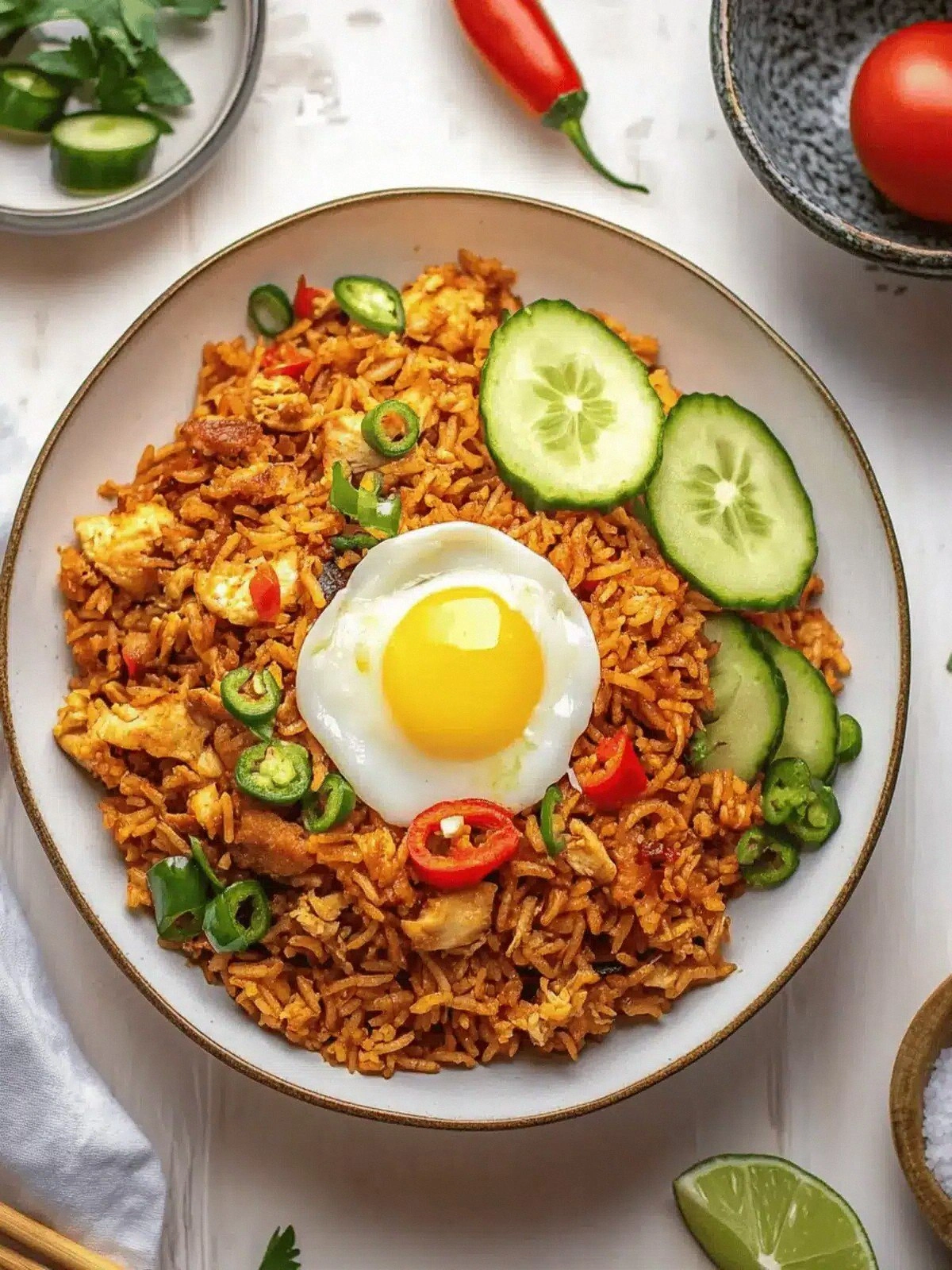
Imagine the clatter of the wok, the hiss of hot oil, and the aroma of garlic and shallot dancing in the air. The sound of rice grains popping, the gentle crackle of eggs, and the faint metallic tang of kecap manis all blend into a symphony of comfort. As the dish cooks, the rice turns a golden hue, coating itself in a glossy, savory glaze that glistens like a jewel. The final plating is a riot of colors—deep reds from chili, bright greens from green onions, and the creamy white of fried eggs—making it as visually stunning as it is delicious.
What sets this version apart from every other Nasi Goreng recipe is the precise balance between sweet, salty, and spicy, achieved through a simple yet powerful combination of sauces and aromatics. I’ve stripped away unnecessary steps, focusing on techniques that amplify flavor without complicating the process. The result is a dish that tastes like it was cooked in a bustling street market, yet it can be made in the comfort of any kitchen. The secret? A splash of terasi that deepens the umami, a generous spoonful of kecap manis for that caramelized sweetness, and a touch of sambal oelek that keeps the heat just right.
I dare you to taste this and not go back for seconds. This is hands down the best version you'll ever make at home. If you've ever struggled with making fried rice that isn’t dry or bland, you're not alone—and I've got the fix. Picture yourself pulling this out of the wok, the whole kitchen smelling incredible, and knowing that the first bite will leave you craving more. Let me walk you through every single step—by the end, you'll wonder how you ever made it any other way.
What Makes This Version Stand Out
- Flavor Fusion: The marriage of kecap manis, soy sauce, and terasi creates a layered, complex taste that feels both familiar and adventurous. Each ingredient adds depth, turning simple rice into a savory masterpiece.
- Texture Triumph: The fried eggs sit like golden moons atop the rice, while the shrimp chips add a satisfying crunch that breaks the softness of the grains. The result is a mouthfeel that’s both comforting and exciting.
- Speed and Simplicity: With a prep time of just 15 minutes and a cook time of 30, this dish is a true time‑saver for busy evenings. No elaborate marination or long simmering required.
- Ingredient Quality: Using fresh, high‑quality chicken thighs and ripe produce ensures that every bite is packed with natural flavor. The better the ingredients, the less you need to compensate with extra salt.
- Versatility: The recipe can be easily doubled or halved, making it perfect for both solo dinners and family gatherings. The proportions stay intact regardless of the number of servings.
- Make‑Ahead Friendly: Leftovers reheat beautifully, maintaining moisture and flavor. Just add a splash of water to steam the rice back to life.
- Authentic Aroma: The sizzling wok and aromatic sauce release a fragrance that instantly transports you to Indonesian street stalls. That sizzle when it hits the pan? Absolute perfection.
- Visual Appeal: The vibrant colors and glossy finish make this dish Instagram‑ready, turning a simple meal into a feast for the eyes.
Alright, let's break down exactly what goes into this masterpiece…
Inside the Ingredient List
The Flavor Base
The cornerstone of this dish is the sauce blend: kecap manis, soy sauce, and Indonesian shrimp paste. Kecap manis provides that sweet caramelization, while soy sauce adds saltiness and depth. Terasi, though potent, is used sparingly to deliver a robust umami punch that grounds the dish. If you can’t find terasi, a small amount of fish sauce or anchovy paste works as a decent substitute, though the flavor profile will shift slightly.
The Texture Crew
Chicken thighs are the heart of the dish, offering both moisture and a rich, slightly fatty bite that pairs perfectly with the rice. Fried eggs act as a creamy, runny center that balances the crisp edges of the shrimp chips. The fried shallots on top bring a delicate crunch and a burst of caramelized onion flavor that elevates every mouthful. If you prefer a vegetarian version, replace the chicken with tofu or tempeh; just make sure it’s pre‑seasoned to compensate for the lost meat flavor.
The Unexpected Star
Green onions, tomatoes, and cucumbers add a refreshing, fresh contrast to the savory, sweet, and spicy components. The green onions provide a mild sharpness that brightens the dish, while the tomatoes introduce acidity and sweetness. The cucumber adds a crisp, cooling element that balances the heat from the chili and sambal oelek. Skipping any of these will leave the dish feeling flat; they’re essential for a complete sensory experience.
The Final Flourish
Shredded shrimp chips give a satisfying crunch that breaks up the soft rice grains. They also add a subtle briny flavor that complements the soy sauce. Sambal oelek is the heat engine of this recipe—just a few tablespoons can make the dish fire. If you’re heat‑averse, reduce the amount or substitute with milder chili paste. The final sprinkle of fried shallots and a squeeze of lime (optional) finish the dish with a bright, zesty note.
Everything’s prepped? Good. Let’s get into the real action…
The Method — Step by Step
- Heat a large wok or skillet over medium‑high heat until it shimmers. Add 2 tablespoons of oil and swirl to coat. Once the oil is shimmering, add the minced garlic, shallots, and red chili. Sauté until the aromatics are fragrant and the shallots are translucent, about 2 minutes. This step releases the essential oils that form the base of our sauce.
- Introduce the diced chicken thighs to the wok, stirring constantly to sear all sides. Cook until the chicken is no longer pink in the center and starts to brown, about 5 minutes. The searing process caramelizes the exterior, locking in juices and adding a subtle nutty flavor. Keep the heat steady to avoid burning the aromatics.
- Add the terasi (shrimp paste) and stir until it melts into the oil, forming a fragrant, dark sauce. This step is crucial for umami depth; if you’re hesitant, add a pinch of salt to balance the intensity. Once the terasi is well incorporated, pour in the kecap manis and soy sauce, stirring to coat the chicken evenly. The sauce should thicken slightly, coating the meat.
- Now it’s time for the rice. Gently fold in the cooked white rice, breaking up any clumps. Stir until the rice is evenly coated with the sauce and begins to brown on the bottom. The rice should feel warm and slightly crisp on the edges, a sign that it’s absorbing the flavors. This is the moment of truth—watch the rice transform.
- Push the rice mixture to one side of the wok and crack the eggs into the empty space. Scramble the eggs until they’re just set, then fold them into the rice. The eggs add creaminess and a silky texture that contrasts the crispy edges. Be careful not to over‑scramble; we want the eggs to remain tender.
- Add the green onions, tomatoes, and cucumber. Stir gently to combine without breaking the cucumber into mush. These fresh ingredients bring a bright, refreshing contrast to the savory, sweet, and spicy base. The tomatoes should soften slightly, releasing their juices to mingle with the sauce.
- Sprinkle the fried shallots over the top and toss them in to coat. They add a delicate crunch and a burst of caramelized onion flavor that elevates the dish. Finally, fold in the shrimp chips, ensuring they’re evenly distributed. The chips should break into bite‑sized pieces, adding a satisfying crunch.
- Reduce the heat to low, cover the wok, and let the rice steam for 2 minutes to meld the flavors. After the steam, uncover, stir, and add the sambal oelek. Adjust the heat level by adding more or less sambal, depending on your spice tolerance. The final touch of heat should be vibrant without overpowering the other flavors.
- Serve immediately, garnished with an extra sprinkle of fried shallots if desired. Pair with a side of pickled vegetables or a simple cucumber salad for a balanced meal. The aroma and color of the dish will entice anyone at the table to dig in right away. Enjoy the symphony of flavors that dance across your palate.
That’s it—you did it. But hold on, I’ve got a few more tricks that will take this to another level and make every bite even more memorable.
Insider Tricks for Flawless Results
The Temperature Rule Nobody Follows
Many cooks try to cook everything on high heat, but the key to perfect Nasi Goreng is controlling the temperature. Start high to sear the chicken, then lower to medium‑low for the rice. This method prevents the rice from sticking and ensures a fluffy texture. I’ve seen beginners overcook the rice, resulting in a mushy mess—avoid that by keeping the heat steady.
Why Your Nose Knows Best
Trust your sense of smell during the cooking process. The moment the rice starts to brown, that golden scent signals that the grains are ready to absorb the sauce. If the aroma feels flat, give the rice a few more minutes of gentle heat. A well‑toasted rice base is the secret to a richly flavored dish.
The 5‑Minute Rest That Changes Everything
After you finish cooking, let the dish sit covered for five minutes. This brief rest allows the flavors to meld and the rice to steam, resulting in a more cohesive taste. I’ve found that skipping this step leaves the rice feeling slightly dry. Give it that pause, and the final plate will be irresistibly moist.
Use Fresh Shrimp Chips for Crunch
Not all shrimp chips are created equal. Freshly made chips have a lighter, more delicate crunch compared to pre‑packaged, stale ones. Look for chips labeled “fresh” or “hand‑made” at your local Asian market. If you can’t find them, a quick stir‑fry of regular chips in a bit of oil will revive their texture.
Keep the Chili Fresh
Red chilies can lose their heat if stored too long. Slice them fresh just before cooking to maintain maximum pungency. If you prefer a milder kick, deseed the chili before slicing. This simple adjustment ensures the heat level stays consistent across batches.
Adding a Splash of Water Before Reheating
When reheating leftovers, add a tablespoon of water to the wok or skillet. This steams the rice, preventing it from drying out. Cover and heat over medium heat until warmed through. The result is a fluffy, fragrant rice that tastes almost as good as freshly cooked.
Creative Twists and Variations
This recipe is a playground. Here are some of my favorite ways to switch things up:
Thai‑Inspired Twist
Swap the kecap manis for a splash of coconut milk and a tablespoon of fish sauce. Add a handful of Thai basil leaves and a squeeze of lime juice for a fragrant, citrusy kick. The coconut milk gives the rice a creamy texture while the fish sauce adds depth.
Vegetarian Delight
Replace the chicken thighs with diced tofu marinated in soy sauce and a pinch of turmeric. Toss in sliced bell peppers and baby corn for color and crunch. Finish with a drizzle of sesame oil for a nutty finish.
Seafood Splash
Incorporate a mix of shrimp and scallops into the rice. Sauté the seafood with garlic before adding the rice to lock in their natural sweetness. A splash of white wine during the sauté will enhance the briny flavor.
Low‑Carb Edition
Swap the rice for cauliflower rice, lightly pulsed in a food processor. Cook the cauliflower rice with a touch of butter and garlic, then fold in the sauce and other ingredients. The texture will be lighter, and the dish will still be just as satisfying.
Breakfast Take‑Away
Serve the Nasi Goreng with a side of fried tempeh and a drizzle of peanut sauce. Add a handful of spinach or bok choy for extra greens. This version is perfect for a quick, protein‑packed breakfast.
Spicy Baked Version
Transfer the cooked rice mixture to a baking dish, top with shredded mozzarella, and bake at 375°F for 10 minutes. The cheese melts into a gooey, golden crust that adds a new dimension of flavor. Serve hot with a side of fresh salsa.
Storing and Bringing It Back to Life
Fridge Storage
Store leftovers in an airtight container in the refrigerator for up to 3 days. The rice will keep its texture if you avoid over‑cooking. Keep the fried eggs separate if you prefer to reheat them individually.
Freezer Friendly
Place the cooked rice in a freezer‑safe bag or container and freeze for up to 2 weeks. When ready to eat, thaw in the refrigerator overnight. Reheat with a splash of water to restore moisture.
Best Reheating Method
Reheat in a skillet over medium heat, adding a tablespoon of water or broth to steam the rice. Stir frequently to ensure even heating. The final result should be fluffy and aromatic, just like when freshly cooked.