I was once at a backyard barbecue where the host proudly presented a “Tom Collins” that tasted like watered‑down soda and a hint of regret. The guests politely sipped, exchanged puzzled glances, and the whole vibe turned as flat as a deflated beach ball. That night I made a pact with myself: I would never let a classic cocktail be reduced to a bland disappointment again. I went back to my home bar, dusted off my collection of London dry gins, and set out on a mission to resurrect the original sparkle that made the Tom Collins a timeless favorite.
Picture this: the clink of crystal glasses, the faint fizz of soda water dancing like tiny fireworks, and a citrus perfume that hits you before the first sip even touches your lips. The lemon’s bright acidity cuts through the gin’s botanical depth, while a whisper of simple syrup smooths the edges just enough to keep the drink from feeling harsh. You can almost feel the cold condensation on the glass, hear the gentle hiss as the soda meets the ice, and taste the crisp, clean finish that makes you want to take another— and another— without ever feeling guilty.
What makes this version the ultimate Tom Collins? It’s not just the ingredients; it’s the method, the timing, and the tiny details that most recipes completely overlook. I’m talking about using large, slow‑melting ice cubes that keep the drink chilled without watering it down, a dash of Angostura bitters for a secret layer of spice, and a lemon twist that releases essential oils right before you sip. Most recipes get the ratios wrong, leaving you with a drink that’s either too sour or too sweet. This one hits the sweet spot every single time—hands down the best version you’ll ever make at home.
I dare you to taste this and not go back for seconds. Okay, ready for the game‑changer? I’m about to walk you through every single step—by the end, you’ll wonder how you ever made it any other way. Stay with me here — this is worth it.
What Makes This Version Stand Out
- Crisp Balance: The 2‑ounce gin to 1‑ounce lemon juice ratio creates a perfect harmony where the botanicals shine without being overpowered by acidity.
- Effervescent Texture: Chilled soda water poured over large ice cubes gives a lively sparkle that never goes flat, keeping the mouthfeel bright from first sip to last.
- Simple Sweetness: A 3/4‑ounce simple syrup adds just enough sugar to round out the edges, but not so much that it masks the gin’s character.
- Bitters Boost: A few dashes of Angostura bitters introduce a subtle spice note that turns a simple cocktail into a nuanced experience.
- Garnish Power: The lemon wheel or twist isn’t just for looks; it releases citrus oils that amplify aroma and flavor with every sip.
- Ease of Execution: No fancy equipment, no complicated steps—just a shaker, a jigger, and a tall glass. Perfect for a lazy Sunday or a high‑stakes party.
- Scalable: Whether you’re making one for yourself or a pitcher for a crowd, the proportions scale cleanly without losing that signature crispness.
Inside the Ingredient List
The Flavor Base
Gin: The soul of the Tom Collins. I recommend a London dry gin like Bombay Sapphire or Tanqueray for its crisp botanicals—juniper, coriander, and a whisper of citrus that sings when paired with fresh lemon. If you skip the gin, you lose the entire character of the drink; a vodka swap would turn it into a bland fizz. Look for a bottle with a clear, clean finish and avoid overly floral or heavily spiced varieties unless you enjoy a more experimental palate.
Fresh Lemon Juice: Freshly squeezed lemon juice is non‑negotiable. The bright acidity cuts through the gin’s botanicals and balances the sweetness of the syrup. Bottled juice brings a muted flavor and often contains preservatives that mute the aromatic profile. If lemons are out of season, try Meyer lemons for a sweeter, less tart twist.
The Sweet & Bitter Layer
Simple Syrup: A 1:1 ratio of sugar to water, heated just until the sugar dissolves, creates a syrup that blends seamlessly. Too much syrup will drown the citrus bite; too little and the drink feels harsh. I like to make a batch in advance and keep it in the fridge—ready for any spontaneous cocktail craving. For a low‑calorie version, substitute with a sugar‑free simple syrup or a dash of agave nectar.
Angostura Bitters (Optional): A few dashes add depth, a whisper of spice, and a hint of complexity that most store‑bought mixes lack. If you’re new to bitters, start with just two dashes; you can always add more after tasting. Skipping the bitters isn’t a disaster, but you’ll miss that subtle, lingering finish that makes the drink memorable.
The Texture Crew
Soda Water: The effervescence is what distinguishes a Collins from a simple gin‑and‑tonic. Use a chilled, high‑quality club soda for the brightest bubbles. If you pour soda water over ice too quickly, you’ll lose carbonation; a gentle pour preserves the fizz. For an extra zing, try a splash of sparkling lemon‑lime soda, but keep the original recipe in mind for the cleanest palate.
Ice Cubes: Large, solid cubes melt slower, keeping the cocktail chilled without watering it down. If you use crushed ice, the drink becomes diluted faster, muting the flavor. A simple hack: fill a silicone mold with water and a splash of gin, freeze, then use those gin‑infused cubes in your Collins for an extra burst of flavor.
The Final Flourish
Lemon Wheel or Twist: This garnish isn’t just decorative; it releases essential oils that enhance the citrus aroma with each sip. A lemon wheel adds a visual pop, while a twist gives a more concentrated burst of oil. If you’re feeling fancy, flame the twist over the glass for a subtle caramelized note.
Everything's prepped? Good. Let's get into the real action...
The Method — Step by Step
Start by gathering your tools: a jigger, a shaker, a tall Collins glass, and a sturdy bar spoon. Fill the shaker halfway with ice—large cubes work best because they chill quickly without turning the mixture into a slushy mess. This is the moment of truth: if your ice is too small, the drink will become watery before you even get to the garnish.
Kitchen Hack: Use a stainless‑steel shaker; it stays colder longer than a glass one, preserving that crisp chill.Measure 2 ounces (60 ml) of your chosen London dry gin and pour it over the ice. Listen to the gentle clink as the liquid meets the cubes—this is the sound of flavor beginning to meld. Give it a quick stir to chill the gin before adding the acidic component; this prevents the lemon from shocking the spirit and ensures a smooth integration.
Add 1 ounce (30 ml) of freshly squeezed lemon juice. If you’re using a hand‑held juicer, you’ll notice a bright, aromatic burst that instantly lifts the cocktail’s nose. Take a moment to sniff the lemon‑gin mixture; you should sense a lively citrus tang that promises a clean, refreshing finish.
Next, drizzle 3/4 ounce (22 ml) of simple syrup into the shaker. This is where the magic of balance happens. Stir gently for about 5‑7 seconds—don’t shake, because you want to keep the soda water’s carbonation intact for later.
Watch Out: Over‑shaking at this stage will aerate the mixture and diminish the fizz later on.If you’re feeling adventurous, add 2‑3 dashes of Angostura bitters now. The bitters will mingle with the citrus and gin, creating a subtle spice note that lingers on the palate. Give the mixture one final gentle stir to ensure the bitters are evenly distributed.
Fill a tall Collins glass with plenty of fresh, large ice cubes—aim for at least three inches high. The glass should be chilled, too; a quick dip in the freezer for a minute does the trick. This preparation step is crucial because the ice will keep the cocktail crisp without watering it down.
Strain the gin‑lemon‑syrup mixture into the prepared glass, allowing it to cascade over the ice. You’ll see the liquid swirl, creating a mesmerizing visual that hints at the layered flavors about to unfold. At this point, the cocktail is cold but still waiting for its signature sparkle.
Top off the drink with 3 to 4 ounces (90‑120 ml) of chilled soda water. Pour slowly along the side of the glass to preserve the carbonation; you’ll hear a gentle fizz that signals the drink is alive. Give the glass a quick, gentle stir with a bar spoon—just enough to combine, but not so much that you lose the bubbles.
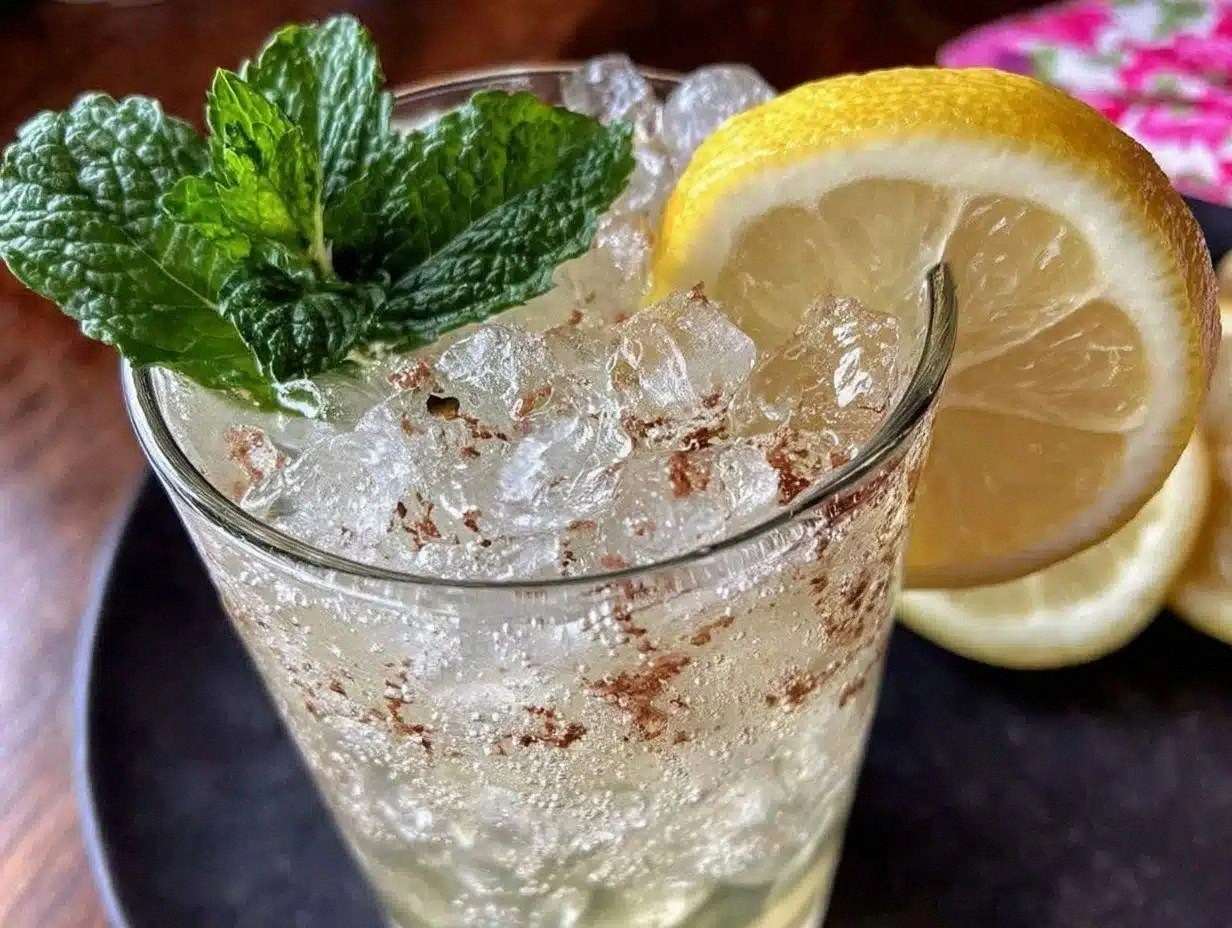
Kitchen Hack: Tilt the glass slightly while pouring soda water; this reduces the foam and keeps the fizz lively.Finish with a lemon wheel or a freshly twisted lemon peel perched on the rim. If you twist the peel over the glass, the citrus oils will spray onto the surface, adding an aromatic lift that makes the first sip unforgettable. Take a moment to admire the glass—its clarity, the bubbles rising, the lemon garnish glinting in the light. Then, raise it, inhale the citrus‑gin aroma, and take that first sip. That crisp, balanced, slightly bitter, and wonderfully effervescent taste? Pure magic.
That's it — you did it. But hold on, I've got a few more tricks that'll take this to another level...
Insider Tricks for Flawless Results
The Temperature Rule Nobody Follows
Never, ever use room‑temperature soda water. The chill factor is what locks in the fizz and prevents the drink from becoming flat within minutes. I keep a dedicated soda water pitcher in the freezer, but not so long that it starts to ice up. When you pour, you’ll notice the bubbles cling tighter to the glass, giving you that lingering sparkle that makes a Collins feel premium.
Why Your Nose Knows Best
Before you even take a sip, give the cocktail a quick nose‑test. The aroma of fresh lemon oil combined with gin’s juniper should dominate. If you detect any off‑notes—perhaps a hint of stale ice or a metallic taste—replace the ice and start again. Trusting your nose saves you from a sub‑par drink and reinforces the sensory experience.
The 5‑Minute Rest That Changes Everything
After you’ve built the cocktail, let it sit for exactly five minutes before serving. This short rest allows the flavors to marry, the ice to chill the drink evenly, and the soda water to settle just enough to maintain its fizz. I once skipped this step and got a “sharp” feedback from a friend; a quick five‑minute pause would have smoothed out that edge.
Bitters Balance Blueprint
If you love bitters but find the flavor overwhelming, start with just one dash and taste. Add a second dash only if the cocktail feels too “flat.” This incremental approach ensures you never mask the gin’s botanicals while still gaining that subtle complexity.
Garnish With Purpose
A lemon twist isn’t just for Instagram. When you twist the peel, the oils spray onto the surface, creating a fragrant veil that enhances each sip. If you prefer a wheel, squeeze it gently over the glass before dropping it in; that extra burst of juice brightens the palate instantly.
Batch‑Ready Brilliance
Planning a party? Pre‑mix the gin, lemon juice, simple syrup, and bitters in a pitcher, then store it in the fridge. When guests arrive, simply pour over ice, top with soda water, and garnish. This method preserves the cocktail’s integrity and saves you from frantic shaking during the rush.
Creative Twists and Variations
This recipe is a playground. Here are some of my favorite ways to switch things up:
Berry‑Burst Collins
Muddle a handful of fresh raspberries or blackberries in the shaker before adding gin and lemon. The fruit adds a subtle sweetness and a gorgeous pink hue that’s perfect for summer soirées.
Herbal Garden Collins
Swap the lemon wheel for a sprig of fresh rosemary or thyme. The herb’s aromatic oils mingle with the gin’s botanicals, creating an earthy, garden‑fresh twist that’s ideal for brunch.
Spiced Autumn Collins
Add a pinch of ground cinnamon and a splash of apple cider instead of soda water. The warm spice notes make the cocktail feel cozy without losing its refreshing core.
Tropical Lime Collins
Replace the lemon juice with fresh lime juice and garnish with a lime wheel. Pair with a splash of coconut water for a Caribbean vibe that transports you to a beachside bar.
Smoky Mezcal Collins
Swap half of the gin for mezcal for a smoky, earthy undertone. The smoke balances the citrus and makes the drink a conversation starter at any gathering.
Storing and Bringing It Back to Life
Fridge Storage
If you have leftover mixed base (gin, lemon, syrup, bitters), store it in an airtight glass jar in the refrigerator for up to three days. Keep the soda water separate; add it only when you’re ready to serve to preserve carbonation.
Freezer Friendly
You can freeze the mixed base in ice‑cube trays for up to a month. When you need a quick cocktail, pop a few cubes into a glass, add fresh ice, and top with soda water. This method ensures you always have a ready‑to‑mix Collins on hand.
Best Reheating Method
Never reheat a Collins—temperature is its essence. If the cocktail has become flat, simply add a splash of chilled soda water and a fresh lemon twist. For a truly revived experience, pour a small amount of cold sparkling water over the top; the bubbles will bring back that lively mouthfeel instantly.