Picture this: I’m standing in a cramped apartment kitchen, the air thick with the scent of onions frying, when my phone buzzes with a frantic text from a friend who swore she could never cook eggplant. “I’m about to make a puttanesca,” she wrote, “but I’m not sure if the eggplant will survive the sauce.” I laughed, knowing that the only thing that could survive was a dish that would make her taste buds sing. That night, I set out to prove that eggplant can be the star of a puttanesca, not just a sidekick.
I’ve spent years hunting for the ultimate puttanesca recipe, and every time I found one, it fell flat—too oily, too salty, or simply missing that “wow” factor. I wanted something that would feel like a Mediterranean breeze on a summer evening, with a sauce that clings to pasta like velvet and an eggplant that’s tender yet still has that satisfying bite. The moment the olive oil hit the pan, the kitchen filled with a warm, toasty aroma that made me forget all the culinary disasters of my past. I could already hear the sizzling, the gentle pop of onions, and the faint crackle of the eggplant edges as they browned.
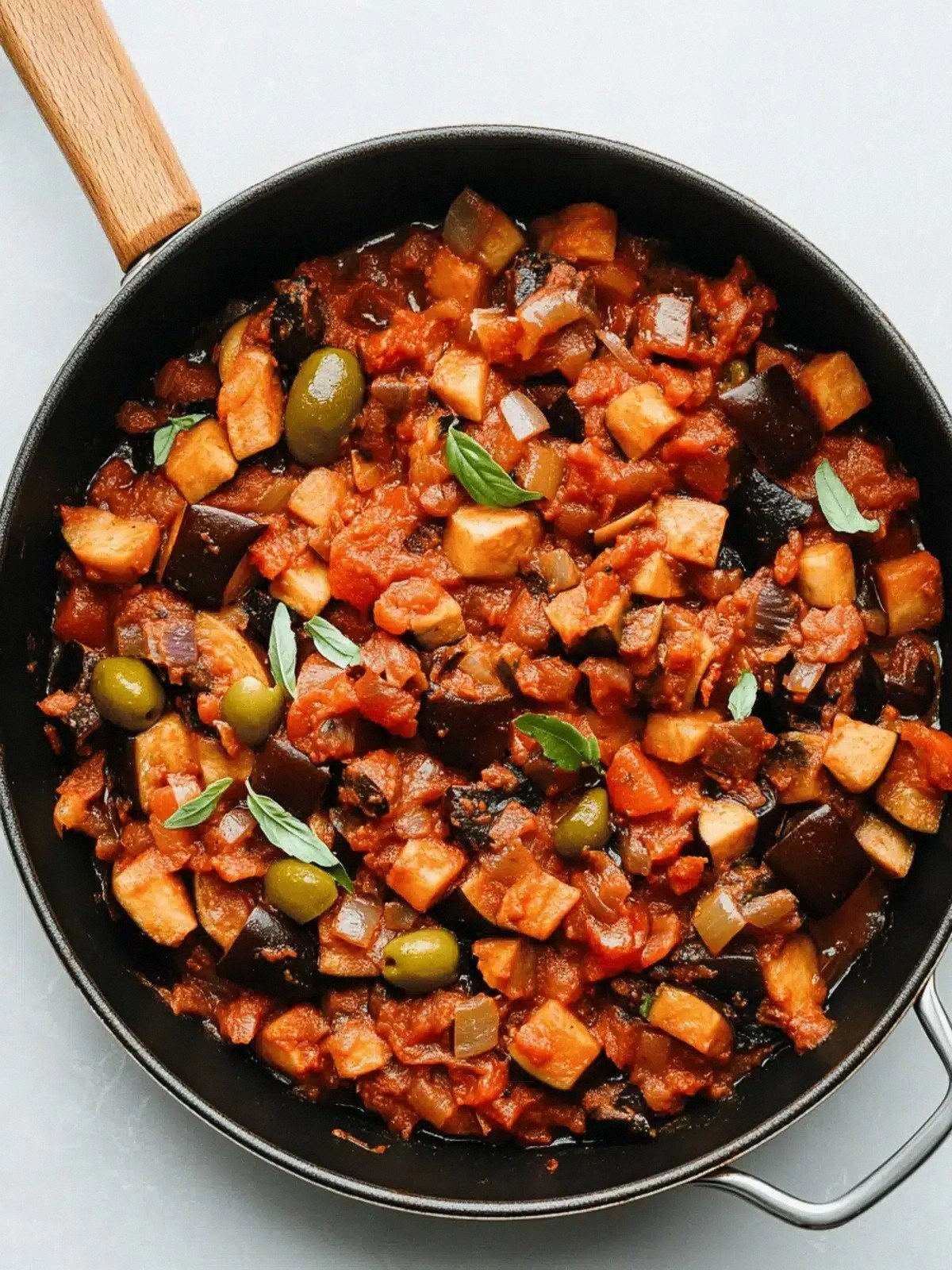
What makes this version stand out? It’s the combination of bold flavors, careful balance of textures, and a secret technique that transforms ordinary ingredients into a symphony of taste. I dare you to taste this and not go back for seconds—once you do, you’ll wonder how you ever made it any other way. I’ll be honest, I ate half the batch before anyone else got a spoon. The sauce is rich and tangy, the olives add a briny punch, and the eggplant’s charred edges bring a smoky depth that sets this dish apart from the rest.
If you’ve ever struggled with putting eggplant and puttanesca together, you’re not alone. The trick is to cook the eggplant until it’s caramelized but not mushy, then fold it into a sauce that’s already layered with flavors. Picture yourself pulling this out of the oven, the whole kitchen smelling incredible, and seeing the glossy sauce coat every strand of pasta. The anticipation is almost as satisfying as the first bite. Stay with me here—this is worth it.
What Makes This Version Stand Out
- Flavor: A harmonious blend of smoky olives, bright tomato, and peppery capers that delivers a punch of Mediterranean zest.
- Texture: The eggplant is caramelized to a golden crisp on the edges, while the sauce remains silky enough to coat the pasta without overpowering it.
- Ingredient Quality: Using a single, large eggplant ensures a uniform size that cooks evenly, while fresh, whole olives add depth.
- Speed: The entire dish comes together in under an hour—perfect for a quick weeknight dinner that feels gourmet.
- Make‑Ahead Potential: The sauce can be prepared a day ahead; the flavors actually deepen, and reheating is a breeze.
- Audience: Even the pickiest eaters will be wowed by the bold, yet balanced flavors that avoid the common pitfalls of overly salty or oily puttanesca.
Alright, let’s break down exactly what goes into this masterpiece…
Inside the Ingredient List
The Flavor Base
The foundation of any great puttanesca is its sauce. Here, the tomato sauce carries the acidity that cuts through the richness of the olive oil and the brine of the olives. I use a chunky, low‑sugar tomato sauce to keep the flavor bright without overwhelming the other elements. If you’re craving a more robust tomato flavor, swap in a homemade sauce with crushed San Marzano tomatoes and a splash of balsamic vinegar.
The onions add a sweet counterpoint that softens the sharpness of the capers. Dice them finely so they melt into the sauce, releasing their natural sugars. If you’re short on time, a quick sauté of pre‑diced onions will do the trick—just remember to let them caramelize before adding the eggplant.
The Texture Crew
Eggplant is the star, but it needs the right treatment to shine. Slice it into even rounds, about 1/2 inch thick, to ensure uniform cooking. After salting, rinse and pat dry; this step removes bitterness and keeps the surface from becoming mushy during sautéing.
Olives and capers bring briny depth and a slight crunch. Use whole kalamata olives for a classic taste, but if you prefer a smoother sauce, pit them and pulse them into a paste with the tomato sauce. Capers, on the other hand, should stay whole to provide that burst of sharpness when you bite.
The Unexpected Star
Red pepper flakes are the secret that ties everything together. They add a subtle heat that balances the sweetness of the onions and the acidity of the tomatoes. If you’re a heat enthusiast, double the amount; if you’re heat‑averse, skip them entirely and the dish will still be deliciously savory.
Olive oil is the vehicle that brings all the flavors together. A light hand is key—too much oil makes the sauce greasy, too little makes it dry. I use two tablespoons of extra‑virgin olive oil, which imparts a fruity finish that lingers on the palate.
The Final Flourish
The pasta is the canvas, absorbing the sauce’s complexity. I choose a sturdy pasta like penne or rigatoni that can hold the chunky sauce without slipping. Cook the pasta al dente so it maintains a firm bite, then reserve a cup of the pasta water to adjust the sauce’s consistency.
Everything’s prepped? Good. Let’s get into the real action…
The Method — Step by Step
- Heat a large skillet over medium heat. Add the olive oil and swirl until it shimmers. Drop in the diced onion, sautéing until translucent and fragrant—about 3 minutes. This is the moment of truth; the onions should start to caramelize, not burn.
- Introduce the eggplant rounds to the skillet. Cook each side until golden brown and slightly charred, about 4 minutes per side. The edges should crackle like thin ice when they hit the pan. This step is crucial for texture and flavor.
- Add the tomato sauce to the skillet, stirring to combine. Let it simmer for 5 minutes, allowing the flavors to mingle. The sauce should thicken slightly and emit a toasty aroma.
- Stir in the kalamata olives, capers, and red pepper flakes. Cook for an additional 3 minutes, allowing the olives to release their oils and the capers to soften slightly. The sauce should have a vibrant, glossy sheen.
- Bring a large pot of salted water to a boil. Cook the pasta according to package instructions, stopping 1 minute before the “al dente” mark. Reserve a cup of pasta water, then drain the noodles.
- Add the drained pasta to the skillet, tossing to coat each strand with the sauce. If the mixture looks dry, pour in a little reserved pasta water until the sauce reaches your desired consistency.
- Serve immediately, garnishing with fresh basil or a sprinkle of grated Parmesan if you’re not keeping it vegan. The dish should feel light yet satisfying, with each bite delivering a burst of smoky, tangy, and peppery flavors.
That’s it—you did it. But hold on, I’ve got a few more tricks that will take this to another level…
Insider Tricks for Flawless Results
The Temperature Rule Nobody Follows
Cooking the eggplant at a slightly lower heat (around 325°F or 165°C) allows it to caramelize without burning, giving it a deeper flavor. I’ve found that a lower temperature also reduces the need to flip the slices too often, preventing them from falling apart.
Why Your Nose Knows Best
Smell the sauce as it simmers. A toasty, caramelized scent signals that the onions and tomatoes have released their full flavor. If the aroma is flat, let it cook a bit longer—this small adjustment can elevate the dish from good to unforgettable.
The 5-Minute Rest That Changes Everything
After you finish cooking, let the sauce rest for 5 minutes off the heat. This brief pause allows the flavors to meld and the sauce to thicken slightly, giving it that silky texture that coats the pasta beautifully.
The Secret of Fresh Olives
If you’re using jarred olives, rinse them under cold water to remove excess brine. This prevents the sauce from becoming overly salty and allows the olive flavor to shine through.
The Right Pasta Water Ratio
Reserve at least one cup of pasta water before draining. The starchy water helps the sauce adhere to the noodles and balances the acidity of the tomatoes, creating a cohesive bite.
Creative Twists and Variations
This recipe is a playground. Here are some of my favorite ways to switch things up:
Spicy Sausage Version
Add sliced Italian sausage to the skillet with the onions. The sausage’s fat will enrich the sauce, and the spice will elevate the heat level for a more robust dish.
Creamy Ricotta Finish
Stir in a dollop of ricotta cheese at the end for a silky, creamy contrast that balances the acidity of the tomatoes and the brine of the olives.
Gluten‑Free Twist
Swap the pasta for gluten‑free rigatoni or spiralized zucchini noodles. The sauce’s thick texture will cling beautifully to any shape.
Vegan Boost
Replace the olive oil with a neutral oil like grapeseed and add a splash of nutritional yeast for a cheesy, umami flavor without dairy.
Mediterranean Salad Side
Serve a crisp cucumber and tomato salad with a drizzle of lemon‑olive oil dressing alongside the pasta for a refreshing contrast.
Storing and Bringing It Back to Life
Fridge Storage
Cool the sauce completely before transferring it to an airtight container. Store in the refrigerator for up to 3 days. When reheating, add a splash of water or broth to revive moisture.
Freezer Friendly
Freeze the sauce in portioned containers for up to 2 months. Thaw overnight in the refrigerator and reheat gently on the stove, adding a bit of water if needed.
Best Reheating Method
Reheat the sauce on low heat, stirring frequently, and add a small amount of pasta water or a drizzle of olive oil to prevent it from drying out. The sauce will regain its silky texture and vibrant flavor.